Nuclear Engineer Jacob Benz was inducted into the Council of Outstanding Early Career Engineers, recognizing notable alumni for service, community, and leadership.
PNNL is highlighting scientific and technical experts in the national security domain who were recently promoted to scientist and engineer level 5, one of PNNL’s most senior research roles.
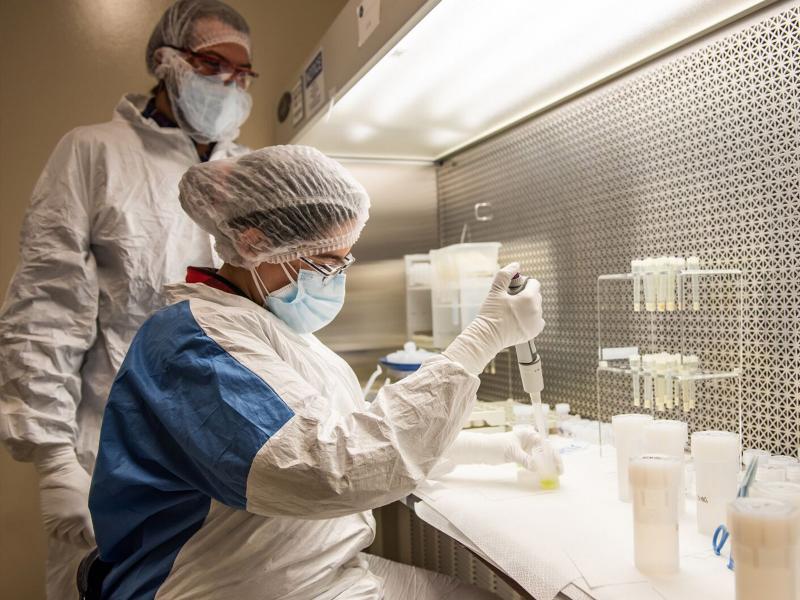
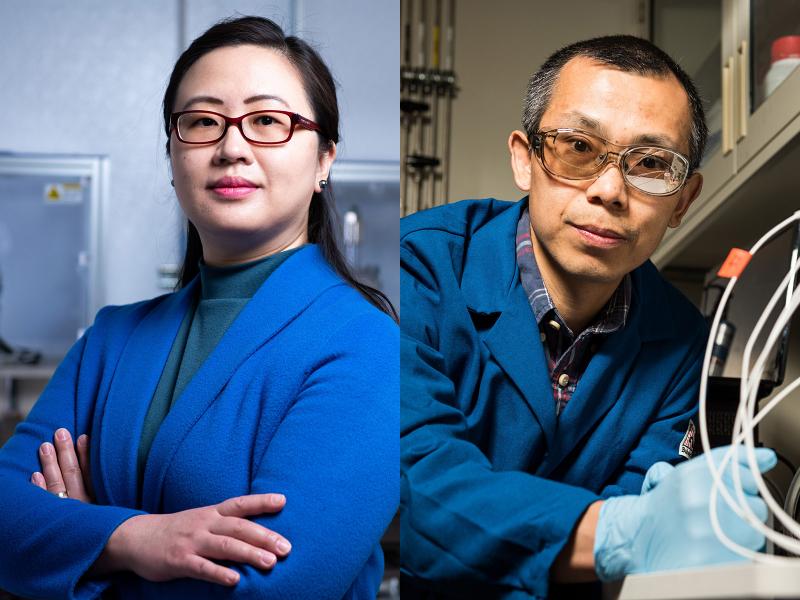
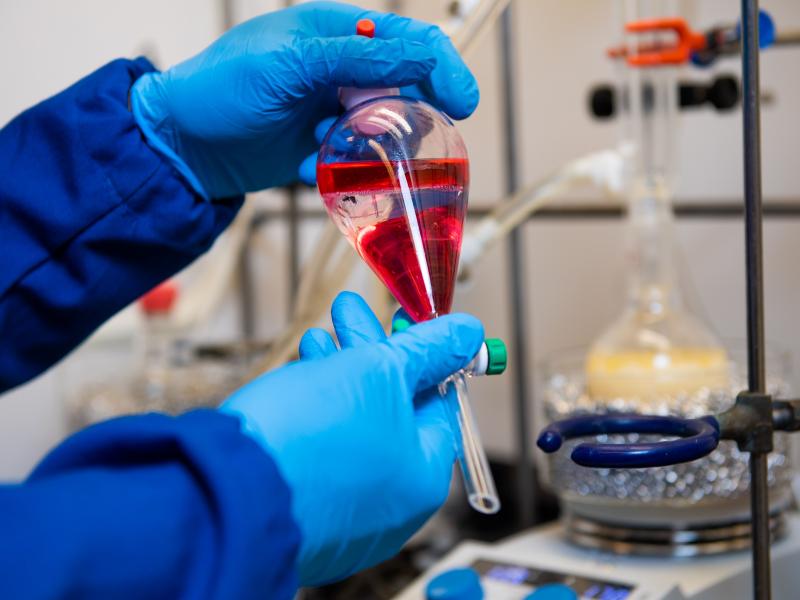
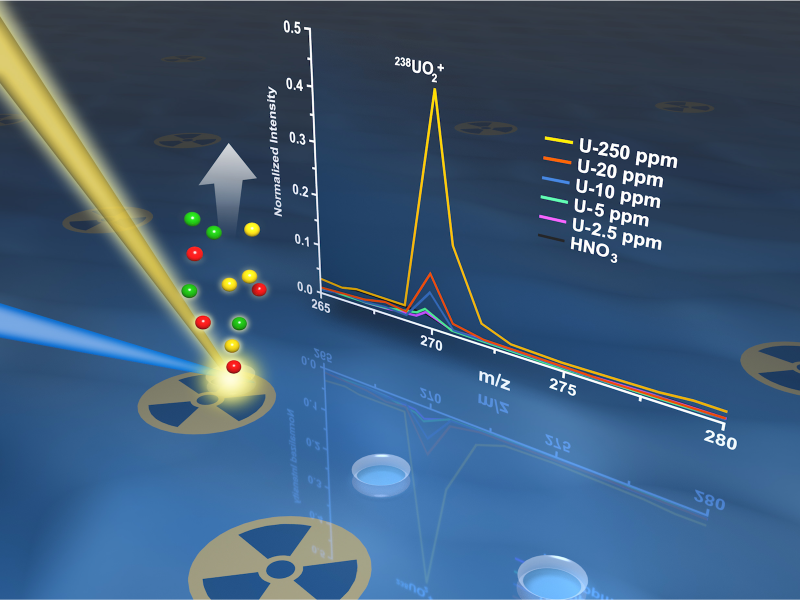
Two PNNL interns are behind recent innovation in real-time testing and continuous monitoring for pH and the concentration of chemicals of interest in chemical solutions; outcomes have applicability not only to nuclear, but to industries.
Chemist April Carman was recognized for her career accomplishments with the Professional Achievement Award from the University of Nevada, Reno, College of Science.
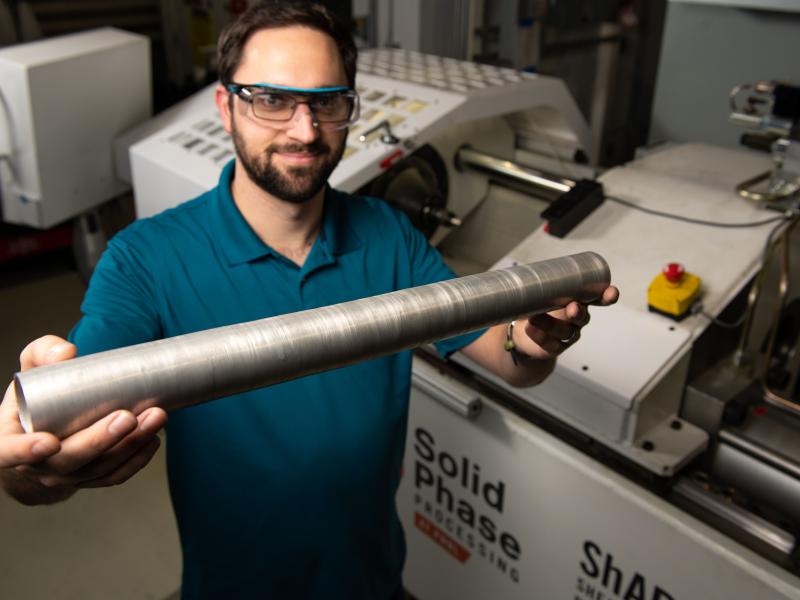
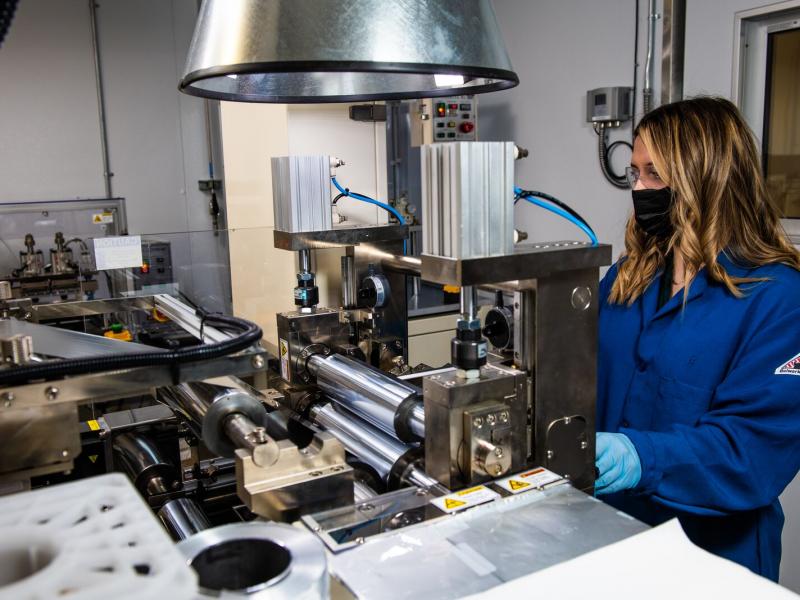
Developed at PNNL, Shear Assisted Processing and Extrusion, or ShAPE™, uses significantly less energy and can deliver components like wire, tubes and bars 10 times faster than conventional extrusion, with no sacrifice in quality.
Rey Suarez is a nuclear nonproliferation researcher who is working on equipment that can detect radionuclides emitted from a nuclear explosion as part of treaty monitoring.
An energy-efficient method to extrude metal components wins Association of Washington Business Green Manufacturing Award. PNNL’s Shear Assisted Processing and Extrusion™ technology consumes less energy and enhances material properties.
A paper by PNNL scientists on nuclear explosion monitoring technology is among top articles in nuclear instruments journal to draw most social media “buzz.”
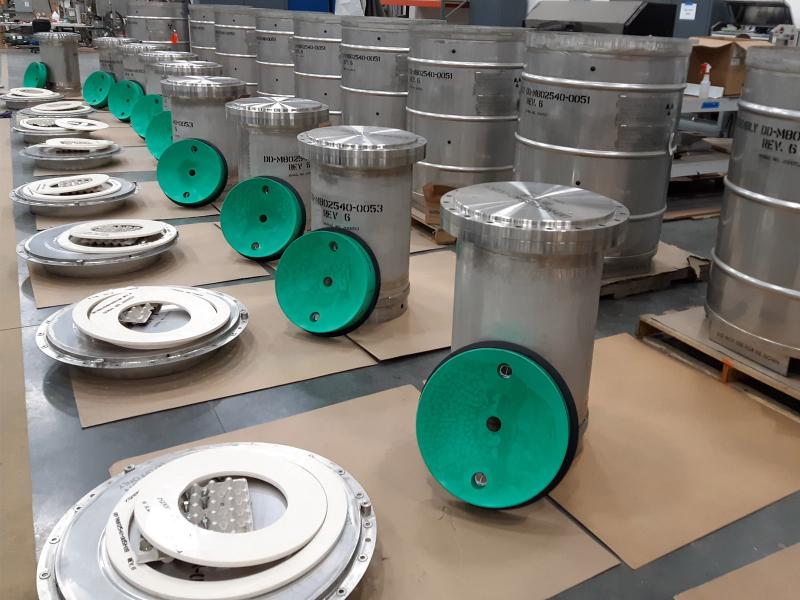
The prototype Unattended Cylinder Verification Station is ready for further testing by the International Atomic Energy Agency to help make sure countries are honoring their nuclear safeguards obligations.
Rotational Hammer Riveting, developed by PNNL, joins dissimilar materials quickly without preheating rivets. The friction-based riveting enables use of lightweight magnesium rivets and also works on aluminum and speeds manufacturing.
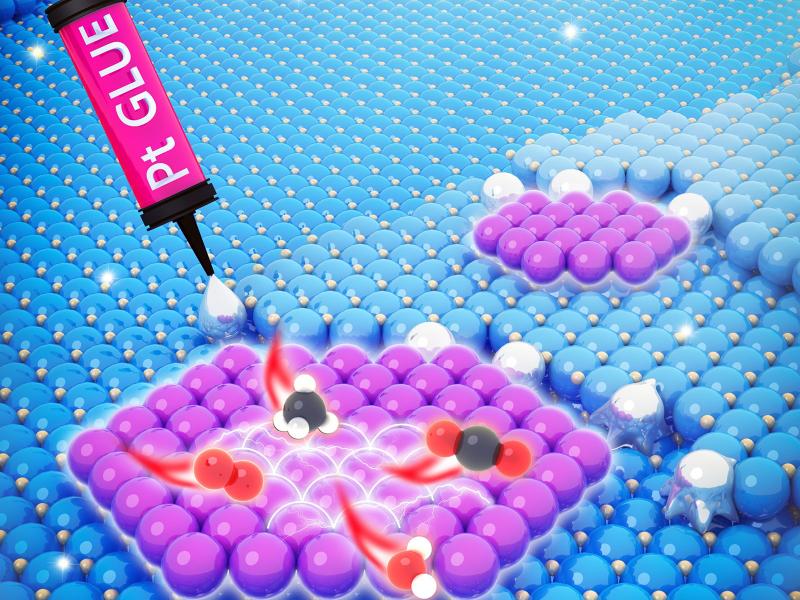
A discovery from PNNL and Washington State University could help reduce the amount of expensive material needed to treat vehicle exhaust by making the most of every precious atom.
A new report led by PNNL identifies the top 13 most promising waste- and biomass-derived diesel blendstocks for reducing greenhouse gas emissions, other pollutants, and overall system costs.
Researchers developed two solutions for air-conditioning—a novel, energy-efficient dehumidification system and a technology to detect refrigerant leaks. Both help increase energy-efficiency and reduce costs.