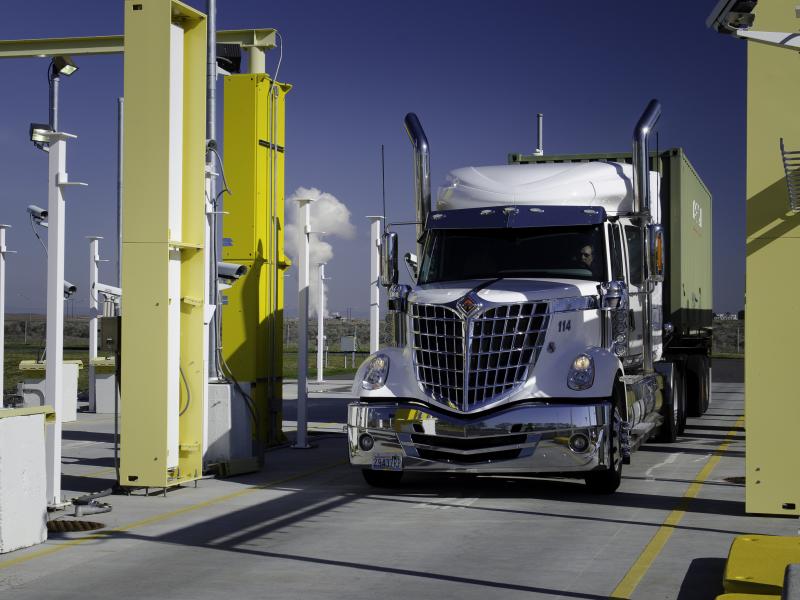
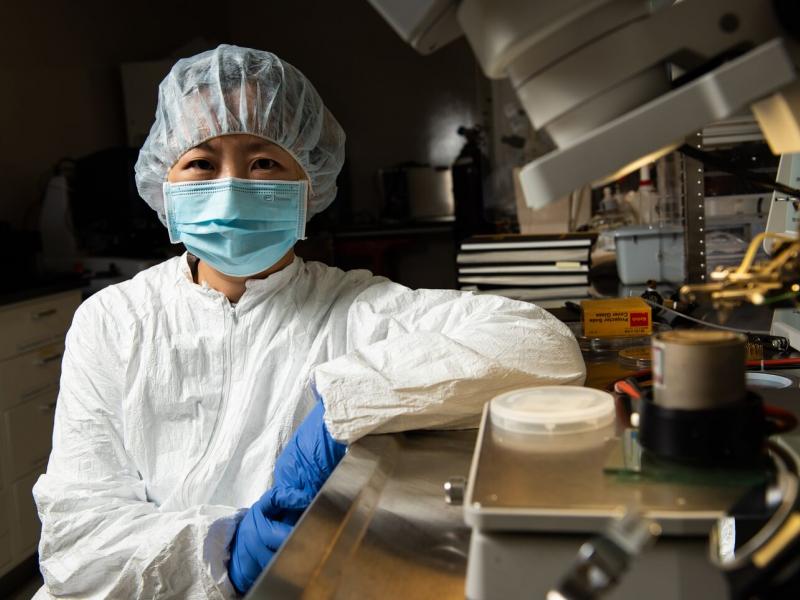
A paper by PNNL scientists on nuclear explosion monitoring technology is among top articles in nuclear instruments journal to draw most social media “buzz.”
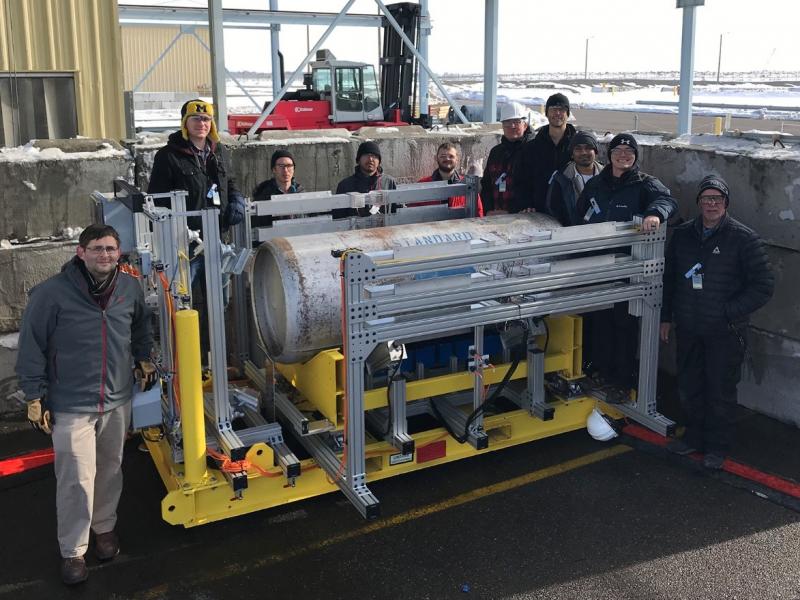
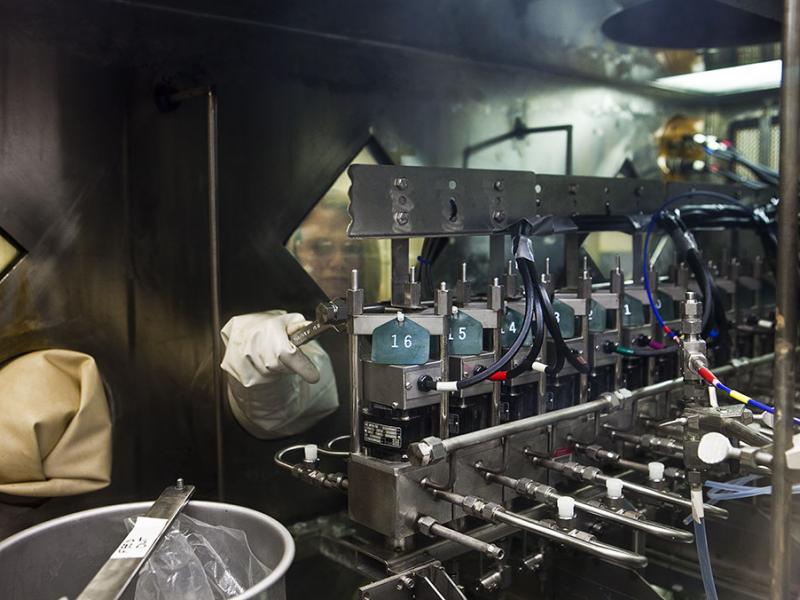
The prototype Unattended Cylinder Verification Station is ready for further testing by the International Atomic Energy Agency to help make sure countries are honoring their nuclear safeguards obligations.
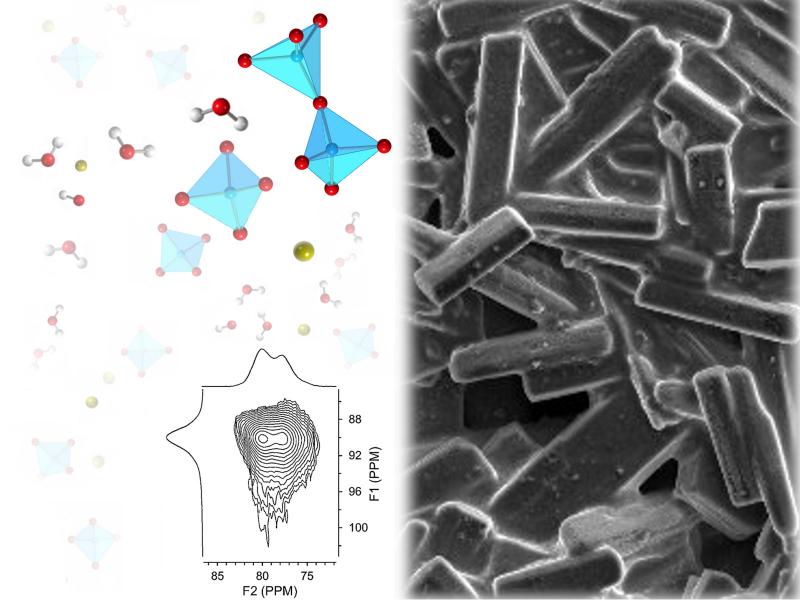
IDREAM study characterizes chemical species and mechanisms that control aluminum salt and mineral crystallization for nuclear waste retrieval, processing.
The Washington State Academy of Sciences consists of more than 300 elected members who are nationally recognized for their scientific and technical expertise.
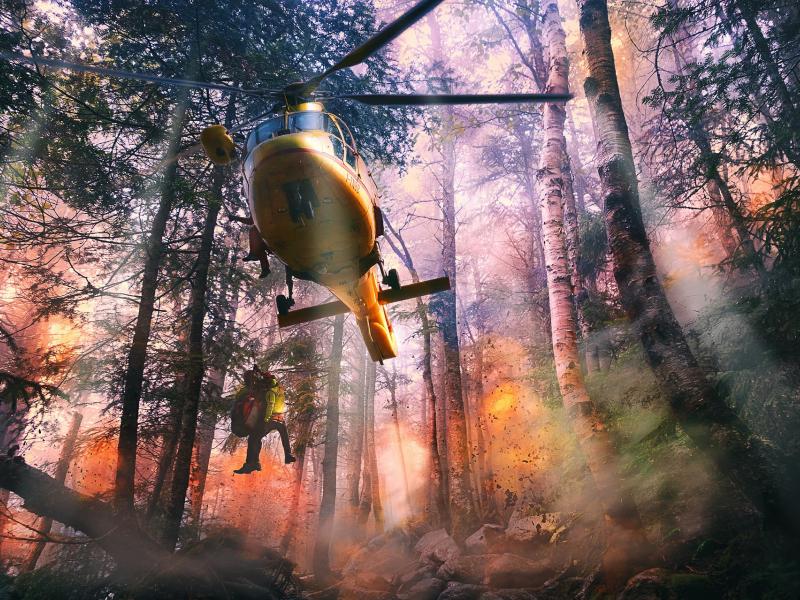
PNNL combines AI and cloud computing with damage assessment tool to predict path of wildfires and quickly evaluate the impact of natural disasters, giving first responders an upper hand.
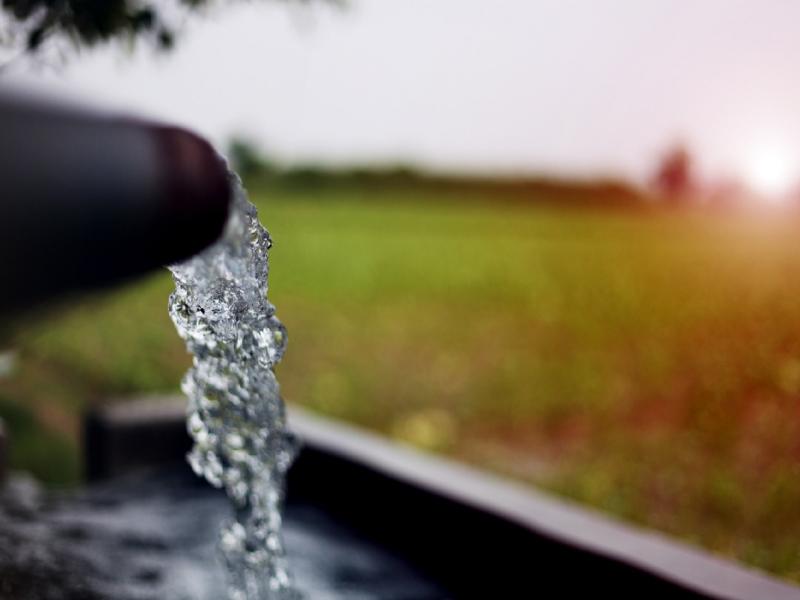
PNNL provided ultra-low measurements of argon-39 to date groundwater as part of a collaborative study of the aquifer in California’s San Joaquin Valley. PNNL is one of only a few laboratories worldwide with this capability.
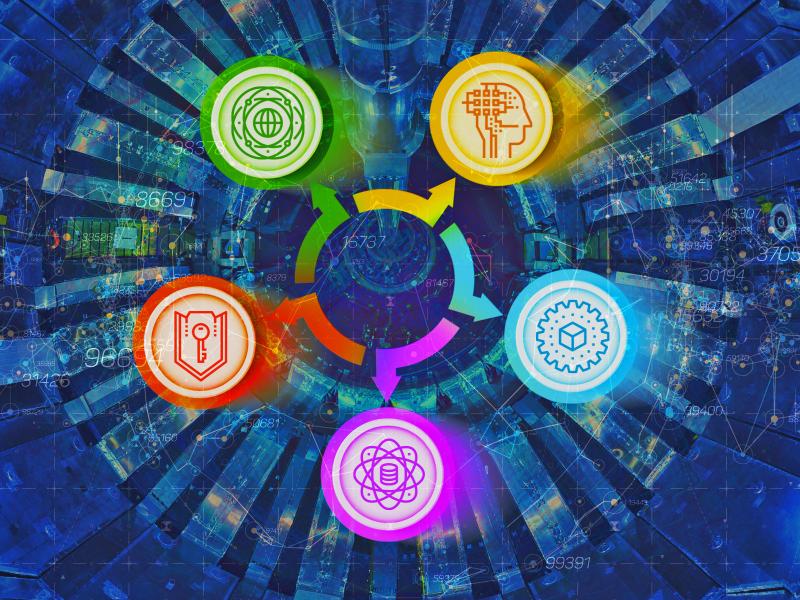
National Nuclear Security Administration Graduate Fellow Marc Wonders has spent the past year working with researchers exploring artificial intelligence in the national security mission space.
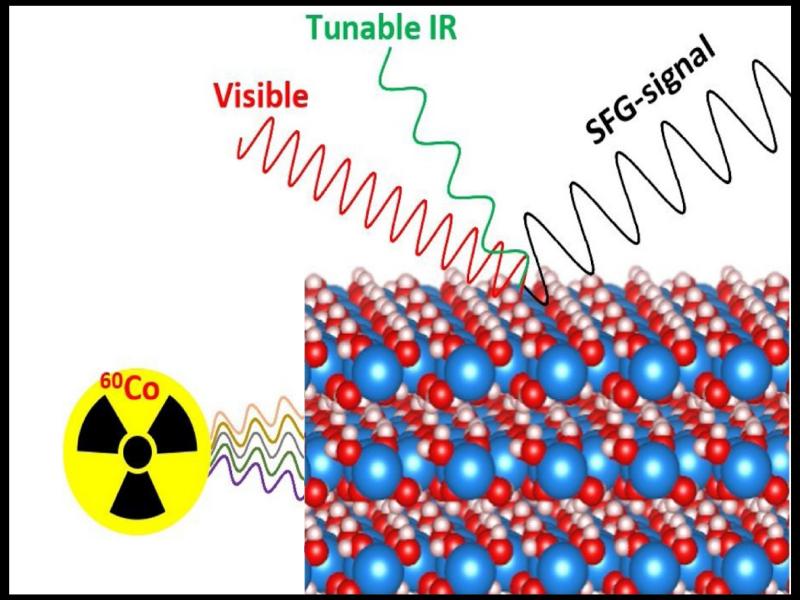
Researchers gained insight into the interfacial radiation chemistry of radioactive waste sludge through studies of surface functional groups on model aluminum-containing solids