PNNL’s Fred Morris was awarded the National Nuclear Security Administration Administrator Lifetime Achievement and Distinguished Service Silver awards.
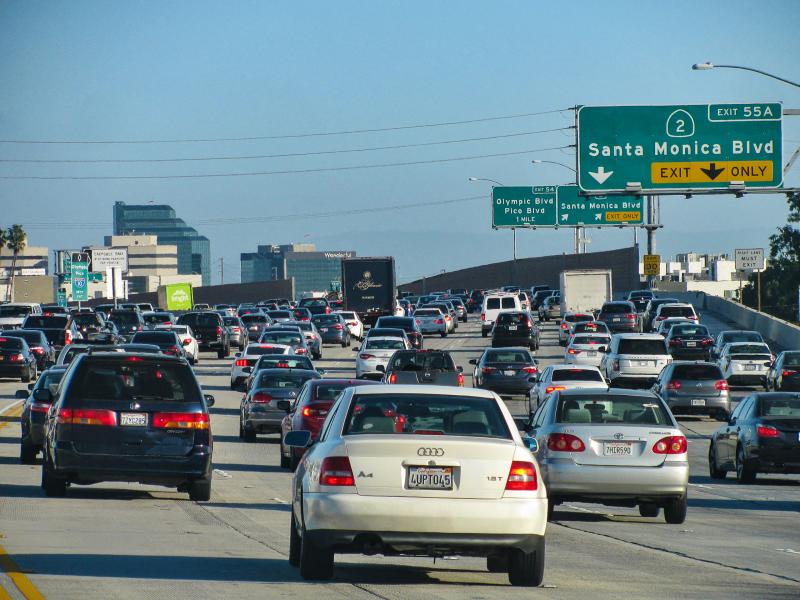
Using public data from the entire 1,500-square-mile Los Angeles metropolitan area, PNNL researchers reduced the time needed to create a traffic congestion model by an order of magnitude, from hours to minutes.
Rey Suarez was the keynote speaker at the Preparatory Commission of the Comprehensive Nuclear-Test-Ban Treaty Organization’s Specialized Technical Meeting on Preventive and Predicative Maintenance of the International Monitoring System.
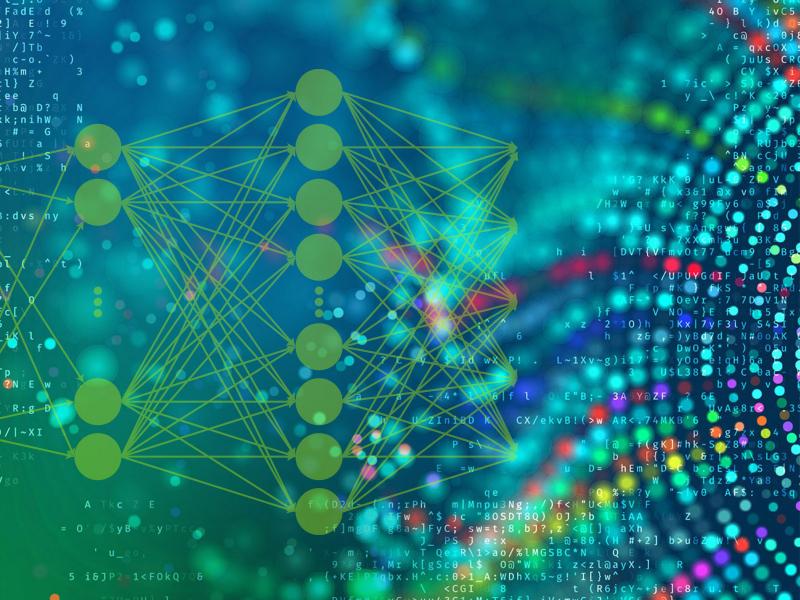
PNNL researchers have shown an improved binarized neural network can deliver a low-cost and low-energy computation to help the performance of smart devices and the power grid.
Pacific Northwest National Laboratory Global Security Technology and Policy group manager, Sarah Frazar, was named to the Board of Trustees for the World Affairs Council of Seattle.
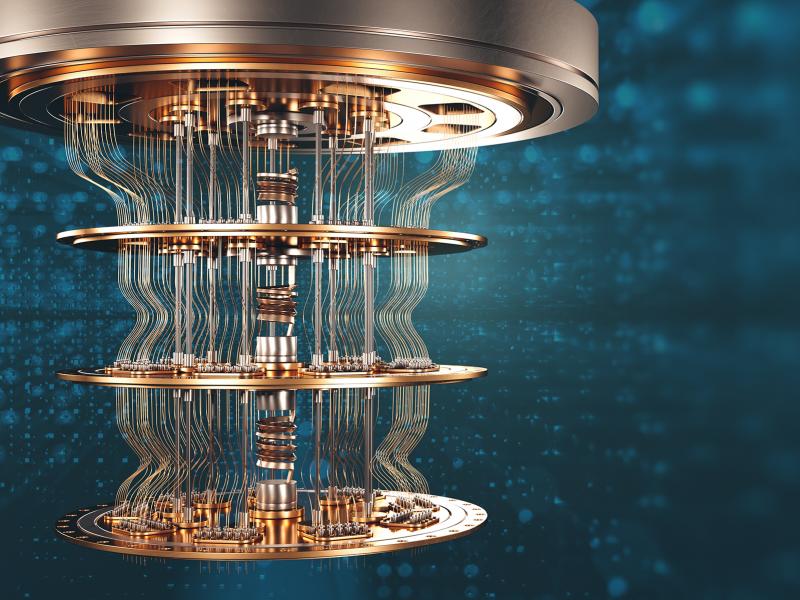
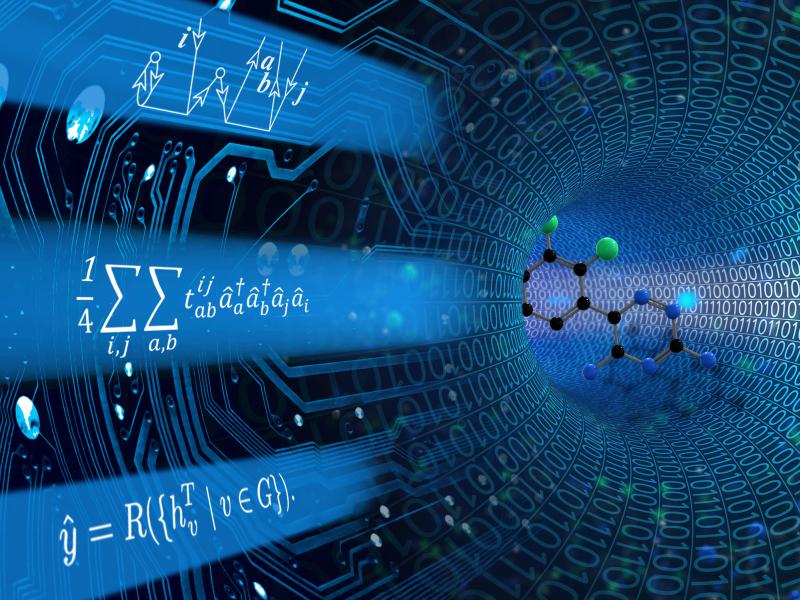
Pacific Northwest National Laboratory researchers developed a graphical processing unit (GPU)-centered quantum computer simulator that can be 10 times faster than any other quantum computer simulator.
PNNL’s new Smart Power Grid Simulator, or Smart-PGSim, combines high-performance computing and artificial intelligence to optimize power grid simulations without sacrificing accuracy.
The MIT-sponsored competition encourages community approaches to developing new solutions for analyzing graphs and sparse data; PNNL has placed a winner in each year.
Brian Milbrath, a physicist in PNNL’s National Security Directorate, was named a senior member of the Institute of Electrical and Electronics Engineers (IEEE).
In a new video series this fall, PNNL is highlighting six scientific and technical experts in the national security domain. Each was promoted to Scientist and Engineer Level 5, one of PNNL’s most senior research roles.
Tracking down nefarious users is just one example of work at PNNL’s Center for Advanced Technology Evaluation, a computing proving ground supported by DOE’s Advanced Scientific Computing Research program.
In recognition of Nuclear Science Week on Oct. 19-23, Pacific Northwest National Laboratory reflects on more than half a century of advancing nuclear science for the nation’s energy, environment, and security frontiers.
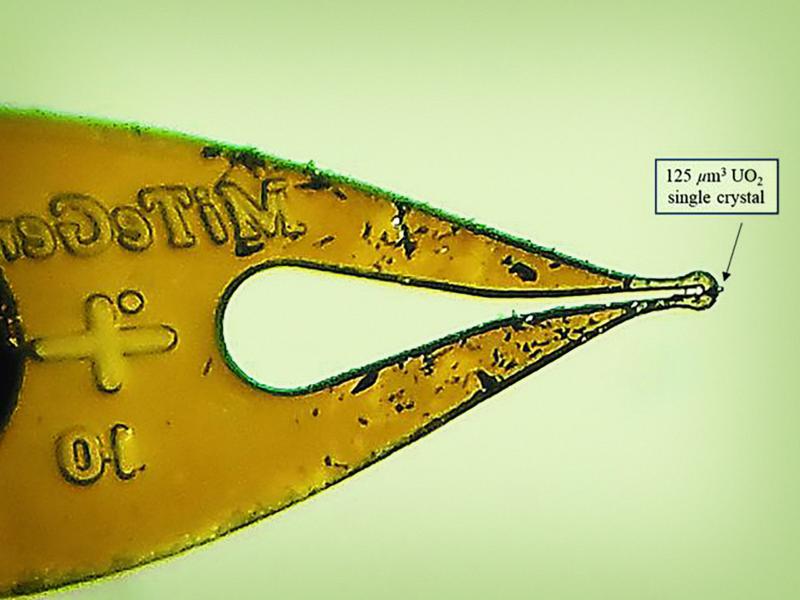
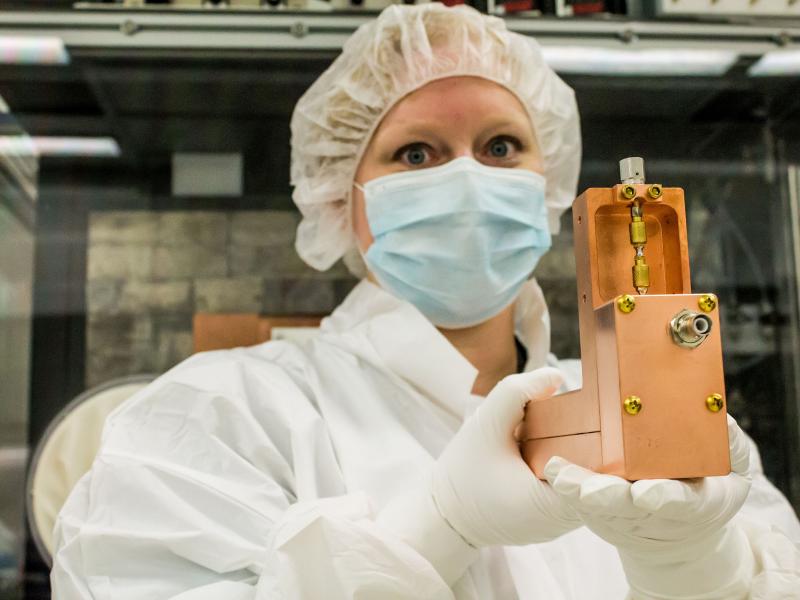
PNNL’s expertise is the foundation for monitoring technology that identifies trace amounts of radioactive materials and determines whether they are indicative of a nuclear explosion.
Pacific Northwest National Laboratory researchers used machine learning to explore the largest water clusters database, identifying—with the most accurate neural network—important information about this life-essential molecule.
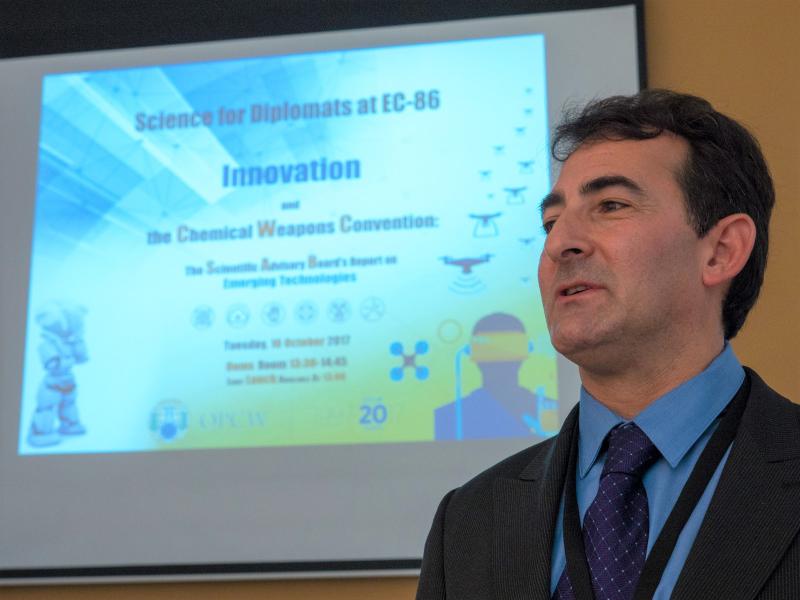
Jonathan Forman, science and technology advisor at Pacific Northwest National Laboratory, was announced as the winner of the Hall of Fame award in the innovator category by the Organisation for the Prohibition of Chemical Weapons.
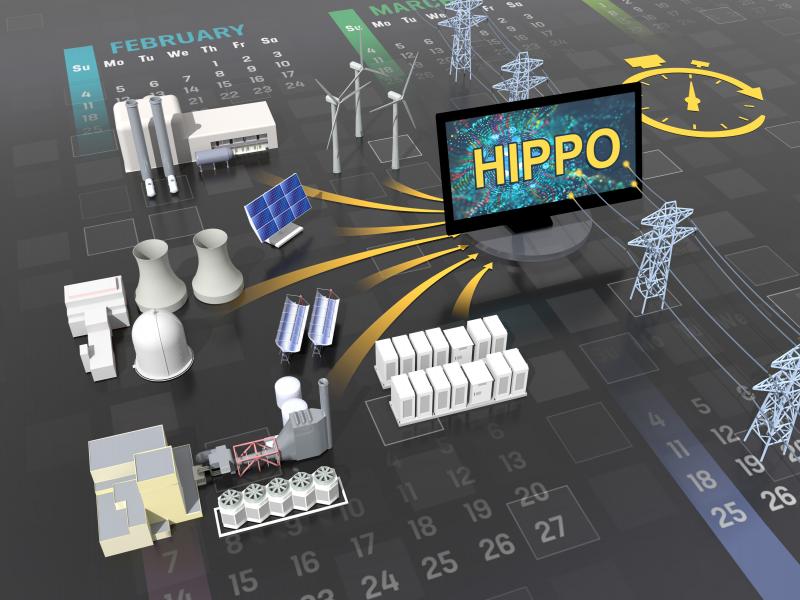
Making sure there’s enough electricity at the lowest price is a critical endeavor undertaken daily by electricity market operators. Now, there’s an approach that provides more timely and accurate information to make day-ahead decisions.