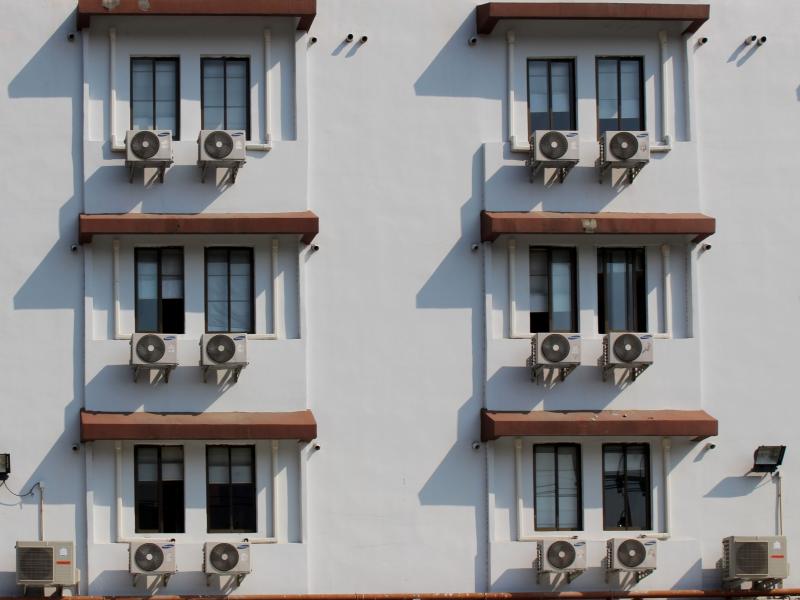
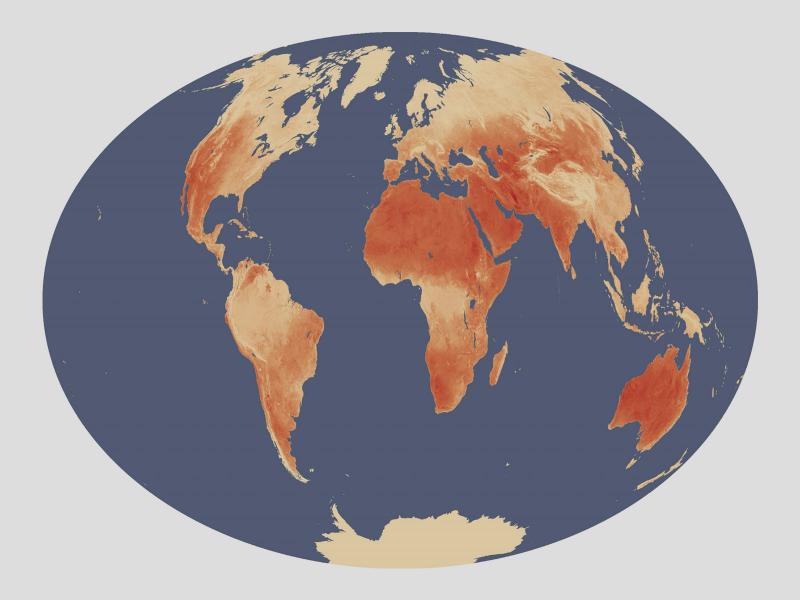
A new study projects that electricity demand tied to cooling U.S. buildings will grow as peak temperatures rise, and so too would the need for an expanded power sector.
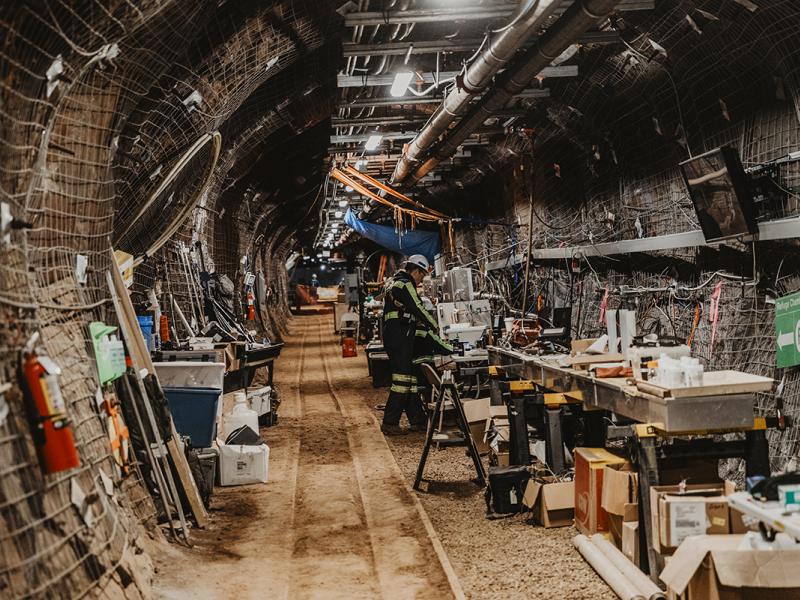
A team of researchers from 10 national laboratories and eight universities is conducting hydraulic shearing tests to explore the potential for geothermal energy at the Sanford Underground Research Facility (SURF).
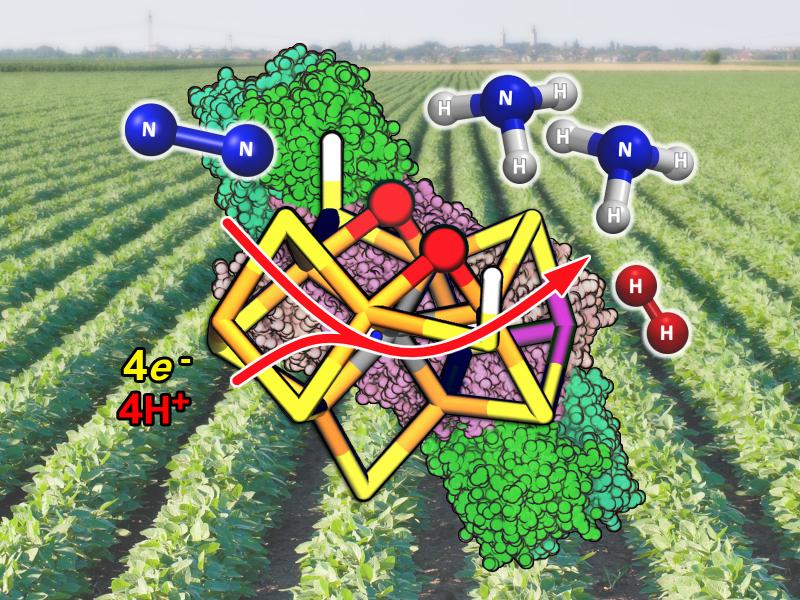
Understanding lipid composition of ant fungal gardens provides new knowledge on interkingdom communications band and also advances toward the development of microbial systems that can produce valuable compounds from plant biomass.
Wendy Shaw, director of the Physical Sciences Division at PNNL, was selected to guest edit a special issue on (photo)electrocatalysis featured in January 2021 edition of the scientific journal ChemComm.
Calculating the multi-region and multisector effects of water scarcity for thousands of possible future socioeconomic, climate, and hydrologic scenarios.
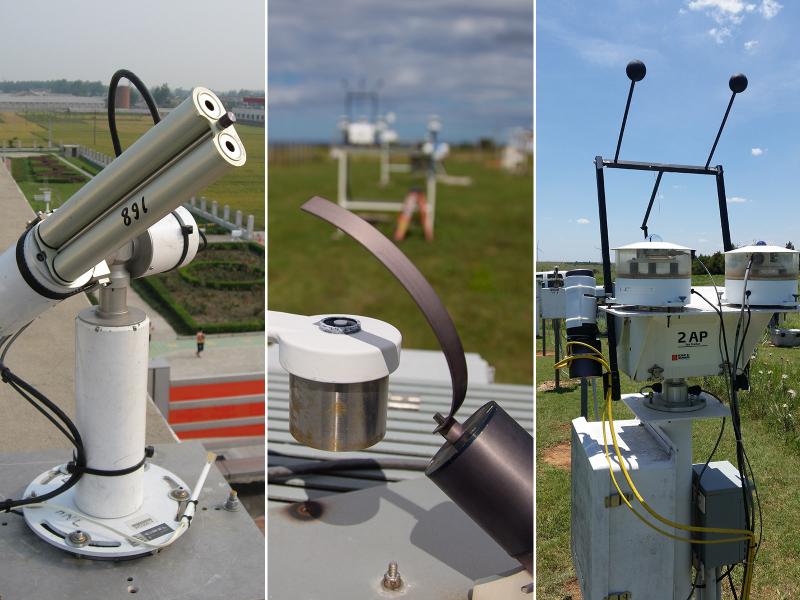
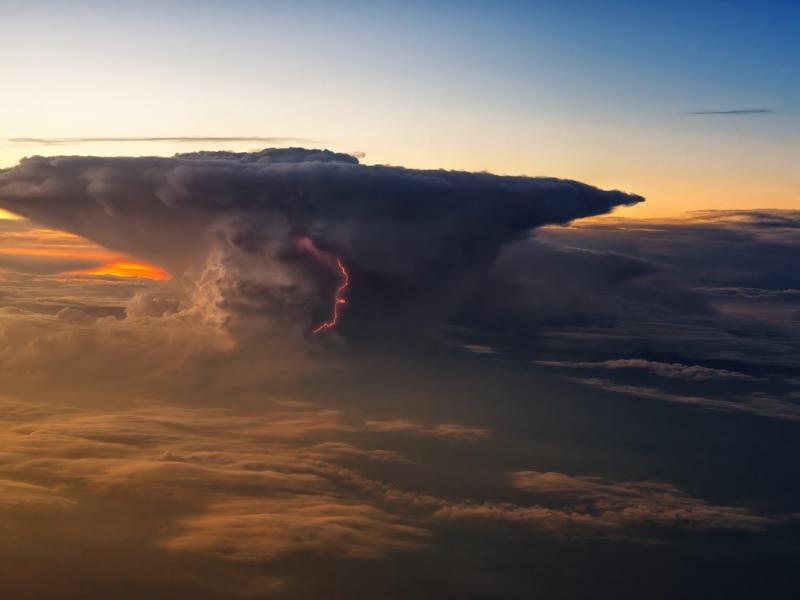
Using a physically-advanced modeling scheme shows that anthropogenic aerosols significantly enhance the convective intensity and precipitation of storms
Battelle Fellow Ruby Leung has been featured by the U.S. Department of Energy as an inspiring climate modeler in an article celebrating Women's History Month.
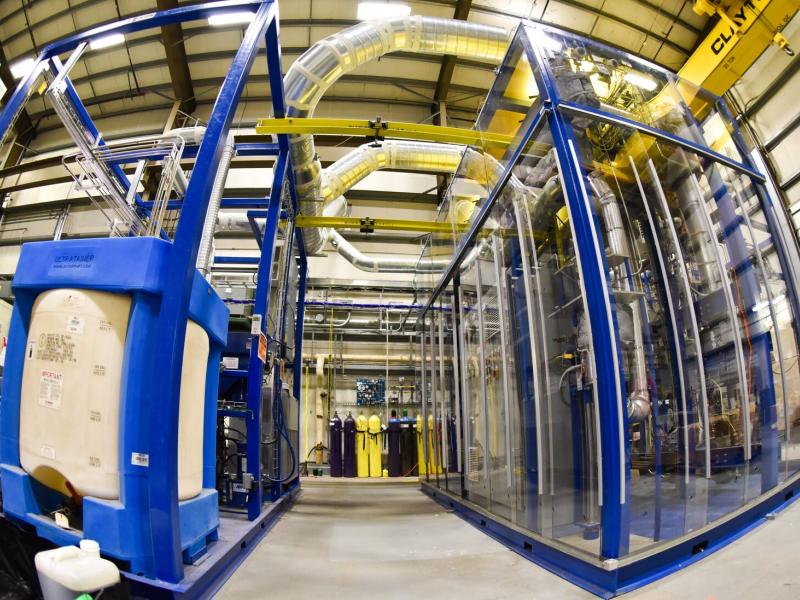
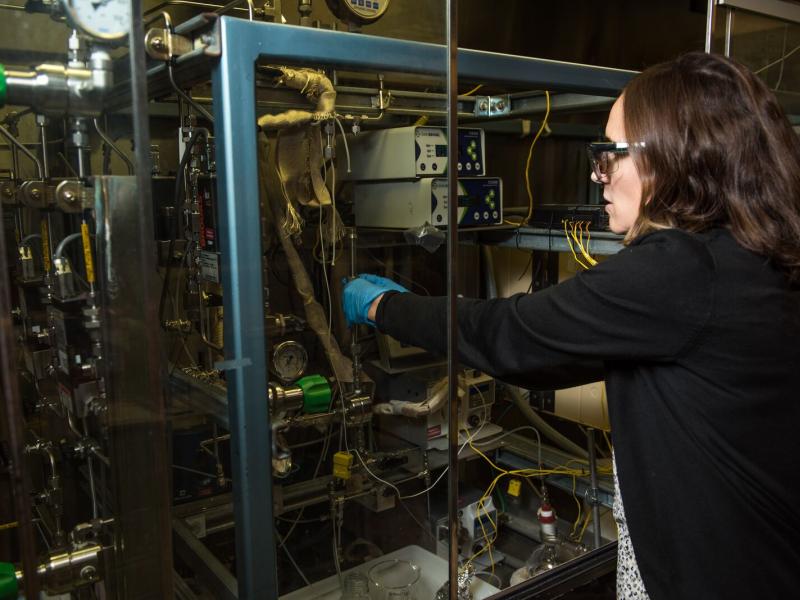
A demonstration converting biocrude to renewable diesel fuel has passed a significant test, operating for more than 2,000 hours continuously without losing effectiveness.
The U.S. Department of Energy has awarded funding to PNNL for the design and construction of a hybrid research vessel and an underwater testbed to be located at PNNL-Sequim.
PNNL teamed with academia and industry to develop a novel zero-emission methane pyrolysis process that produces both hydrogen and high-value carbon solids suitable for an array of manufacturing applications.