Next generation triple-pane windows provide builders with lower cost options and help homeowners conserve energy, reduce noise, and lower home energy bills.
PNNL will provide technical resources and support to a national coalition of states and cities focused on implementing building performance standards to improve energy efficiency and reduce carbon emissions.
From water purification, to better batteries and tools to foil a cyberattack—a look back at how PNNL helped to invent a brighter and better future over the last year.
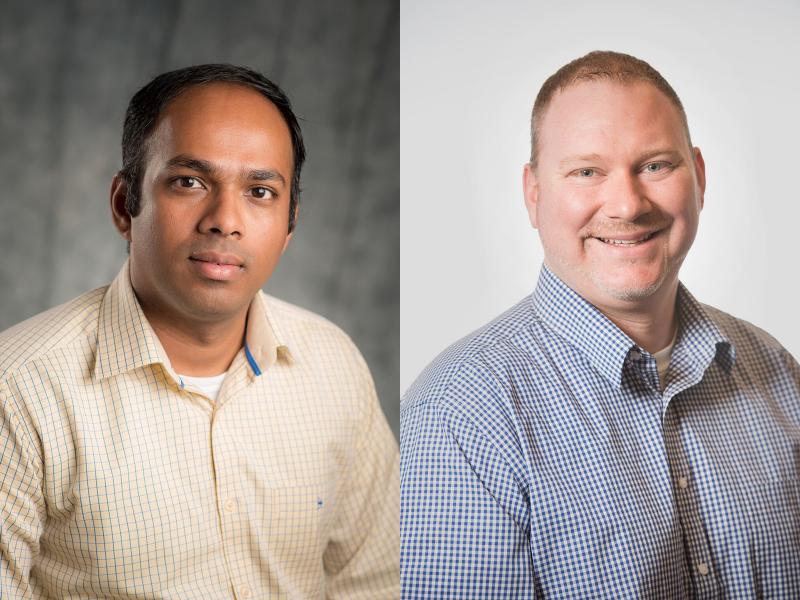
Electrical engineer Aditya Ashok and cybersecurity researcher Thomas Edgar win best paper award for their work to create a new high-fidelity dataset that will help advance cybersecurity solutions for critical infrastructure protection.
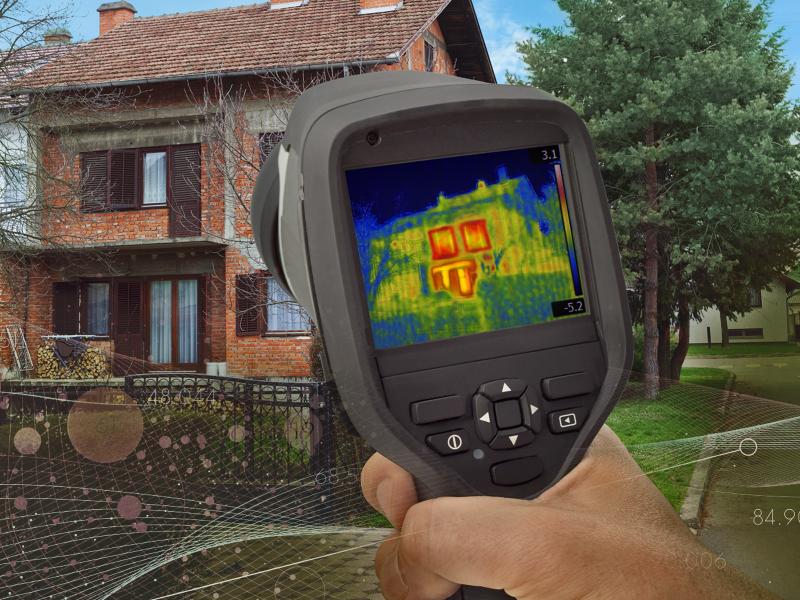
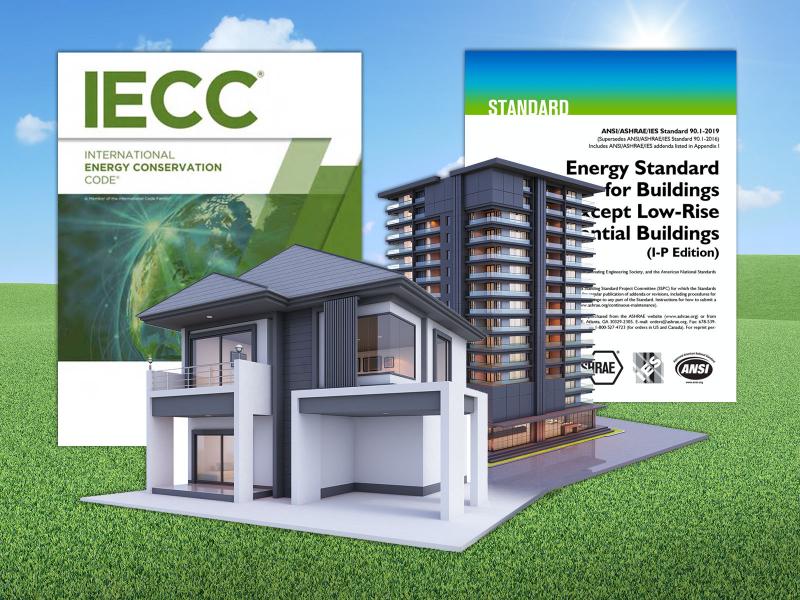
New building energy codes could reduce utility bills by $138 billion and prevent 900 million metric tons of CO2 emissions coming from buildings. Now, they will be easier to adopt.
PNNL has received 119 R&D 100 Awards since 1969, when the laboratory began submitting entries in the contest that recognizes top 100 inventions each year.
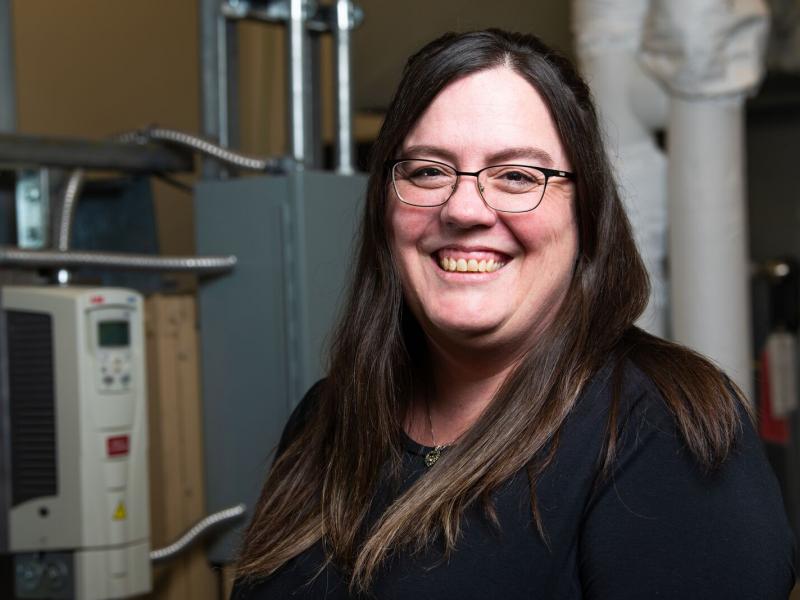
PNNL cybersecurity engineer Penny McKenzie was selected from hundreds of national laboratory mentors to join Secretary of Energy Jennifer Granholm on multi-laboratory DOE internship panel for summer interns.
PNNL recently worked with Purdue University to host a Cybersecurity Summit for PNNL researchers to find out more about the research at Purdue’s Center for Education and Research in Information Assurance and Security.
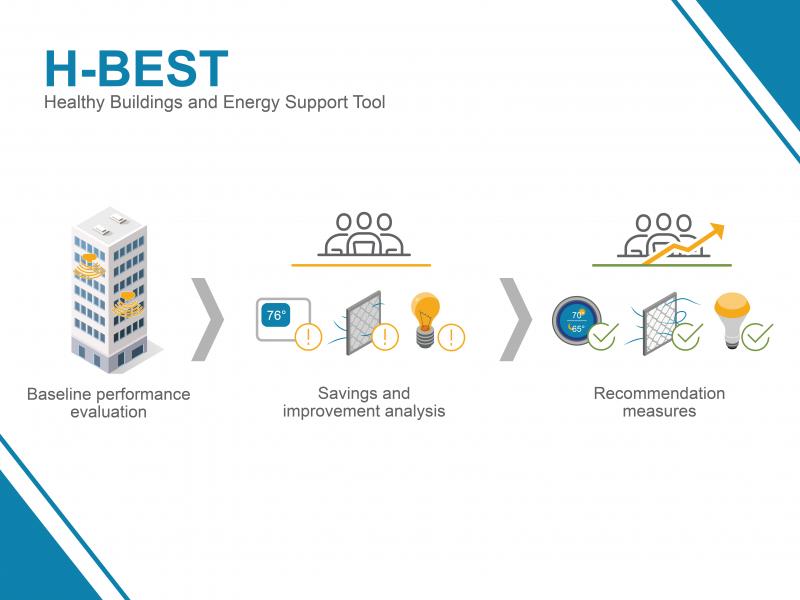
The first customized resource of its kind, H-BEST analyzes the indoor environmental quality profile for buildings and helps its users identify the costs and benefits of improvements.
Svitlana Volkova, chief scientist for decision intelligence and analytics at PNNL, was invited as a panelist at the SIAM International Conference on Data Mining
PNNL’s Supriya Goel has been named by Consulting-Specifying Engineer as one of 2021’s 40 outstanding nonresidential building industry professionals age 40 or younger.