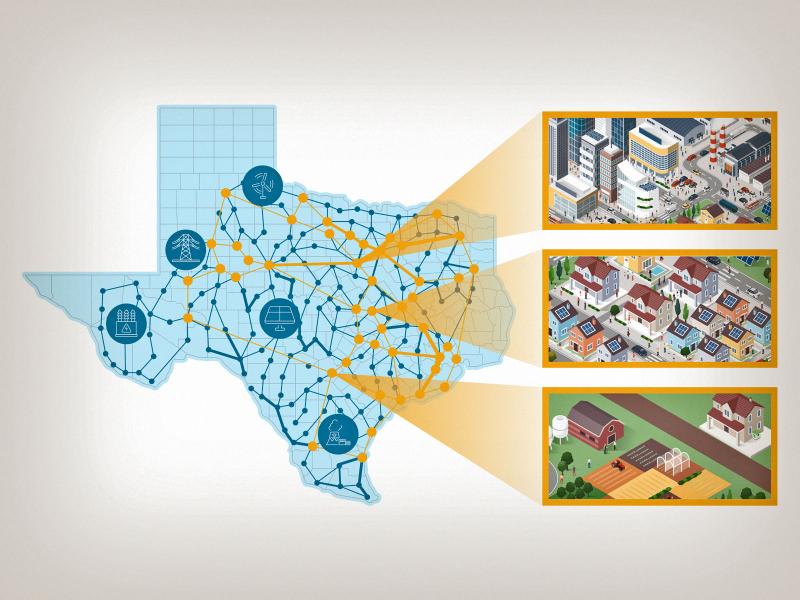
PNNL’s longstanding grid and buildings capabilities are driving two projects that test transactive energy concepts on a grand scale and lay the groundwork for a more efficient U.S. energy system.
In a new video series, PNNL is highlighting six scientific and technical experts in the national security domain throughout the fall. Each was promoted to scientist and engineer level 5 earlier this year.
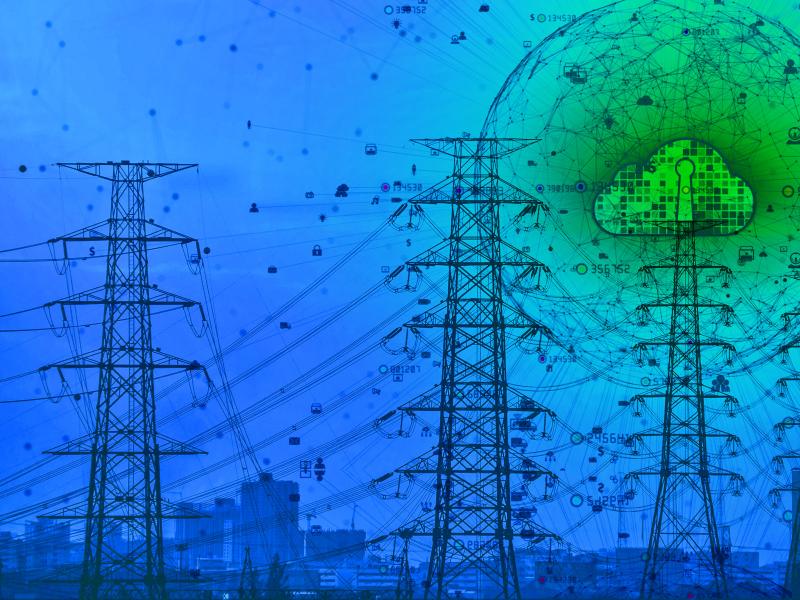
PNNL researchers developed two web-based tools to assess and mitigate cyberthreats to utilities—inside and outside their firewalls. Both are low cost and can be used by control room operators who are not cybersecurity experts.
PNNL researchers established an Internet of Things Common Operating Environment (IoTCOE) laboratory to explore the risks associated with IoT connectivity to the internet, the energy grid and other critical infrastructures.
The Facility Cybersecurity toolkit, developed by PNNL, is designed for federal facilities to help implement the presidential executive order on cybersecurity, but it is also available for commercial facilities without charge.
A new agreement between Pacific Northwest National Laboratory and The University of Texas at El Paso will create research and internship opportunities.
PNNL building energy-efficiency expert Theresa Gilbride has been invited to participate in a new task group that will provide guidance to make homes more resistant to hurricanes and high winds.
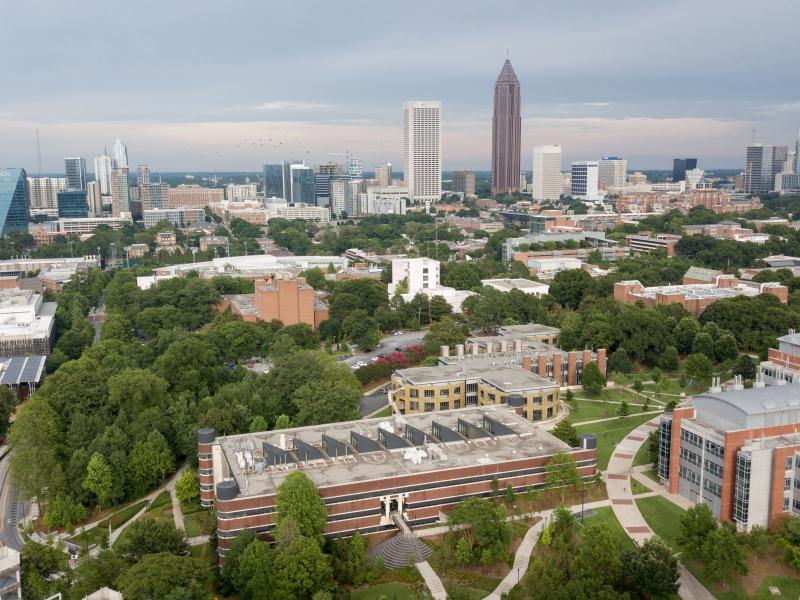
The PNNL-developed VOLTTRON™ software platform’s advancement has benefited from a community-driven approach. The technology has been used in buildings nationwide, including most recently on a university campus.
PNNL mechanical engineer Stephanie Johnson has been recognized by DOE’s Advanced Manufacturing Office for making a significant impact in energy-efficiency research.
PNNL engineer Srinivas Katipamula was recognized by the American Council for an Energy-Efficient Economy with a 2020 Champion of Energy Efficiency Award.
Contributions from researchers across Pacific Northwest National Laboratory (PNNL) were recently recognized in the preliminary findings of a Secretary of Energy Advisory Board (SEAB) report.
Four researchers from PNNL were recently honored for contributing to two U.S. Department of Energy Office of Energy Efficiency and Renewable Energy initiatives that support the blue economy and building-grid integration.
PNNL lighting experts partnered with the city of Chicago to help identify the best street lighting technology and field validation approaches to Chicago’s outdoor lighting modernization effort.
Six months into a pandemic that has claimed more than 570,000 lives worldwide, scores of PNNL scientists are engaged in dozens of projects in the fight against COVID-19.
For the past several years Sam Chatterjee, PNNL data scientist and lead editor, has worked hard to make a book about homeland security risk analysis a reality. And in June, his perseverance paid off.
To help spur economic development and assist in the battle against COVID-19, PNNL is making available its entire portfolio of patented technologies on a research trial basis—at no cost—through the end of 2020.