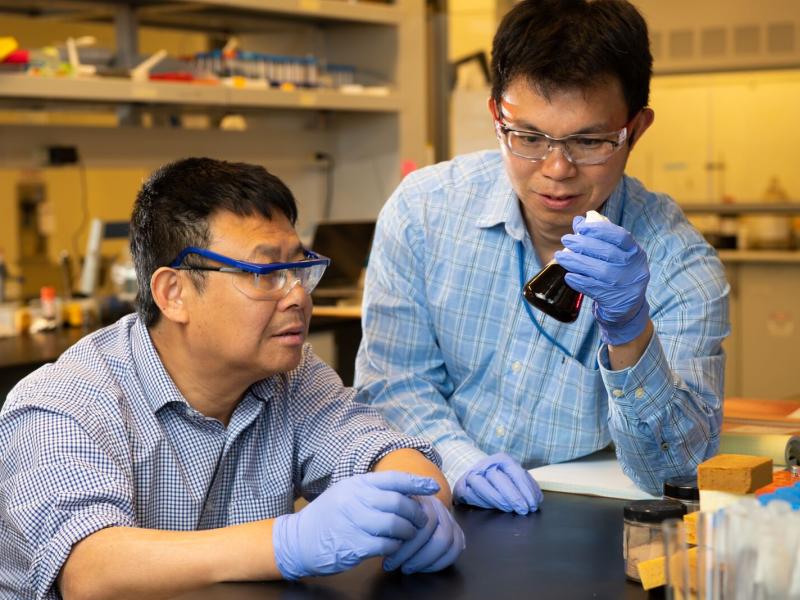
An innovative artificial enzyme has shown it can chew through woody lignin, an abundant carbon-based substance that stores tremendous potential for renewable energy and materials.
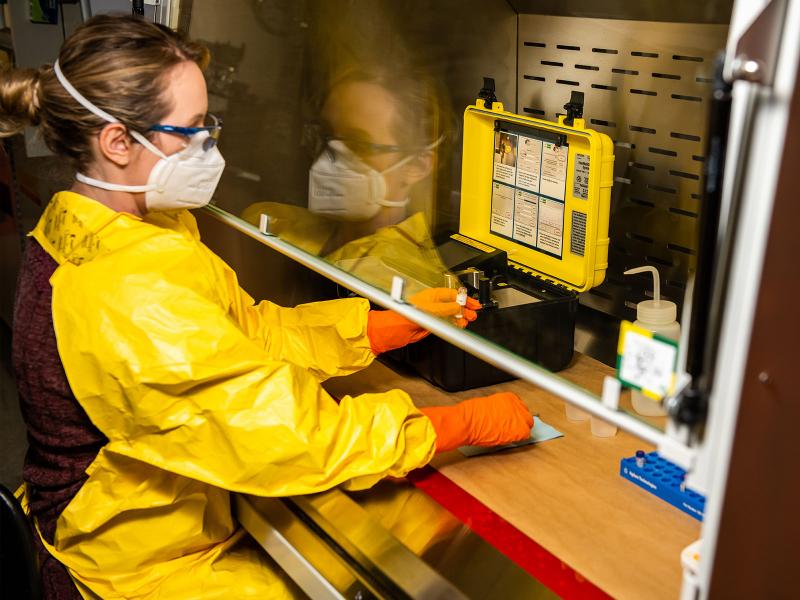
The Department of Homeland Security Science and Technology Virtual First Responder Capitol Hill Showcase highlighted PNNL work in fentanyl detection standards and database libraries.
ICON science is a Department of Energy-developed framework to enhance scientific outcomes via more intentional design of research efforts across all domains of science.
Sue Southard's one thousand dives as a PNNL staff member leave a ripple effect on efforts to keep our ocean healthy, our economy thriving, and our waters safe.
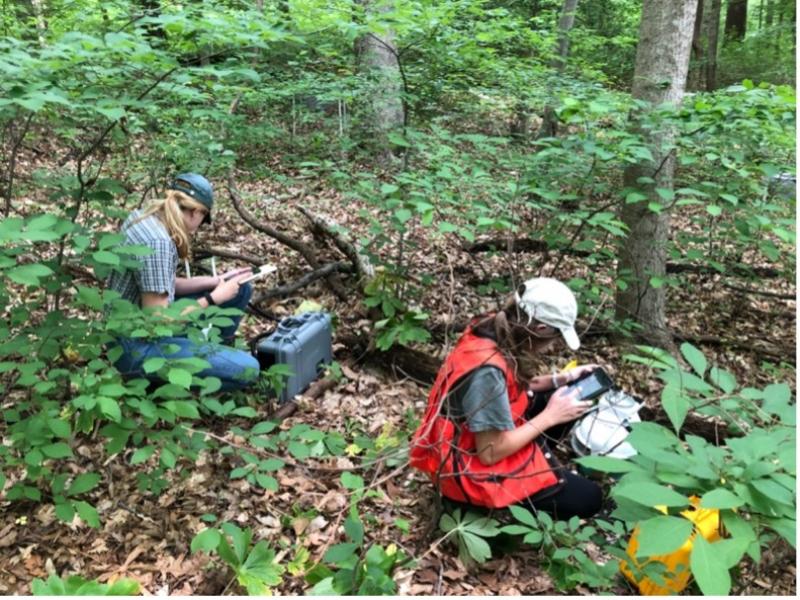
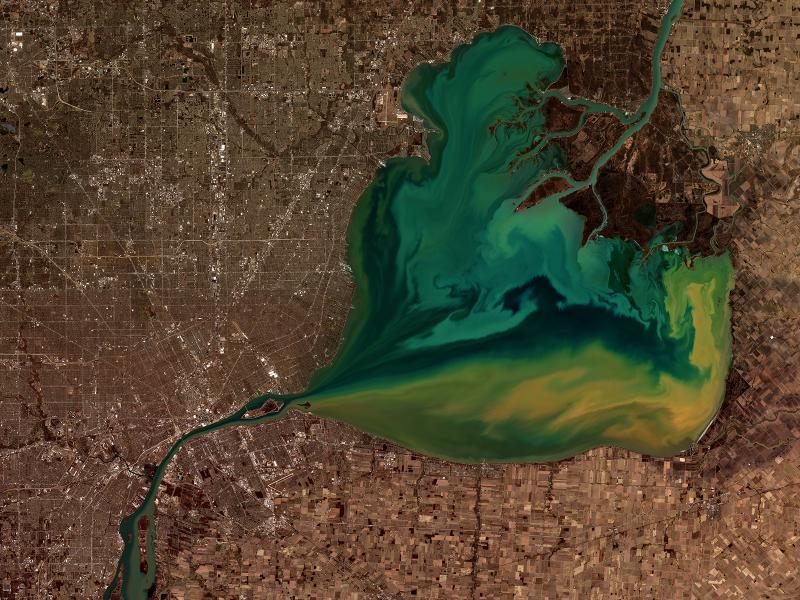
A novel ecological measurement uncovered interactions between river corridor organic matter assemblages and microbial communities, highlighting potentially important microbial taxa and molecular formula types.
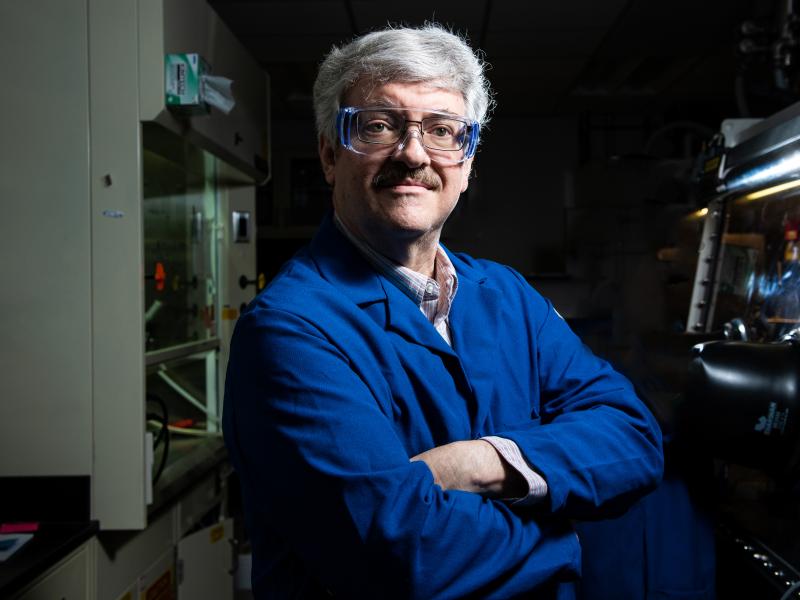
Morris Bullock has led PNNL's pursuit of the efficient conversion of electrical energy and chemical bonds through control of electron and proton transfers.
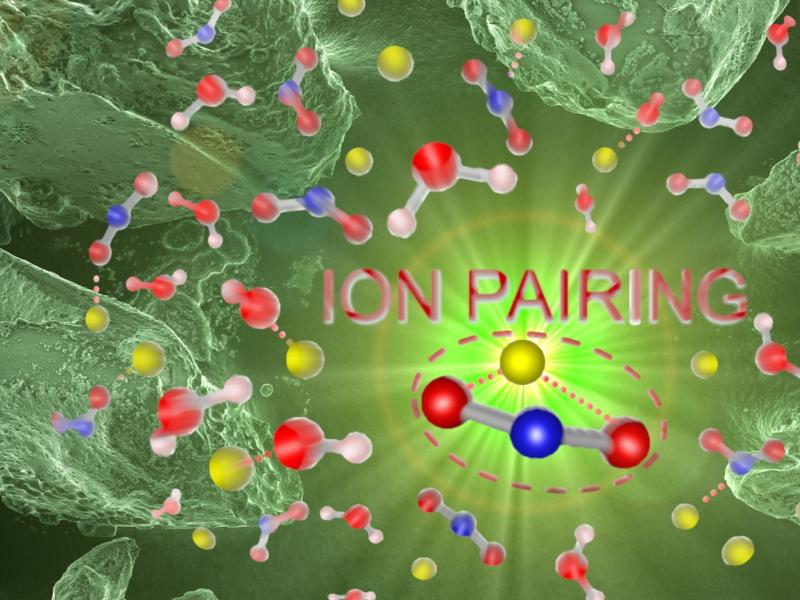
IDREAM researchers show that high concentrations of sodium hydroxide significantly impact the molecular and macroscale properties of sodium nitrite solutions.
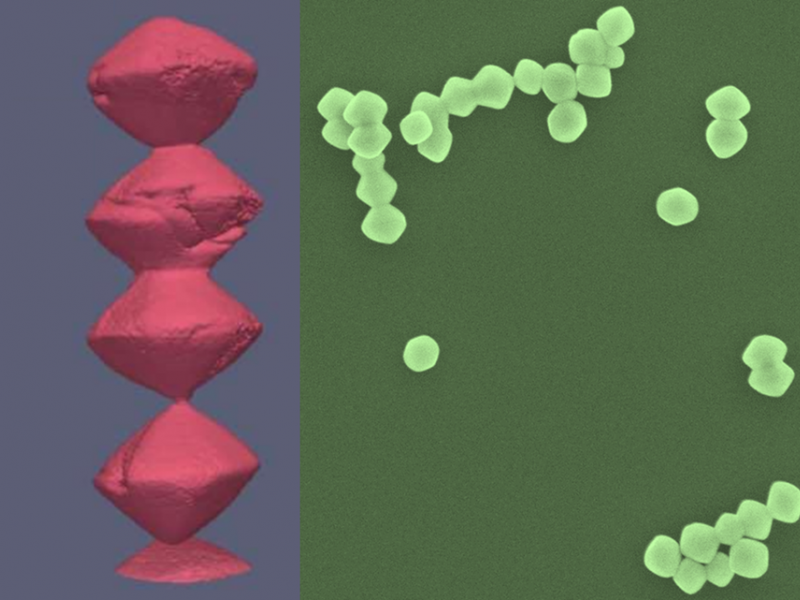
Under high temperature conditions, hematite nanocrystals change shape to expose the (001) facet and attach to form one-dimensional chains regardless of their initial structure.