The DOE Early Career Research Program supports exceptional researchers during the crucial early years of their careers and helps advance scientific discovery in fundamental sciences
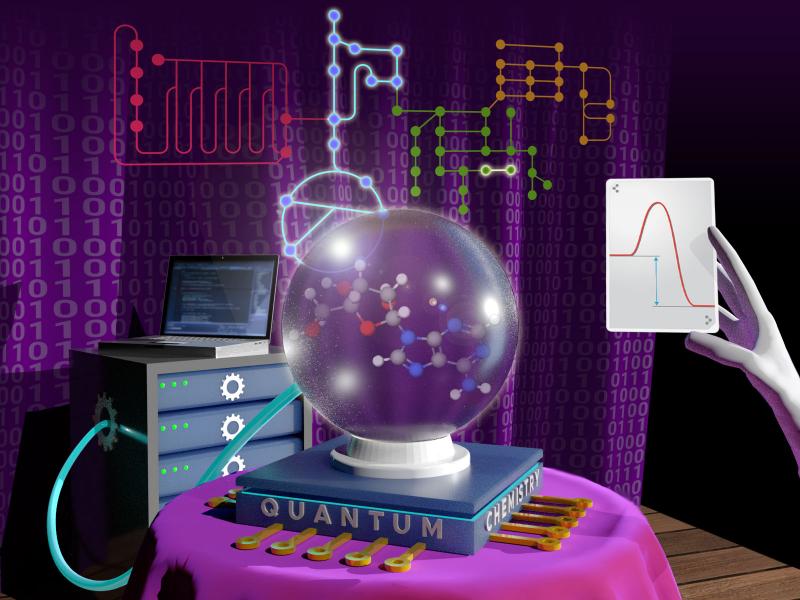
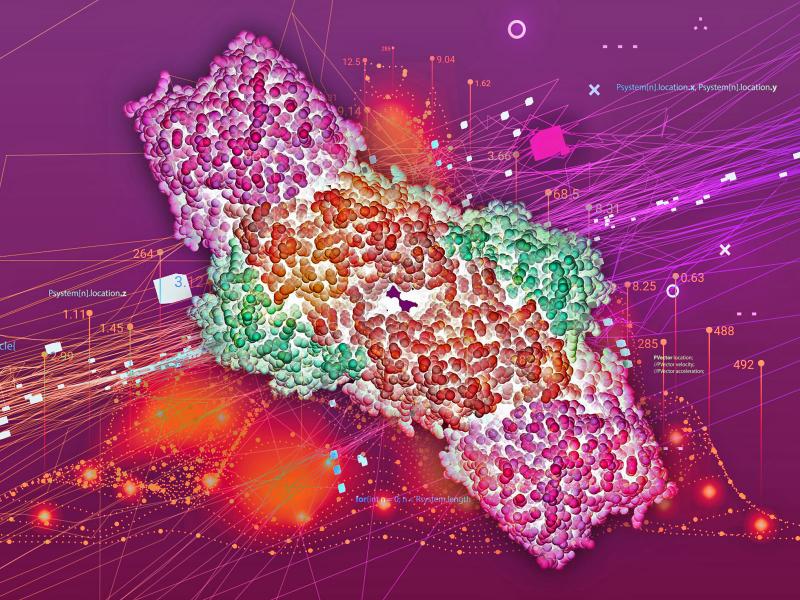
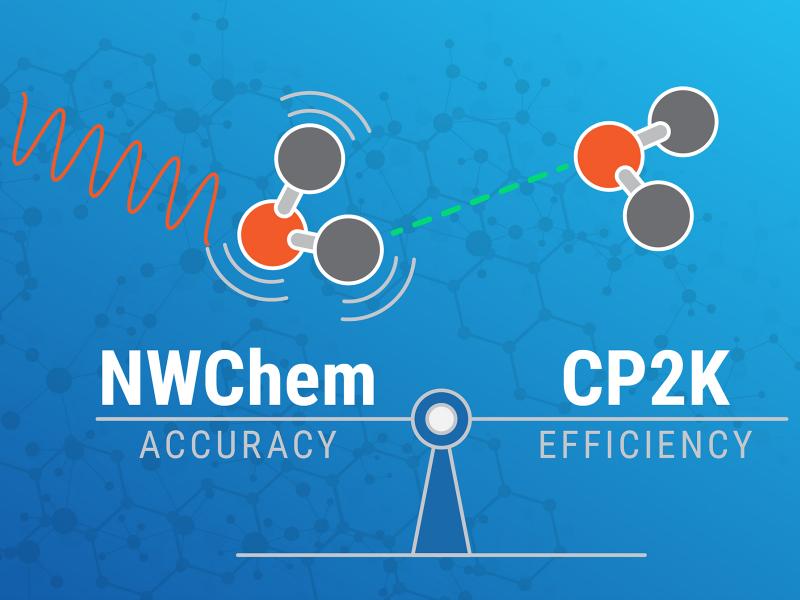
With quantum chemistry, researchers led by PNNL computational scientist Simone Raugei are discovering how enzymes such as nitrogenase serve as natural catalysts that efficiently break apart molecular bonds to control energy and matter.
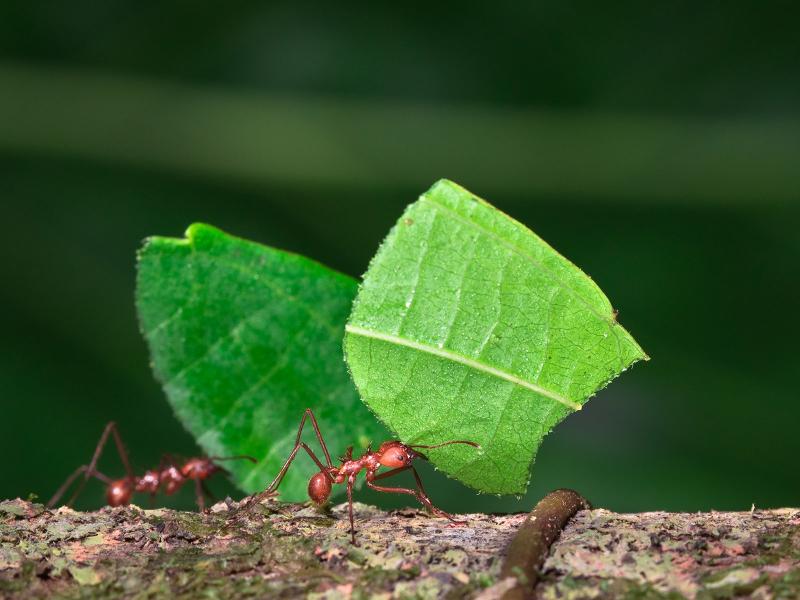
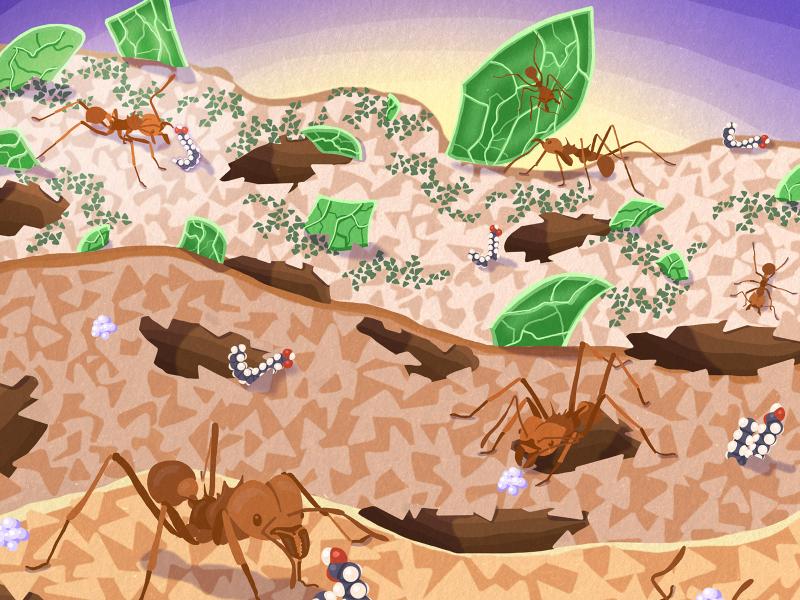
Understanding lipid composition of ant fungal gardens provides new knowledge on interkingdom communications band and also advances toward the development of microbial systems that can produce valuable compounds from plant biomass.
Night shift work disrupts the natural 24-hour rhythms in the activity of certain cancer-related genes, making workers more vulnerable to damage to their DNA.
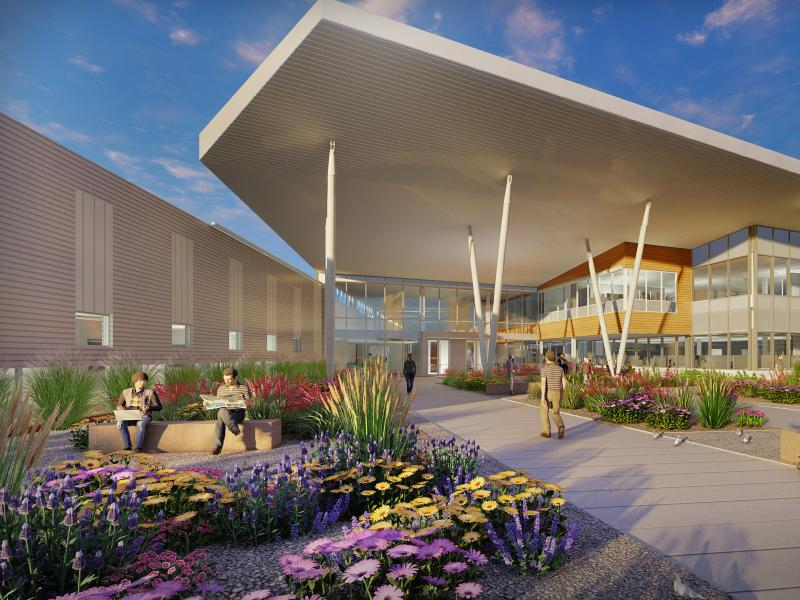
New 140,000-square-foot facility will advance fundamental chemistry and materials science for higher-performing, cost-effective catalysts and batteries, and other energy efficiency technologies.
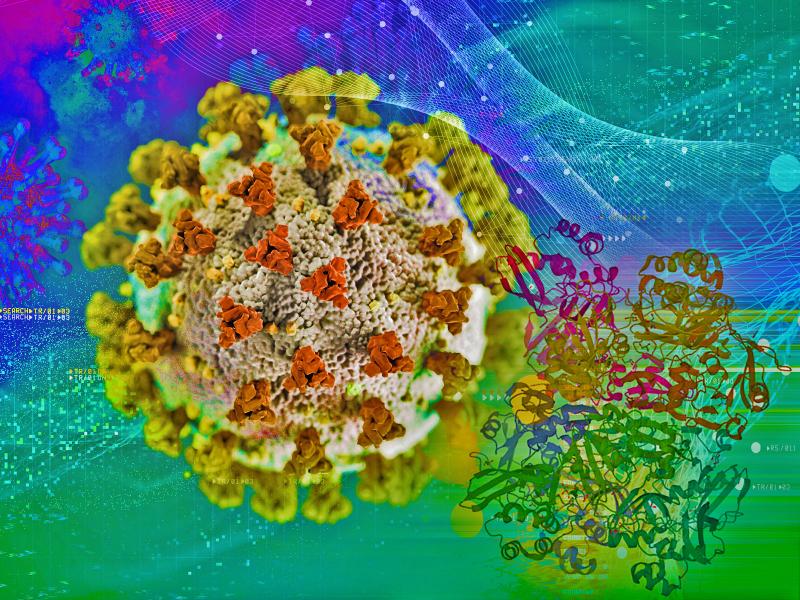
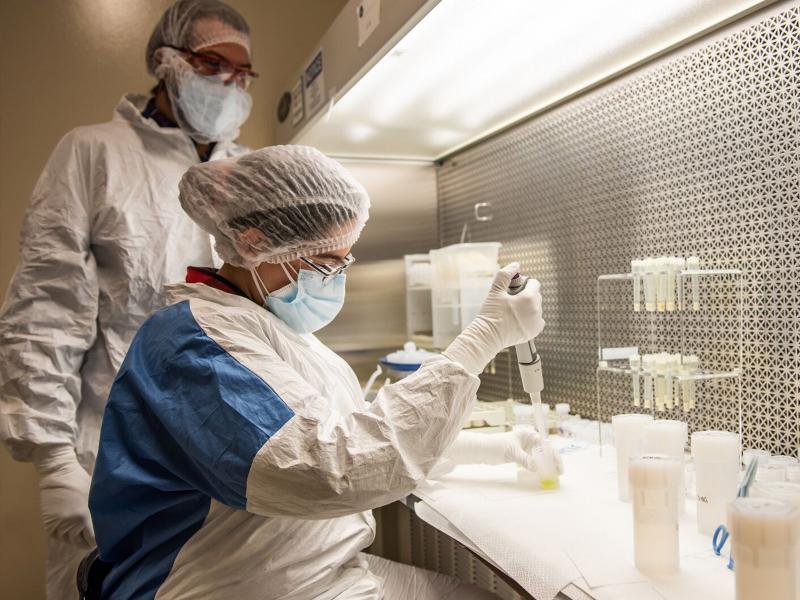
PNNL computational biologists, structural biologists, and analytical chemists are using their expertise to safely accelerate the design step of the COVID-19 drug discovery process.
Pacific Northwest National Laboratory researchers developed a graphical processing unit (GPU)-centered quantum computer simulator that can be 10 times faster than any other quantum computer simulator.
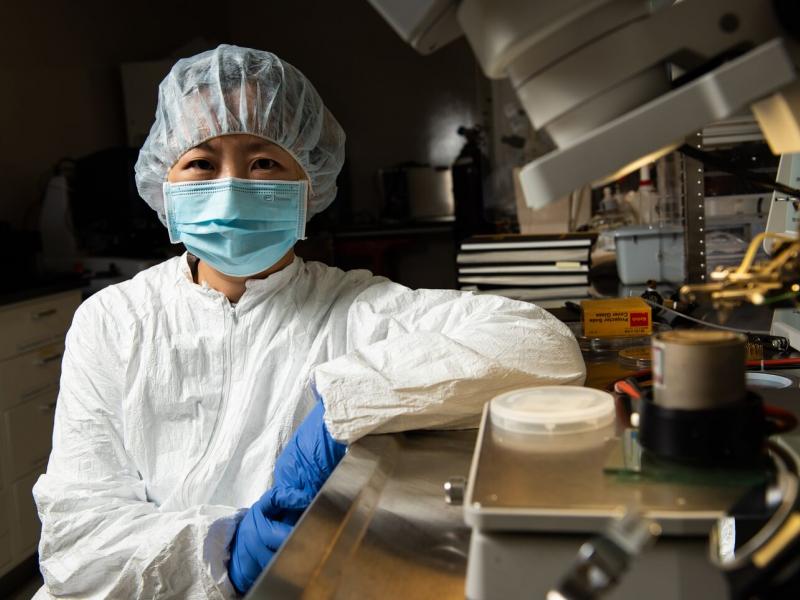
Infusing data science and artificial intelligence into electron microscopy could advance energy storage, quantum information science, and materials design.
Radiation from natural sources in the environment can limit the performance of superconducting quantum bits, known as qubits. The discovery has implications for quantum computing and for the search for dark matter.
A cadre of physical scientists, engineers and computing experts at Pacific Northwest National Laboratory is poised to participate in the launch of three new DOE Office of Science-sponsored quantum information science research centers.
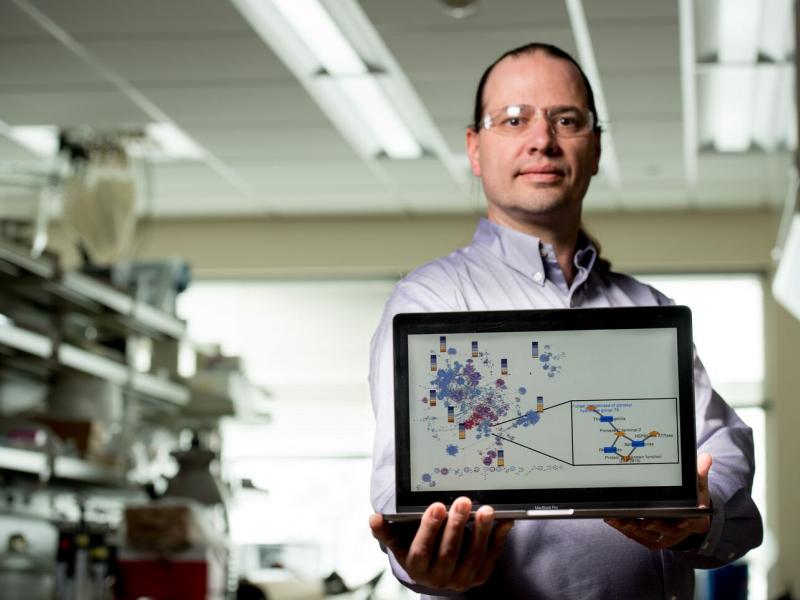
By studying discrete functional components of the soil microbiome at high resolution, researchers obtained a more complete picture of soil diversity compared to analysis of the entire soil community.
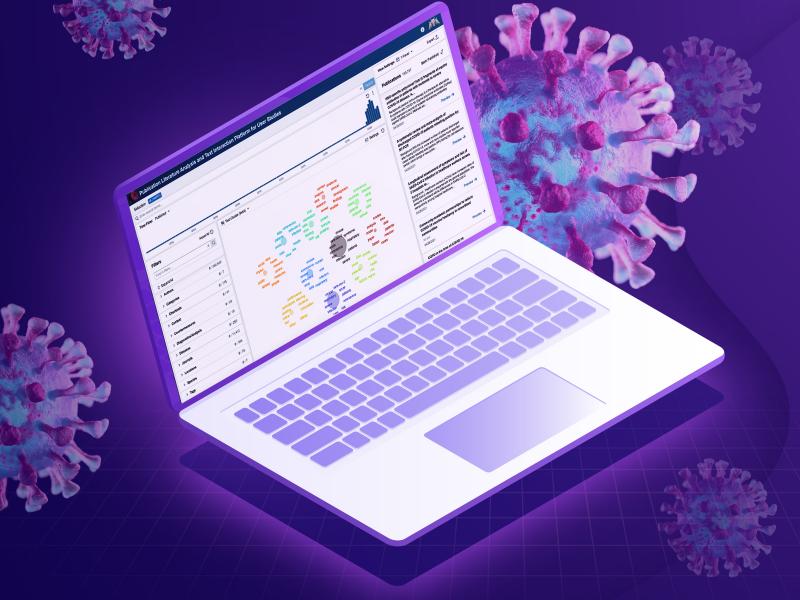
Six months into a pandemic that has claimed more than 570,000 lives worldwide, scores of PNNL scientists are engaged in dozens of projects in the fight against COVID-19.