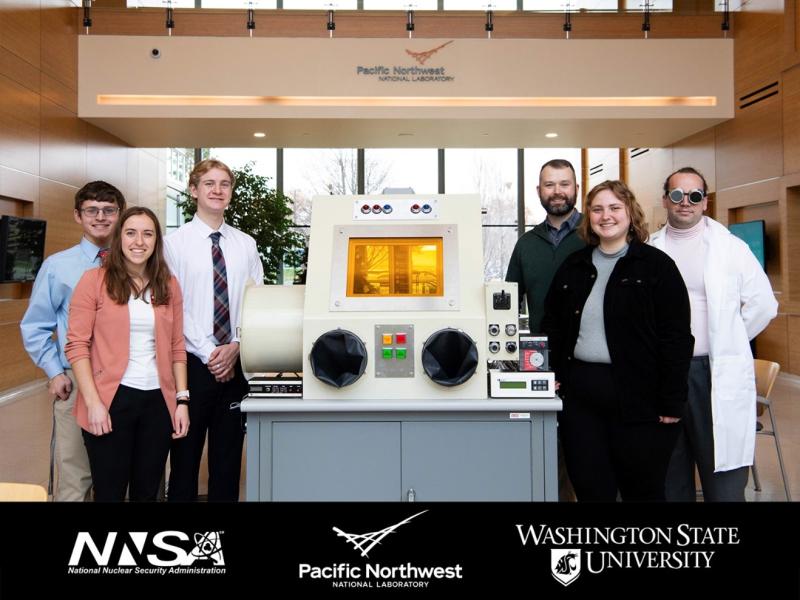
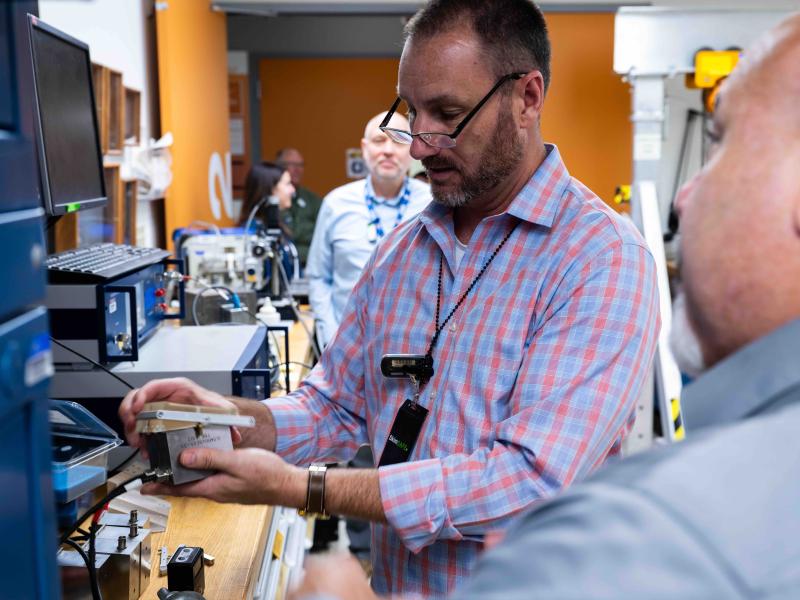
How do you make an operational technology assurance course more relevant to attendees? Washington State University students brought a fresh perspective by designing and fabricating a realistic mock training system—a vintage-style glove box.
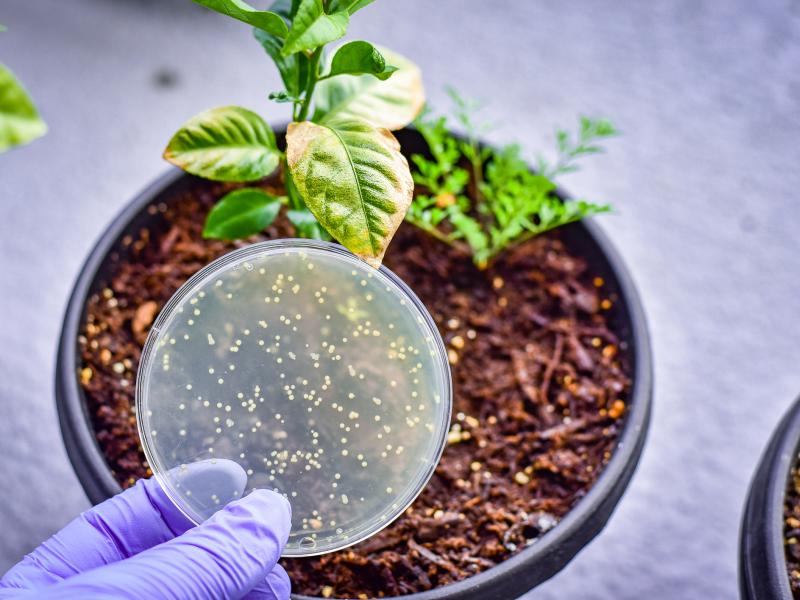
Scientists at PNNL have published a new article that focuses on understanding the composition, dynamics, and deployment of beneficial soil microbiomes to get the most out of soil.
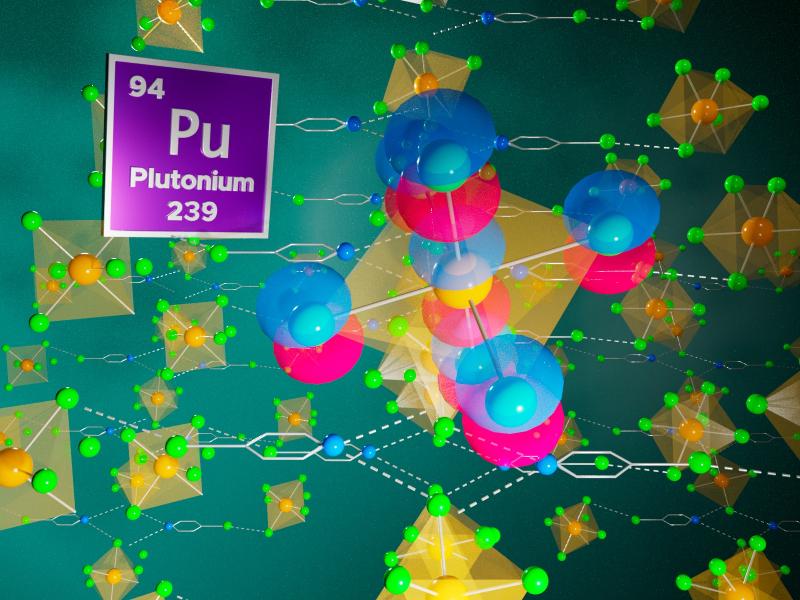
A team of scientists at PNNL developed new computational models to predict the behavior of these impurities and reduce the expense and risk related to actinide metal production.
A team of researchers from PNNL provided technical knowledge and support to test a suite of techniques that detect genetically modified bacteria, viruses, and cells.
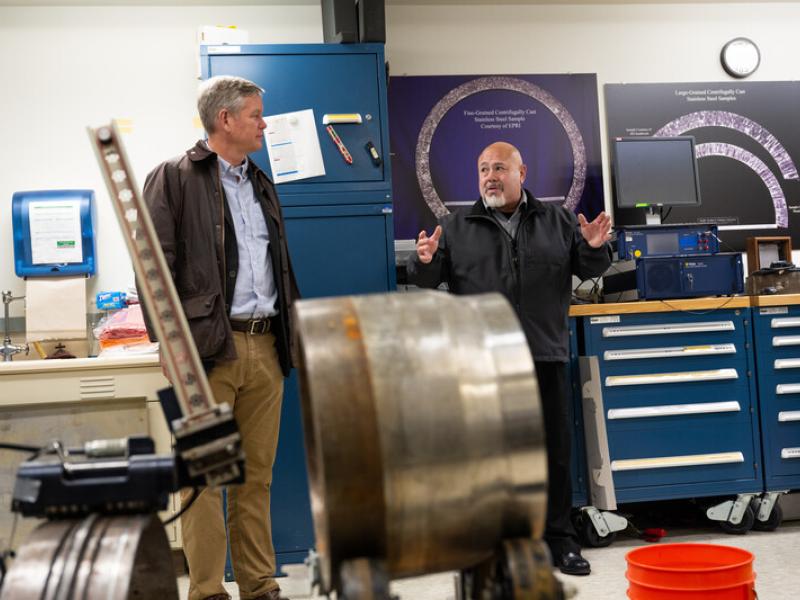
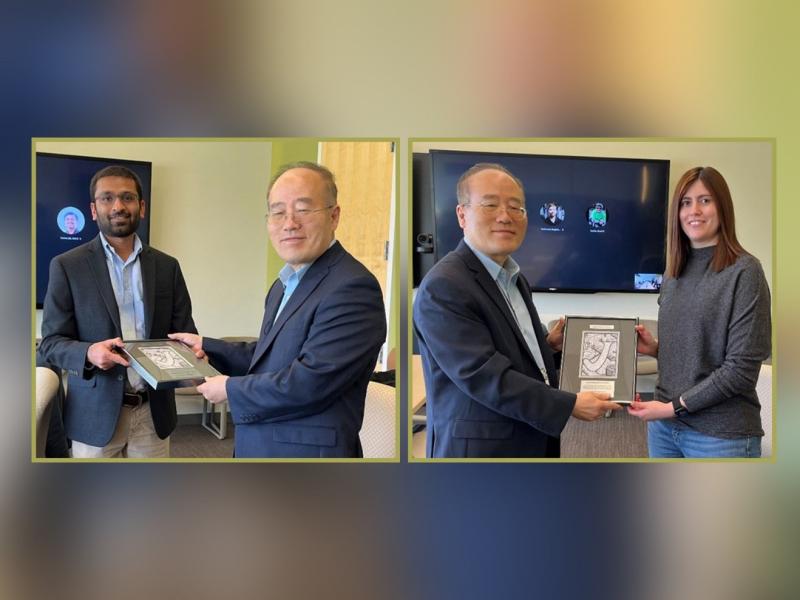
Bradley Crowell with the U.S. Nuclear Regulatory Commission sees advanced materials integrity, radiological measurement, and environmental capabilities on his first visit to PNNL.
Katalenich was selected to attend the Grainger Foundation Frontiers of Engineering 2023 Symposium—an honor given to only 100 early-career engineers annually.
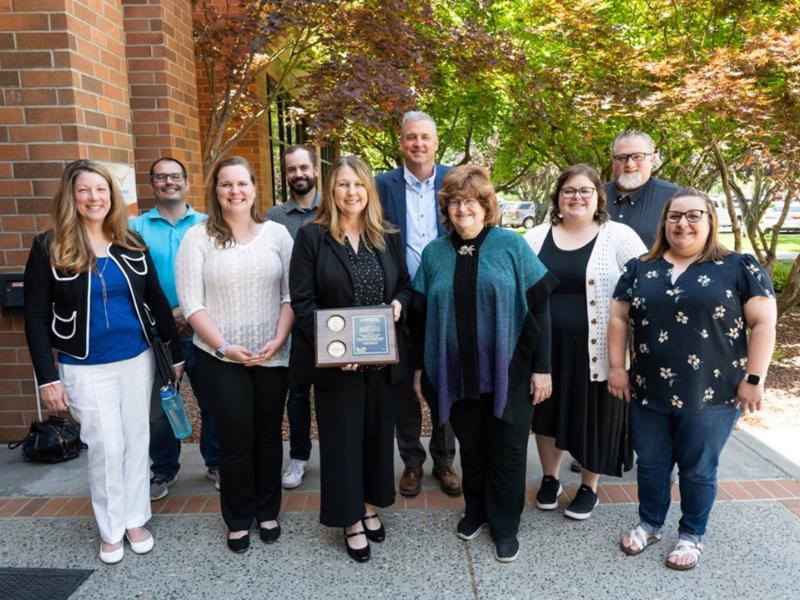
The NNSA Office of Defense Programs recognized efforts of a team that made sure a $100 million basic ordering agreement was awarded and approved on time.
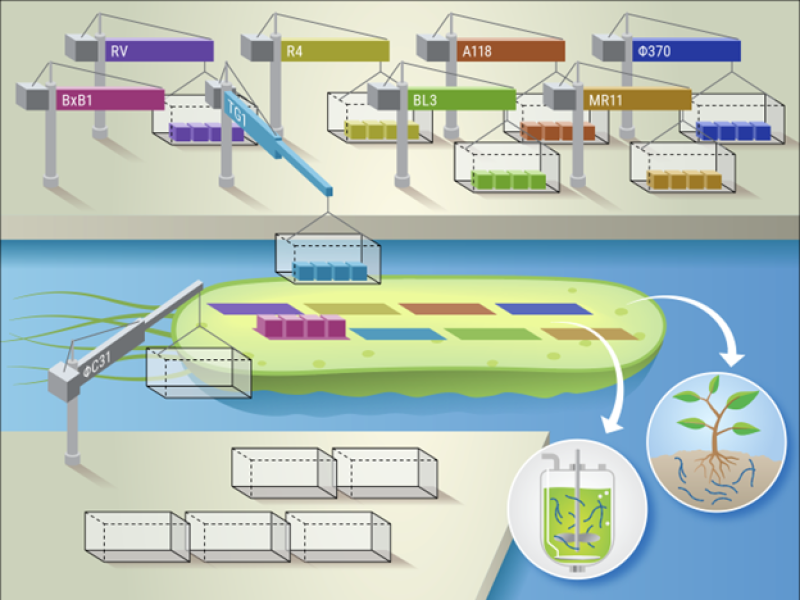
SAGE is a high-efficiency genome integration strategy for bacteria that makes the stable introduction of new traits simple for newly discovered microbes.
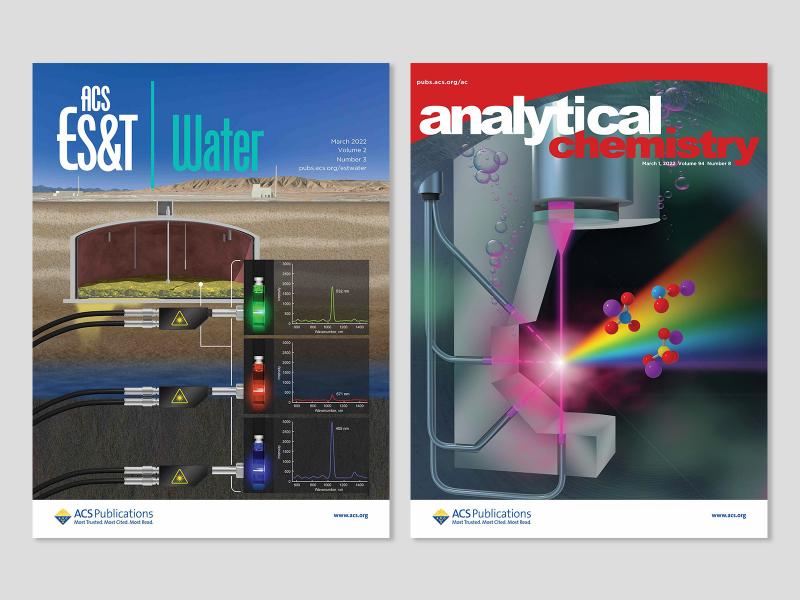
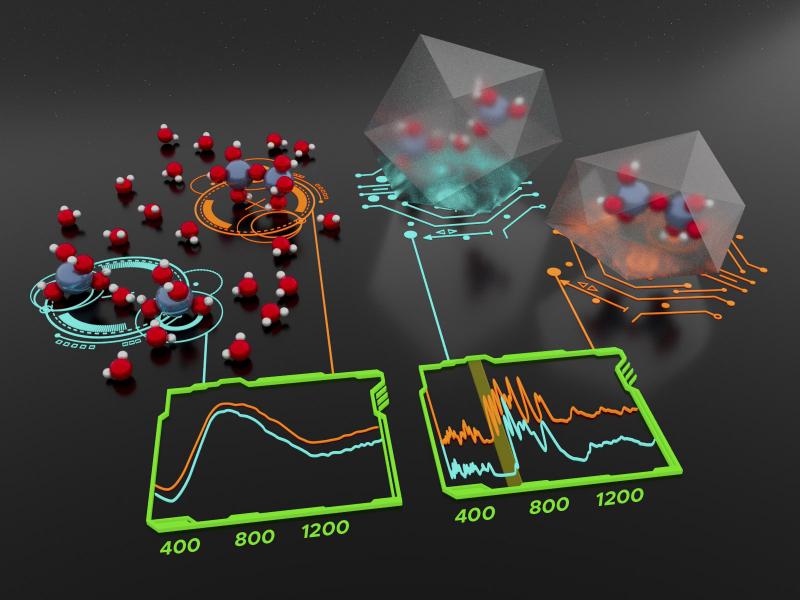
PNNL research, featured on the cover of two science journals, describes advancements in using Raman spectrometry for Hanford Site nuclear waste remediation.