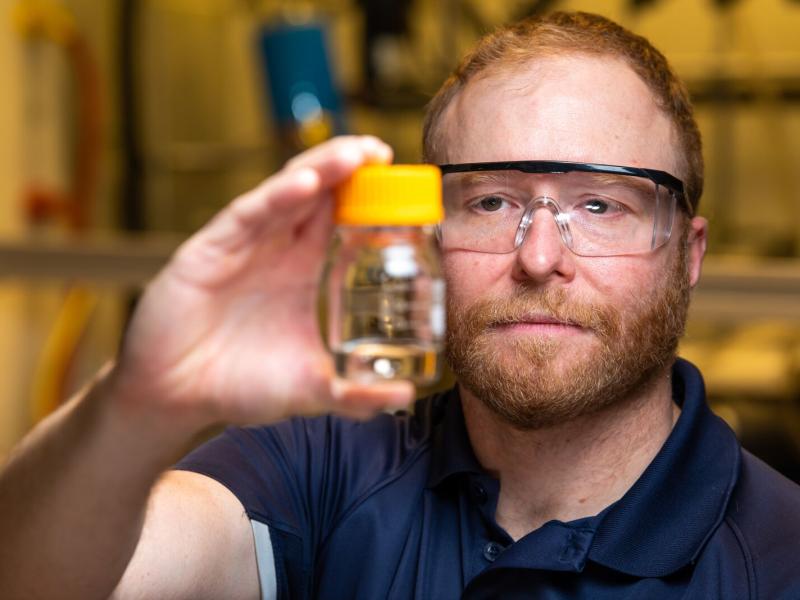
David Heldebrant was selected for the 2025 Distinguished Service Award from the American Chemical Society Division of Energy & Fuels, recognizing his impact to energy and fuels chemistry.
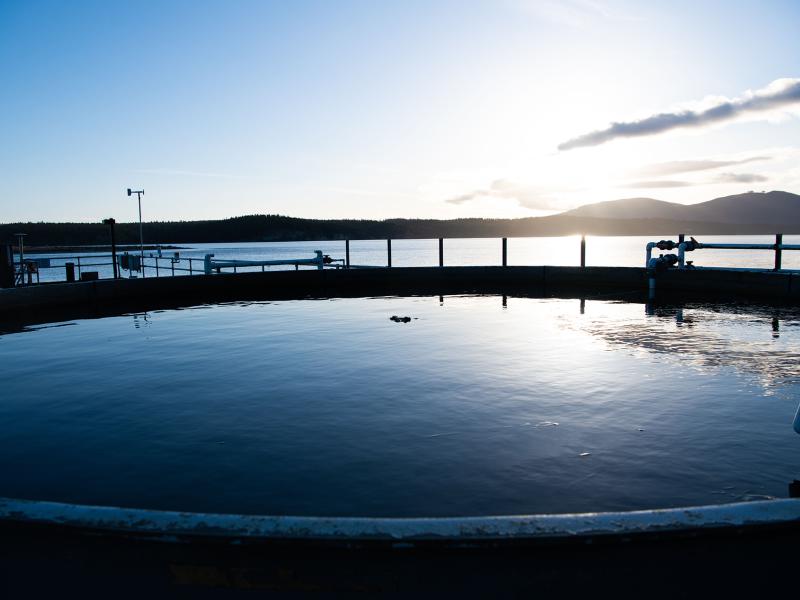
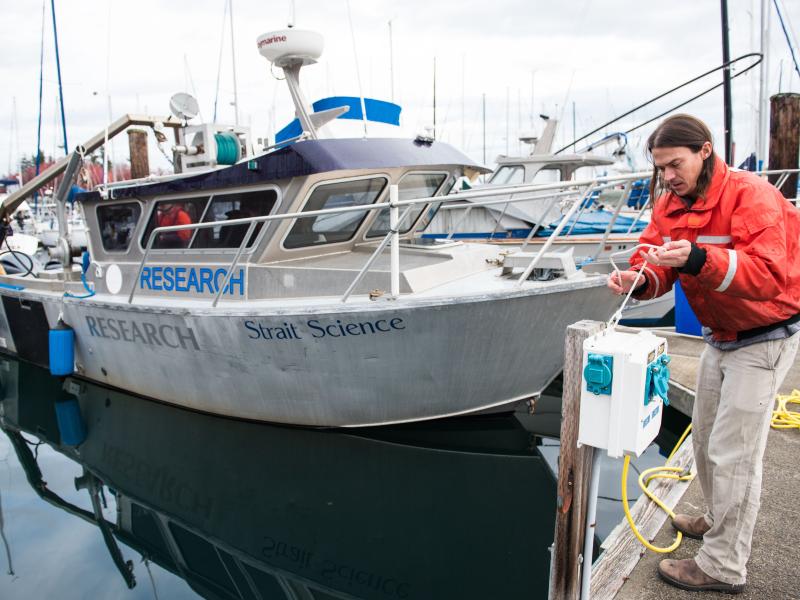
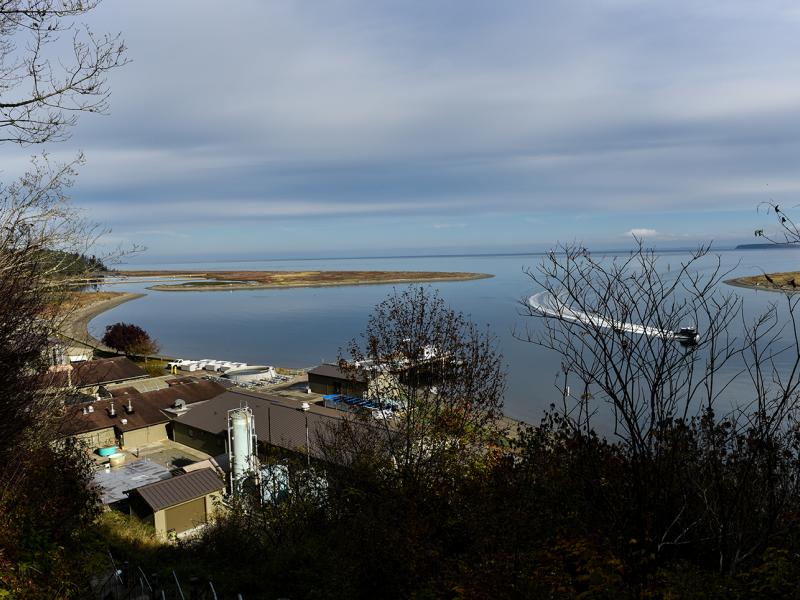
PNNL-Sequim scientists will spend the next year testing a new technology that could allow the ocean to soak up more carbon dioxide without contributing to ocean acidification.
Across the United States, organic carbon concentration imposes a primary control on river sediment respiration, with additional influences from organic matter chemistry.
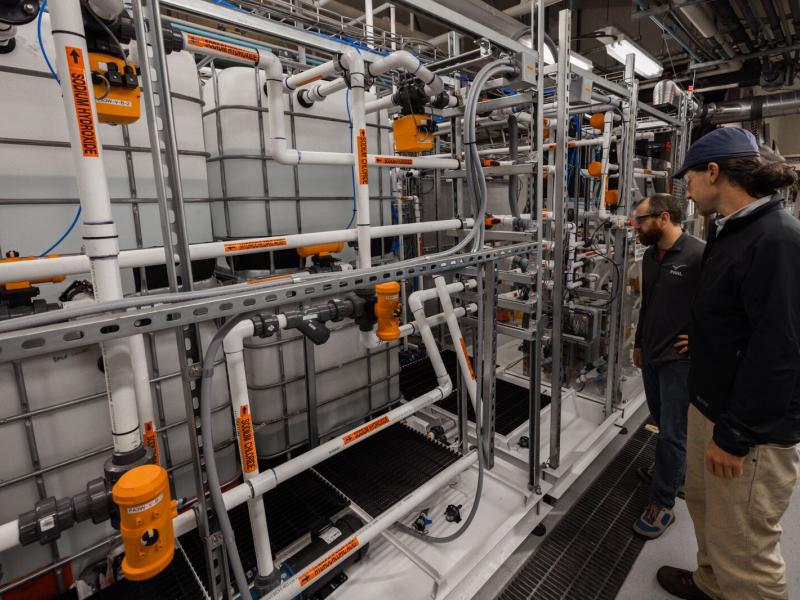
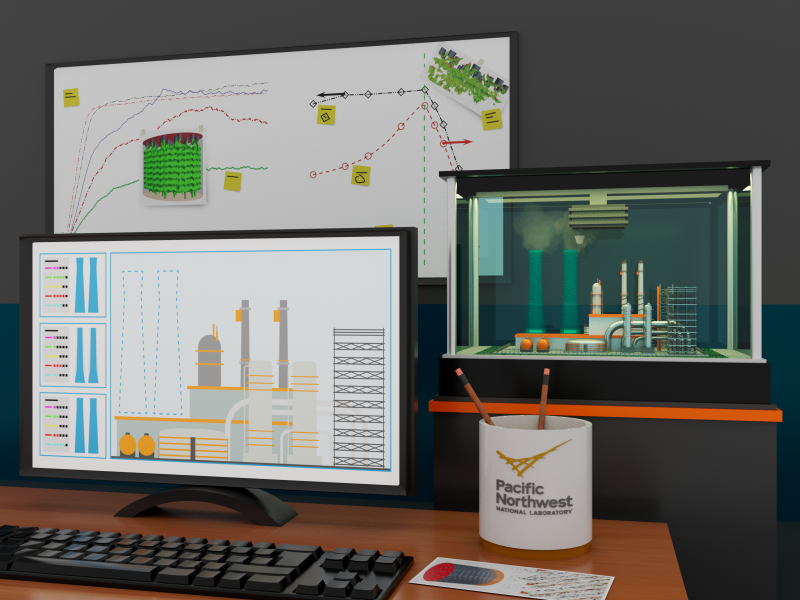
PNNL scientists carve a path to profit from carbon capture by creating a system that efficiently captures CO2 and converts it into one of the world’s most widely used chemicals: methanol.
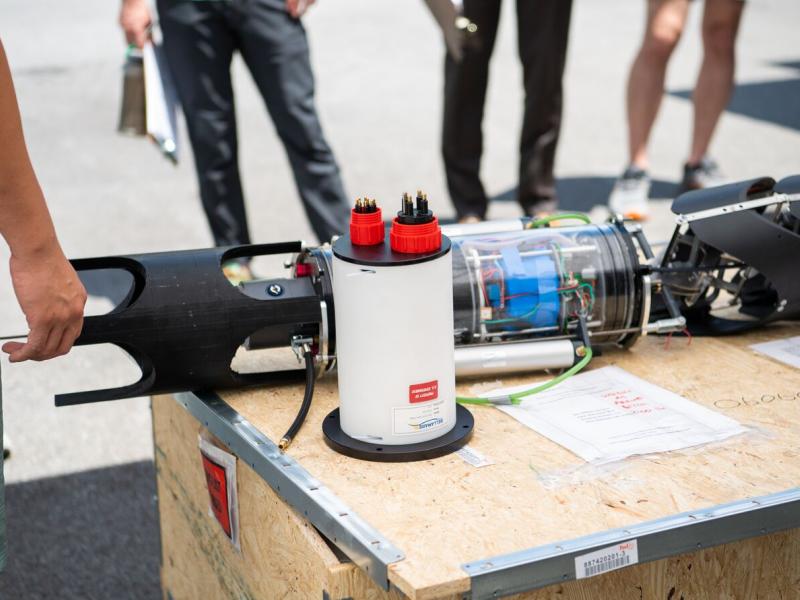
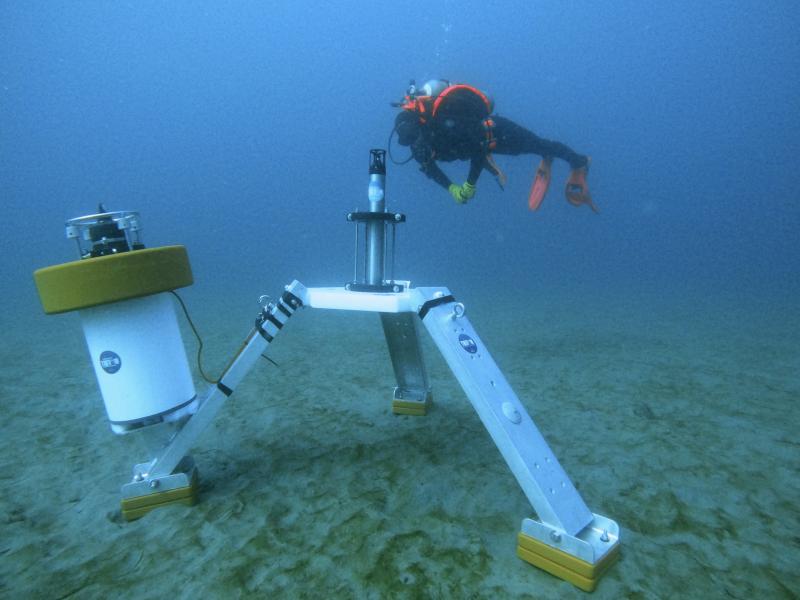
PNNL researchers developed the dummy payload to evaluate the performance of marine energy device prototypes in the Powering the Blue Economy: Ocean Observing Prize Competition.
A new, simple, and efficient flow-based method allows researchers to pull a useful magnesium salt from natural seawater using easily available chemicals.
A new perspective article discusses how integrating carbon dioxide capture and conversion in solvents can lead to cheaper and more efficient carbon management systems.
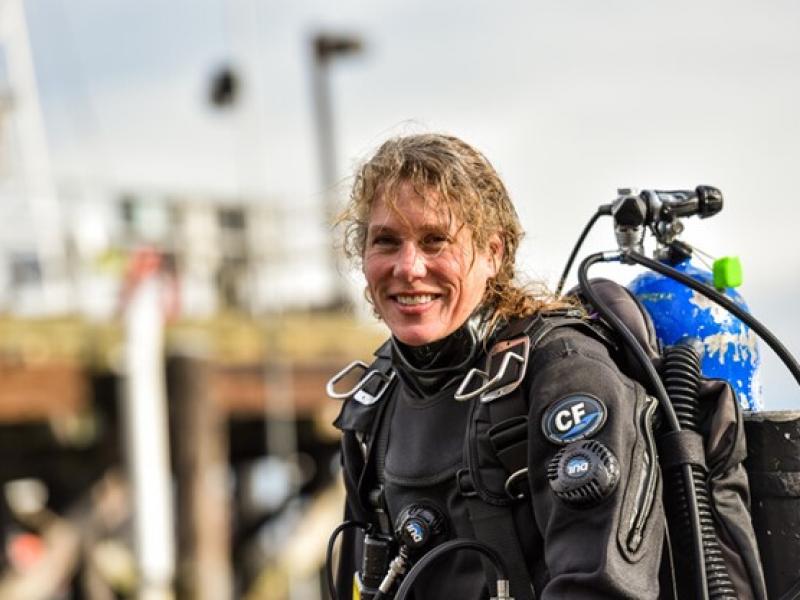
Sue Southard's one thousand dives as a PNNL staff member leave a ripple effect on efforts to keep our ocean healthy, our economy thriving, and our waters safe.
PNNL researchers develop software that uses geographical data to build a free, open-source grid reference system to provide a precise system to locate structures.
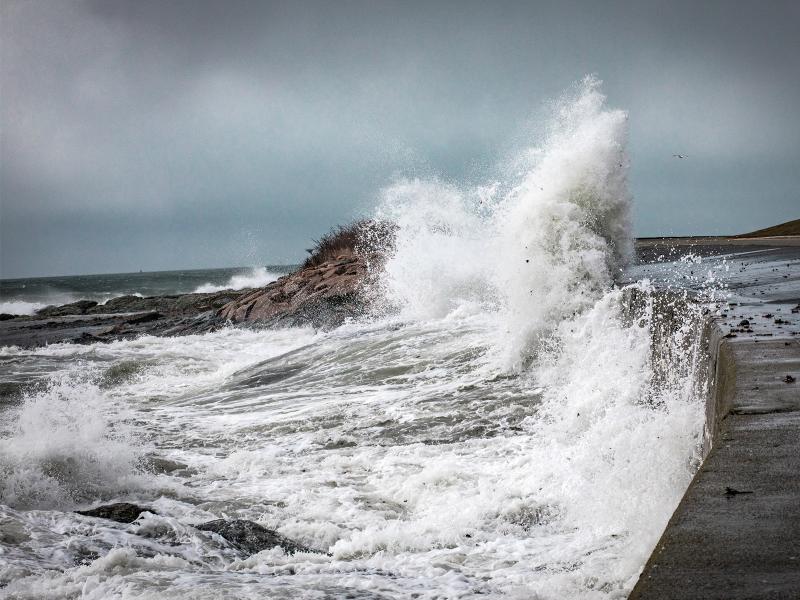
Incorporating green infrastructure into flood protection plans alongside gray infrastructure can shield communities, reduce maintenance, and provide additional social and environmental benefits.