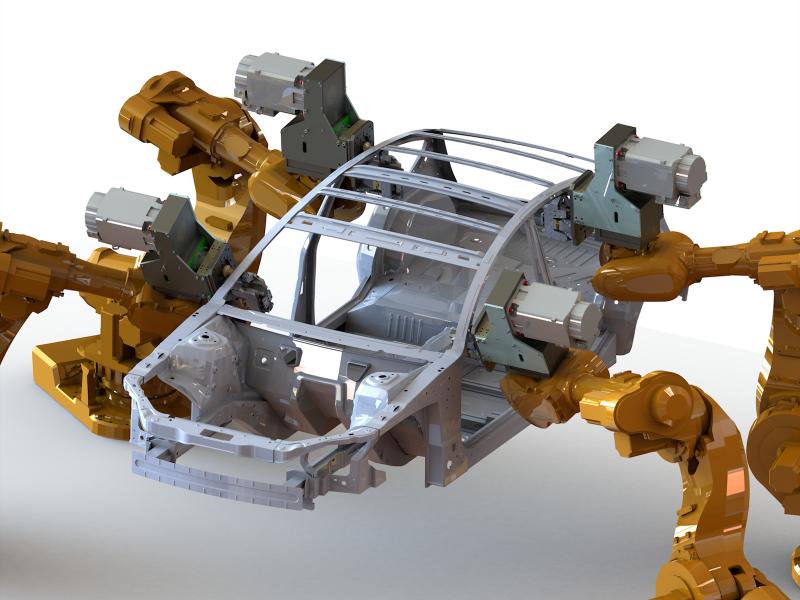
A breakthrough at PNNL could free friction stir from current constraints—and open the door for increased use of the advanced manufacturing technique on commercial assembly lines.
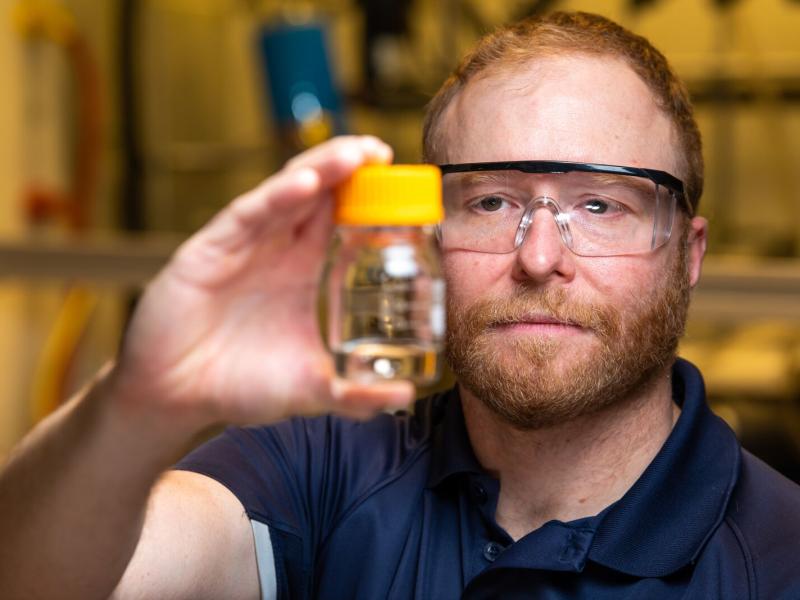
David Heldebrant was selected for the 2025 Distinguished Service Award from the American Chemical Society Division of Energy & Fuels, recognizing his impact to energy and fuels chemistry.
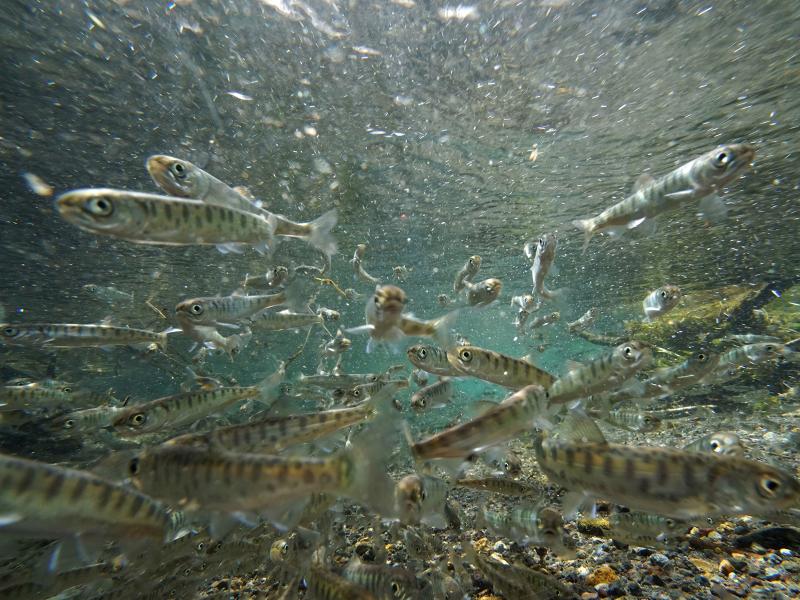
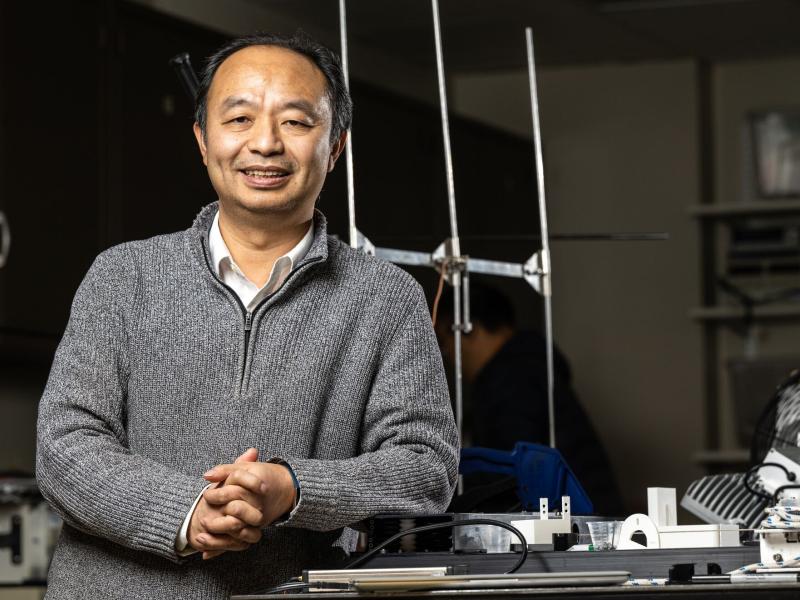
Zhiqun (Daniel) Deng, Lab Fellow at PNNL, has been named a fellow of the American Society of Mechanical Engineers, an honor that recognizes outstanding engineering achievements.
By combining computational modeling with experimental research, scientists identified a promising composition that reduces the need for a critical material in an alloy that can withstand extreme environments.
PNNL researchers have developed a new, physics-informed machine learning model that accurately predicts how heat accumulates and dissipates during friction stir processing.
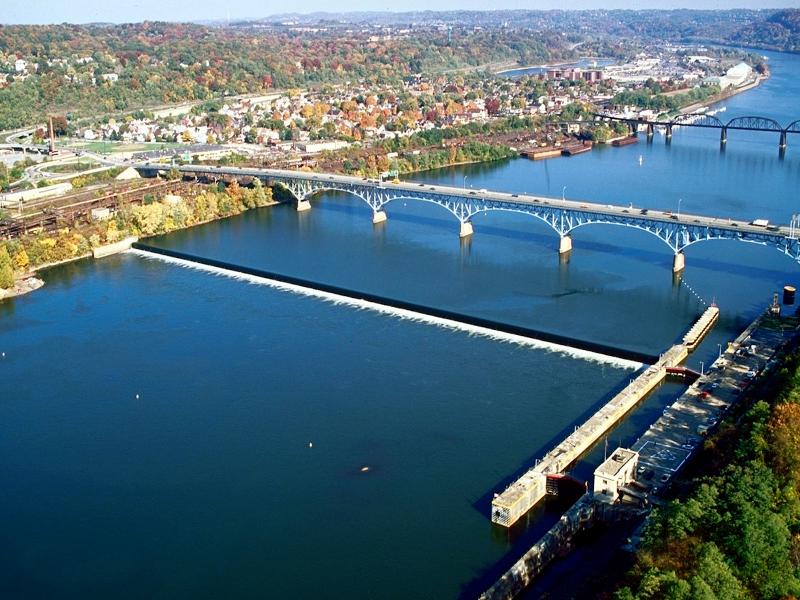
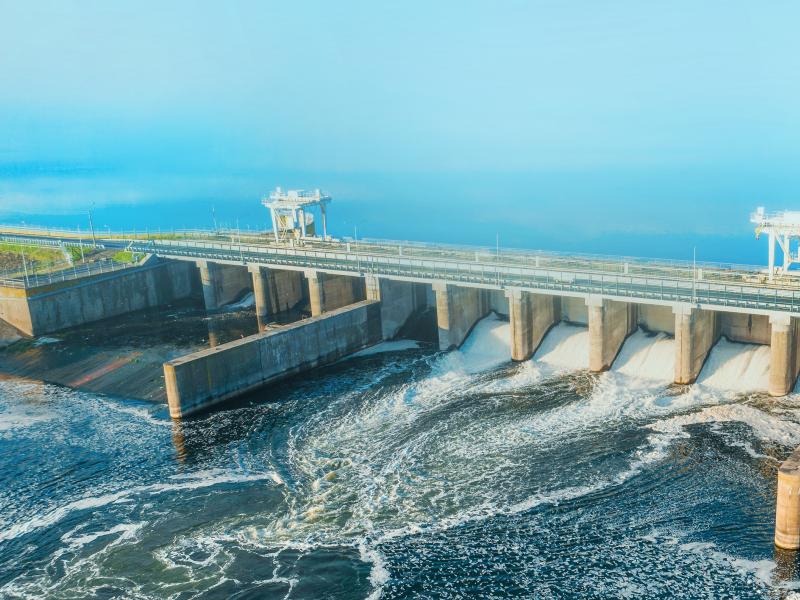
New methodological approach demonstrates how to assess the economic value, including non-traditional value streams, of converting non-powered dams to hydroelectric facilities.
Across the United States, organic carbon concentration imposes a primary control on river sediment respiration, with additional influences from organic matter chemistry.
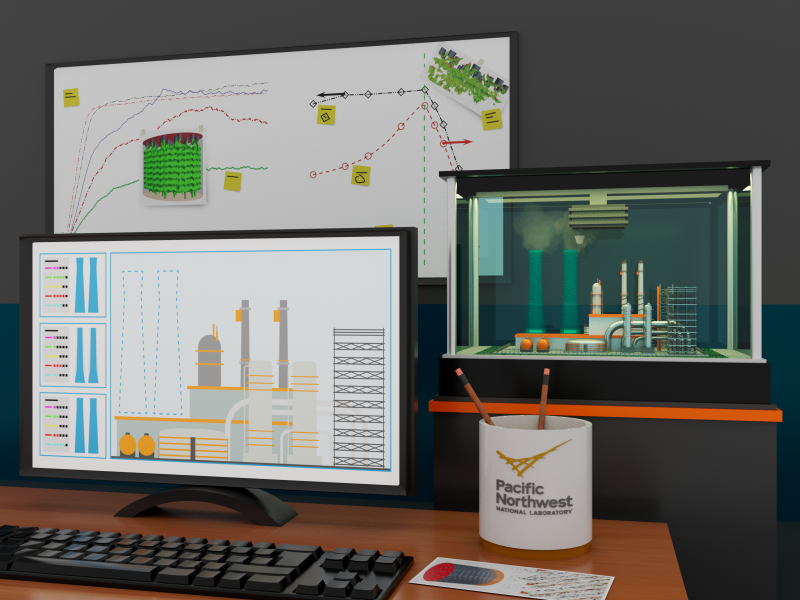
PNNL scientists carve a path to profit from carbon capture by creating a system that efficiently captures CO2 and converts it into one of the world’s most widely used chemicals: methanol.
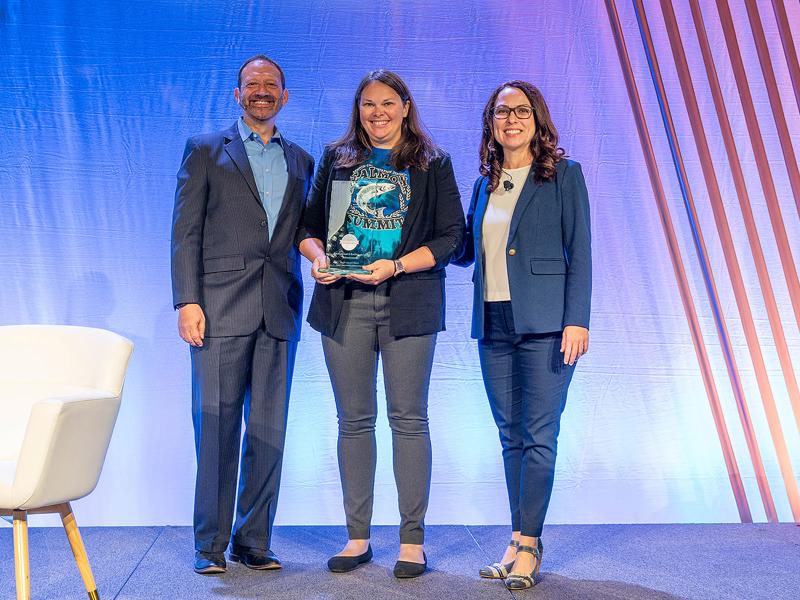
Fish biologist Brenda Pracheil has been named chair of the Low Impact Hydropower Institute focused on reduction of impacts of hydropower dams on the environment.
A new perspective article discusses how integrating carbon dioxide capture and conversion in solvents can lead to cheaper and more efficient carbon management systems.