The Department of Energy, Basic Energy Sciences and Advanced Scientific Computing Research programs will support the partnership’s work on nuclear quantum behavior.
Delivering an integrated quantum-mechanical and experimental perspective on the effects of both intrinsic and externally applied electric fields at atomic-scale interfaces.
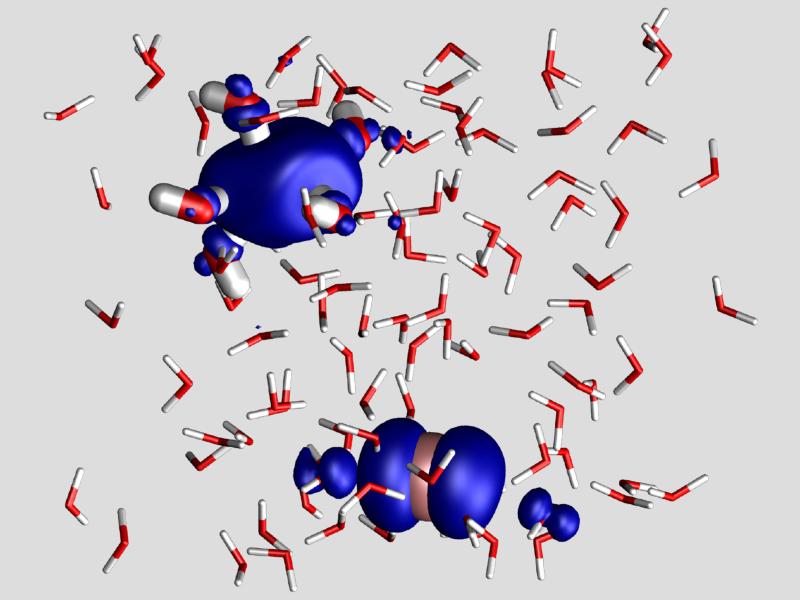
The first measurement of the proton diffusion constant at cryogenic temperatures provides insights into the mechanism of proton movement in supercooled water.
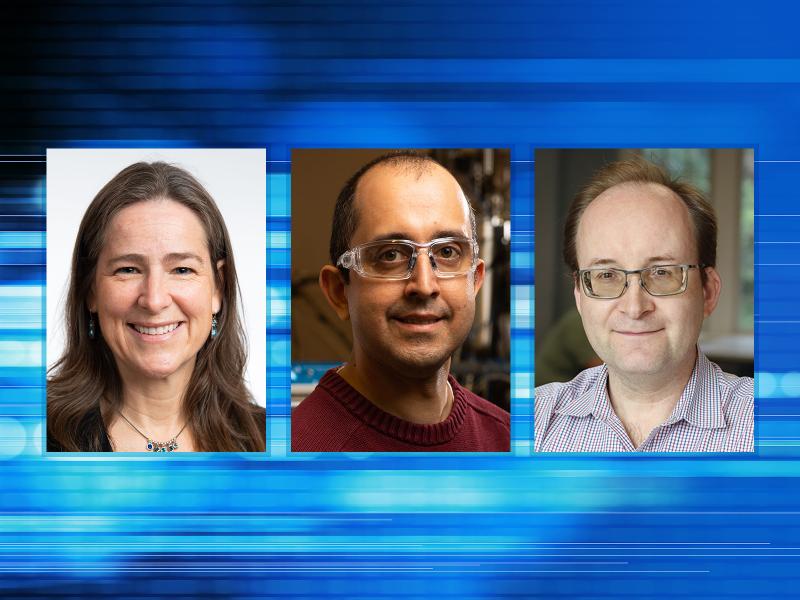
Three PNNL-affiliated researchers have been named fellows of the American Association for the Advancement of Science, the world’s largest multidisciplinary scientific society.
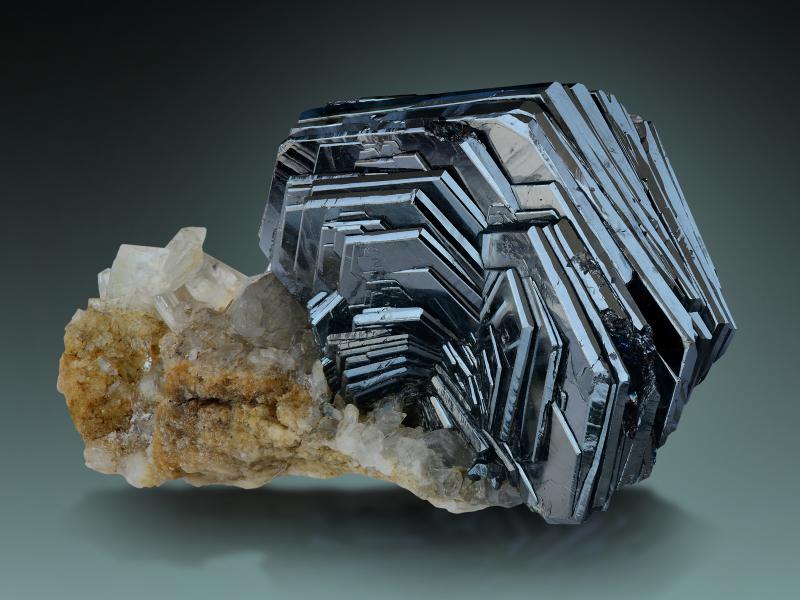
Researchers investigated how stable nanoparticle suspensions form using facet engineering on hematite nanoparticles, demonstrating that controlling the faceting of nanoparticles can effectively maintain particle dispersity.
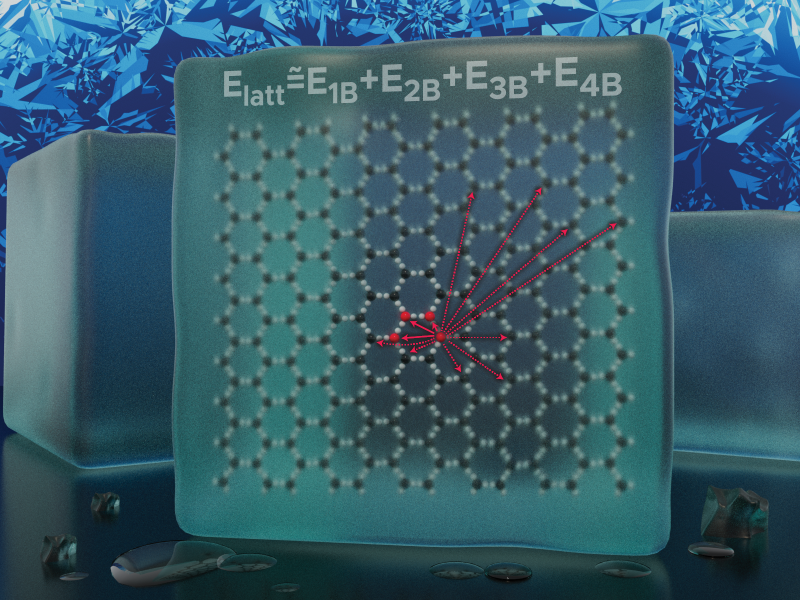
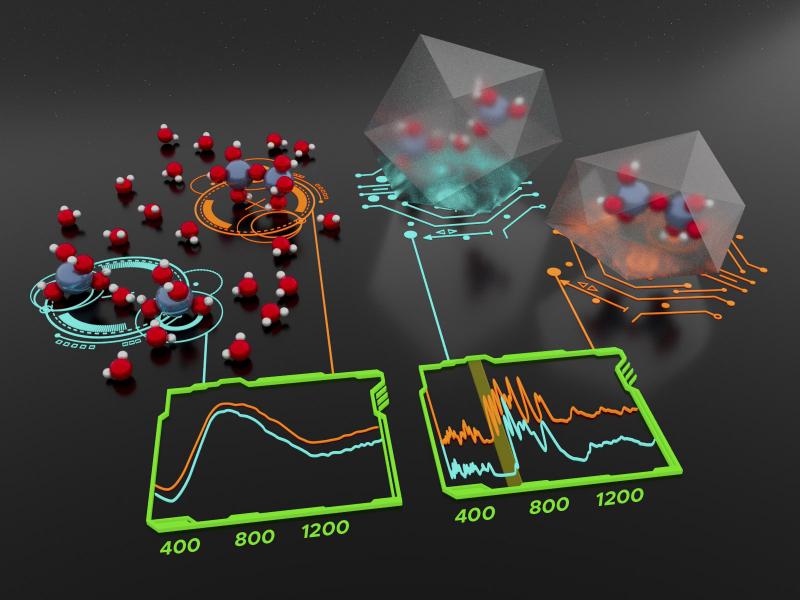
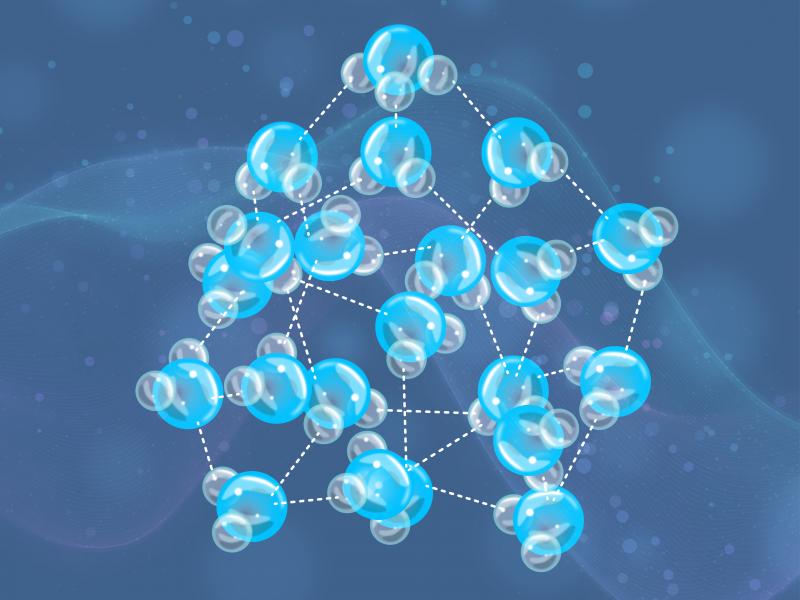
Research from PNNL and the University of Washington demonstrates the extension of the MBE for periodic systems and its use to decompose the lattice energies of different ice polymorphs.
PNNL researchers developed a hybrid quantum-classical approach for coupled-cluster Green’s function theory that maintains accuracy while cutting computational costs.
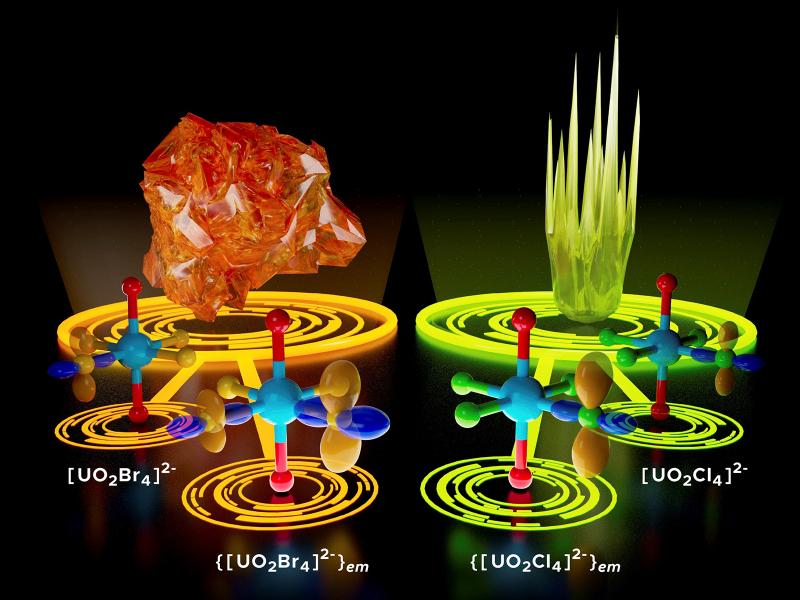
A comprehensive understanding of the electronic structure of uranyl ions provides insight into the chemistry of nuclear waste and uranium separation technologies.