The Energy Storage for Social Equity Initiative will help up to 15 disadvantaged communities consider energy storage technologies to meet local energy goals.
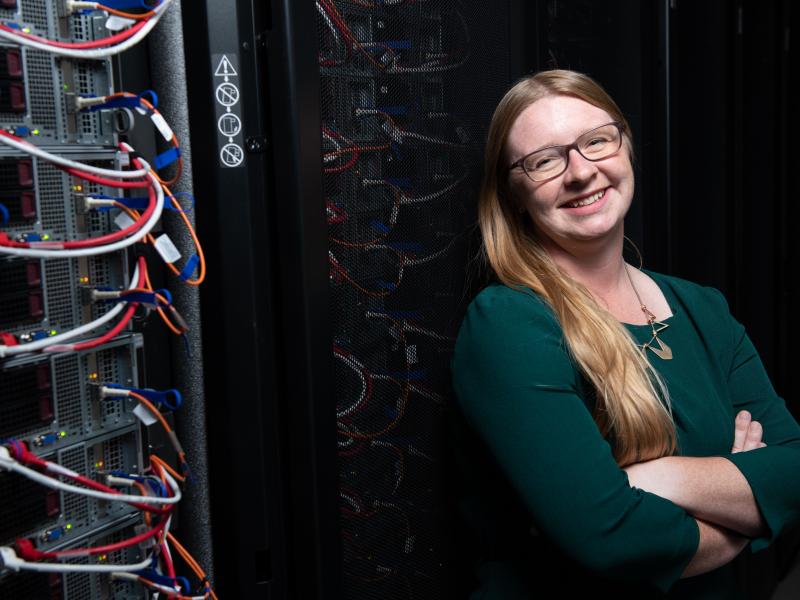
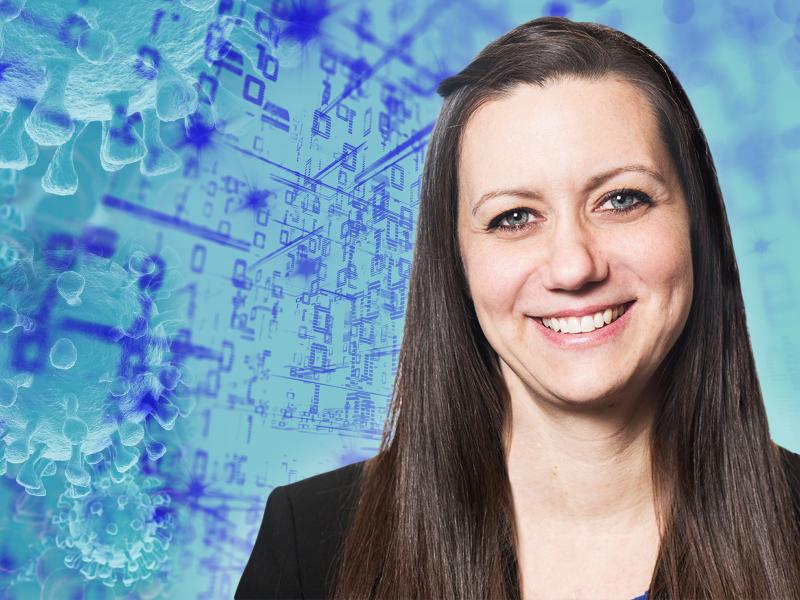
A Q&A with Lauren Charles, veterinarian and PNNL data scientist, on zoonotic diseases and the role biosurveillance plays in mitigating the growing threat to global health.
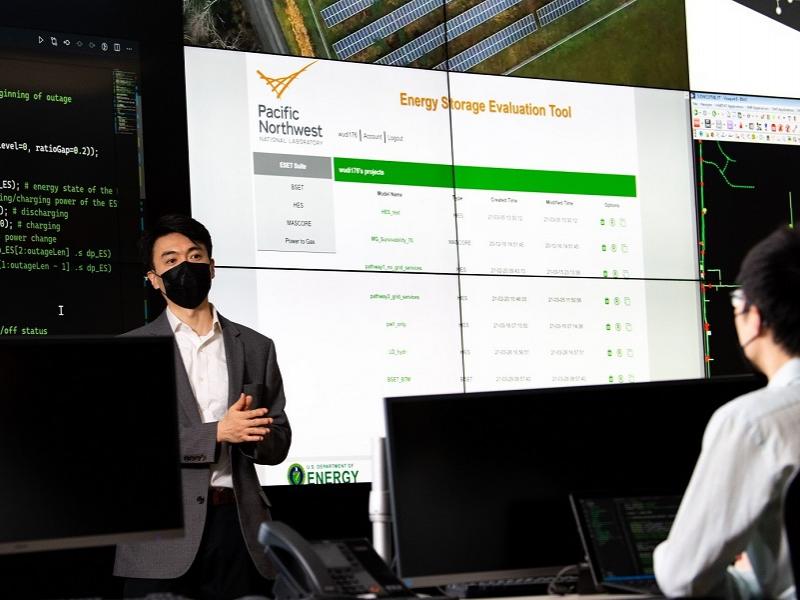
PNNL’s new Hydrogen Energy Storage Evaluation Tool allows users to examine multiple energy delivery pathways and grid applications to maximize benefits.
PNNL combines AI and cloud computing with damage assessment tool to predict path of wildfires and quickly evaluate the impact of natural disasters, giving first responders an upper hand.
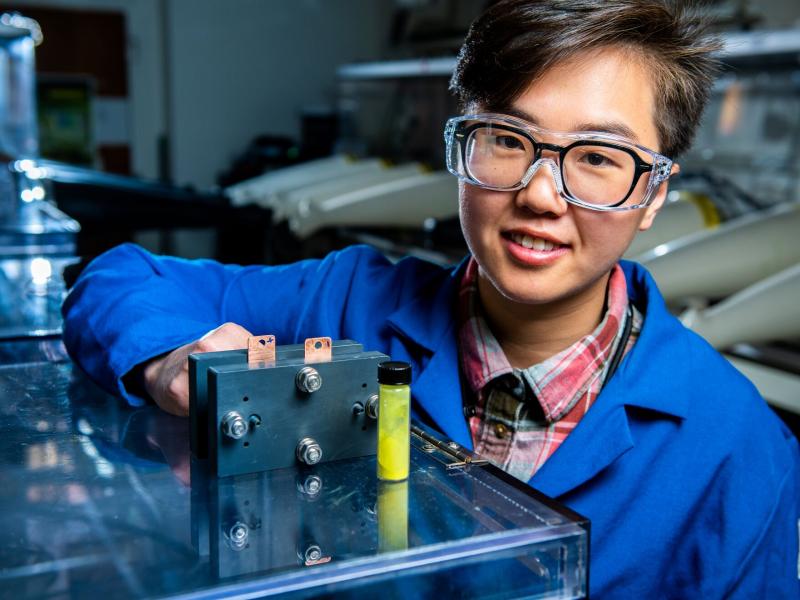
A compound used in candles offers promise for a modern energy challenge—storing massive amounts of energy to be fed into the electric grid as the need arises.
Senior members of the National Academy of Inventors are recognized for their remarkable innovations that have brought, or aspire to bring, real impact on the welfare of society.
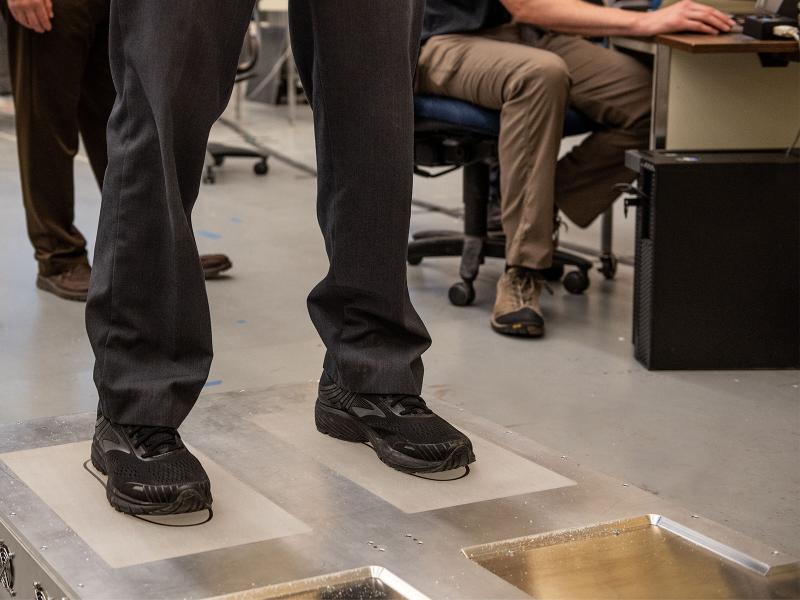
A shoe scanner may allow people passing through security screening to keep their shoes on. PNNL built the scanner based on the same technology it used to develop airport scanners. It's licensed to Liberty Defense.
One year ago, Verizon announced a partnership that made PNNL the U.S. Department of Energy’s first national laboratory with Verizon 5G ultra-wideband wireless technology.
New facility that will accelerate energy storage innovation and make the nation’s power grid more resilient, secure and flexible has been given the green light to proceed by the U.S. Department of Energy.
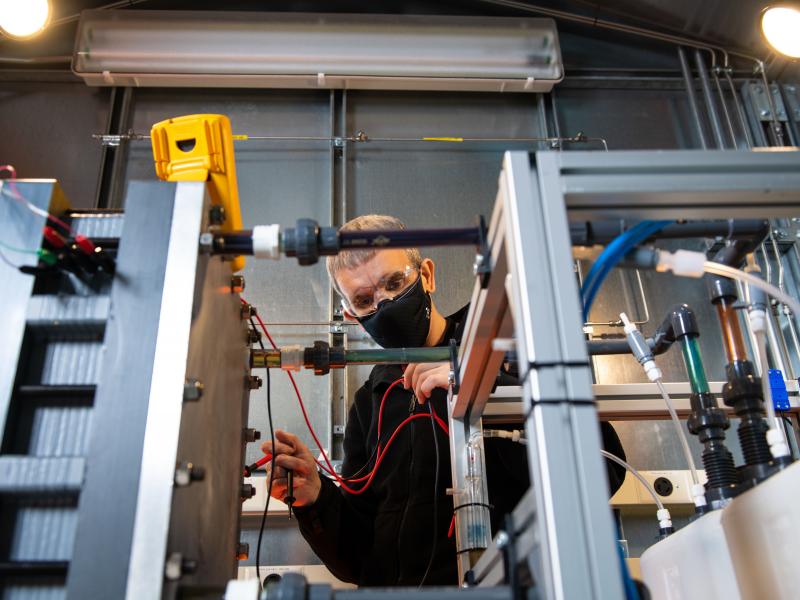
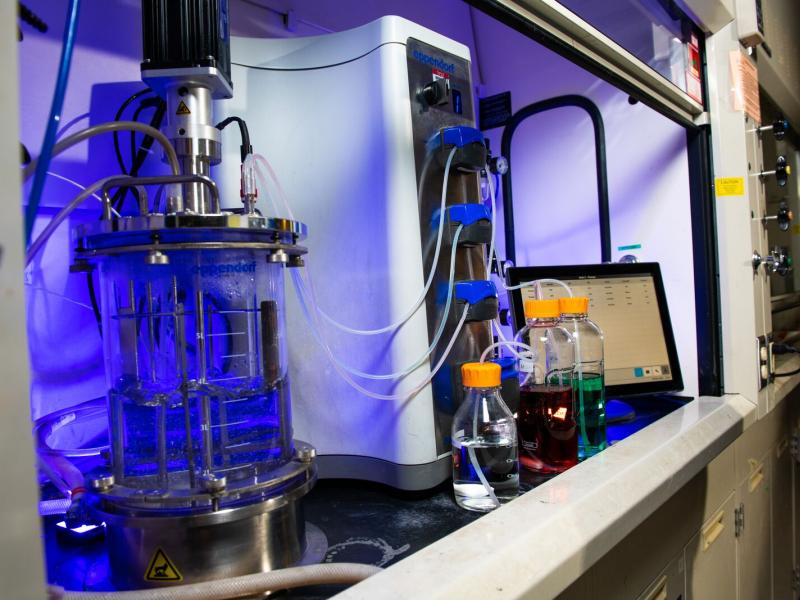
PNNL formulated a new type of dual-ion cell chemistry that uses a zinc anode and a natural graphite cathode in an aqueous—or “water-in-bisalt”—electrolyte.
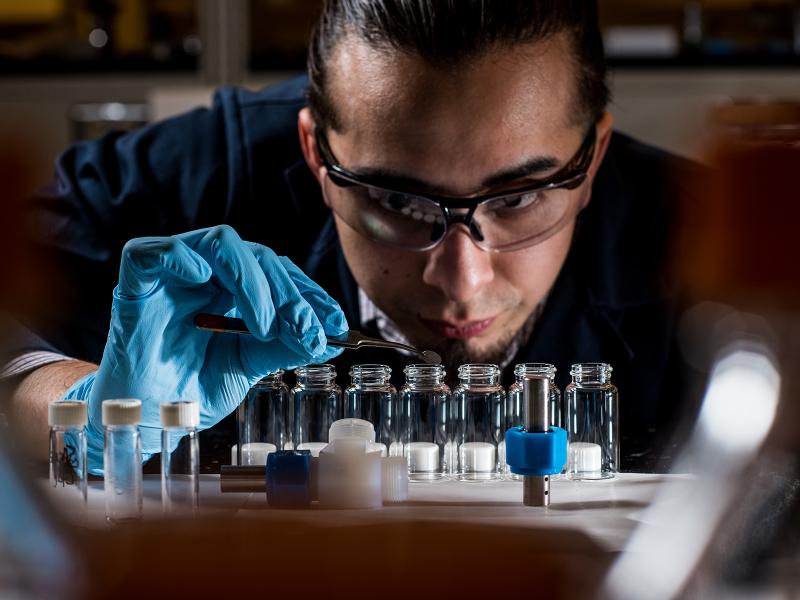
Through two U.S. Department of Energy funding calls awarded in 2020, PNNL is partnering with industry and academia to advance battery materials and processes.
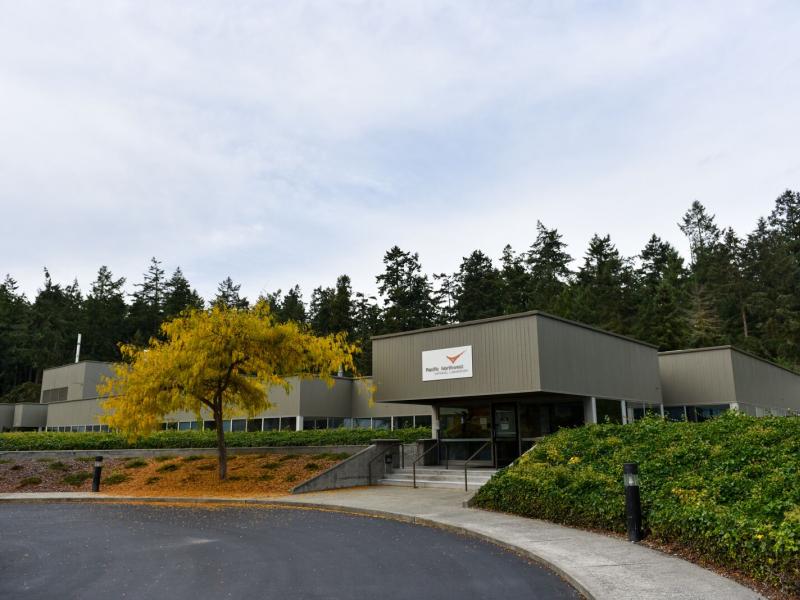
The Marine and Coastal Research Laboratory (MCRL), part of PNNL, in Sequim, Washington, is the U.S. Department of Energy’s only marine research facility. It has a rich history and expanding research scope.
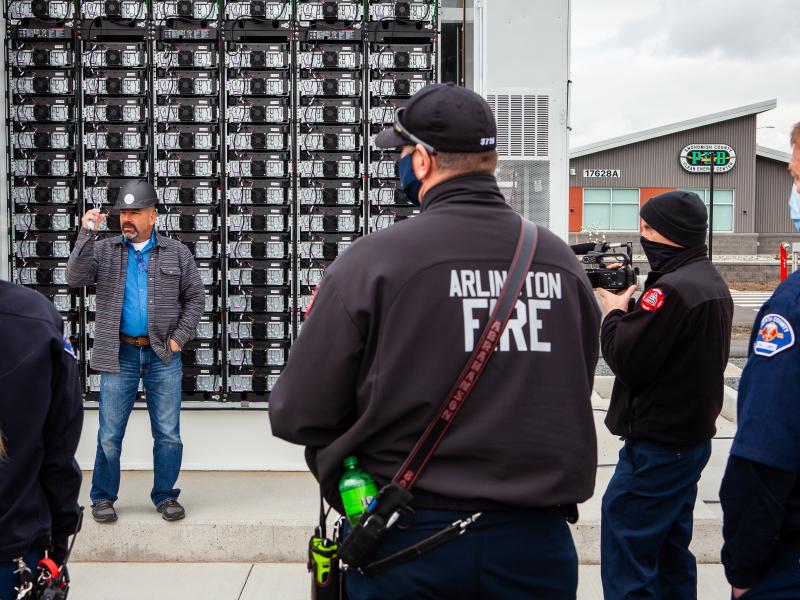
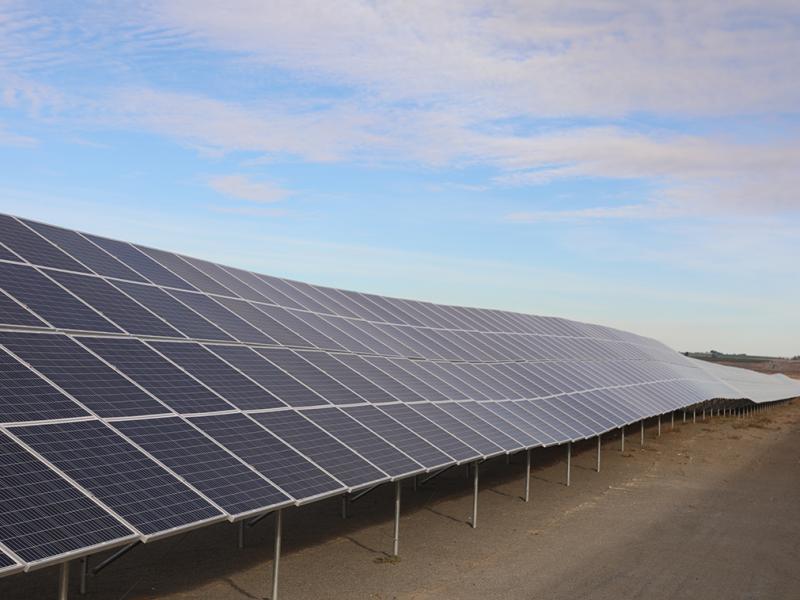
PNNL is one of the collaborating partners on a new grid-scale solar and energy storage installation near the PNNL campus in a project led by Energy Northwest.
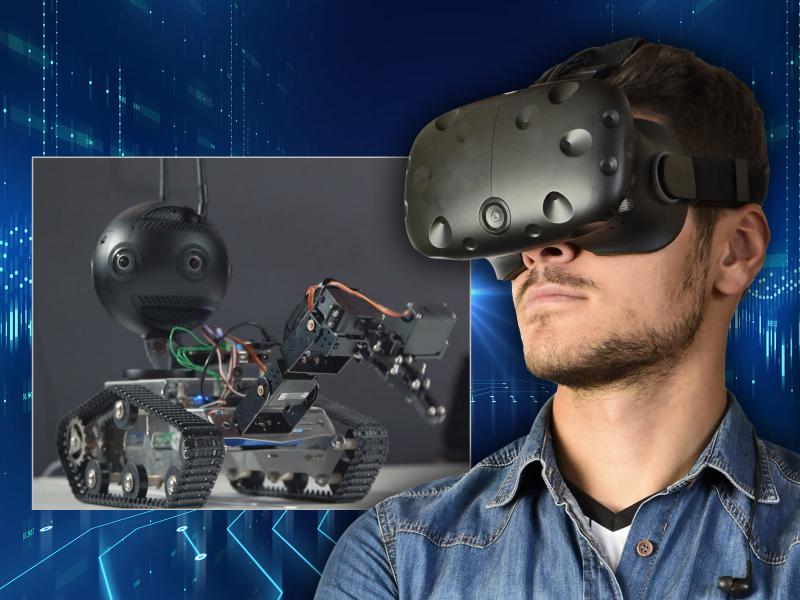
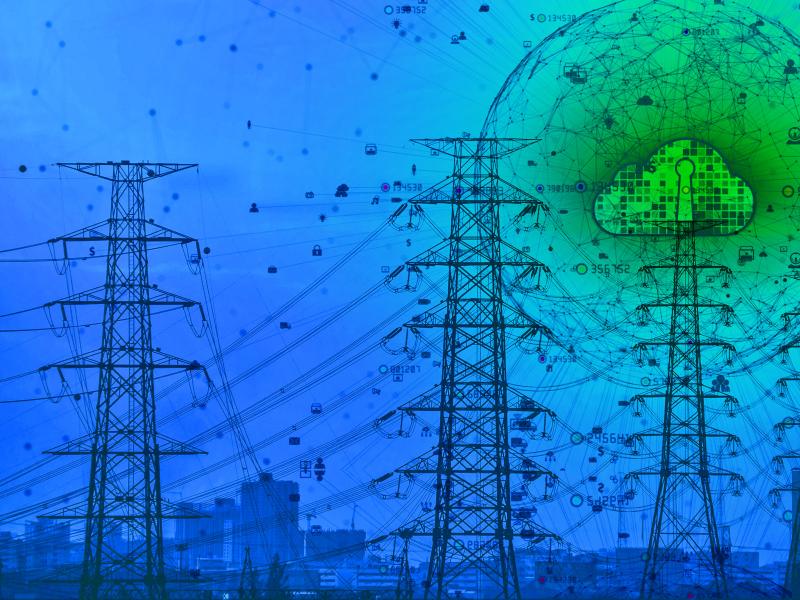
PNNL researchers established an Internet of Things Common Operating Environment (IoTCOE) laboratory to explore the risks associated with IoT connectivity to the internet, the energy grid and other critical infrastructures.