PNNL has received 119 R&D 100 Awards since 1969, when the laboratory began submitting entries in the contest that recognizes top 100 inventions each year.
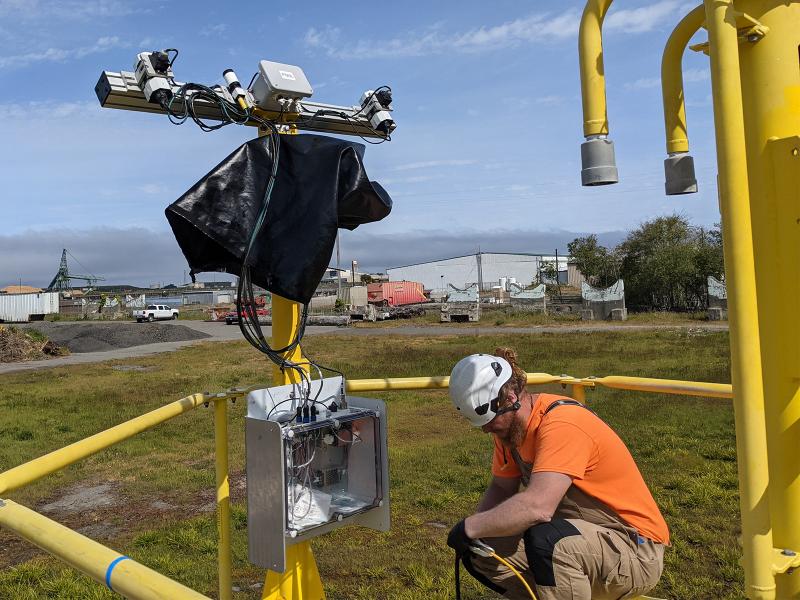
PNNL has paired one of its offshore wind research buoys with its ThermalTracker-3D technology to correlate avian activity with ocean and weather conditions off the California coast.
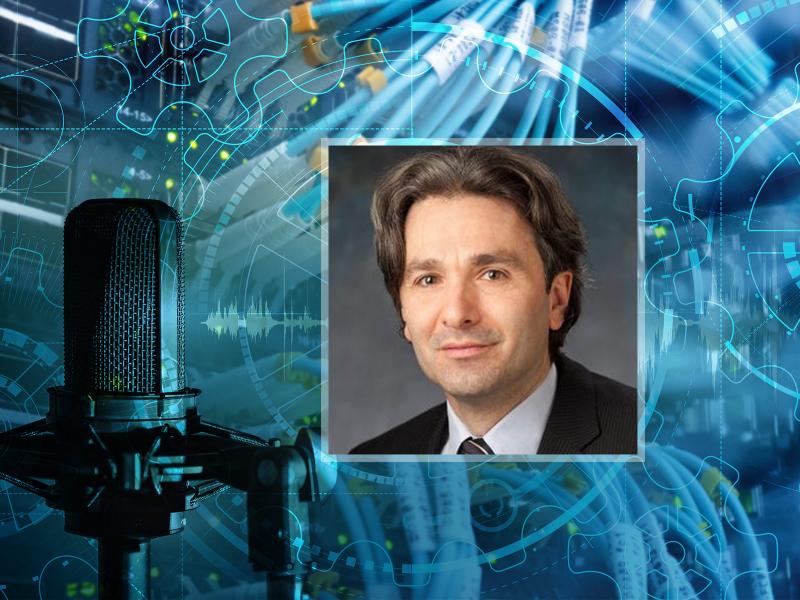
Slaven Peles, PNNL computational scientist and leader of a national high-performance computing project for power grid analysis, spoke about the project with the host of the Let’s Talk Exascale podcast.
A research project that brings together mathematicians and atmospheric scientists has developed into a deep collaboration for improving atmospheric models.
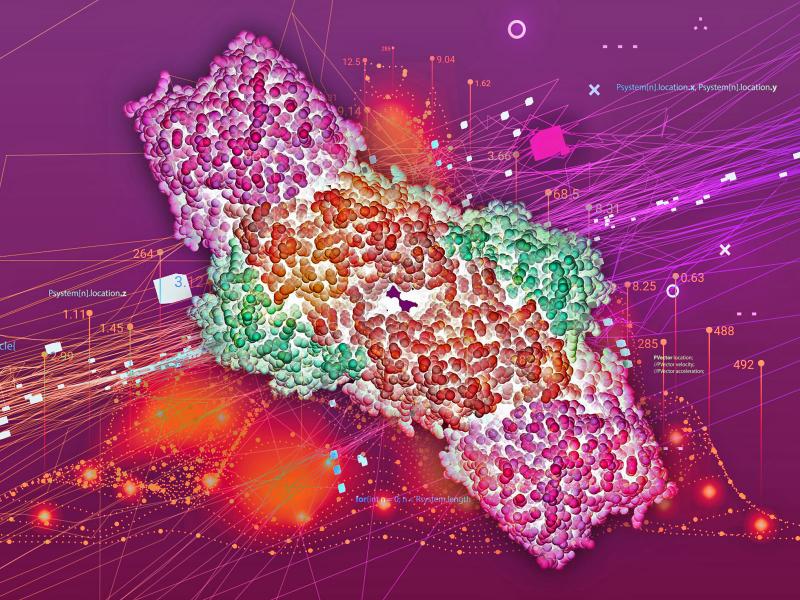
With quantum chemistry, researchers led by PNNL computational scientist Simone Raugei are discovering how enzymes such as nitrogenase serve as natural catalysts that efficiently break apart molecular bonds to control energy and matter.
PNNL highlights four researchers whose joint appointments are creating new and diverse opportunities for expanding knowledge and scientific impact across institutions.
A special issue of the Marine Technology Society Journal, titled “Utilizing Offshore Resources for Renewable Energy Development,” focuses on research and development efforts including those at Pacific Northwest National Laboratory (PNNL).
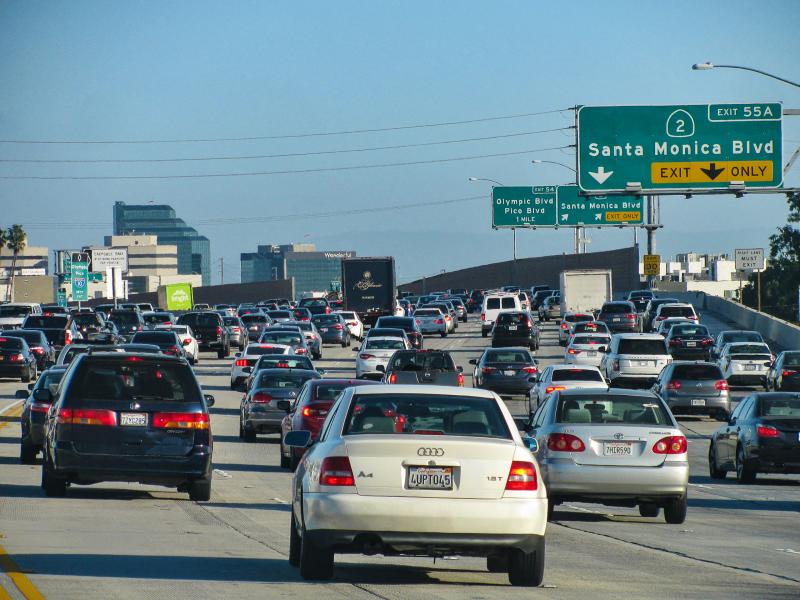
Using public data from the entire 1,500-square-mile Los Angeles metropolitan area, PNNL researchers reduced the time needed to create a traffic congestion model by an order of magnitude, from hours to minutes.
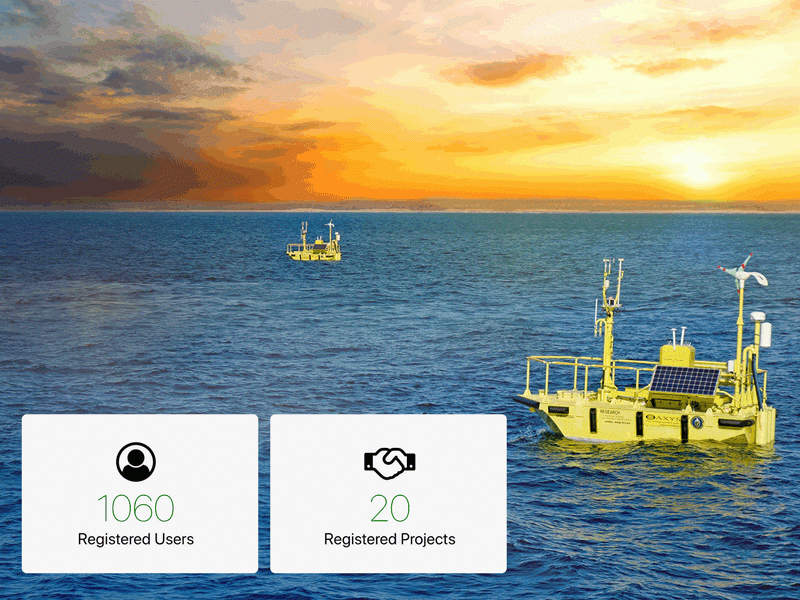
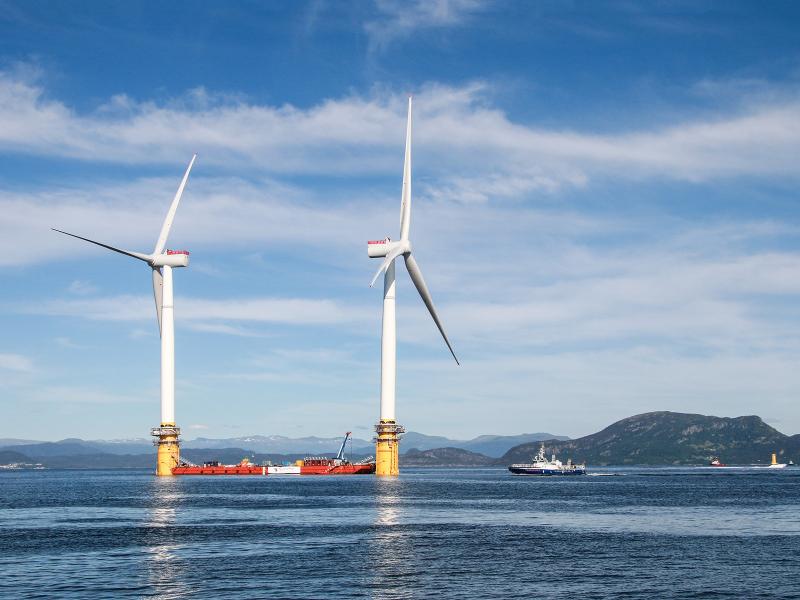
PNNL researchers say that offshore wind energy can add value to the electric grid, beyond just the power it can produce, if locations and strategies are optimized.