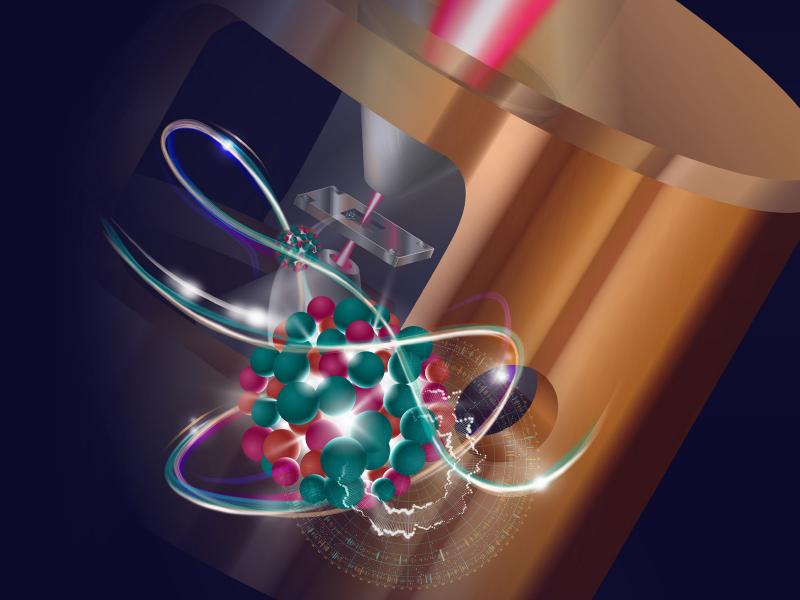
Infusing data science and artificial intelligence into electron microscopy could advance energy storage, quantum information science, and materials design.
Tracking down nefarious users is just one example of work at PNNL’s Center for Advanced Technology Evaluation, a computing proving ground supported by DOE’s Advanced Scientific Computing Research program.
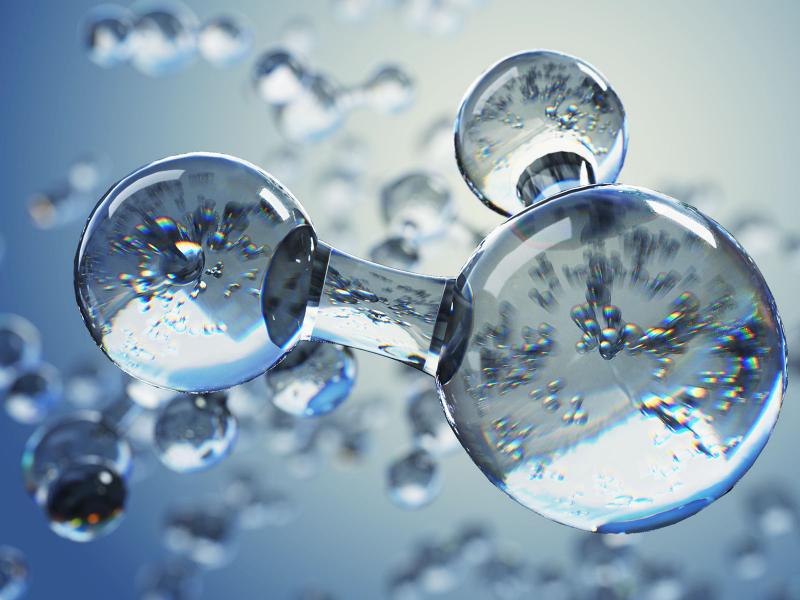
Pacific Northwest National Laboratory researchers used machine learning to explore the largest water clusters database, identifying—with the most accurate neural network—important information about this life-essential molecule.
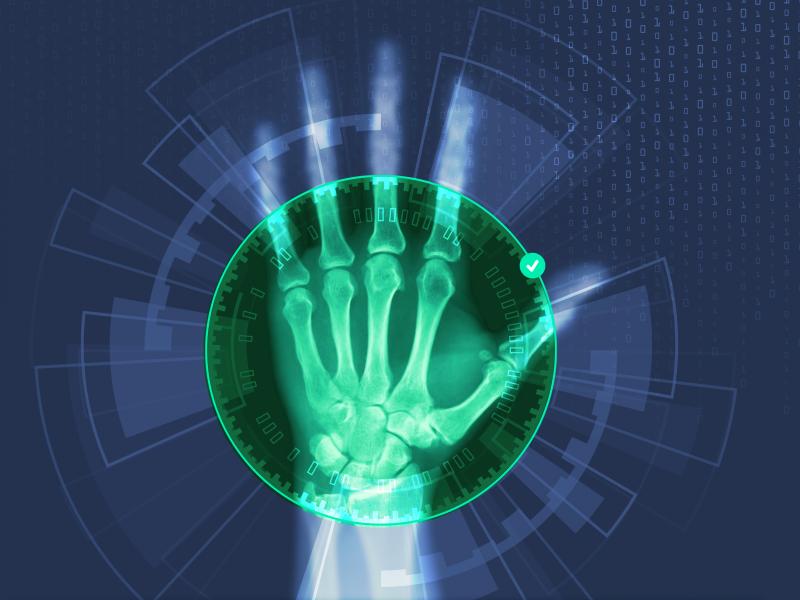
PNNL researchers used machine learning to develop a tool for a nonprofit to identify orthopedic implants in X-ray images to improve surgical speed and accuracy.
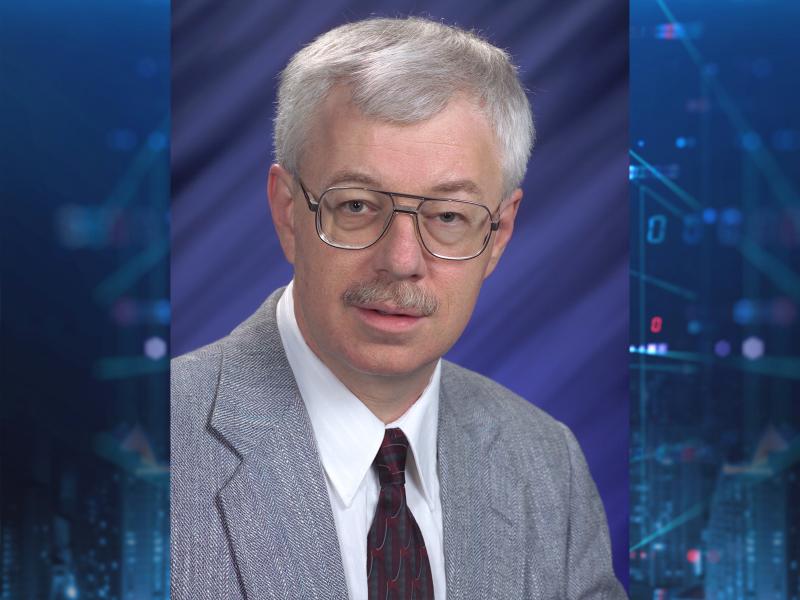
The American Society for Quality (ASQ) has recognized Laboratory Fellow and Pacific Northwest National Laboratory (PNNL) Statistician Greg Piepel with the William G. Hunter Award.
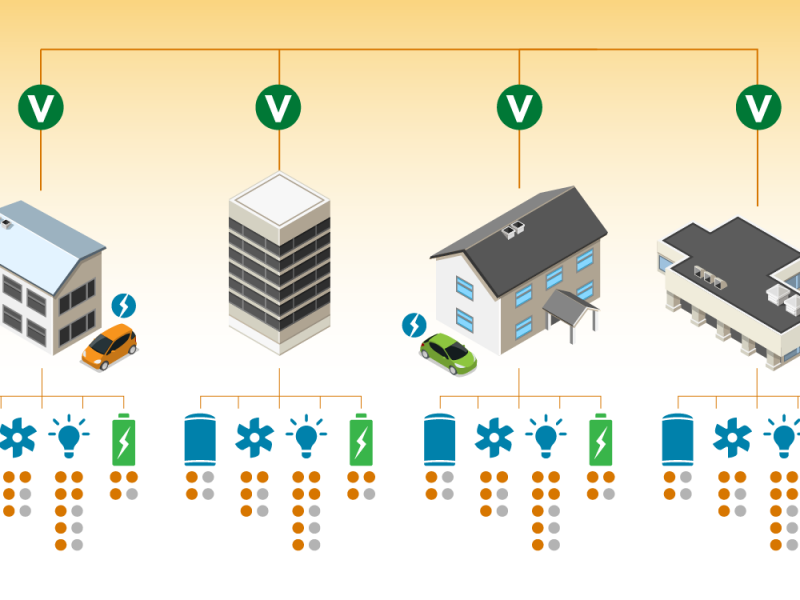
The PNNL-developed VOLTTRON™ software platform’s advancement has benefited from a community-driven approach. The technology has been used in buildings nationwide, including most recently on a university campus.
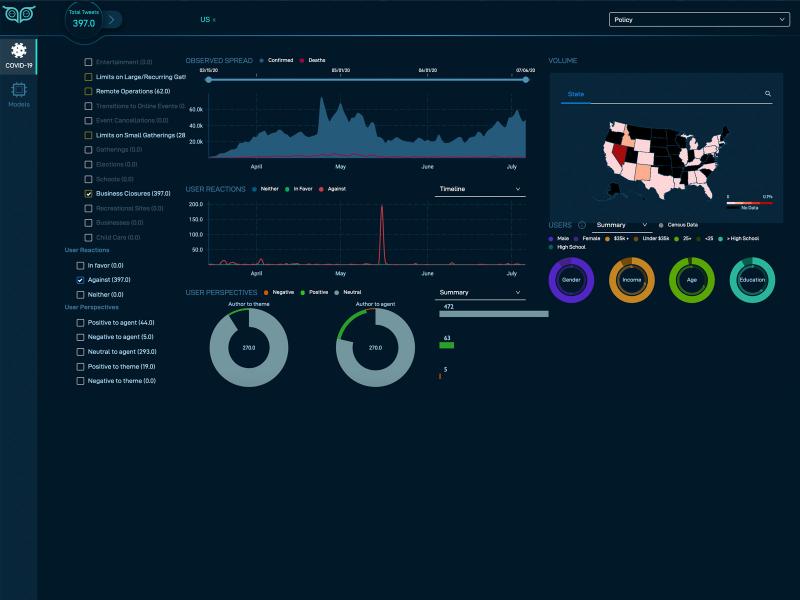
PNNL scientists have created a tool called WatchOwl to collect more than 4 million tweets per day related to the COVID-19 pandemic. The tool analyzes tweets related to interventions like social distancing and movement restrictions.
PNNL ocean engineer Alicia Gorton was invited to serve on the advisory board of the Department of Civil, Environmental, and Ocean Engineering at the Stevens Institute of Technology.
Contributions from researchers across Pacific Northwest National Laboratory (PNNL) were recently recognized in the preliminary findings of a Secretary of Energy Advisory Board (SEAB) report.
A 2011 earthquake and tsunami in Japan that knocked out a nuclear power plant helped inspire PNNL computational scientists looking for clues of future nuclear reactor mishaps by tracking radioactive iodine.
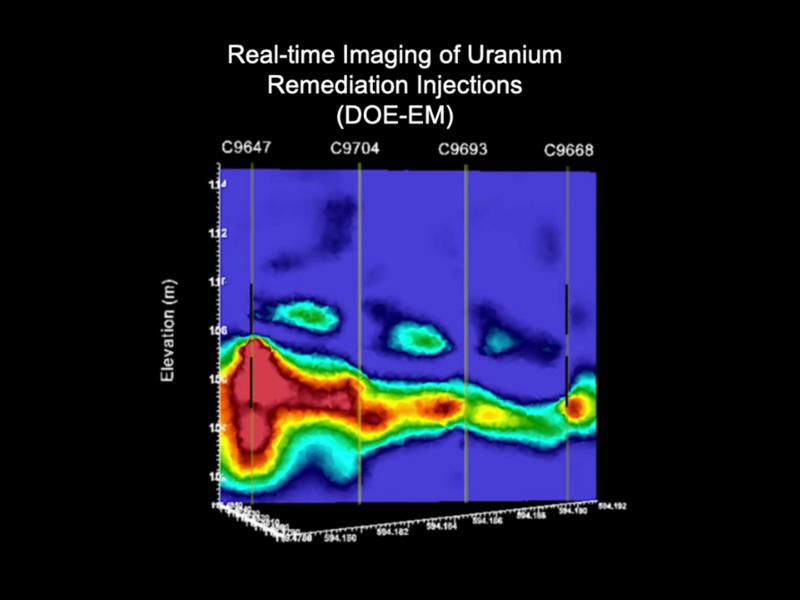
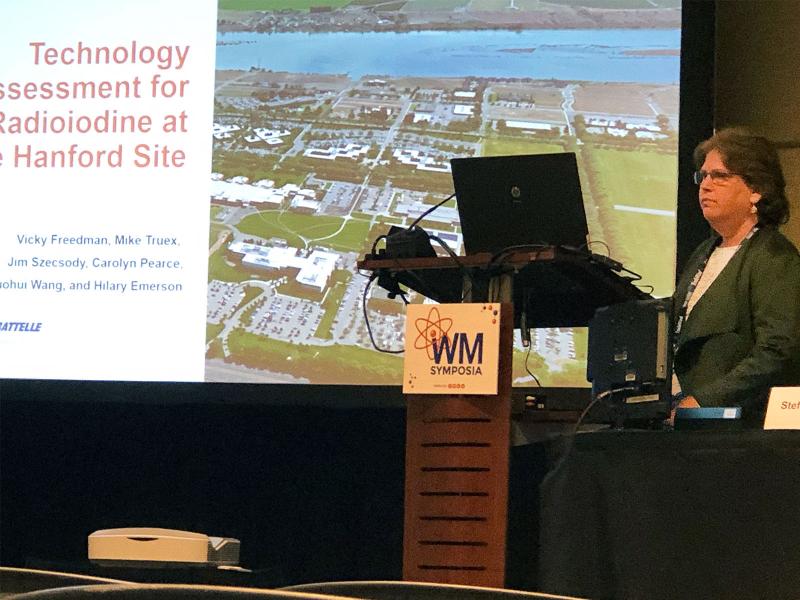
Environmental engineer Mike Truex presented an Environmental Protection Agency webinar about how conceptual site models must change as new data is acquired for remedy optimization.
At PNNL, subsurface science inhabits two separate but interlocking worlds. One looks at basic science, the other at applied science and engineering. Both are funded by the U.S. Department of Energy (DOE).