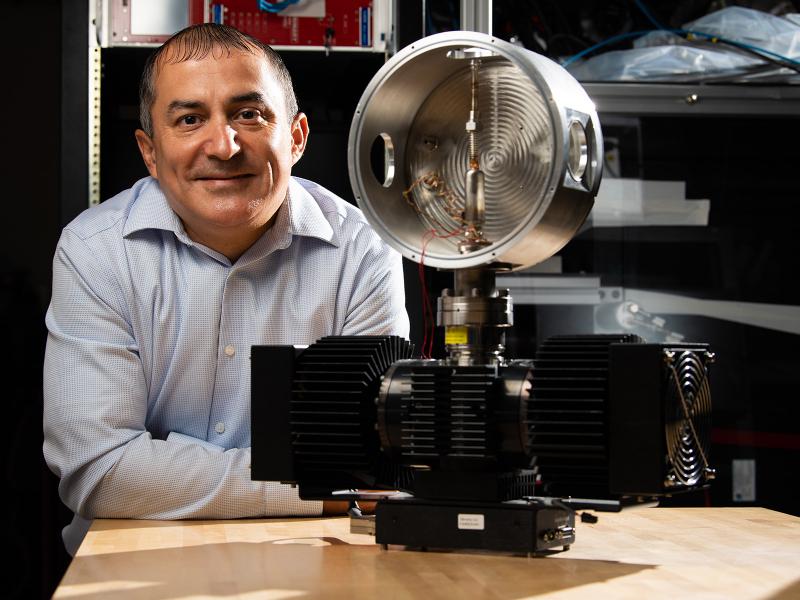
Rey Suarez is a nuclear nonproliferation researcher who is working on equipment that can detect radionuclides emitted from a nuclear explosion as part of treaty monitoring.
A paper by PNNL scientists on nuclear explosion monitoring technology is among top articles in nuclear instruments journal to draw most social media “buzz.”
Researchers at PNNL examined heat pump water heater (HPWH) operation in Pacific Northwest residences, gaining insights into HPWH electricity use patterns. Part of the study captured trends during a COVID-19 stay-at-home order.
The Washington State Academy of Sciences consists of more than 300 elected members who are nationally recognized for their scientific and technical expertise.
PNNL provided ultra-low measurements of argon-39 to date groundwater as part of a collaborative study of the aquifer in California’s San Joaquin Valley. PNNL is one of only a few laboratories worldwide with this capability.
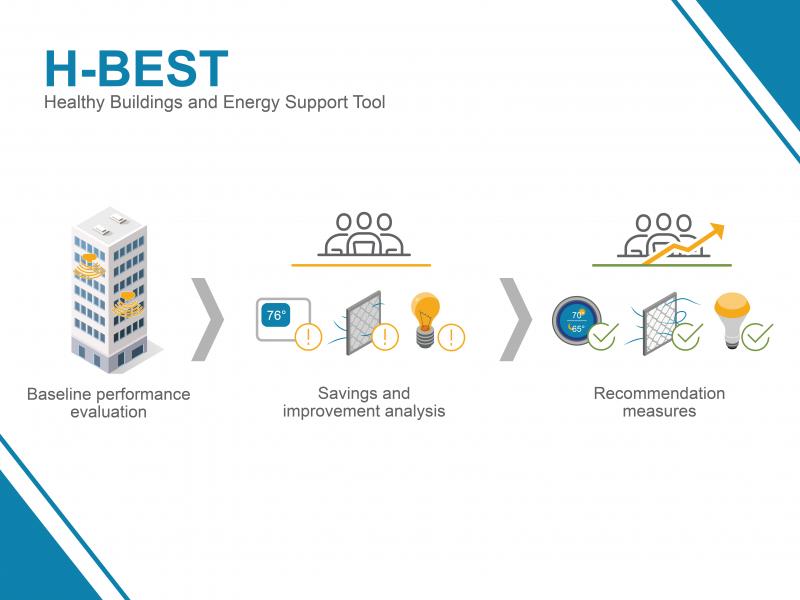
The first customized resource of its kind, H-BEST analyzes the indoor environmental quality profile for buildings and helps its users identify the costs and benefits of improvements.
PNNL’s Supriya Goel has been named by Consulting-Specifying Engineer as one of 2021’s 40 outstanding nonresidential building industry professionals age 40 or younger.
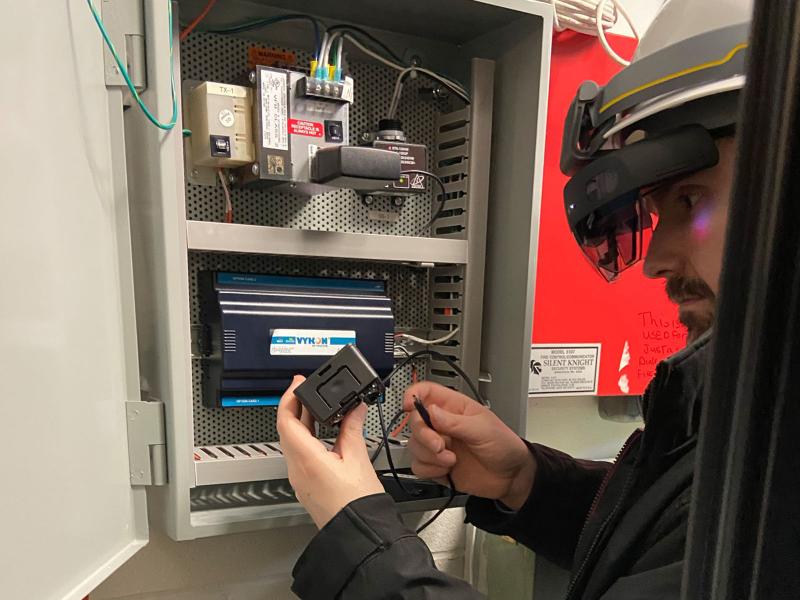
When the COVID-19 pandemic halted all travel for in-person inspections, a team at PNNL knew they needed to find a way to perform assessments virtually. Their solution—a portable kit that could be shipped to locations.
Vigorous and rapid air exchanges might not always be a good thing when it comes to levels of coronavirus particles in a multiroom building, according to a new modeling study.
PNNL provided expert analysis and technical background for some of the most ambitious building energy efficiency codes proposed for this year's International Energy Conservation Code updates.
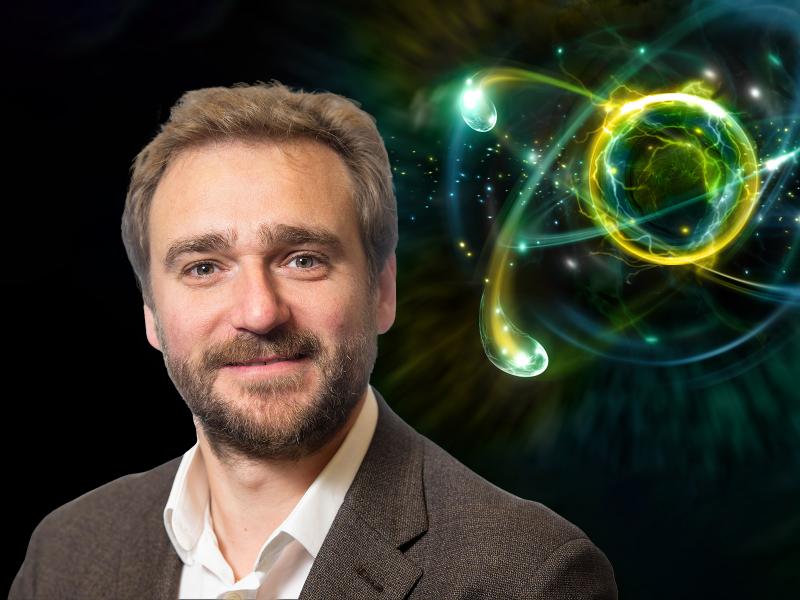
As a physicist at PNNL, Jon Burnett’s work is about developing instruments to detect ultra-trace radionuclide signatures, analyze samples from around the world to look for evidence of nuclear explosions, and then interpret that information.