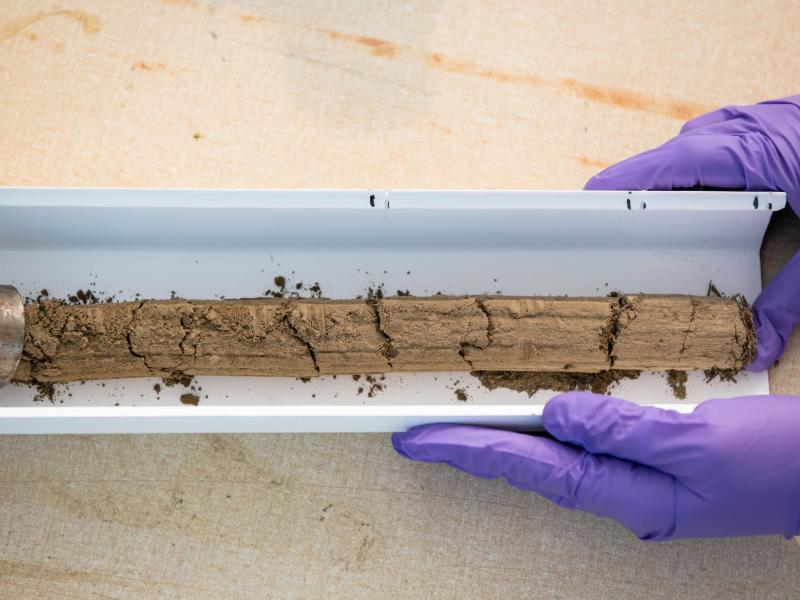
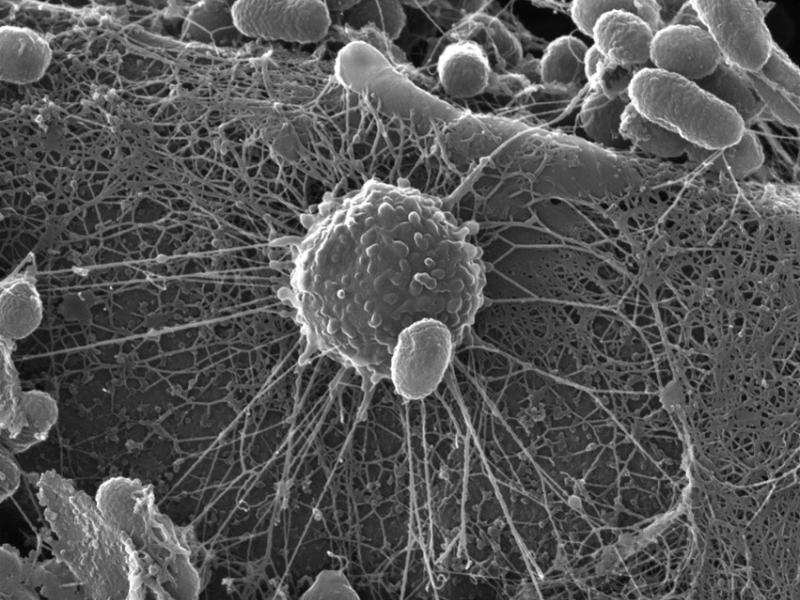
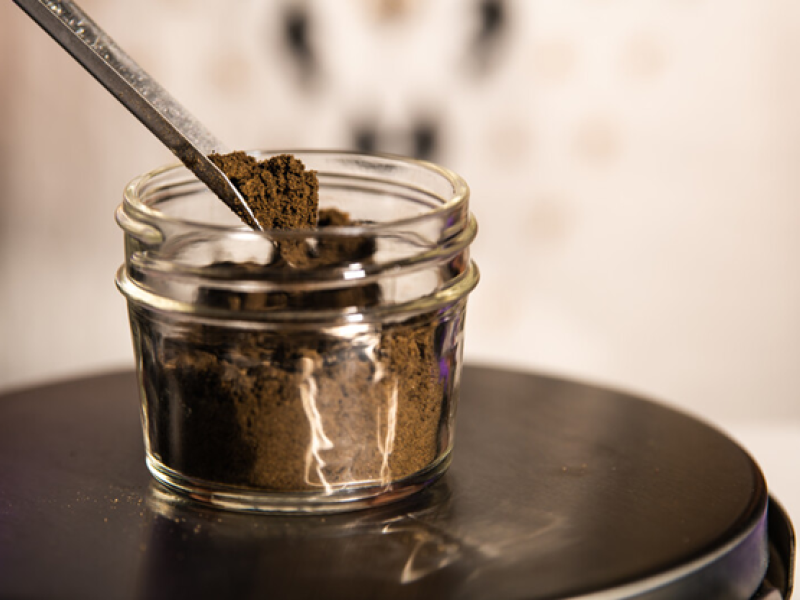
A rich and largely untapped reservoir of lipids in soil environments was used to examine microorganisms’ physiological responses to drying-rewetting cycles.
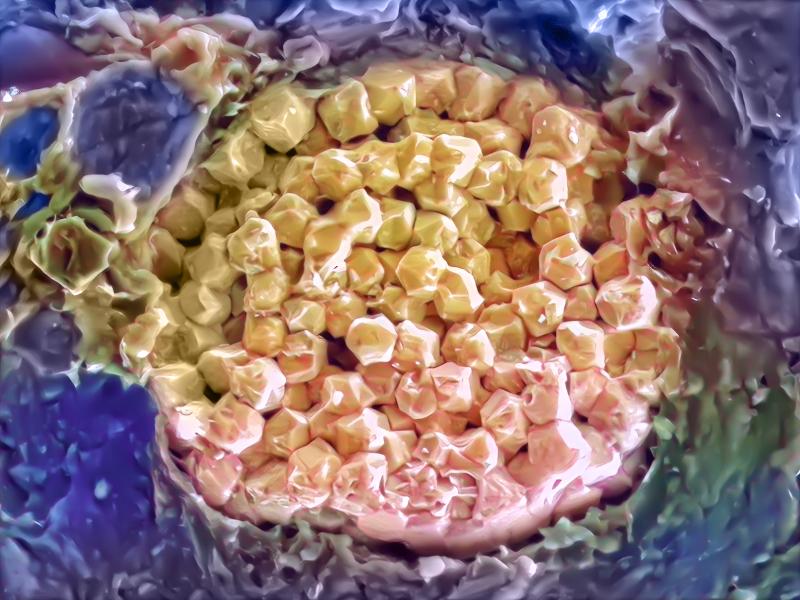
A team from the Environmental Molecular Sciences Laboratory published research, demonstrating that the soil microbes were directly involved in the stabilization of soil organic carbon and mineral weathering.
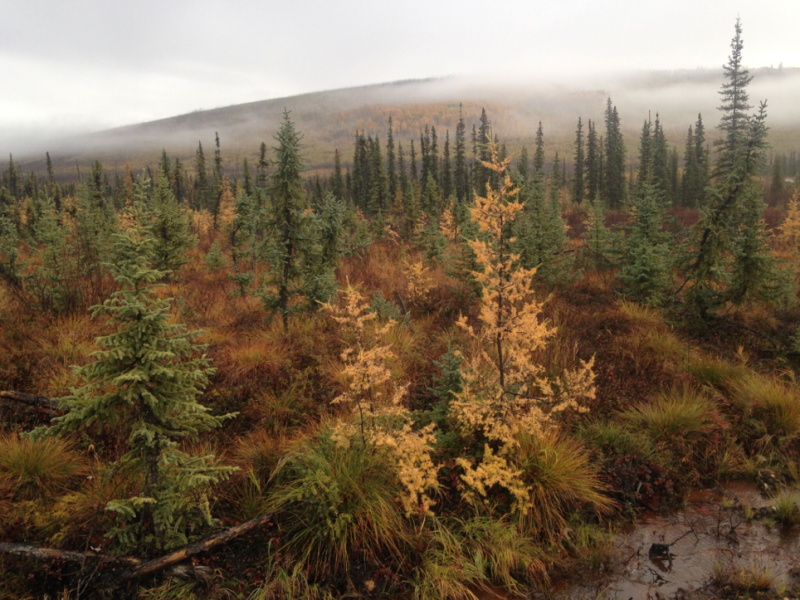
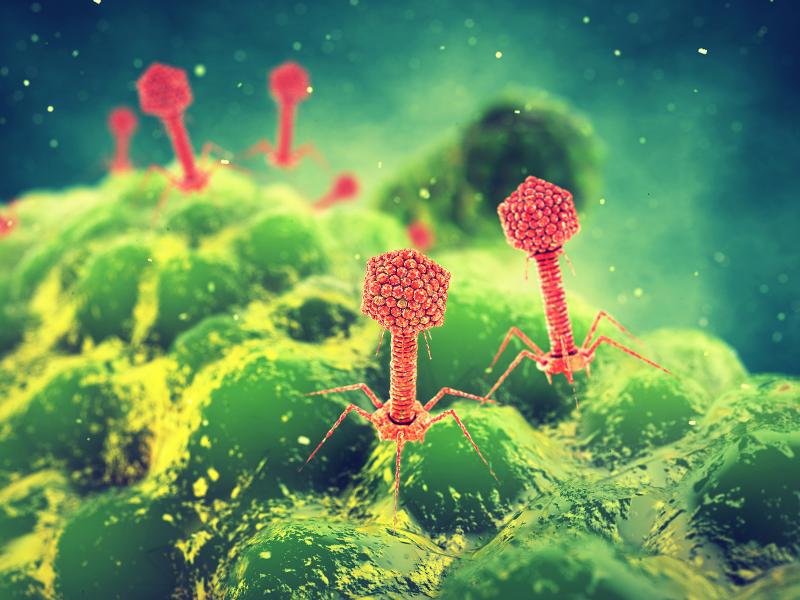
Microbes that were previously frozen in soils are becoming more active. This study demonstrates the diverse RNA viral communities found in thawed permafrost.
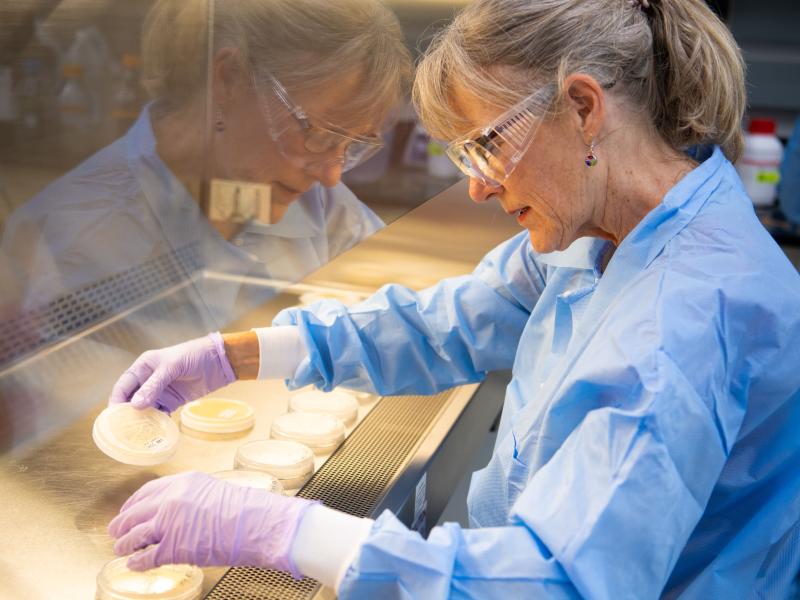
PNNL Biomedical Scientist Geremy Clair has taken on new roles as an editor for two journals; Frontiers In Cellular And Infection Microbiology and Frontiers In Molecular Biosciences.
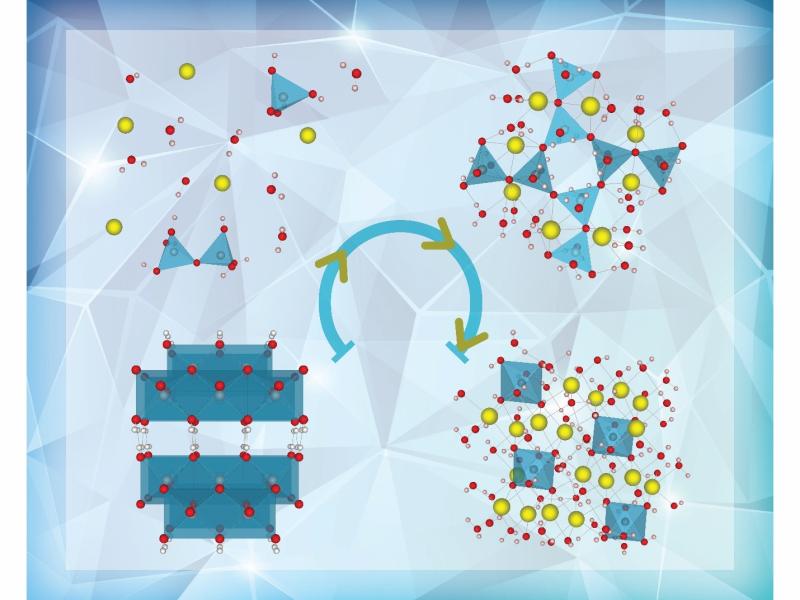
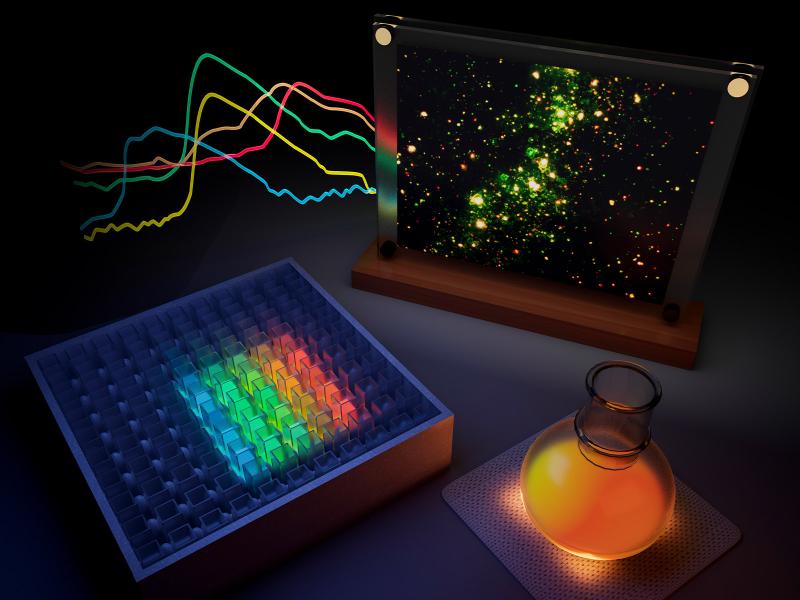
PNNL research, featured on the cover of two science journals, describes advancements in using Raman spectrometry for Hanford Site nuclear waste remediation.
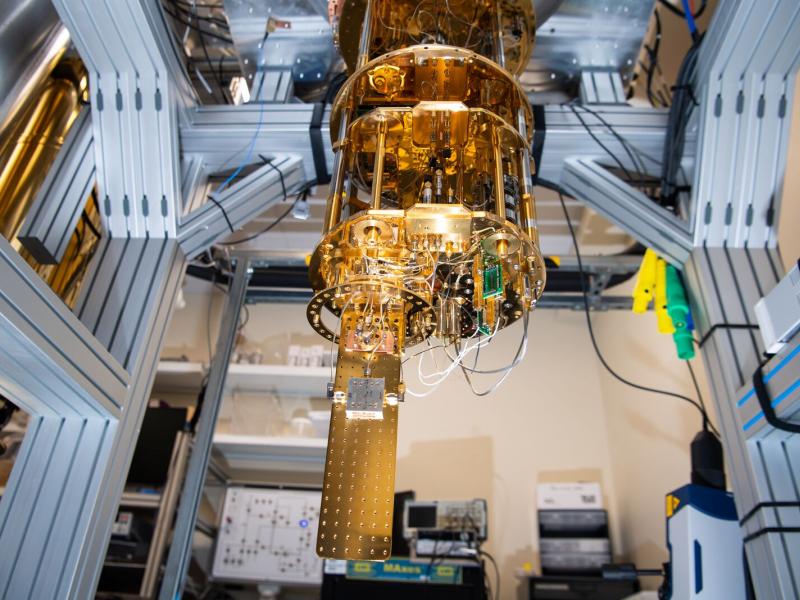
A new testbed facility capable of testing superconducting qubit fidelity in a controlled environment free of stray background radiation will benefit quantum information sciences and the development of quantum computing.
The PNNL-led research partnership focused on the chemistry of nuclear waste also announced new leadership roles for representatives of Oak Ridge National Laboratory, Colorado State University, and the University of Washington.