At the Nonproliferation, Counterproliferation, and Disarmament Science Gordon Research Conference, researchers from PNNL shared research and scientific approaches for countering diverse threats.
Bradley Crowell with the U.S. Nuclear Regulatory Commission sees advanced materials integrity, radiological measurement, and environmental capabilities on his first visit to PNNL.
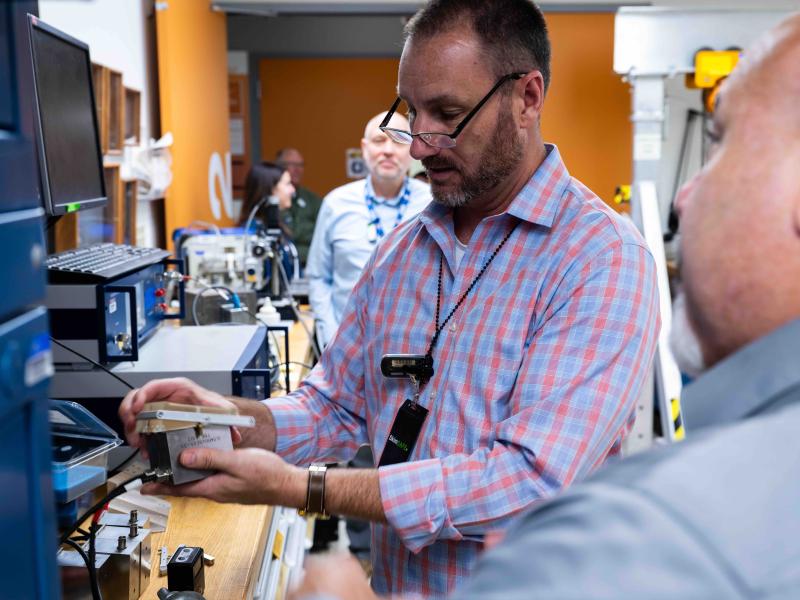
PNNL recently joined the Department of Homeland Security for two technical meetings exploring national security research spanning the threat realm, from chemical and biological attacks to adversarial artificial intelligence.
PNNL’s wide-ranging report maps the current nanobiotechnology landscape, flags potential concerns, and details the need for an organizing body to coordinate currently disparate disciplines.
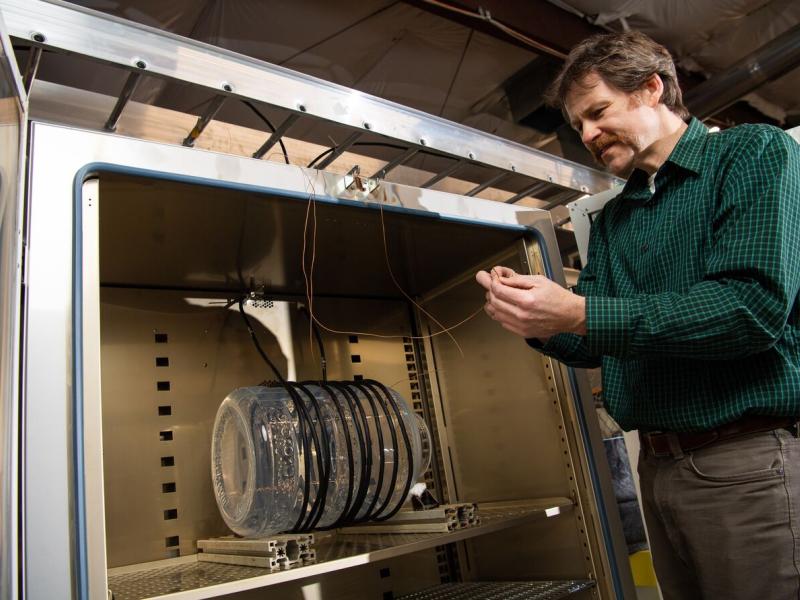
PNNL’s ARENA test bed analyzes how electrical cables degrade in extreme environments and how nondestructive examination inspection technologies can detect and locate damage.
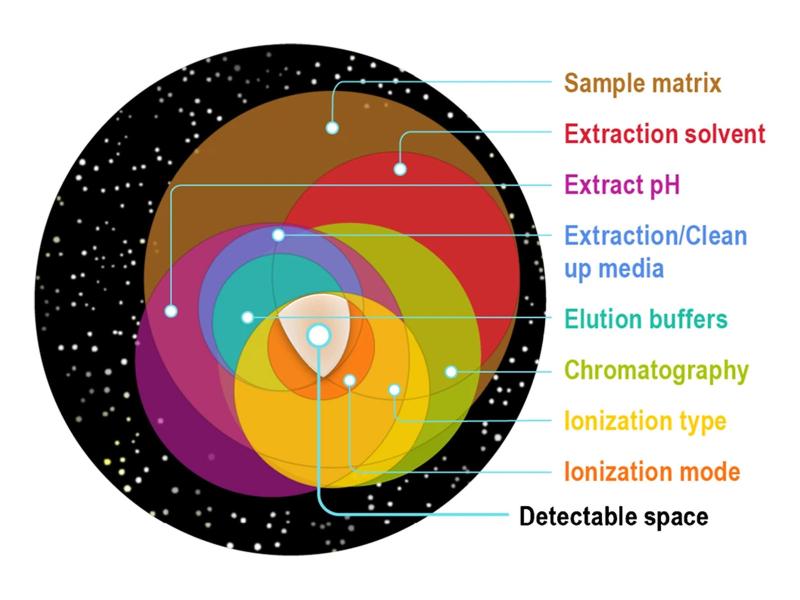
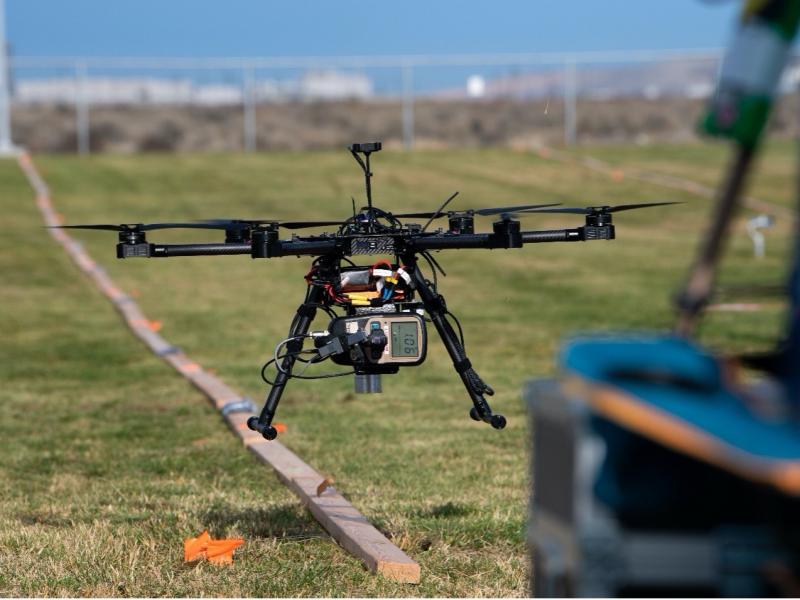
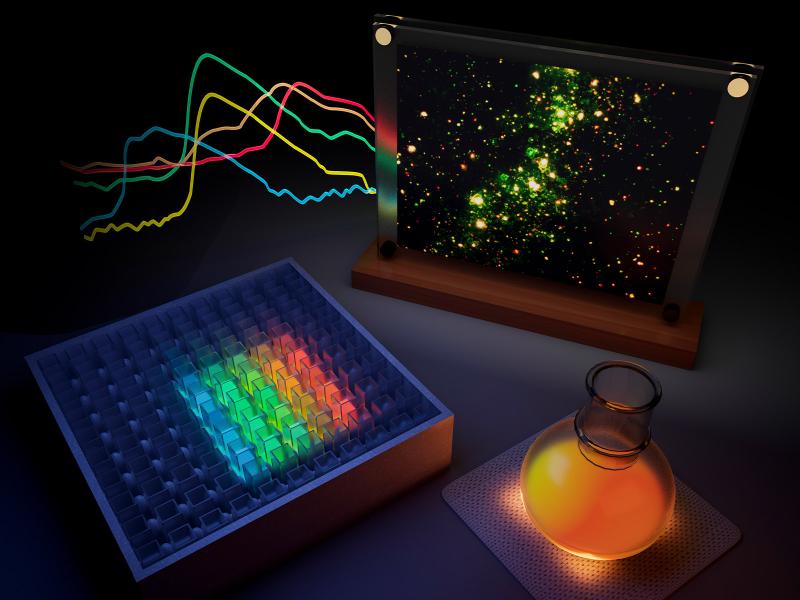
The ChemSpace Tool, when fully developed, is intended to divide chemical space into three subsets: the detectable space, the identifiable space, and the region that includes compounds that are not detectable or identifiable.
As the world races to discover solutions for reaching net zero carbon emissions, a PNNL analysis quantifies the economic value of the existing nuclear power fleet and its carbon-free energy contributions.
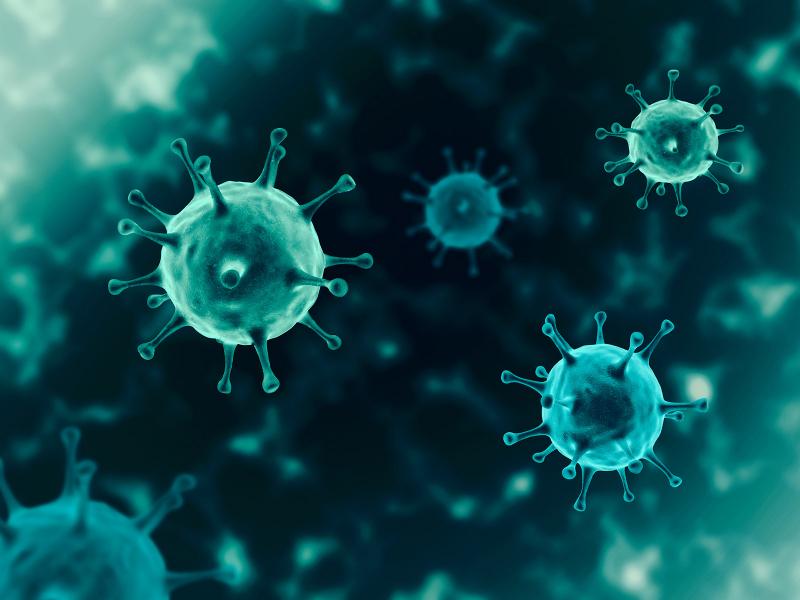
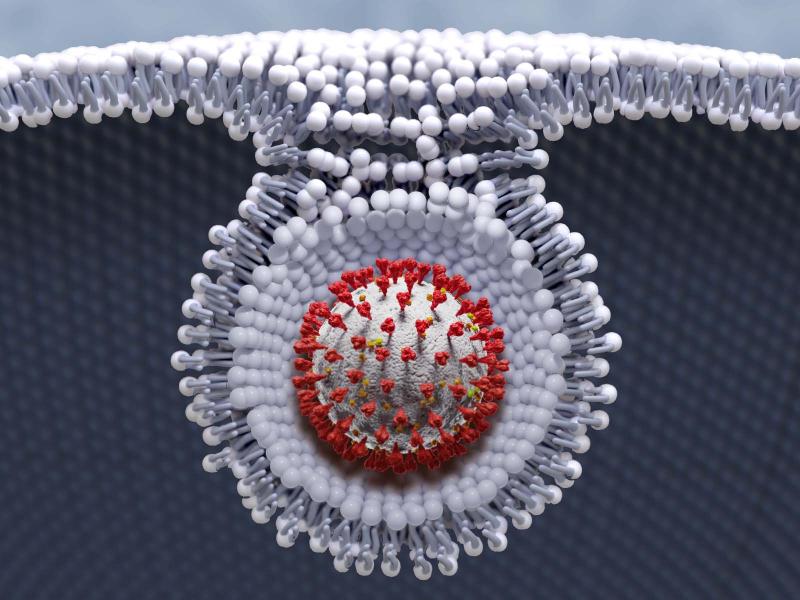
Microbes that were previously frozen in soils are becoming more active. This study demonstrates the diverse RNA viral communities found in thawed permafrost.
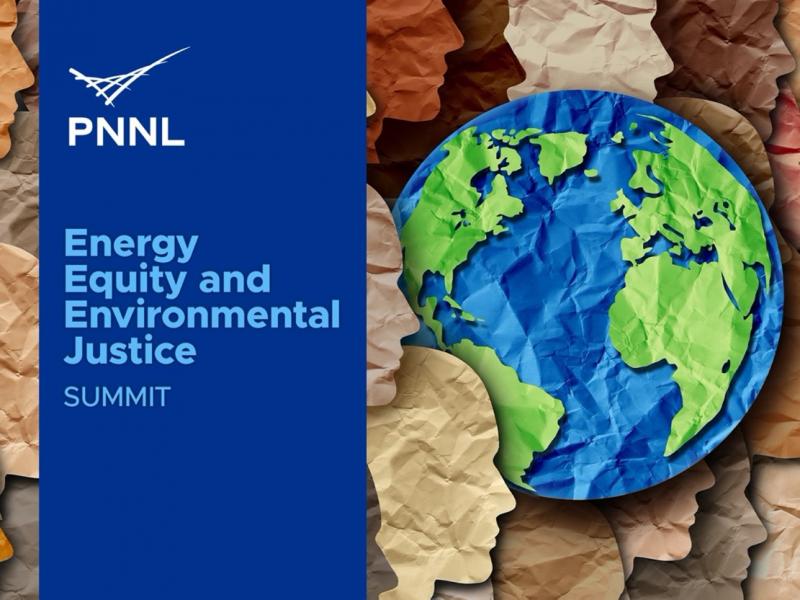
PNNL gathered researchers from eight national laboratories plus the U.S. Department of Energy (DOE) to share ideas and build synergy at the Energy Equity and Environmental Justice Summit.
Biomedical scientist George Bonheyo has been selected as chair of a new International Electrotechnical Commission committee charged with creating standards for researching and measuring biofouling on marine energy systems.
Eight PNNL research papers were recognized by the 2022 Waste Management Symposia as “Papers of Note” and “Superior.” One paper received a Best Oral Paper/Presentation Award.