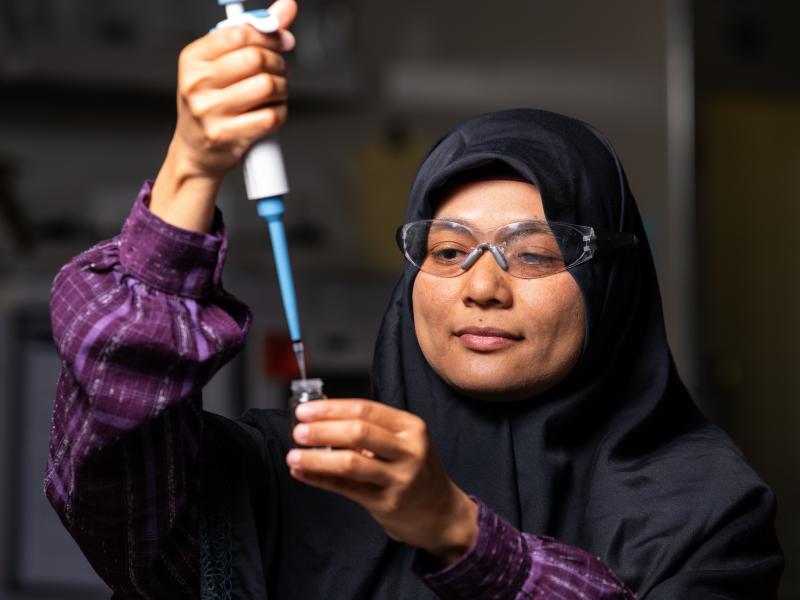
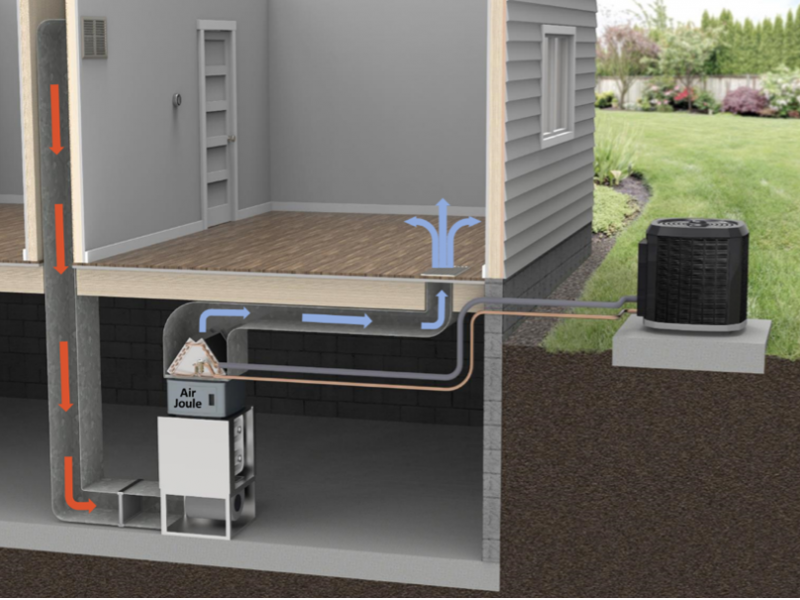
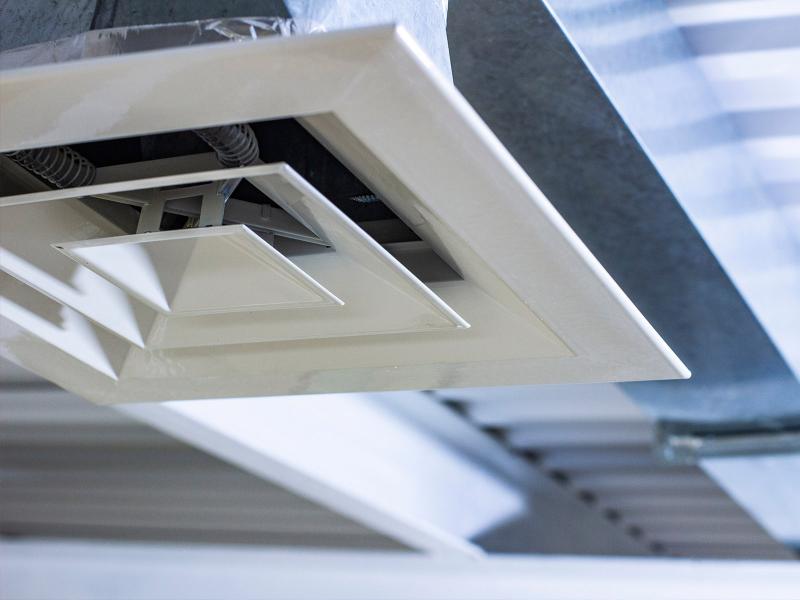
Researchers developed two solutions for air-conditioning—a novel, energy-efficient dehumidification system and a technology to detect refrigerant leaks. Both help increase energy-efficiency and reduce costs.
A new research partnership between PNNL and the University of Nevada, Reno aims to tackle critical challenges such as climate change, infrastructure resilience and cybersecurity.
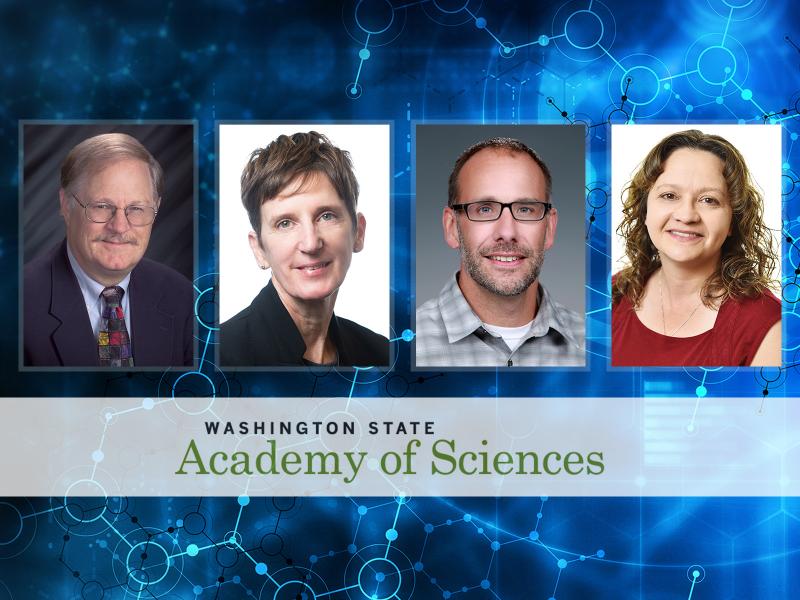
The Washington State Academy of Sciences consists of more than 300 elected members who are nationally recognized for their scientific and technical expertise.
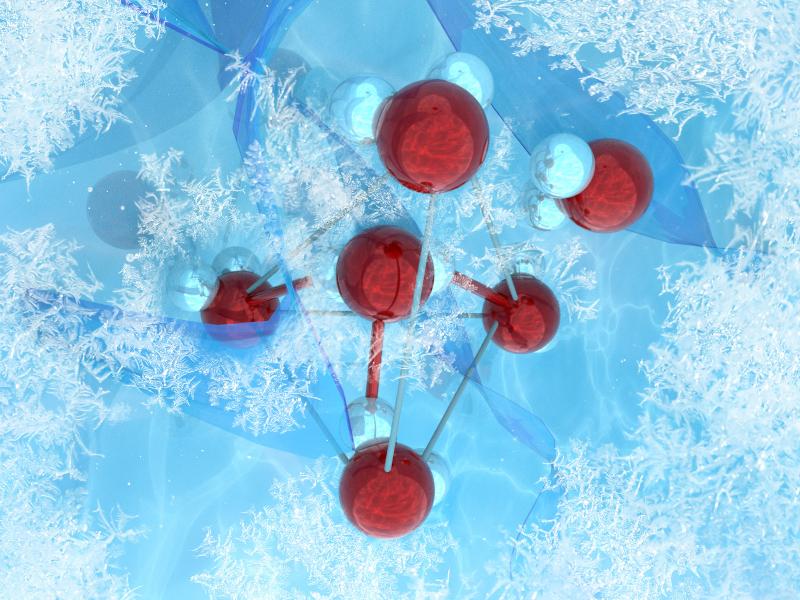
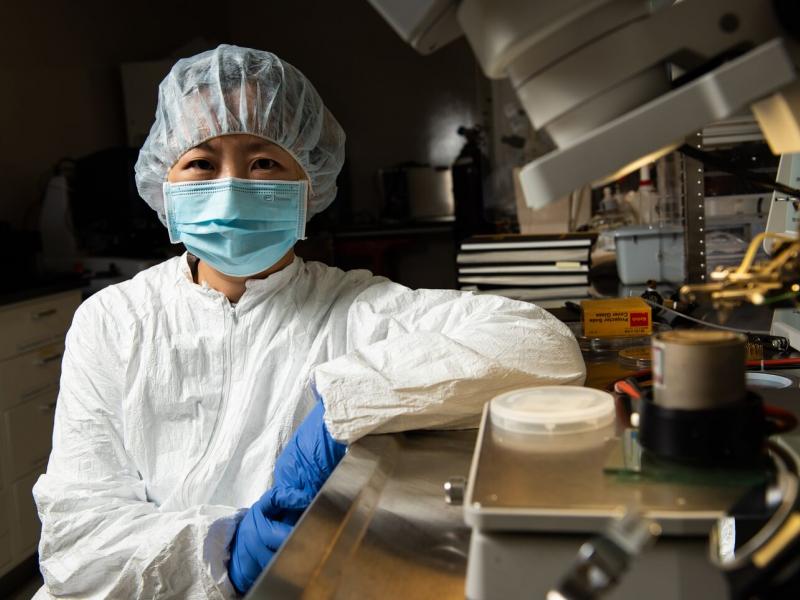
New study elucidates the complex relaxation kinetics of supercooled water using a pulsed laser heating technique at previously inaccessible temperatures.
Three recent doctoral graduates are beginning their research careers at Pacific Northwest National Laboratory after completing the WSU-PNNL Distinguished Graduate Research Program this spring.
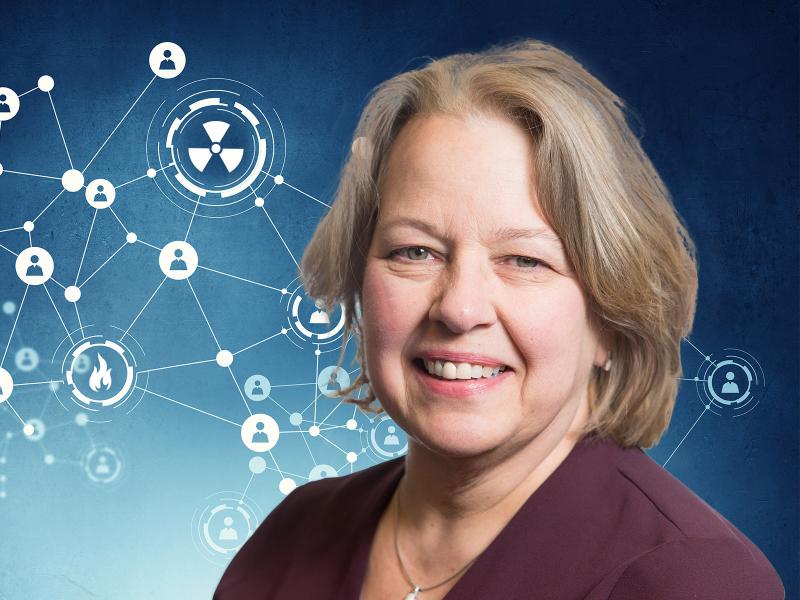
A report published by the National Academies of Sciences, Engineering, and Medicine Committee on Applied Research Topics for Hazard Mitigation and Resilience focuses on social capital and connectedness for resilience.
PNNL’s energy-efficient dehumidifier may reduce energy consumption by up to 50% in residential A/C systems and increase the range of electric vehicles by up to 75%. The system has been licensed to Montana Technologies.
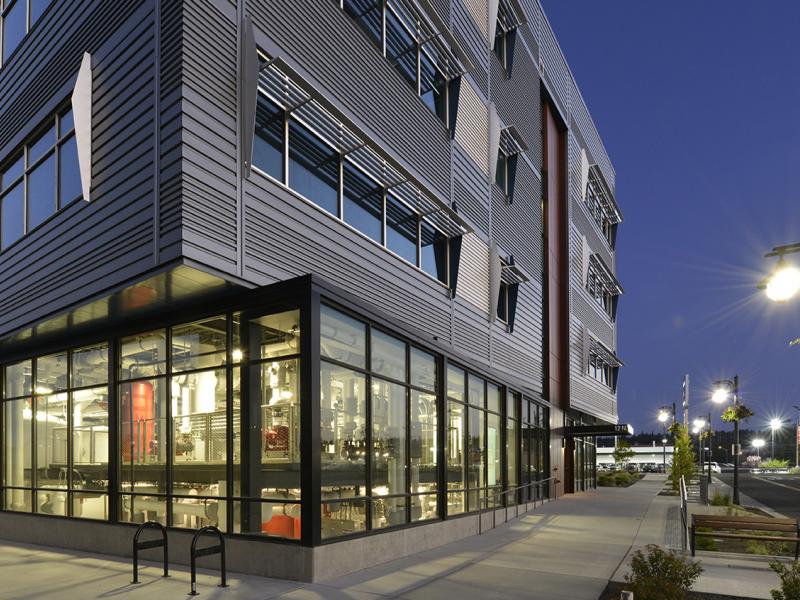
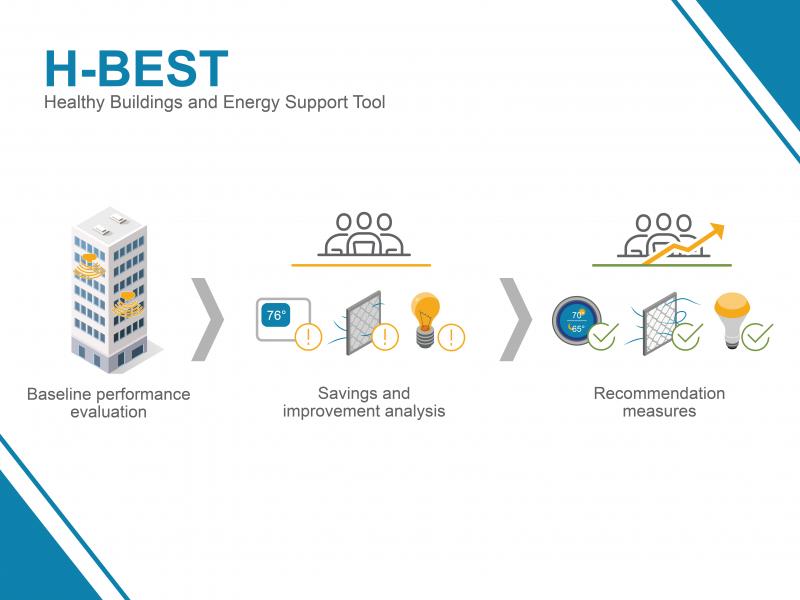
The first customized resource of its kind, H-BEST analyzes the indoor environmental quality profile for buildings and helps its users identify the costs and benefits of improvements.