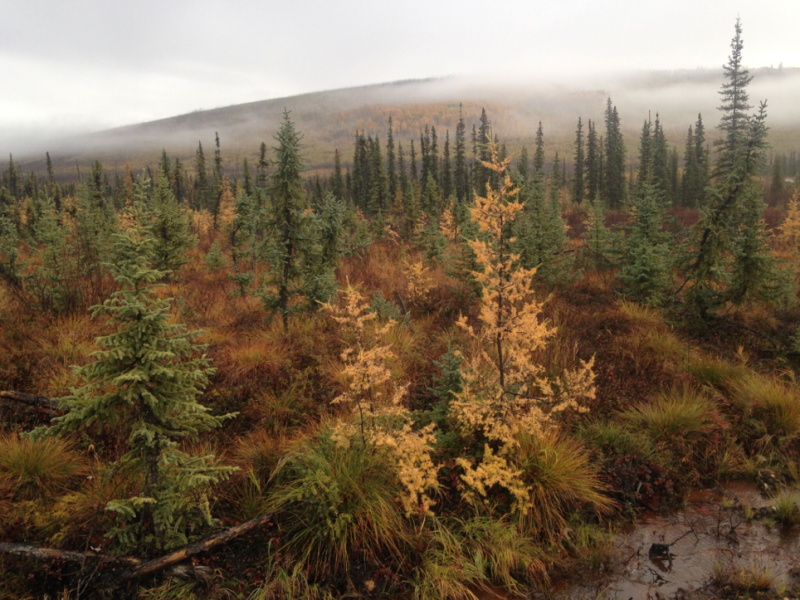
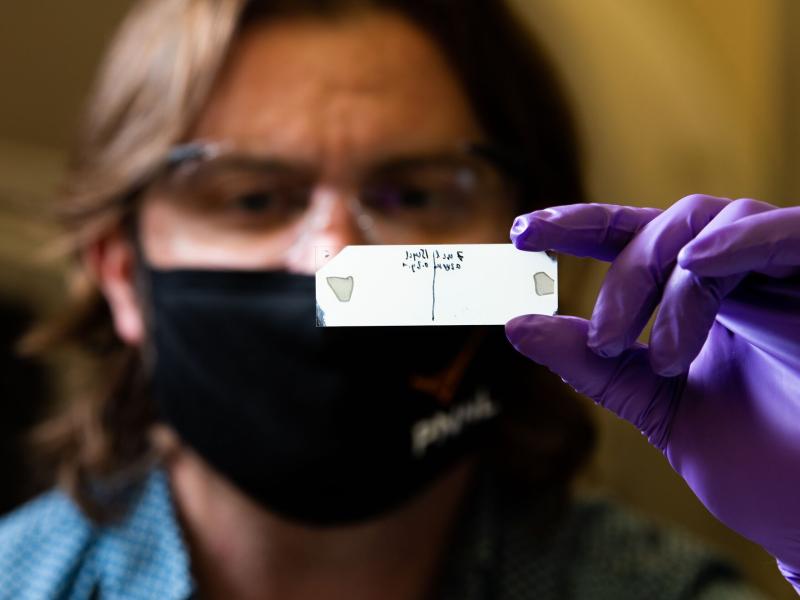
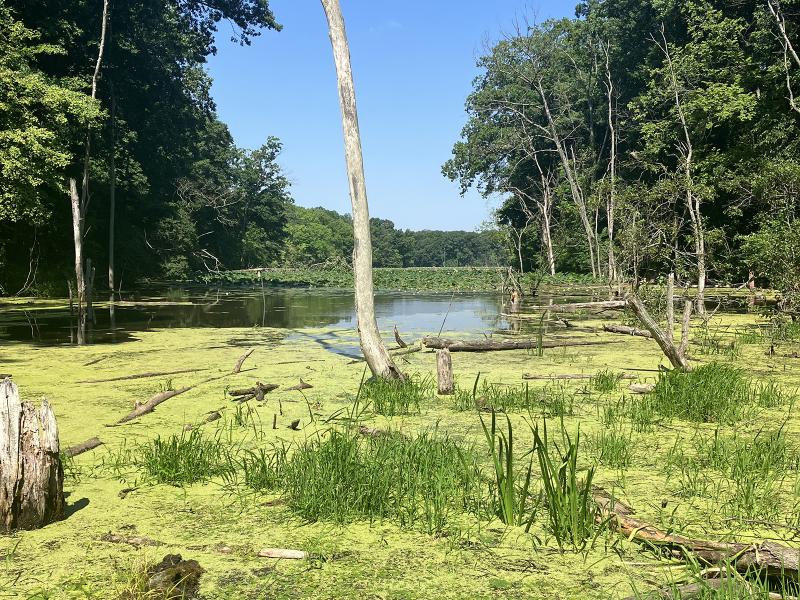
Microbes that were previously frozen in soils are becoming more active. This study demonstrates the diverse RNA viral communities found in thawed permafrost.
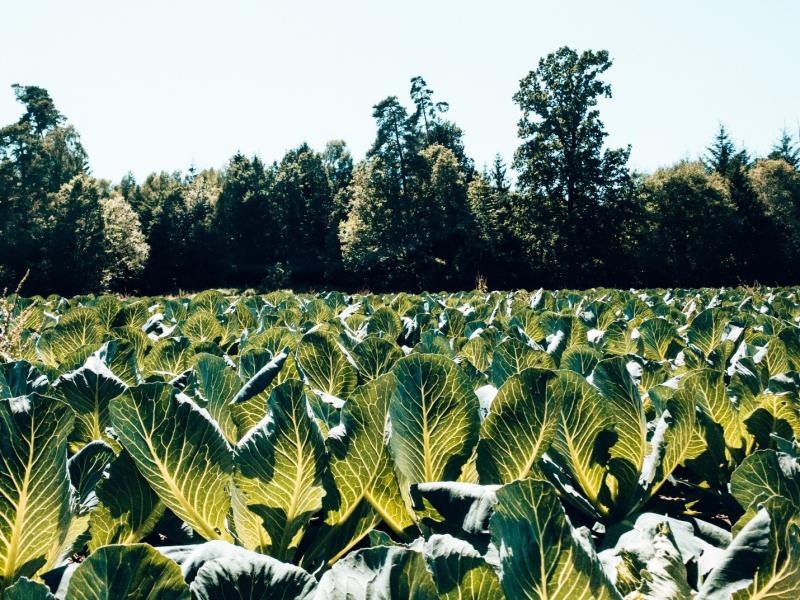
A systematic, multiple scenario approach was used to analyze the compounding impacts of demands for land for biofuels with increased land scarcity under a diverse set of uncertainties.
The Joint Appointment program at PNNL is one of the most diverse among other U.S. national laboratories, involving nearly 60 universities and research institutions in the United States and abroad.
To thwart pathogens, researchers in the epidemiology field of infectious disease (ID) prediction are continuously trying to forecast when, where, and how an ID event will occur.