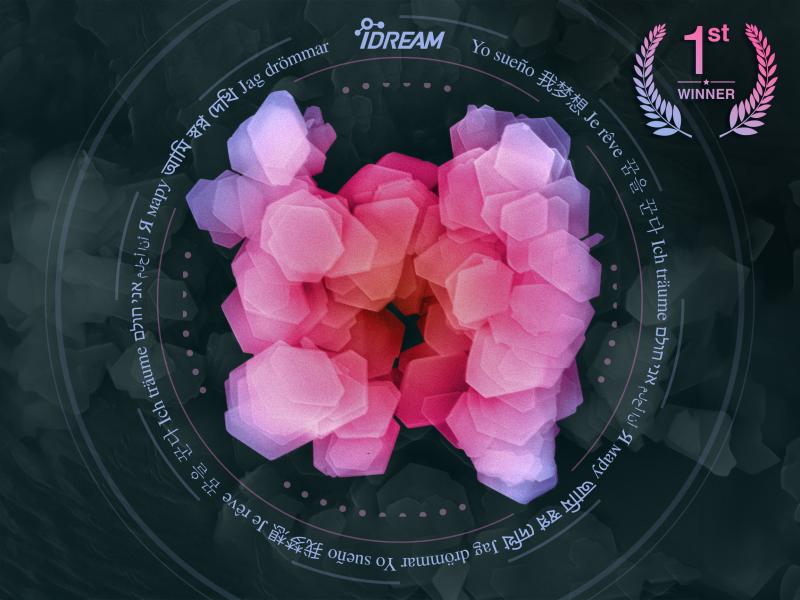
A poem inspired by radioactive tank waste—“Can a Scientist Dream it Alone?”—was awarded first place in the Department of Energy’s Poetry of Science Art Contest.
PNNL is honoring its postdoctoral researchers as part of the fourteenth annual National Postdoc Appreciation Week with seven profiles of postdocs from around the Laboratory.
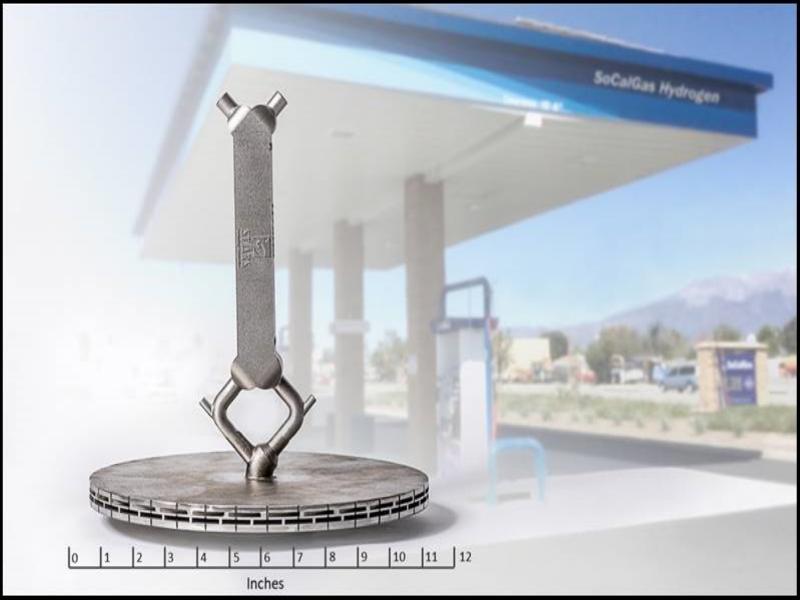
Patented microchannel heat-exchange technology enables the production of hydrogen from methane, the main ingredient of natural gas, while producing 30 percent less carbon dioxide than conventional processes.
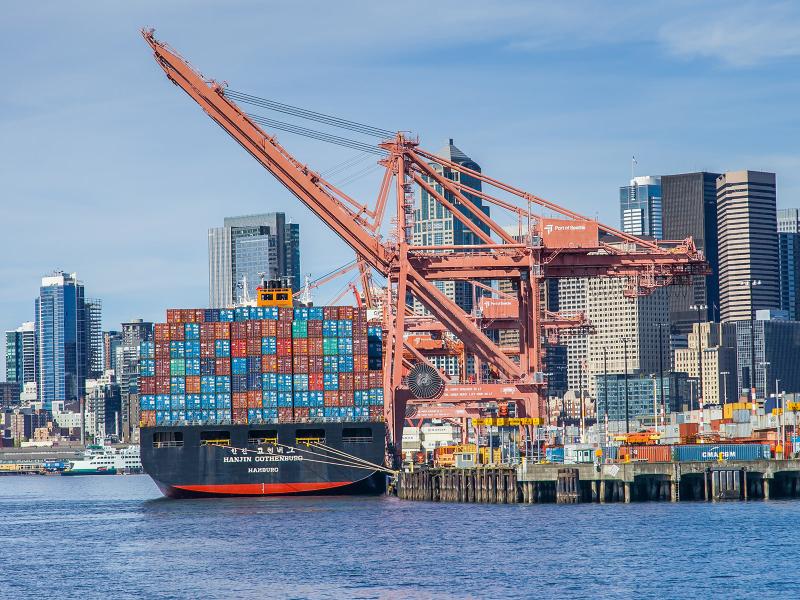
PNNL is working with the Port of Seattle and Seattle City Light to assess the risks of long-term hydrogen storage that can bring clean power for decarbonization.
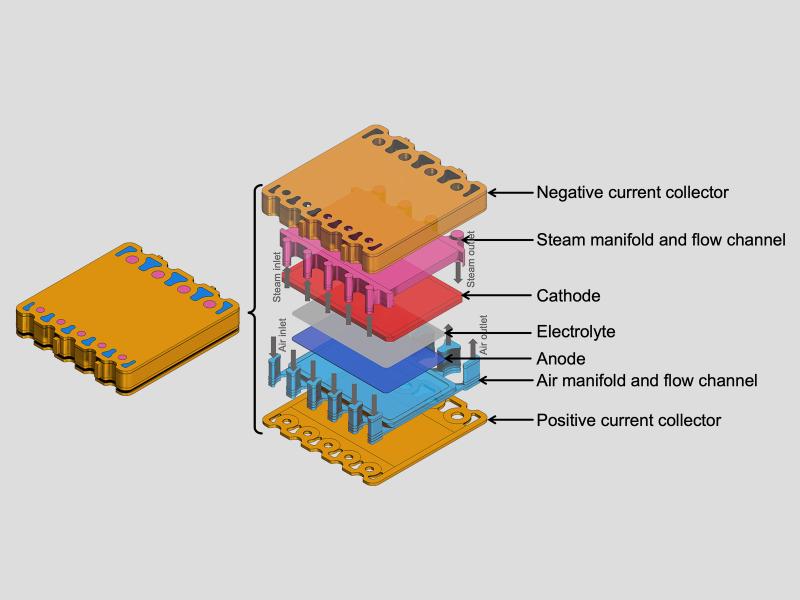
A PNNL team developed and used a model framework to understand the performance and structural reliability of a state-of-the-art solid oxide electrolysis cell design.
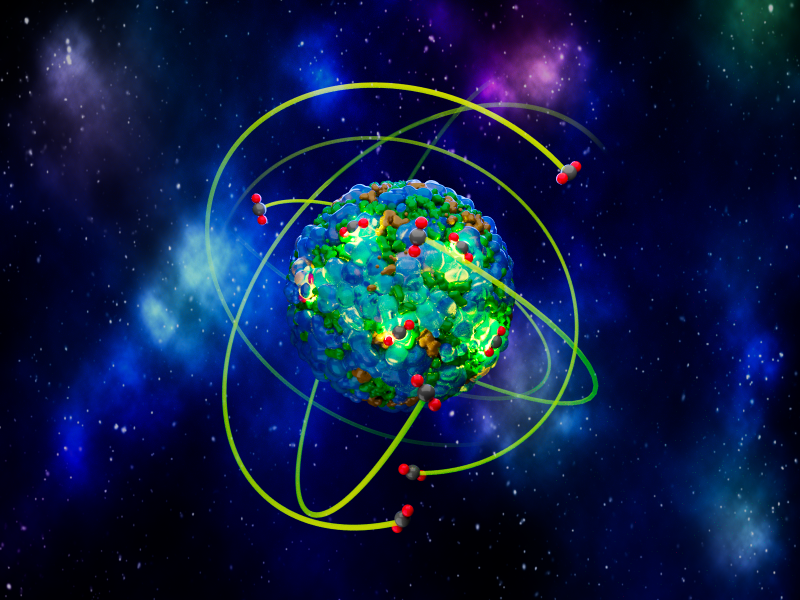
A new perspective article discusses how integrating carbon dioxide capture and conversion in solvents can lead to cheaper and more efficient carbon management systems.
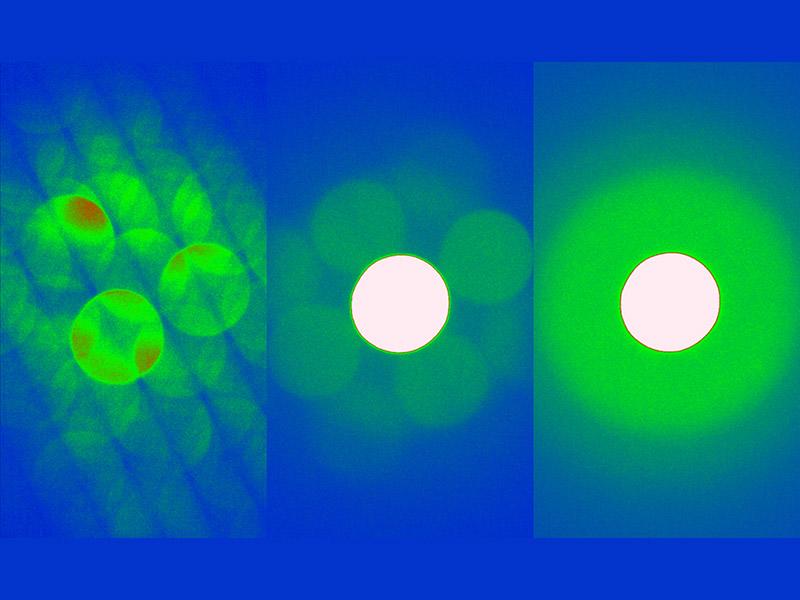
Researchers found that certain oxide interface configurations remain stable in extreme environments, suggesting ways to build better performing, more reliable devices for fuel cells, space-based electronics, and nuclear energy.