Researchers at PNNL are sharing work grounded in One Health, which connects human, animal, plant, and environmental data to improve situational awareness, early warning, and decision-making.
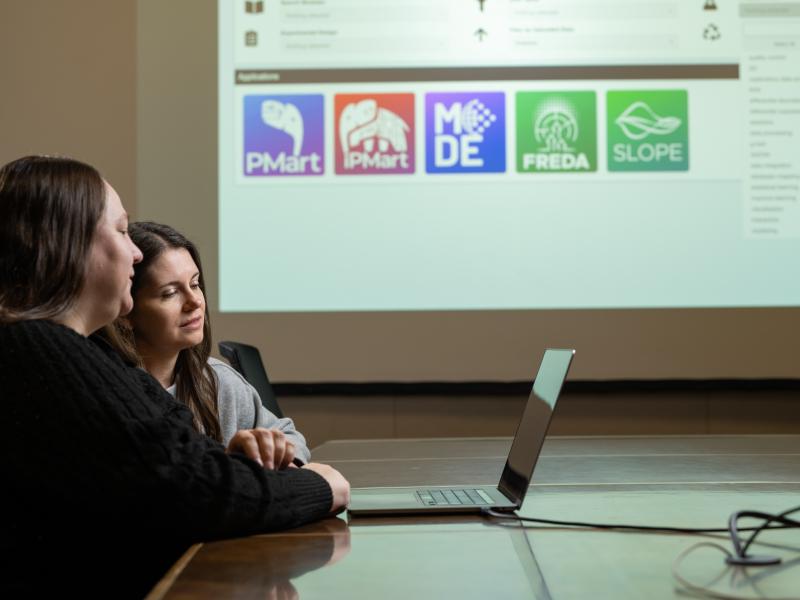
A new report highlights a public workshop hosted by the National Academies Forum on Microbial Threats and features PNNL's Lauren Charles and the AI-Driven One Health Security program.
Research at PNNL and the University of Texas at El Paso are addressing computational challenges of thinking beyond the list and developing bioagent-agnostic signatures to assess threats.
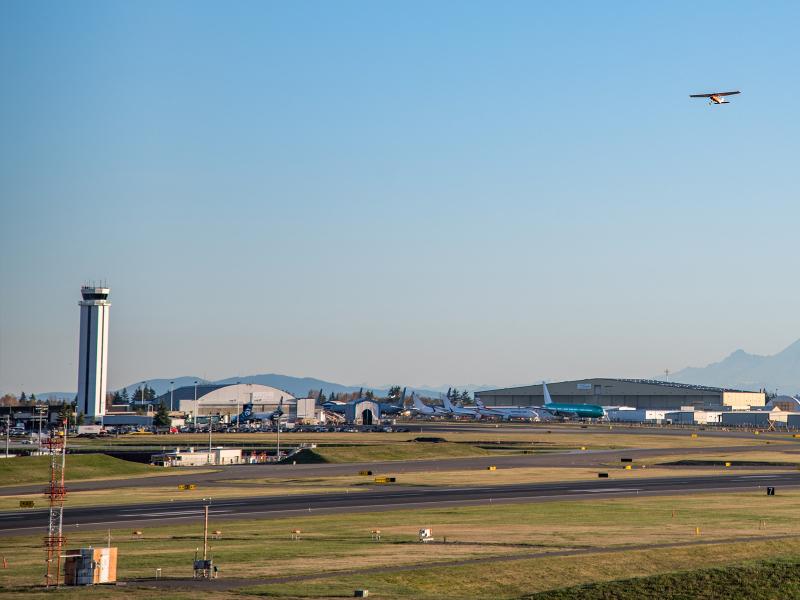
An initiative from Washington State University and Snohomish County leaders is aiming to make Paine Field a nexus for testing and improving sustainable aviation fuels made from non-petroleum materials.
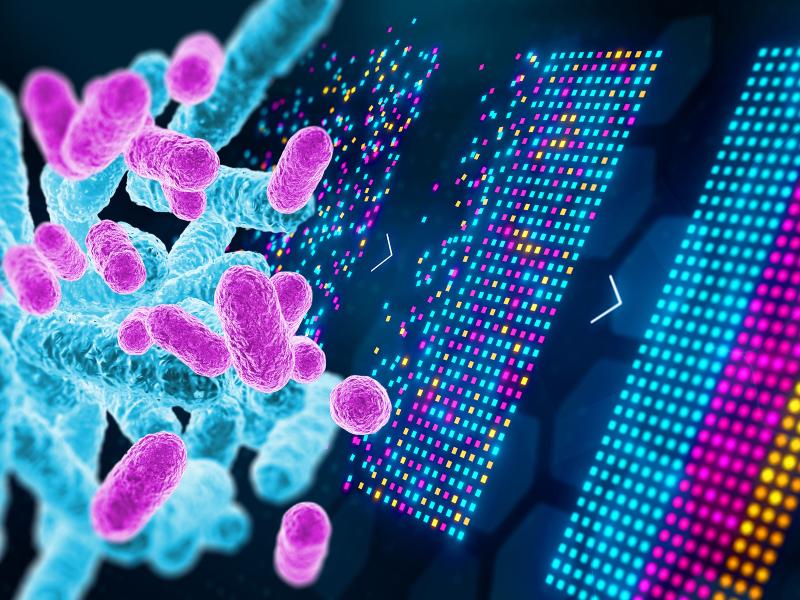
A team of researchers from PNNL provided technical knowledge and support to test a suite of techniques that detect genetically modified bacteria, viruses, and cells.
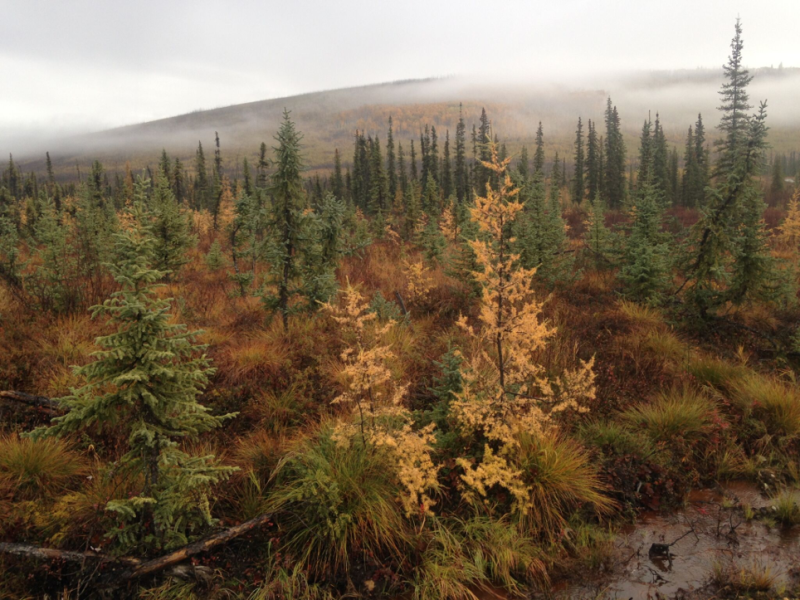
Microbes that were previously frozen in soils are becoming more active. This study demonstrates the diverse RNA viral communities found in thawed permafrost.
A process developed at PNNL that converts biomass and waste into a chemical intermediate or into gasoline, diesel, and jet fuel is available for commercial licensing.