Replacing commercial acid with acidic waste enables researchers to improve nickel extraction efficiency, lower projected costs, and improve process economics.
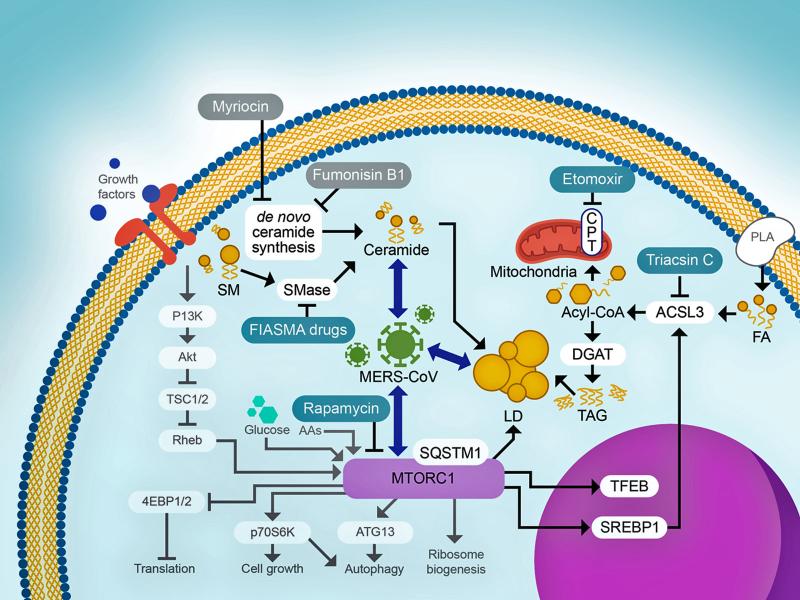
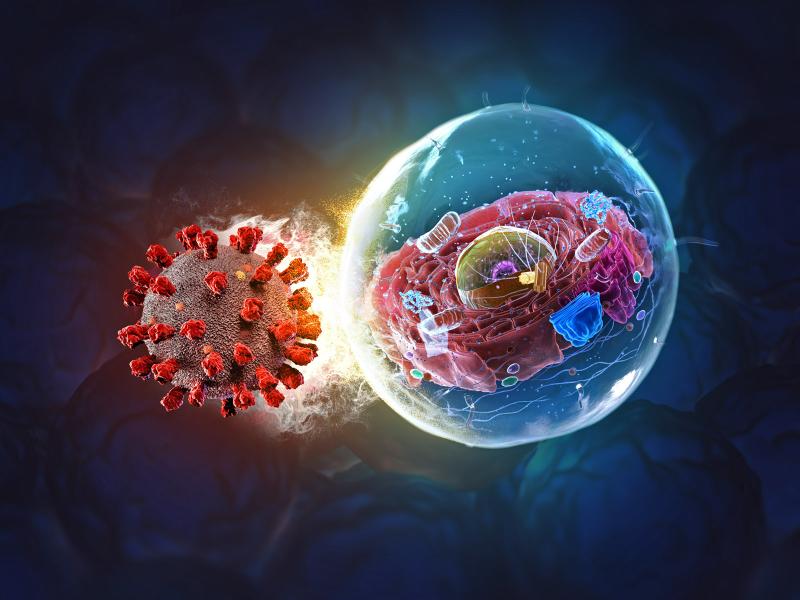
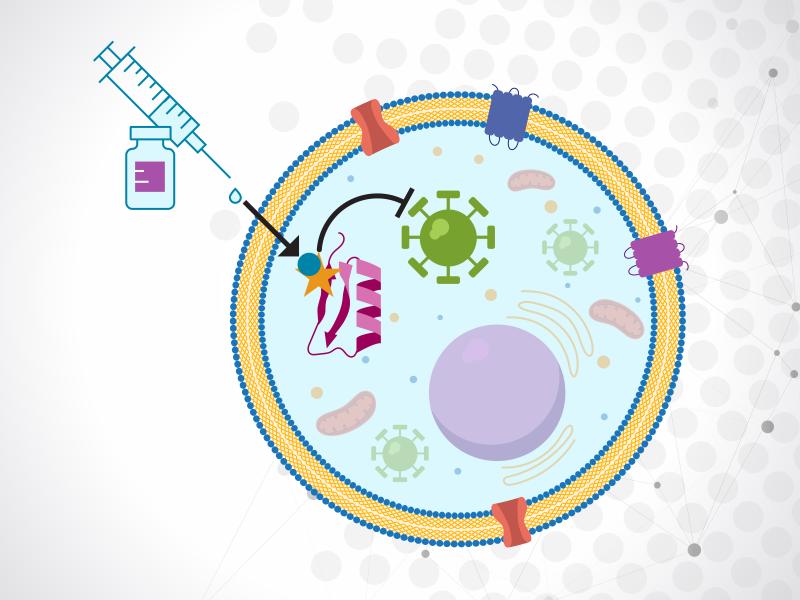
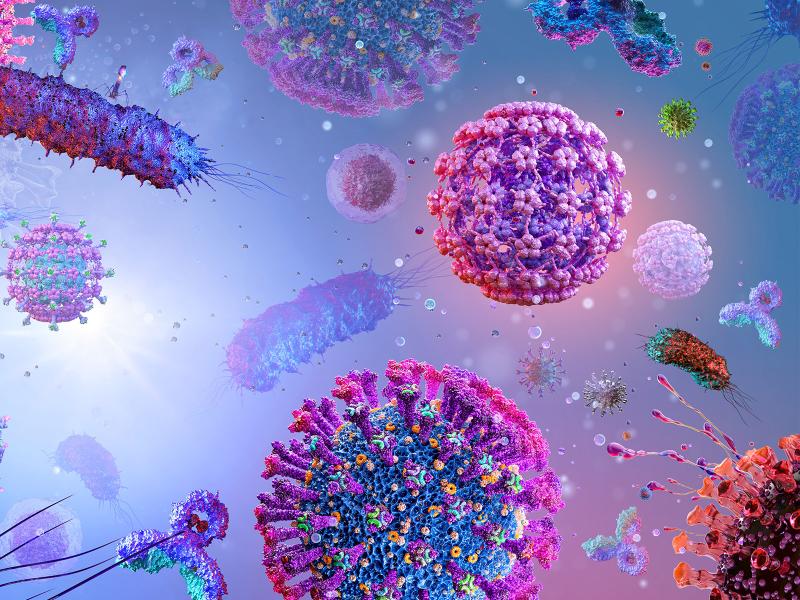
Continued studies will deepen scientists’ understanding of virus-host interactions at the molecular level and also pave the way for developing better drugs to fight emerging viruses.
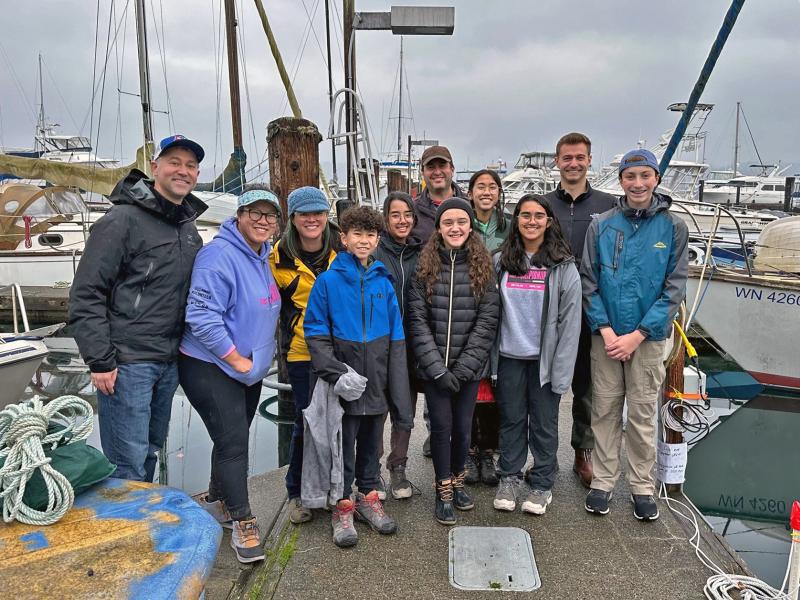
Researchers at PNNL advised elementary and middle school student teams with their problem-solving research for the FIRST® LEGO® League robotics competitions.
PNNL has developed a decision tool that provides contractors and installers with the information they need to properly select and install cold climate heat pumps, which are a key technology for achieving decarbonization.
Early life exposure to polycyclic aromatic hydrocarbons (PAHs), found in smoke, has been linked to developmental problems. To study the impacts of these pollutants, PAH metabolism in infants and adults were compared.
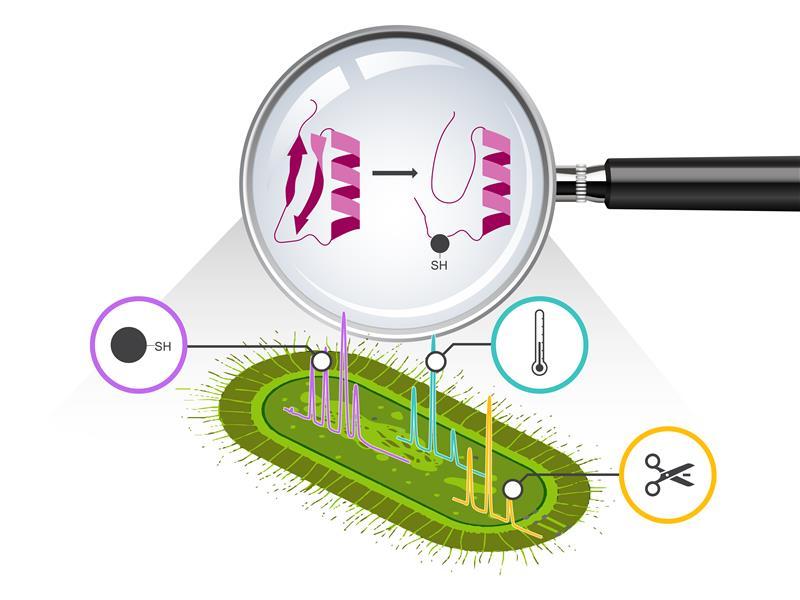
Discovering and measuring the spatial organization of proteins within cells allows scientists to map complex proteoforms across tissues with near-cellular resolution.
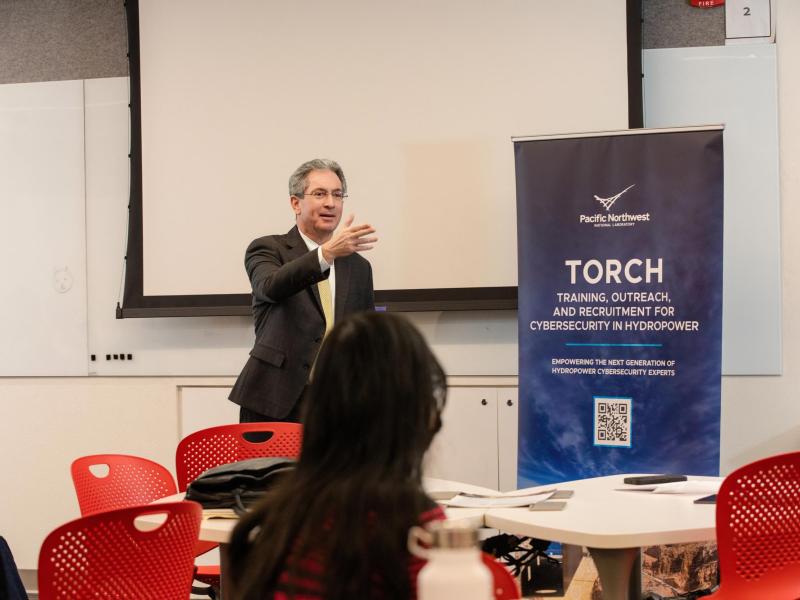
Pacific Northwest National Laboratory launches the Training Outreach and Recruitment for Cybersecurity Hydropower program at the University of Texas at El Paso.
A larger HVAC workforce with training on modern heat pump technology will be pivotal to achieving the mass-scale electrification of household HVAC systems needed to meet building decarbonization goals.