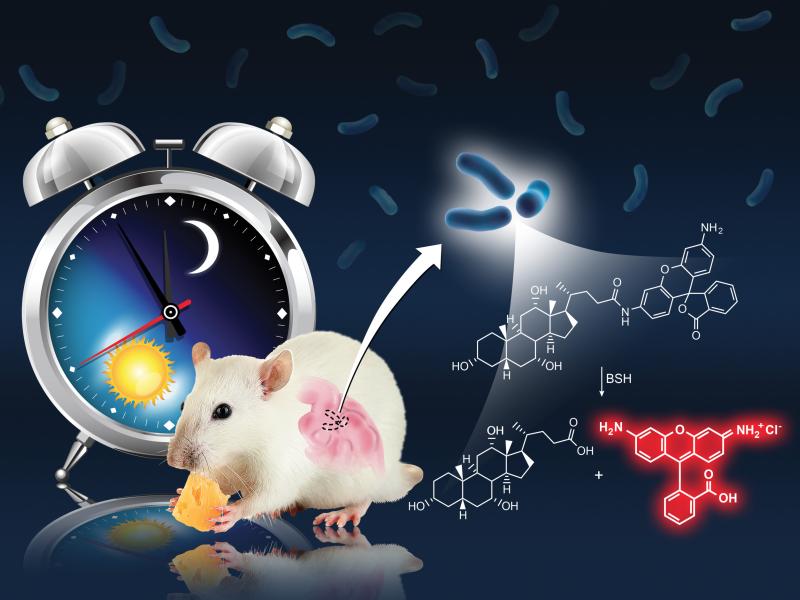
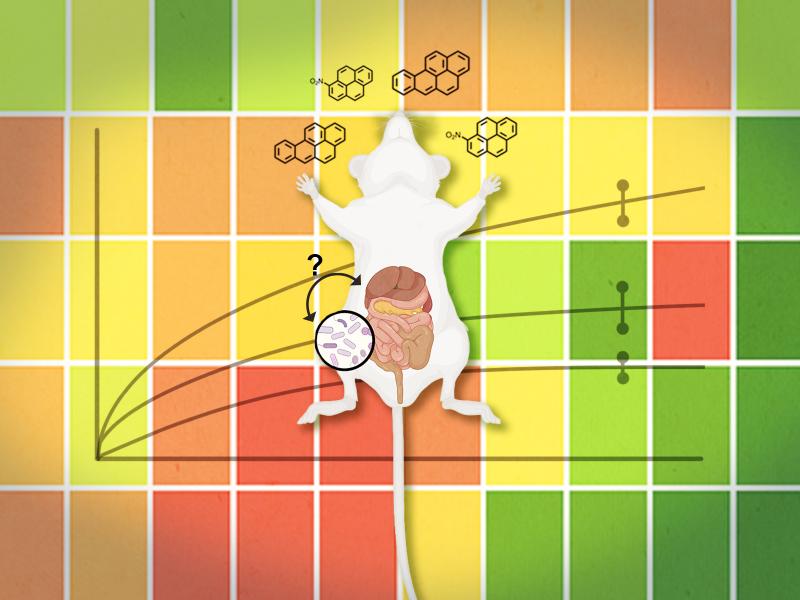
This study profiled the 24-hour rhythmicity in bile salt hydrolase enzyme activity using simple fluorescence assay and the results showed that this rhythmicity is influenced by feeding patterns of the host.
New research from PNNL and Washington State University collaborators connects the microbiome in the gut to circadian rhythms, suggesting a role for the microbiome as an internal regulator.
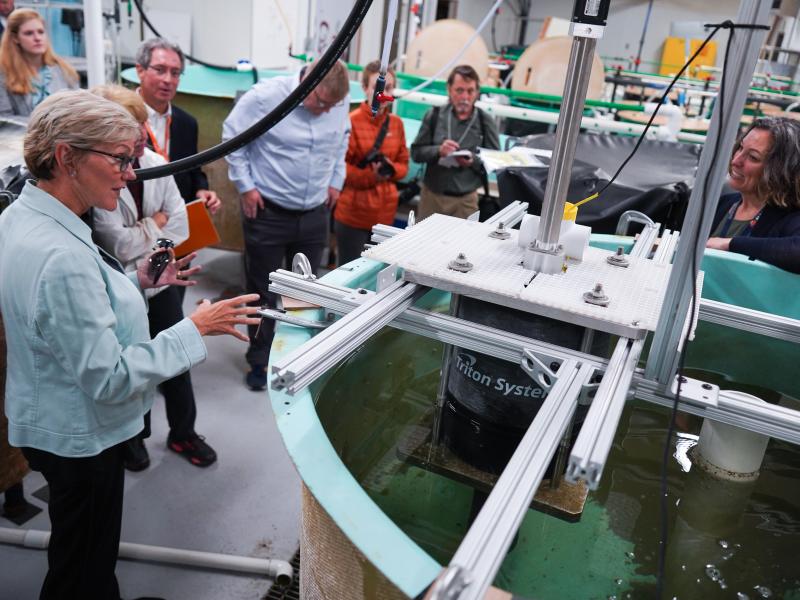
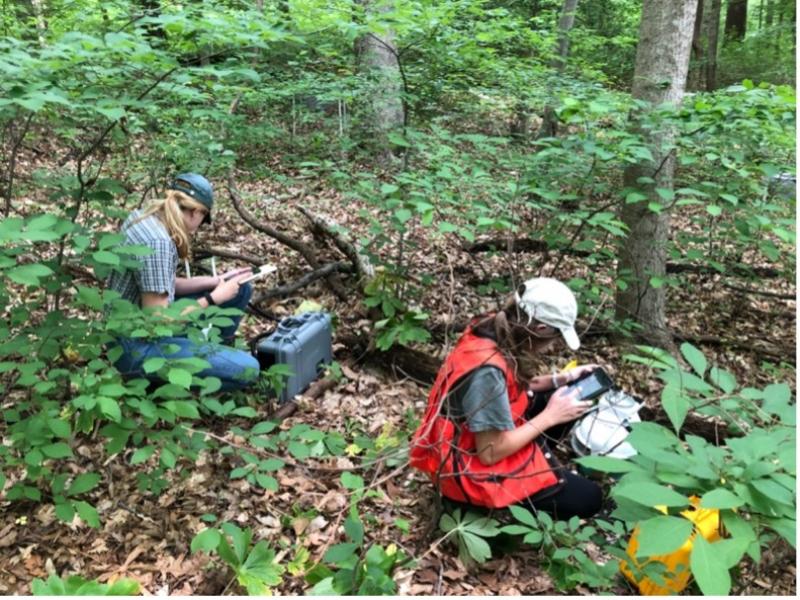
ICON science is a Department of Energy-developed framework to enhance scientific outcomes via more intentional design of research efforts across all domains of science.
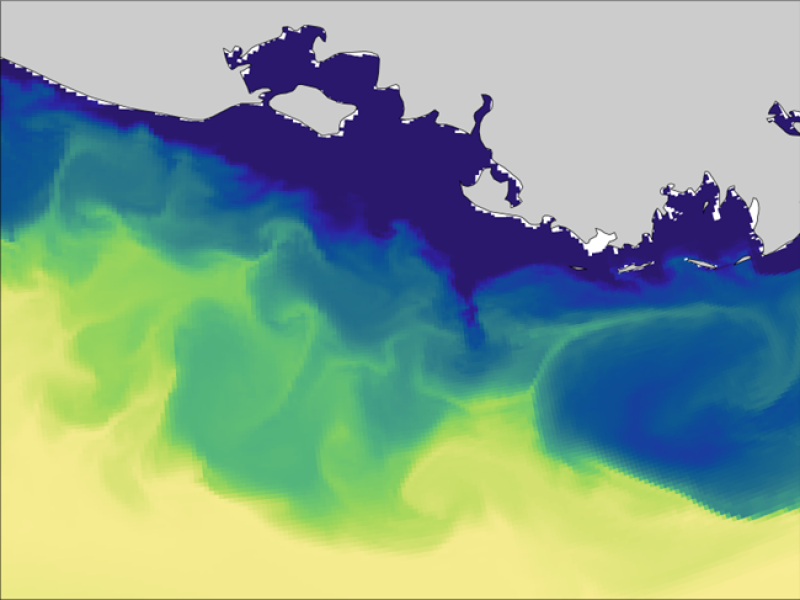
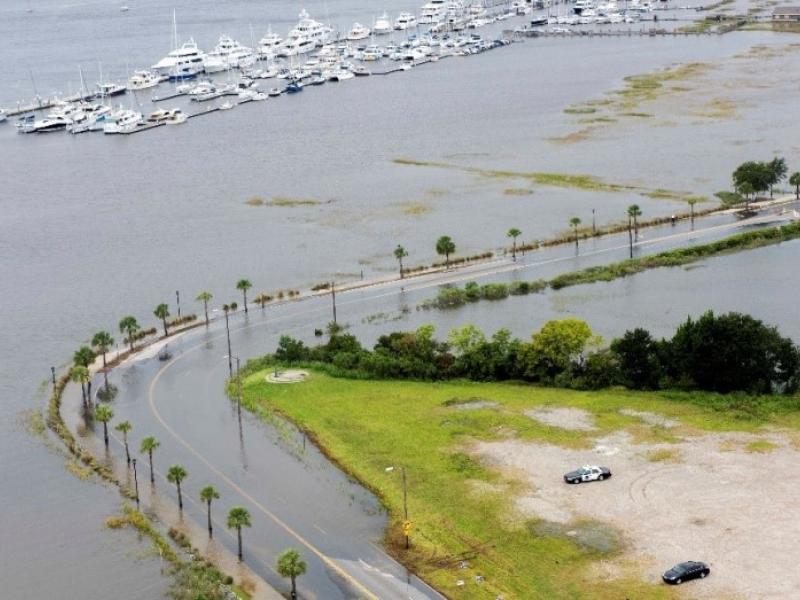
Ocean biogeochemical modeling software now available as open source to help researchers predict impacts of pollution, sea level rise, and climate change.
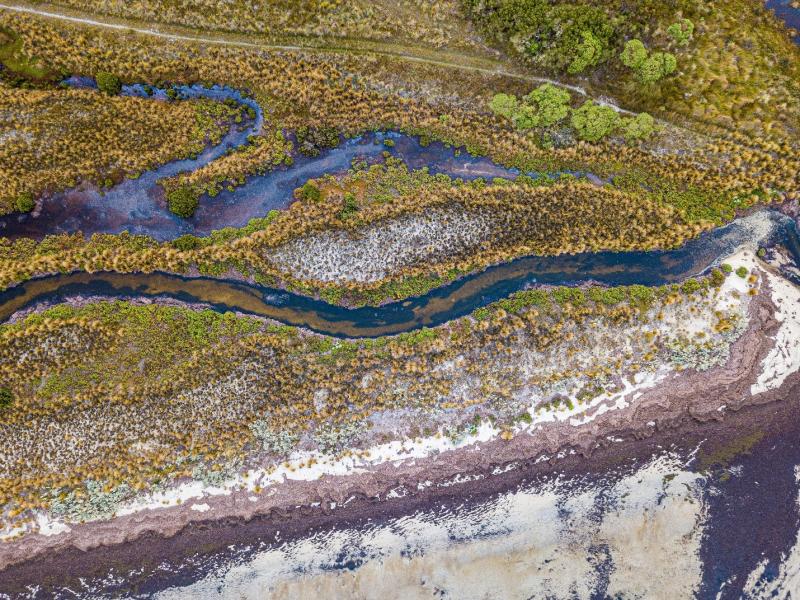
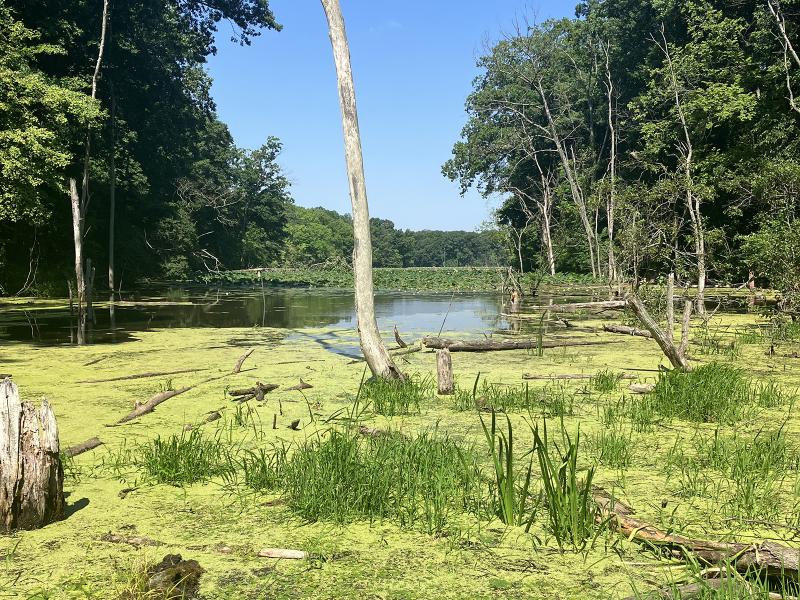
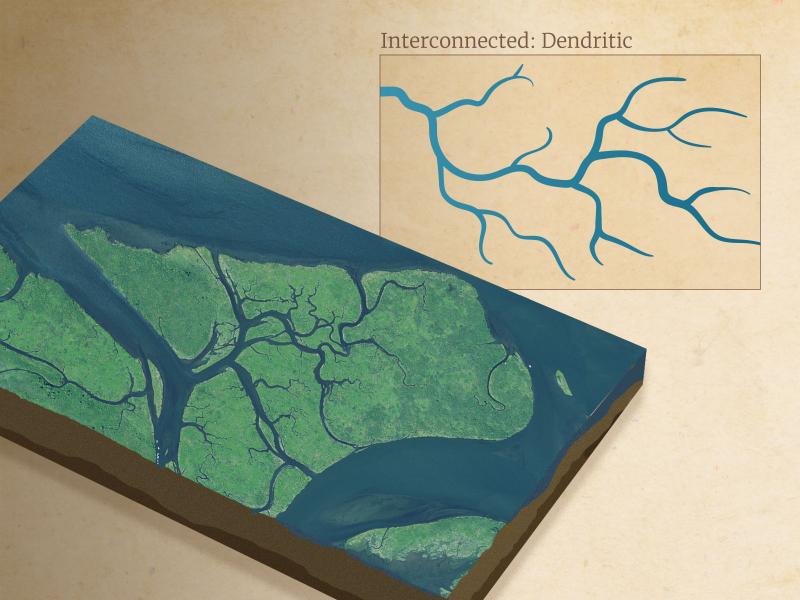
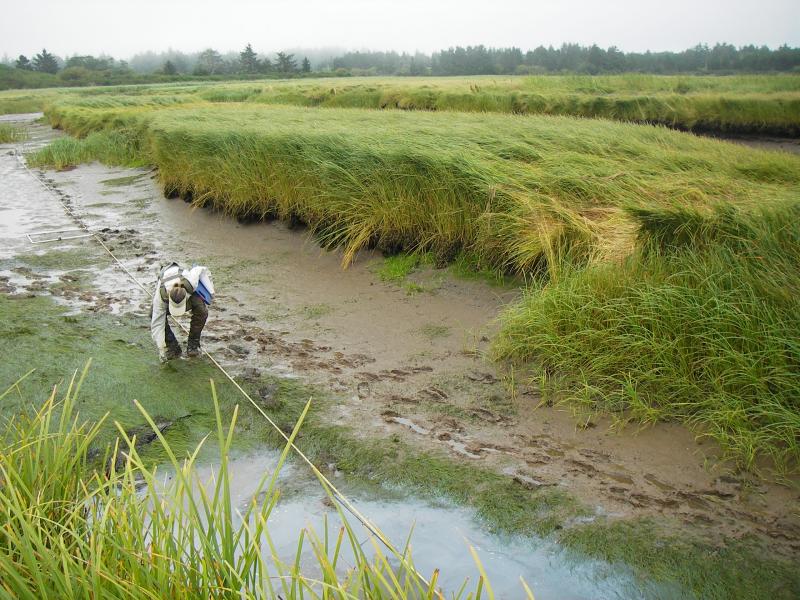
Principles derived from coastal wetlands to describe wetland channel cross-sections were applicable to the Columbia River estuary, but not the tidal river.