Distributed science is thriving at PNNL, where scientists share data and collaborate with researchers around the world to increase the impact of the work.
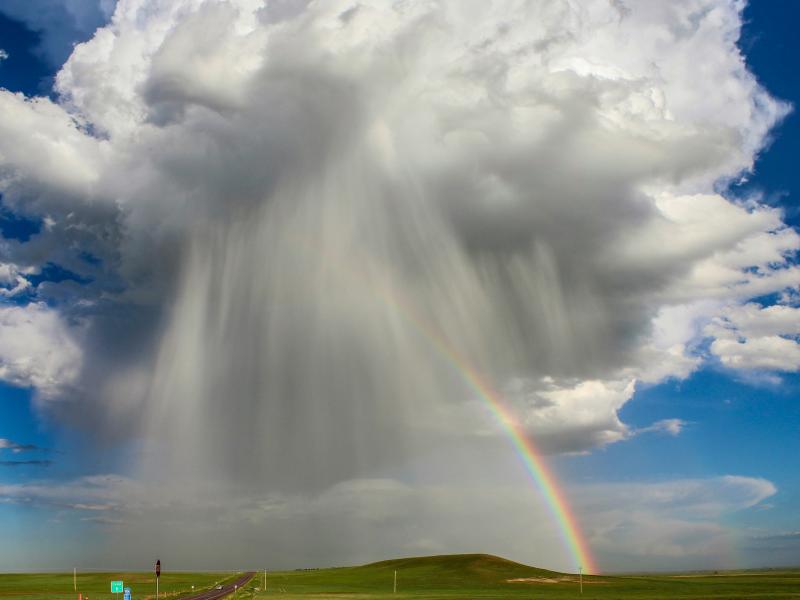
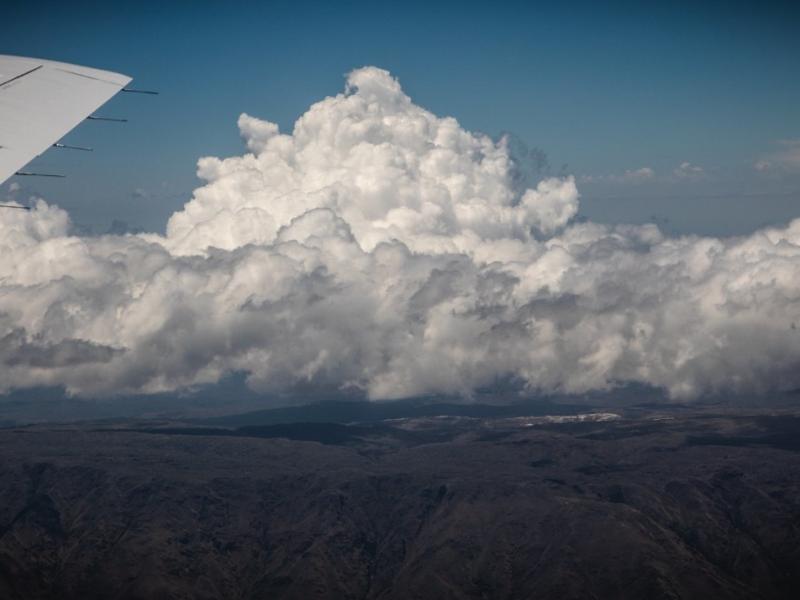
The ability of a storm-resolving weather model to predict the growth of storms over central Argentina was evaluated with data from the Clouds, Aerosols, and Complex Terrain Interactions (CACTI) field campaign in central Argentina.
Atmospheric aerosol particles modulate climate and the Earth’s energy balance by scattering and absorbing sunlight. They also seed clouds, acting as cloud condensation nuclei.
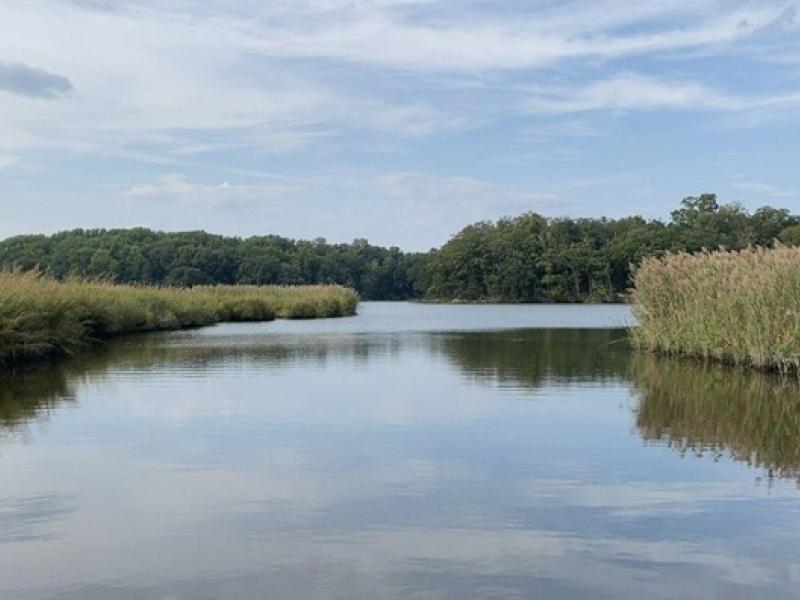
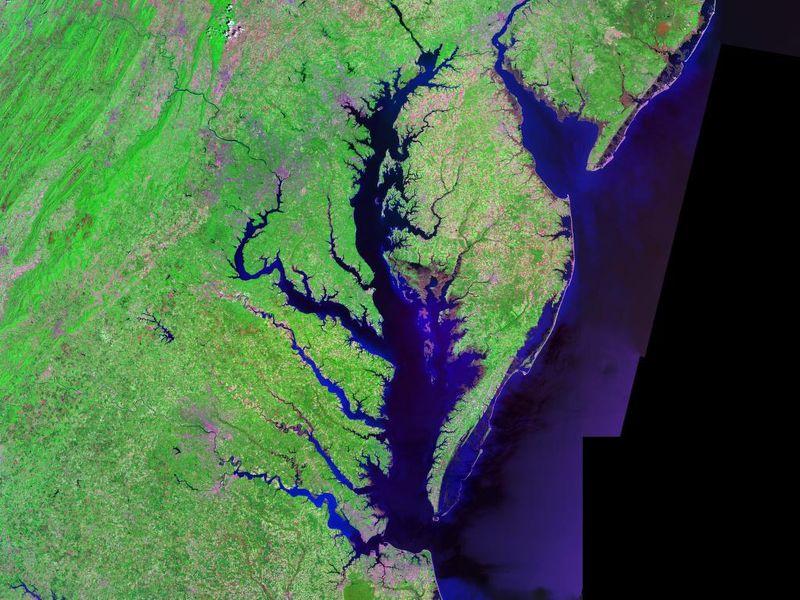
The Coastal Observations, Mechanisms, and Predictions Across Systems and Scales: Field, Measurements, and Experiments project established a network of observational field sites across Chesapeake Bay and western Lake Erie.
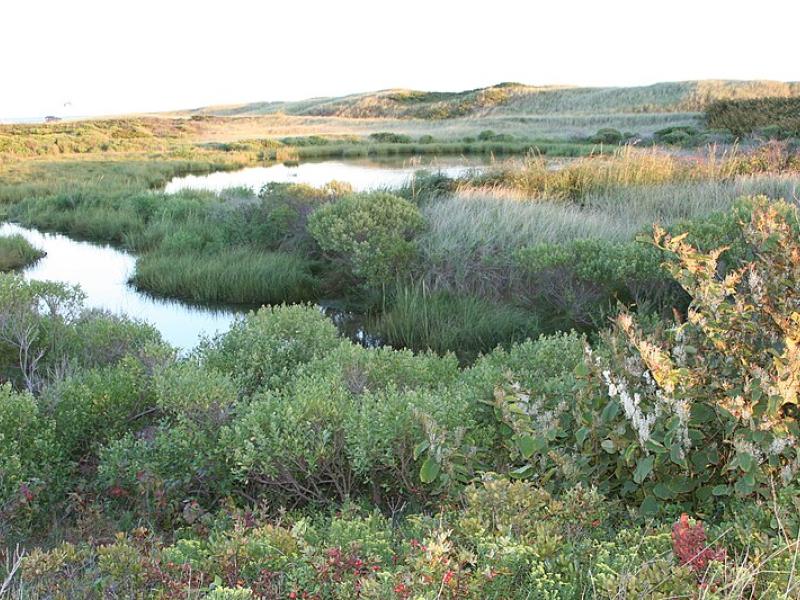
Due to their inherent variability and complexity over space and time, scientists are challenged to understand the complex interactions among soil, vegetation, and water along coastal terrestrial-aquatic interfaces.
This study characterized above- and below-ground properties to explore the spatial heterogeneity of the terrestrial aquatic interface ecosystem within the Chesapeake Bay area and evaluate the major drivers of soil respiration.
Extensive in situ and remote sensing measurements were collected to address data gaps and better understand the interactions of convective clouds and the surrounding environment.
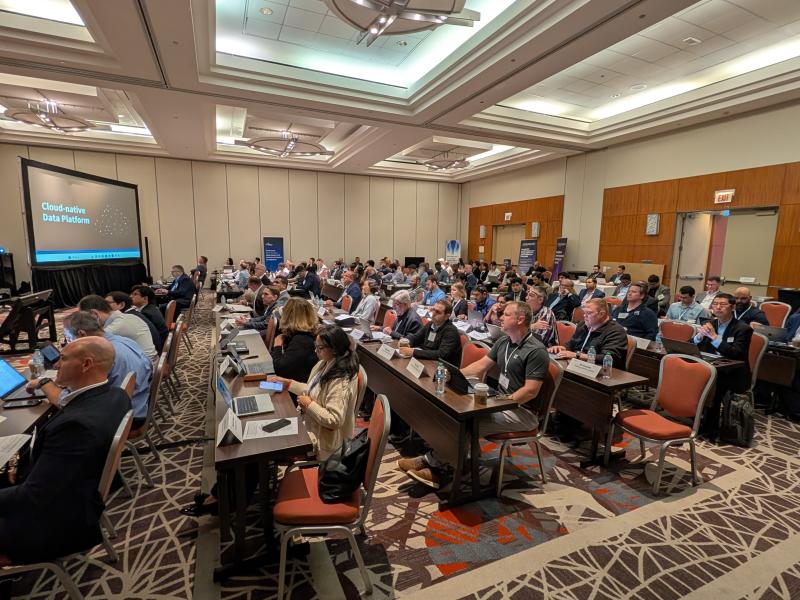
The ARPA-E Energy Innovation Summit brings together researchers, industry leaders, entrepreneurs, and investors to showcase the latest technologies shaping tomorrow’s energy landscape. This year, eight projects led by PNNL were featured.
This study evaluated the sensitivity of multiple geophysical methods to measure and evaluate the spatiotemporal variability of select soil properties across terrestrial–aquatic interfaces.
Researchers integrated field measurements, lab experiments, and model simulations to study oxygen consumption dynamics in soils along a coastal gradient.
Pyrocumulonimbus clouds are increasing in frequency as large wildfires become more prevalent in a warming climate. These clouds can inject smoke particles into the atmosphere, where they can remain suspended for several months.
This research explores how changes in groundwater levels affect the chemistry of underground water, especially in areas where land meets water, like wetlands.
Using numerical simulations to reproduce the laboratory experiments, this study reveals that liquid droplets are present near the bottom surface, which warms and moistens the air in the chamber.