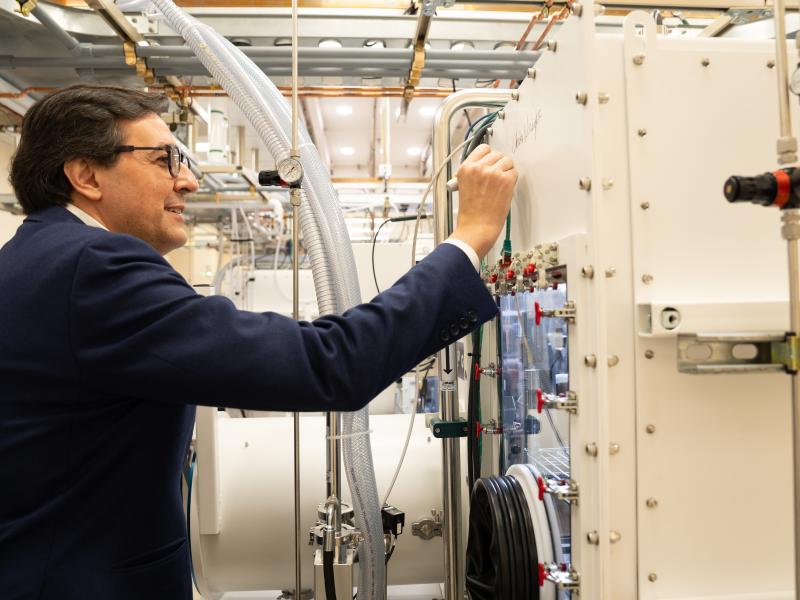
PNNL has formed a partnership with the Orlando-based firm Refinity, which has licensed a key process from PNNL that will help the company convert mixed plastic waste into valuable industrial products like chemicals, plastics, and fuels.
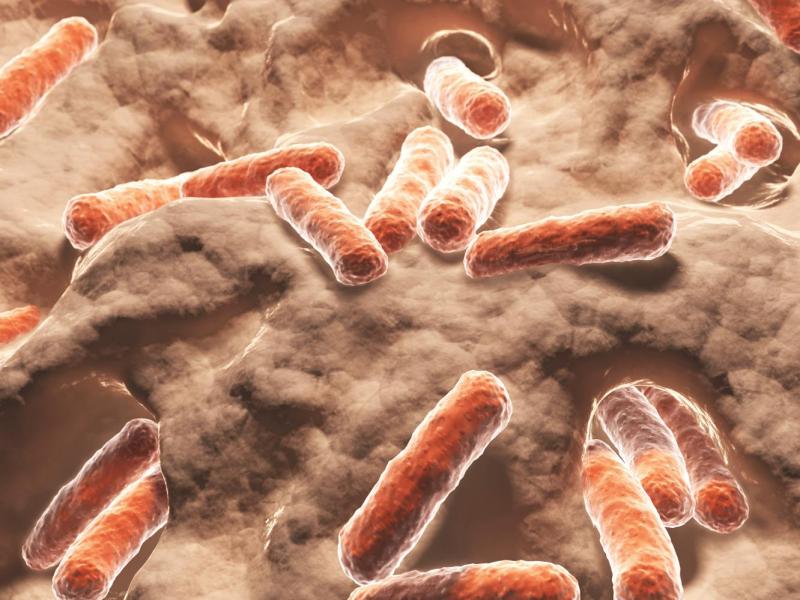
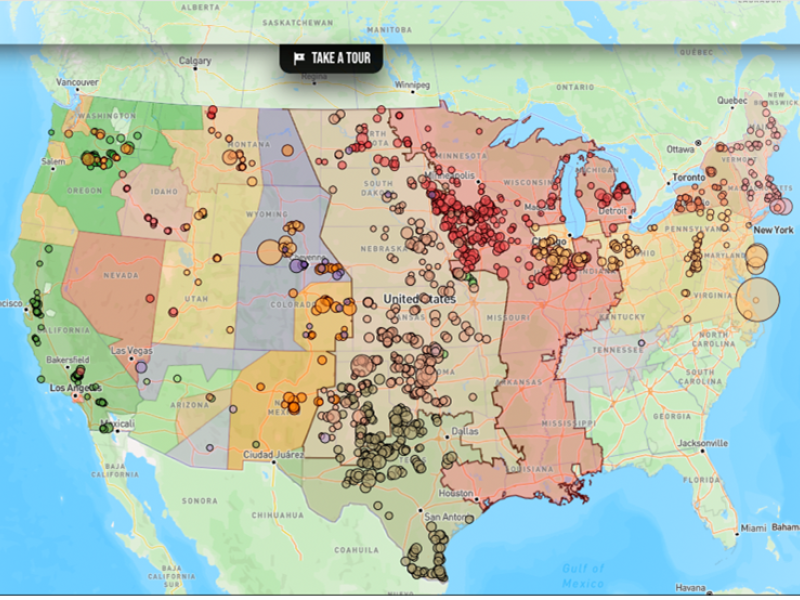
A new report highlights a public workshop hosted by the National Academies Forum on Microbial Threats and features PNNL's Lauren Charles and the AI-Driven One Health Security program.
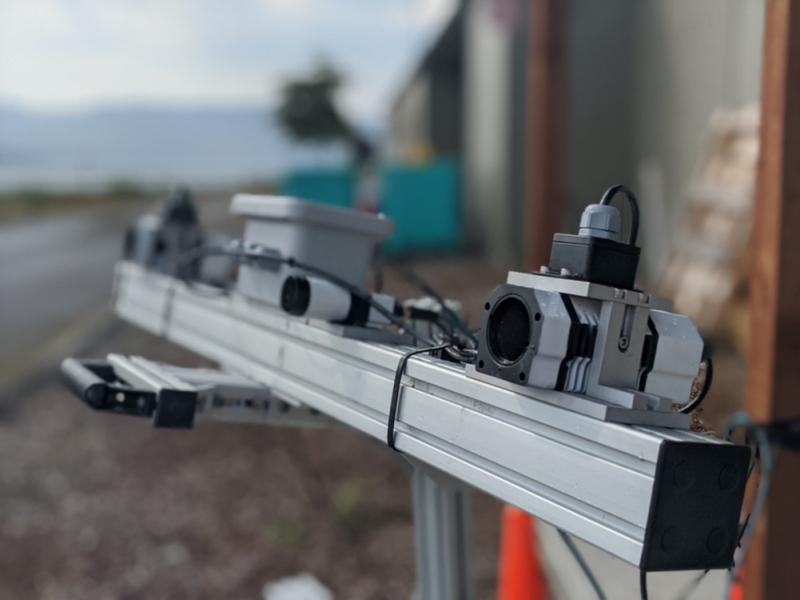
PNNL has developed a next-generation electrical resistivity tomography system for DOE that uses E4D software and AI-enhanced modeling to produce real-time subsurface images that help guide environmental remediation decisions.
Replacing commercial acid with acidic waste enables researchers to improve nickel extraction efficiency, lower projected costs, and improve process economics.
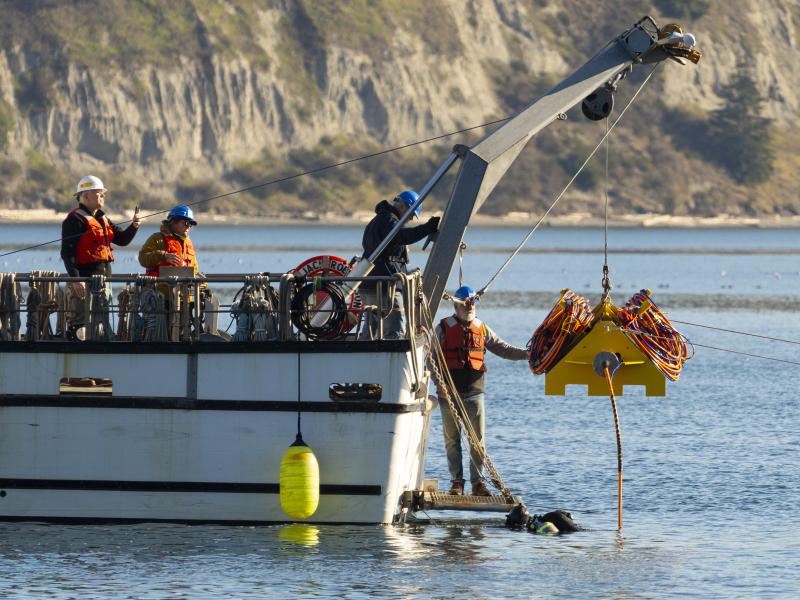
Connecting energy generation, electricity storage, and using sensors and control software to track load, including precommercial market marine energy generation technologies.
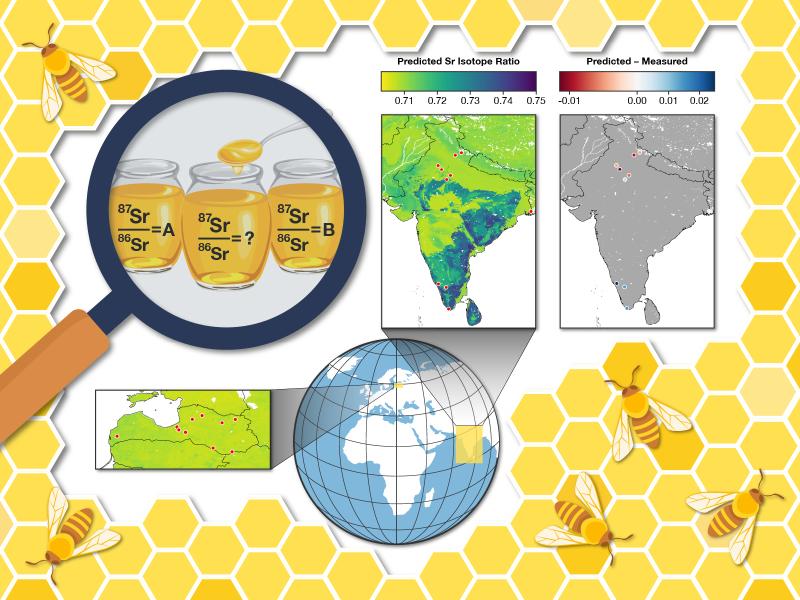
A study by researchers at PNNL assessed the feasibility of using strontium isotope ratios and an existing machine learning–based model to predict and verify a product’s source—in this case, honey.
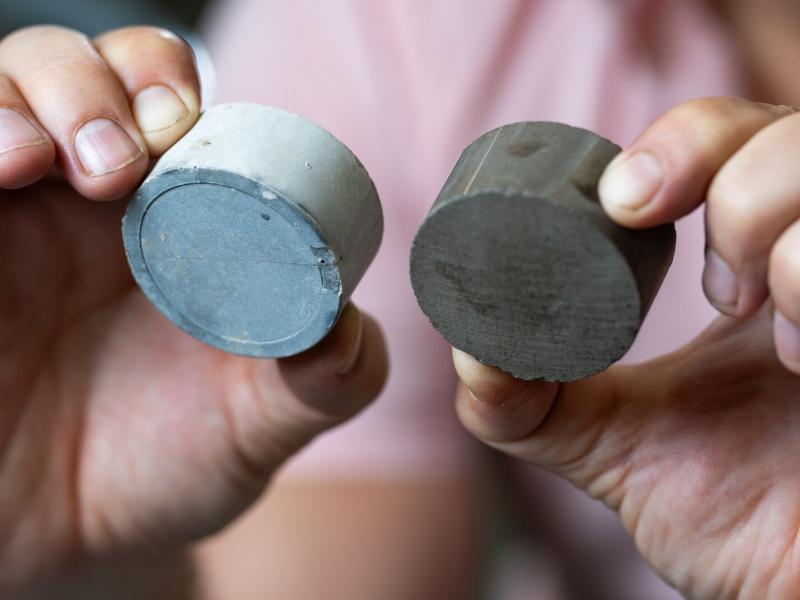
PNNL researchers have found yet another way to turn trash into treasure: using algal biochar, a waste production from hydrothermal liquefaction, as a supplementary material for cement.