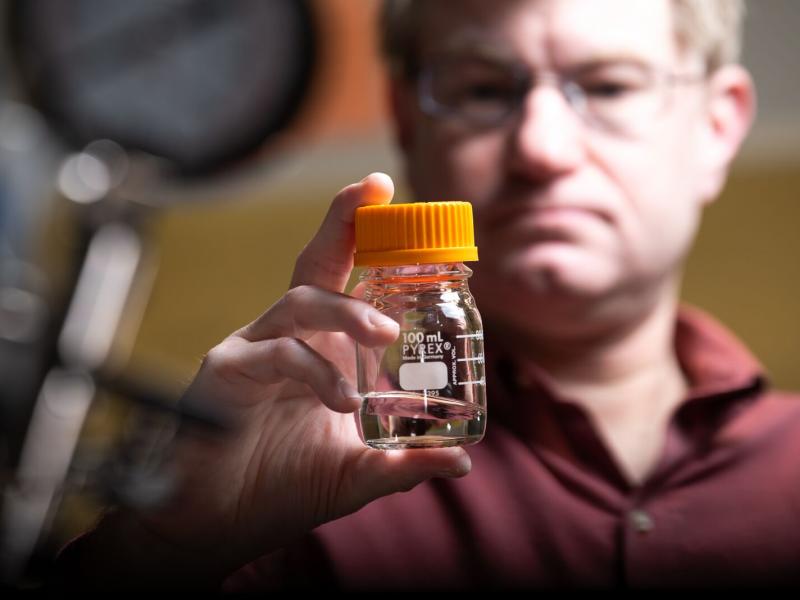
A process developed at PNNL that converts biomass and waste into a chemical intermediate or into gasoline, diesel, and jet fuel is available for commercial licensing.
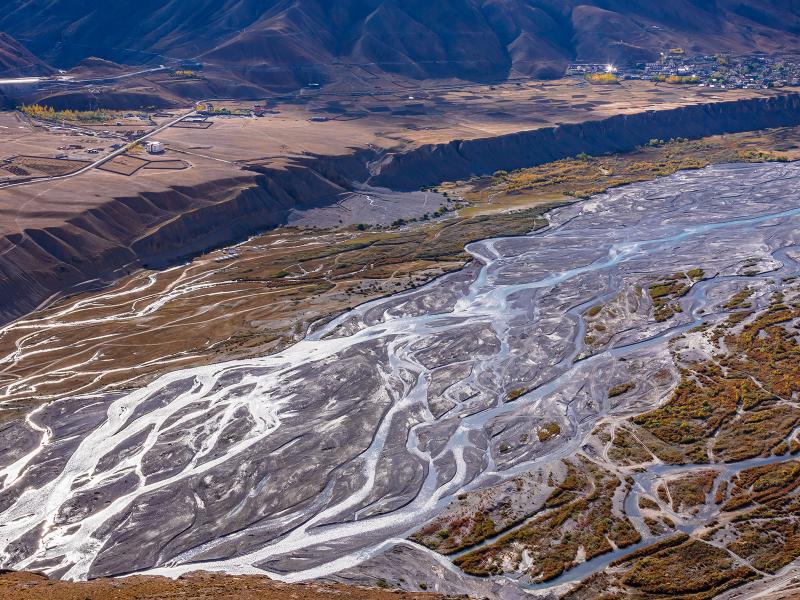
Assessing a complex concert of the weather and terrain conditions that affect the growth of cumulus clouds into deep thunderstorms along mountain ranges.
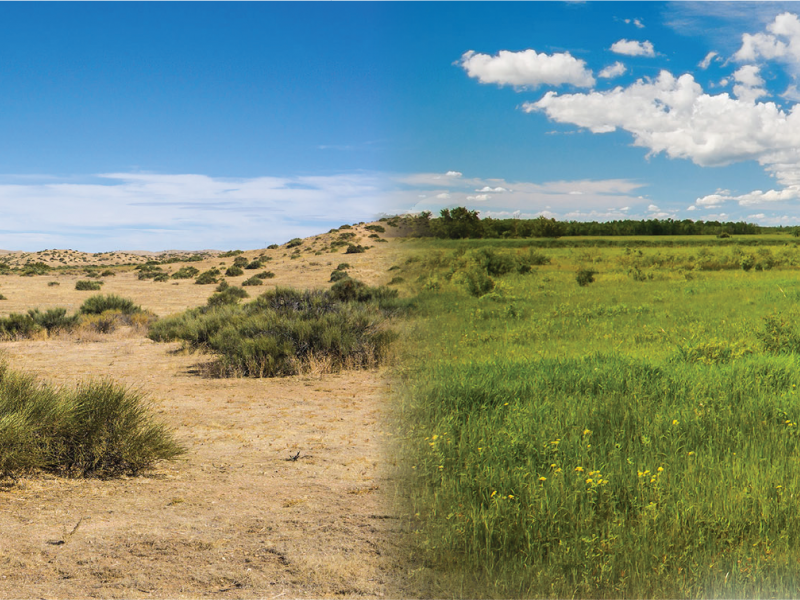
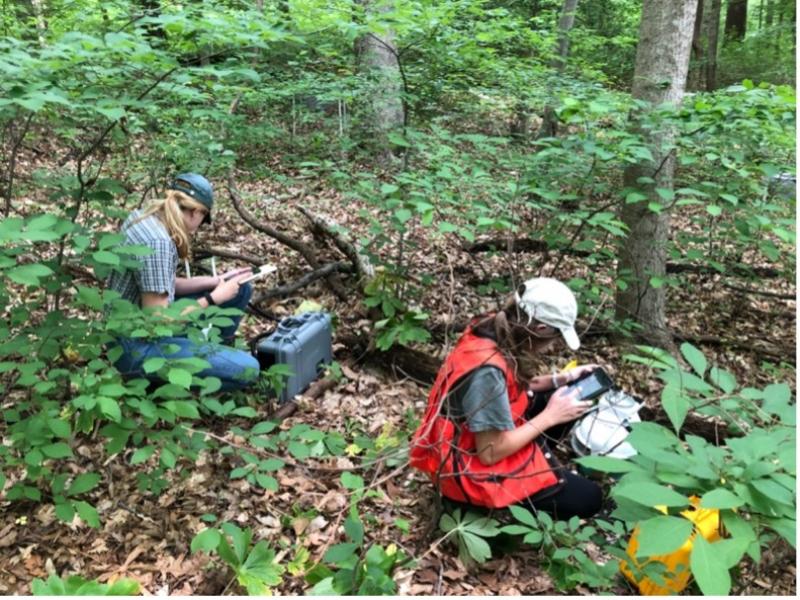
Dominant and functionally important soil microbes show strong, predictable, and distinctly different associations with continental-scale gradients in climate, vegetation, and soil moisture.
PNNL scientists have proposed an "adaptive site management" cleanup strategy for the Hanford Site's Central Plateau that incorporates a structured, flexible approach to environmental remediation.
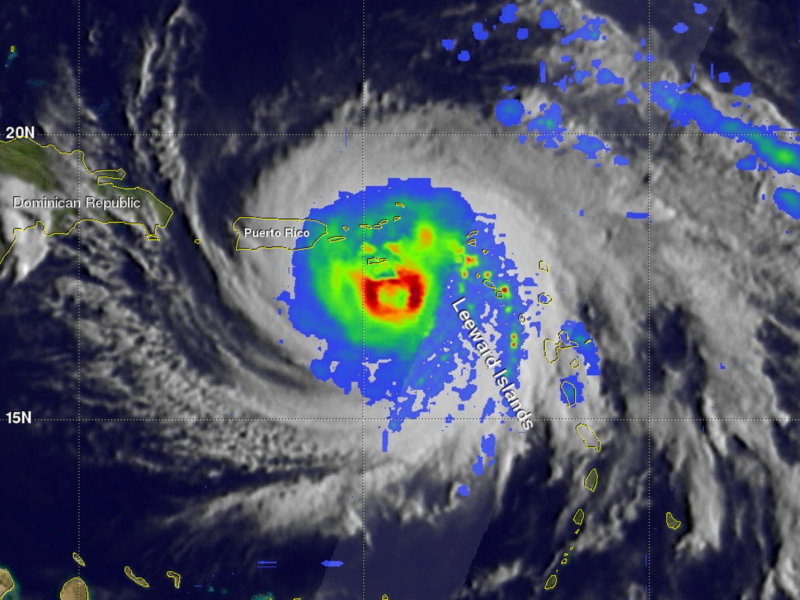
Researchers at PNNL are developing a better model of the soil, better representing the atmosphere, and identifying sources of record high rainfall within a model of the Earth system.
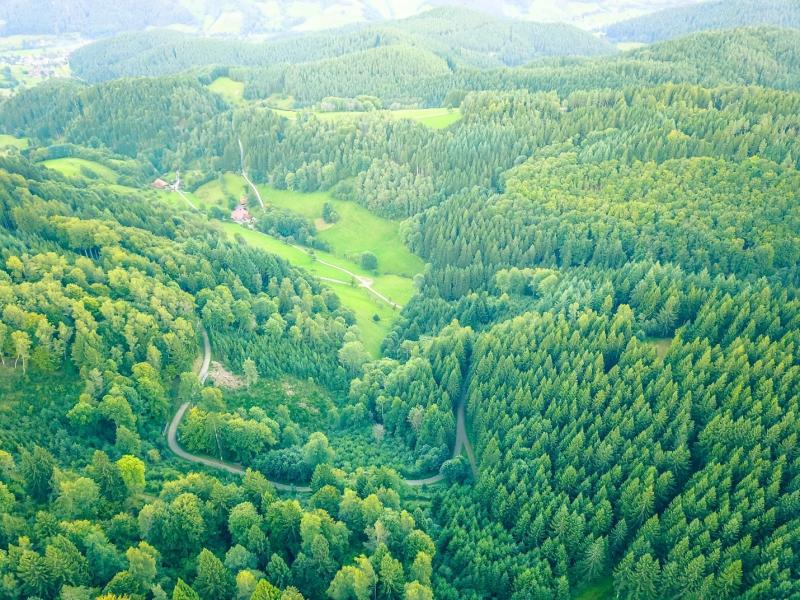
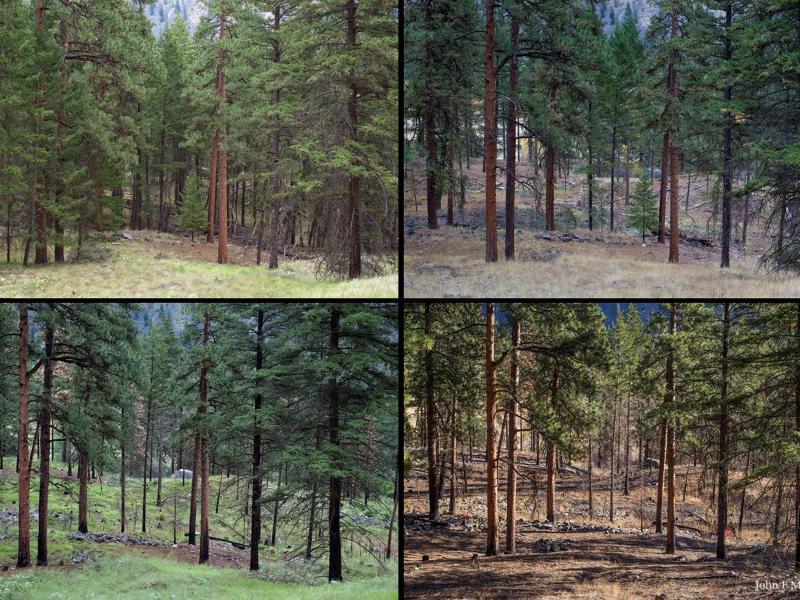
Scientists from PNNL and the U.S. Department of Agriculture-Forest Services’ Pacific Northwest Research Station have partnered to evaluate potential climate and wildfire adaptation scenarios and resulting benefits from restoration forestry.
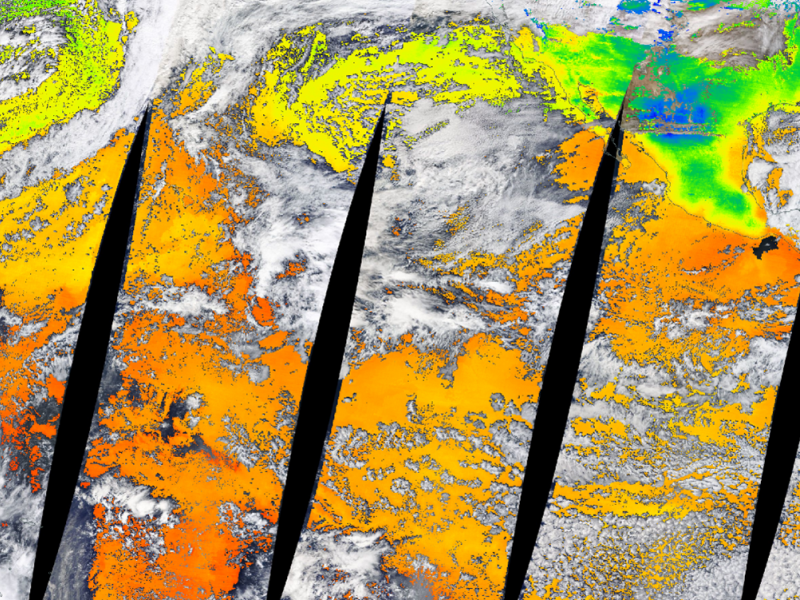
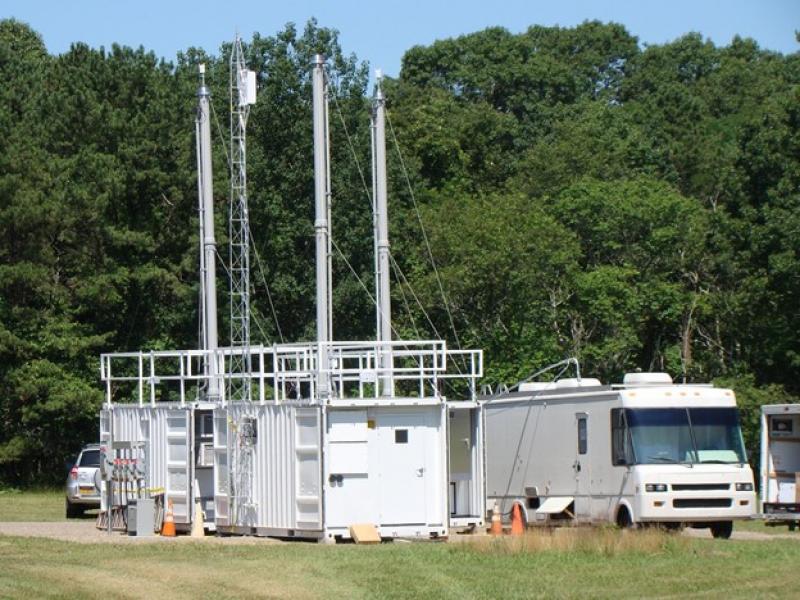
Investigating cloud condensation nuclei activities in various airmasses enabled linking activity variations with organic oxidation levels and volatility