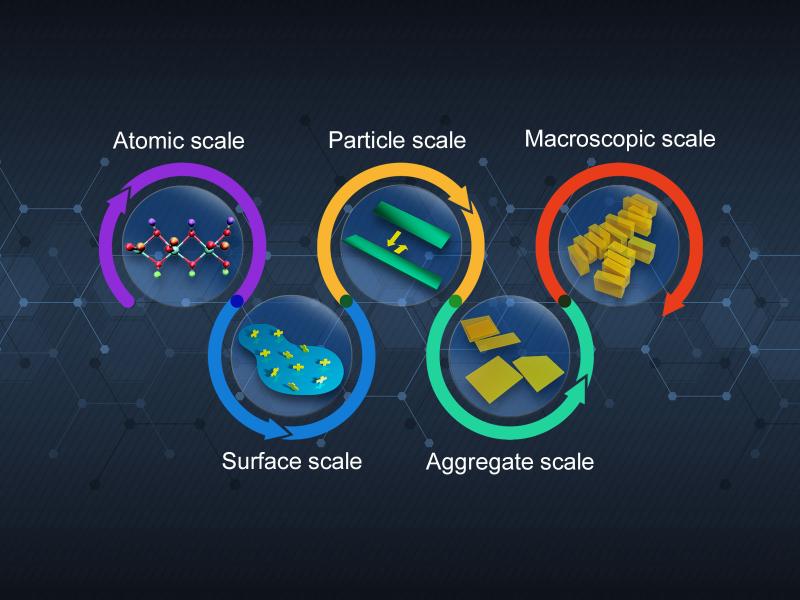
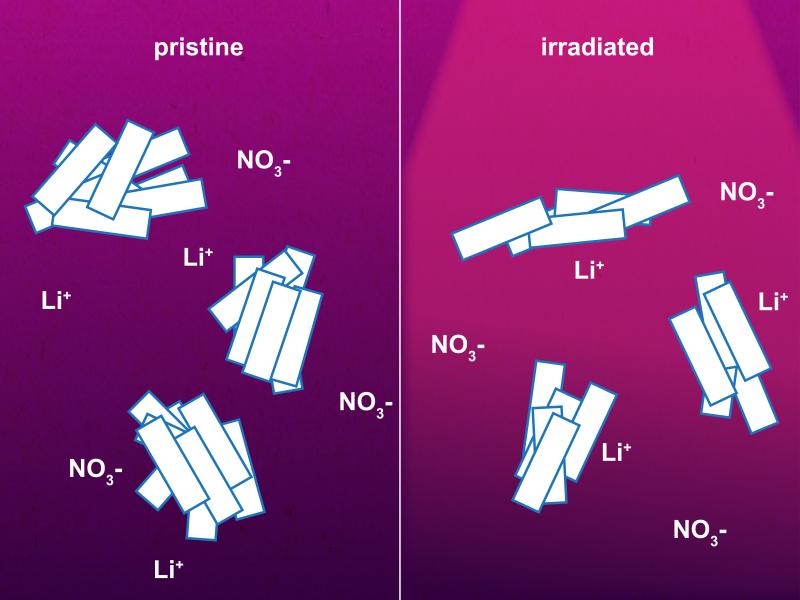
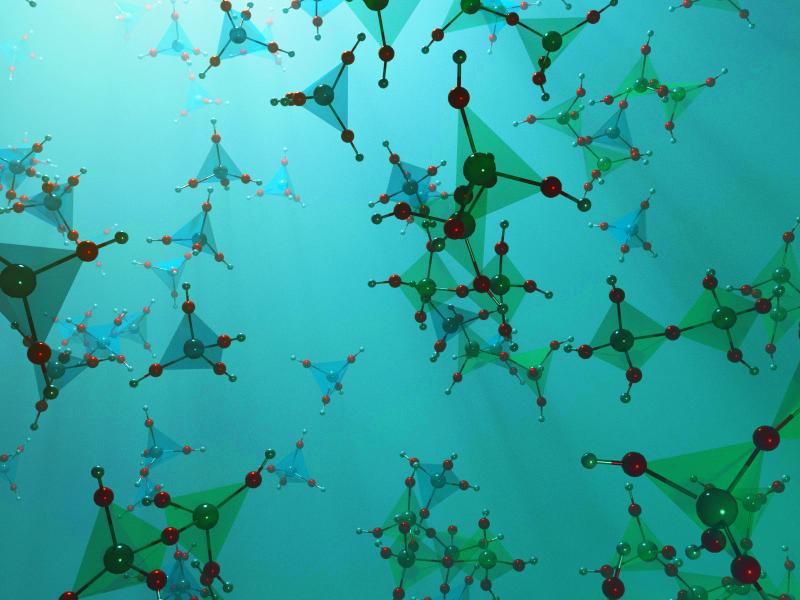
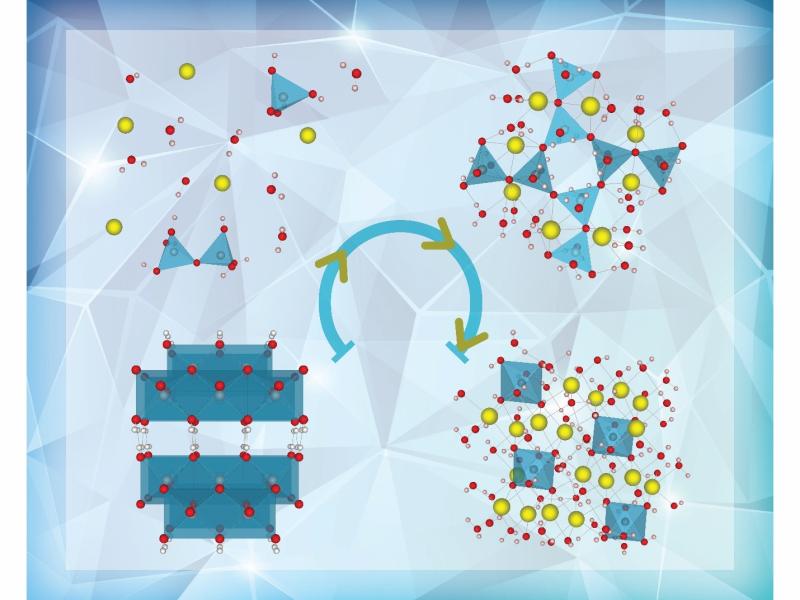
Resolving how nanoparticles come together is important for industry and environmental remediation. New work predicts nanoparticle aggregation behavior across a wide range of scales for the first time.
PNNL researchers helped design and conduct an international exercise hosted by the Ministry of Finance of Finland to help improve financial sector resilience.
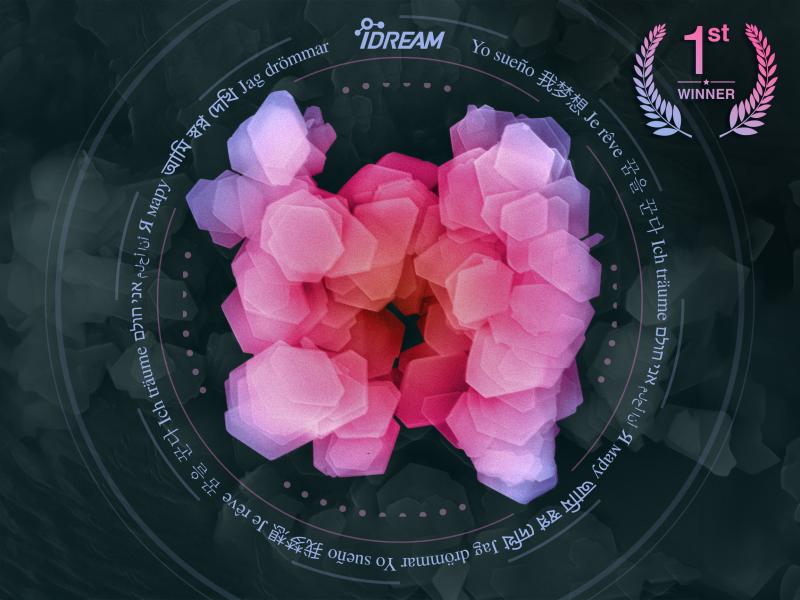
A poem inspired by radioactive tank waste—“Can a Scientist Dream it Alone?”—was awarded first place in the Department of Energy’s Poetry of Science Art Contest.
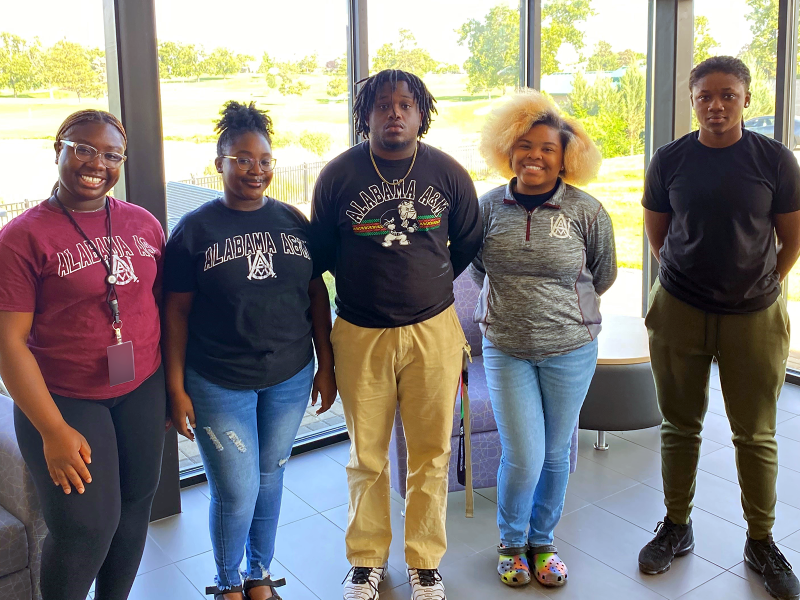
Germany Harris, Dewayne Maye, Sarah Olocha, Shaniya Pettway, and Rayonna Redmon became the first interns of the Minority Serving Institution Partnership Program Partnership for Radiation Studies Consortium at PNNL.
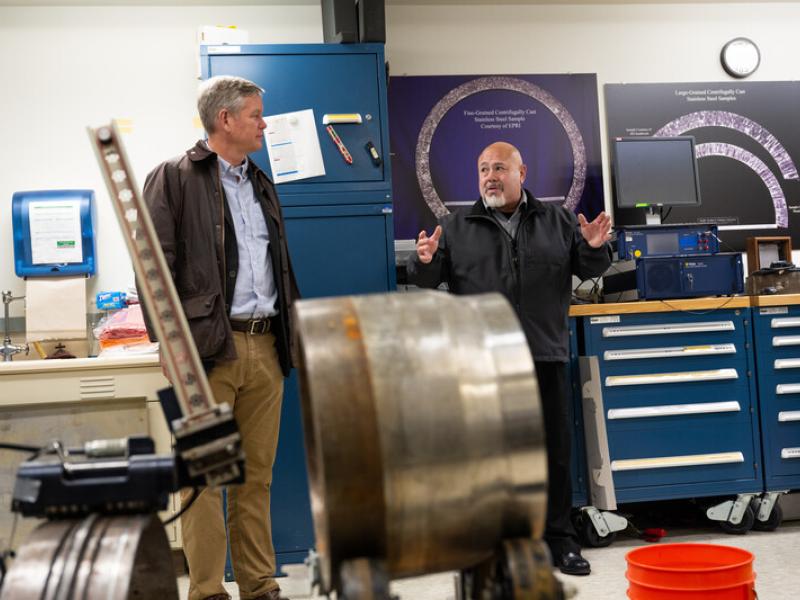
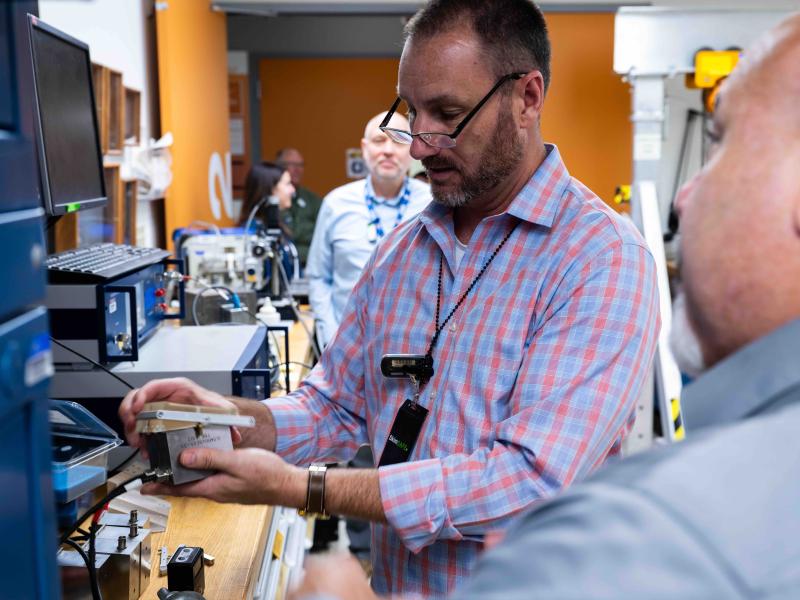
Bradley Crowell with the U.S. Nuclear Regulatory Commission sees advanced materials integrity, radiological measurement, and environmental capabilities on his first visit to PNNL.
The Forefront23 workshop convened researchers, scientists, and engineers who are just that: at the forefront of cybersecurity and nuclear nonproliferation.
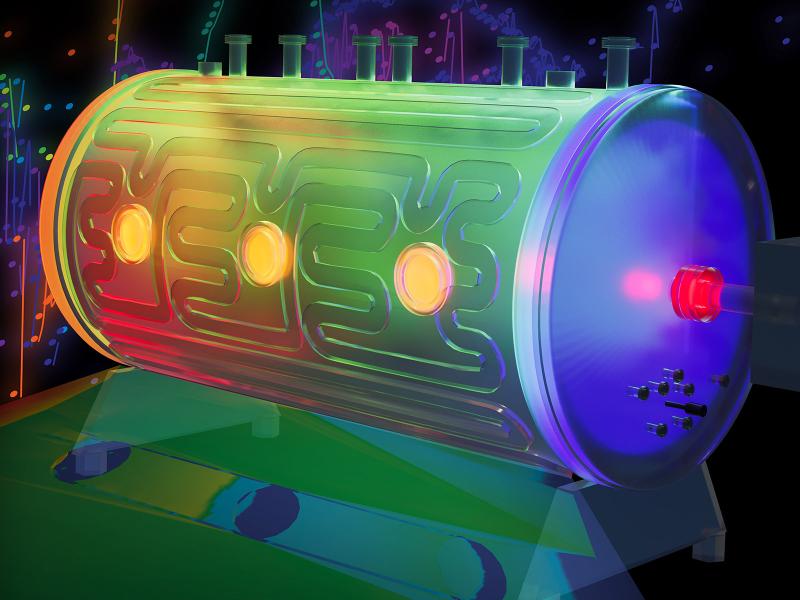
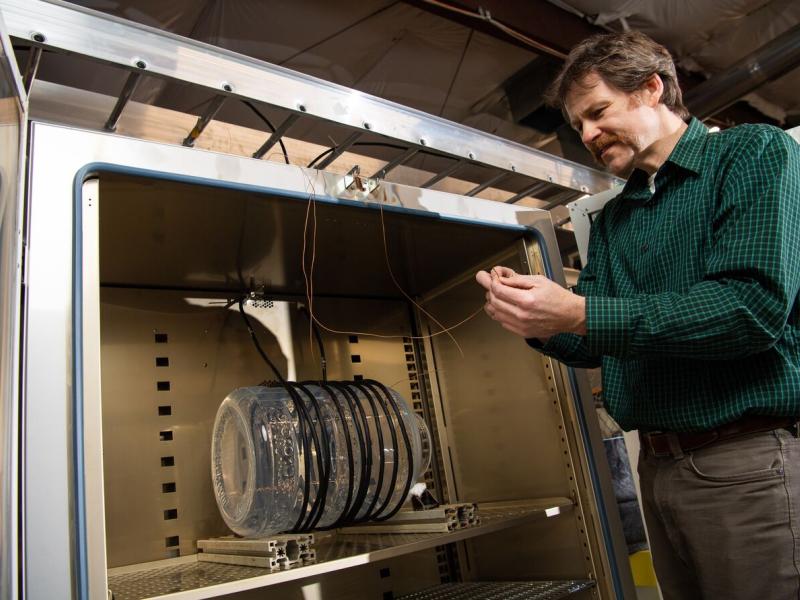
PNNL’s ARENA test bed analyzes how electrical cables degrade in extreme environments and how nondestructive examination inspection technologies can detect and locate damage.
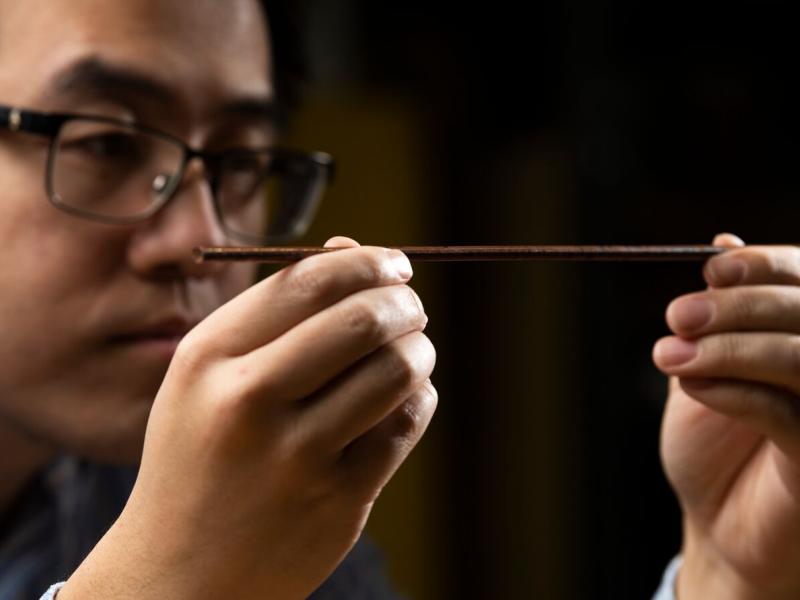
Research published in Journal of Manufacturing Processes demonstrates innovative single-step method to manufacture oxide dispersion strengthened copper materials from powder.
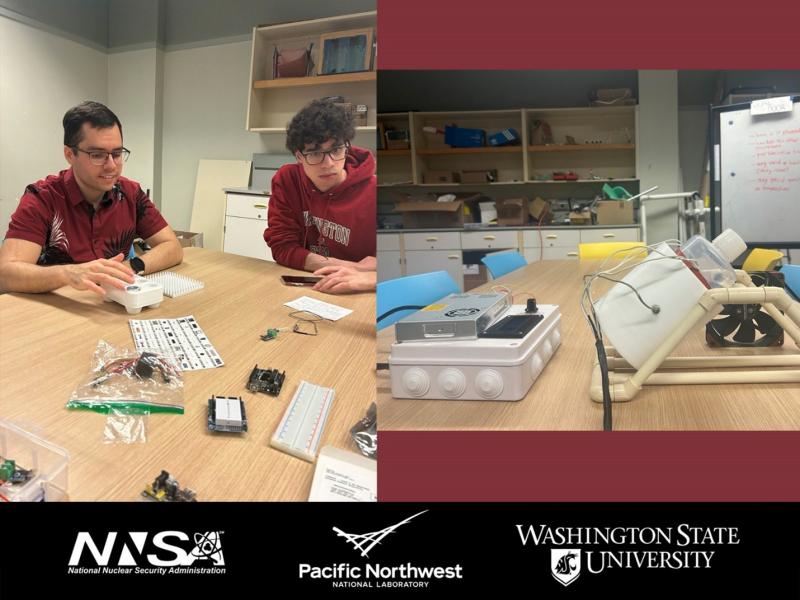
Advancing the science of radiation, especially among students at minority-serving institutions, is the goal of one of the Department of Energy’s newest consortia.