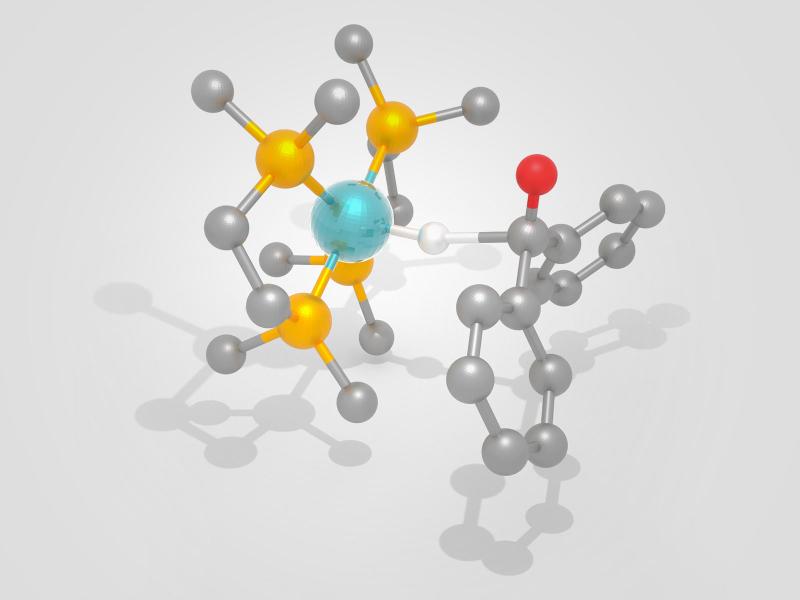
Research provided definitive spectroscopic characterization, reactivity, and deactivation of a reactive monomeric diphosphine-copper hydride intermediate.
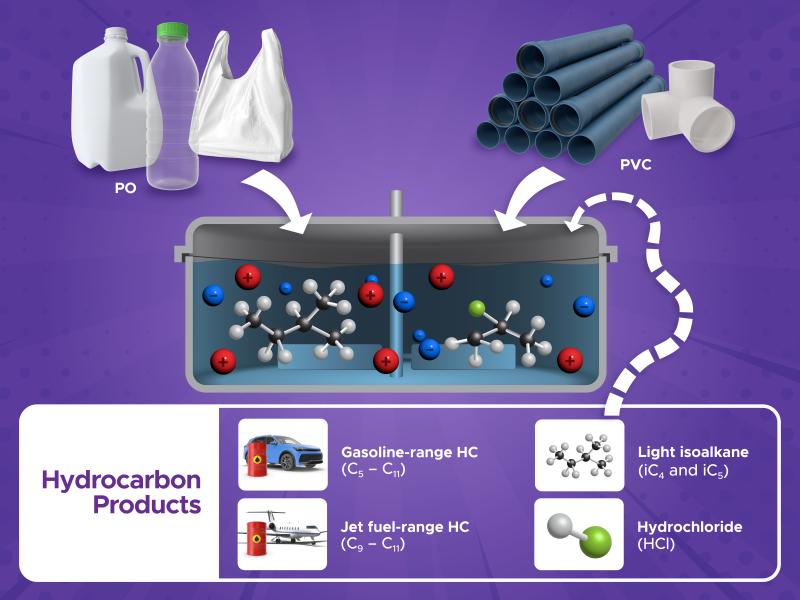
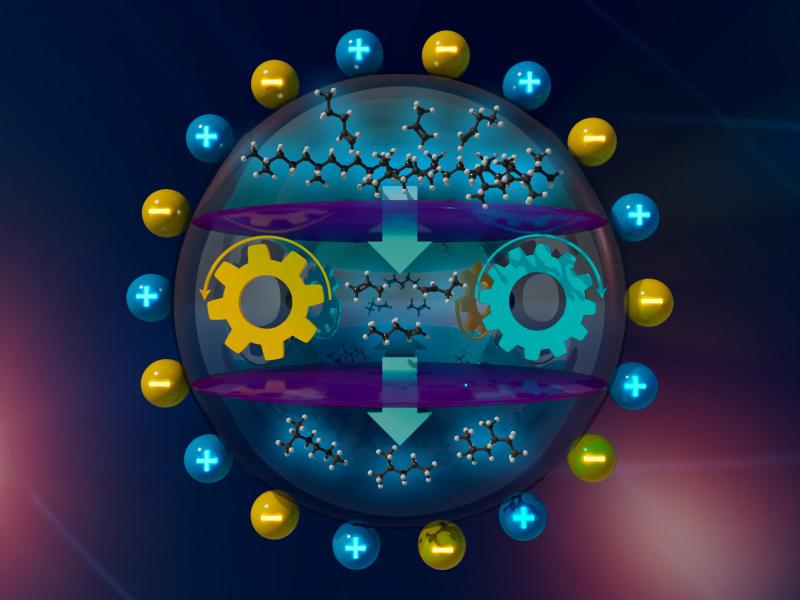
PNNL has formed a partnership with the Orlando-based firm Refinity, which has licensed a key process from PNNL that will help the company convert mixed plastic waste into valuable industrial products like chemicals, plastics, and fuels.
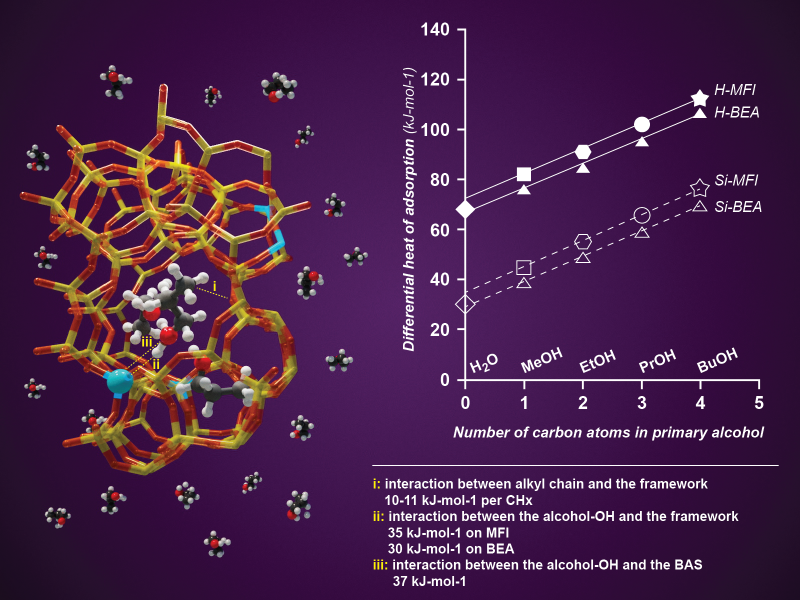
A comprehensive investigation provides quantitative data on the interaction between zeolite pores and linear alcohols, with hydroxyl group interactions playing the largest role.
A team of researchers recently coordinated a series of international workshops aimed at enhancing chemical research security and fostering collaboration among scientists and academic researchers from both countries.
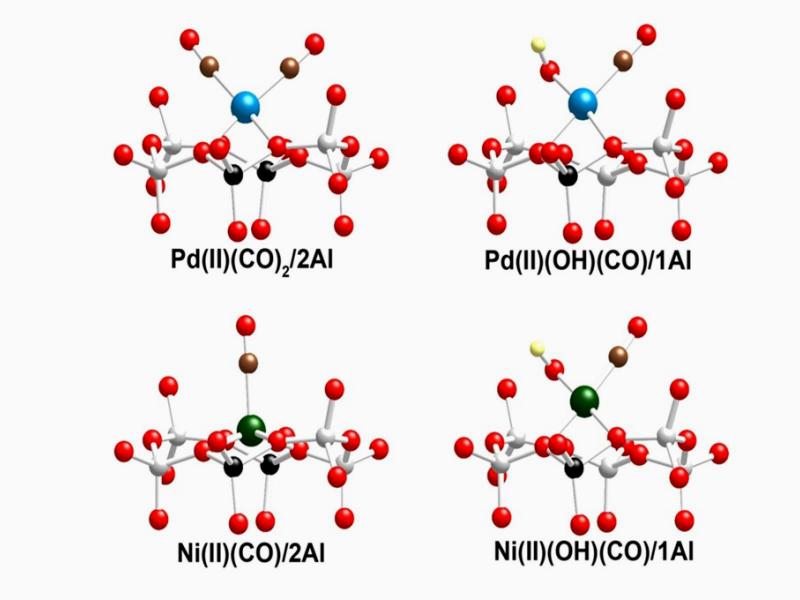
A switchable single-atom catalyst is activated in the presence of surface intermediates and reverts to its stable inactive form when the reaction is completed.
Catalysts that efficiently transfer hydrogen for storage in organic hydrogen carriers are key for more sustainable generation and use of hydrogen. New research identifies activity descriptors that can accelerate novel catalyst development.
PNNL helps deliver efficiency-related rules and requirements that steadily improve performance of America’s buildings, saving energy and costs and reducing carbon emissions.
Mandy Mahoney, director of the DOE Building Technologies Office, visited PNNL in late November. One key agenda item involved meeting with staff for a discussion of effective equity and justice integration in buildings-related research.