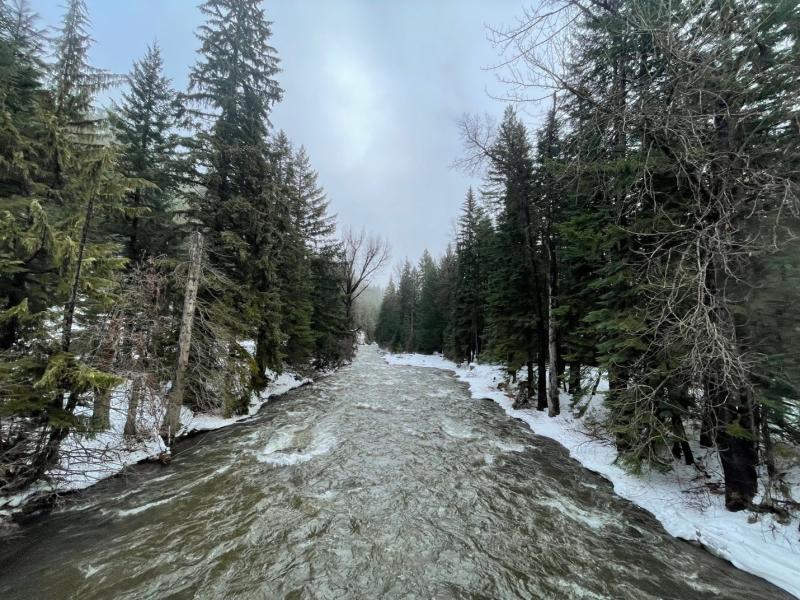
Tracking water age using a new precipitation tagging method within a hydrologic model generates key information to support hydropower energy and other water-dependent systems.
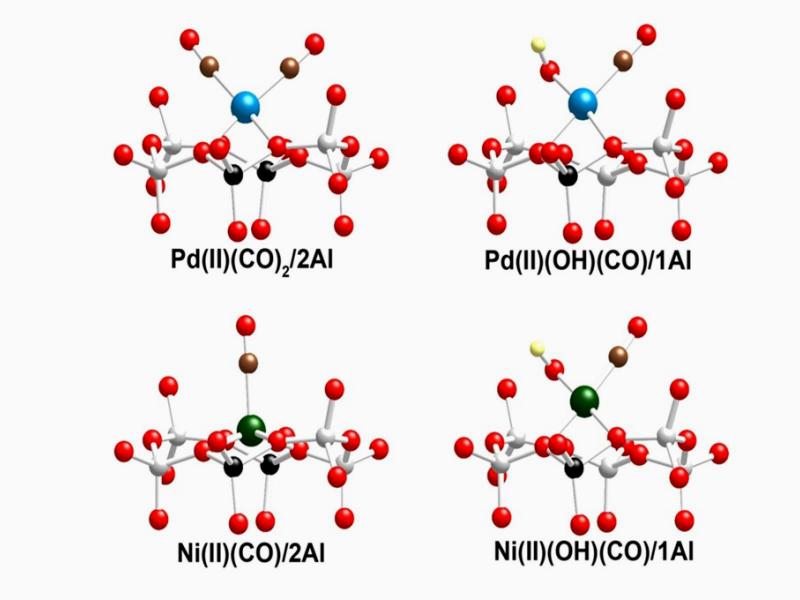
Research provided definitive spectroscopic characterization, reactivity, and deactivation of a reactive monomeric diphosphine-copper hydride intermediate.
A team from PNNL joined the Department of Homeland Security Science and Technology Directorate and first responders from across the country to evaluate commercially available unmanned ground vehicles for emergency response.
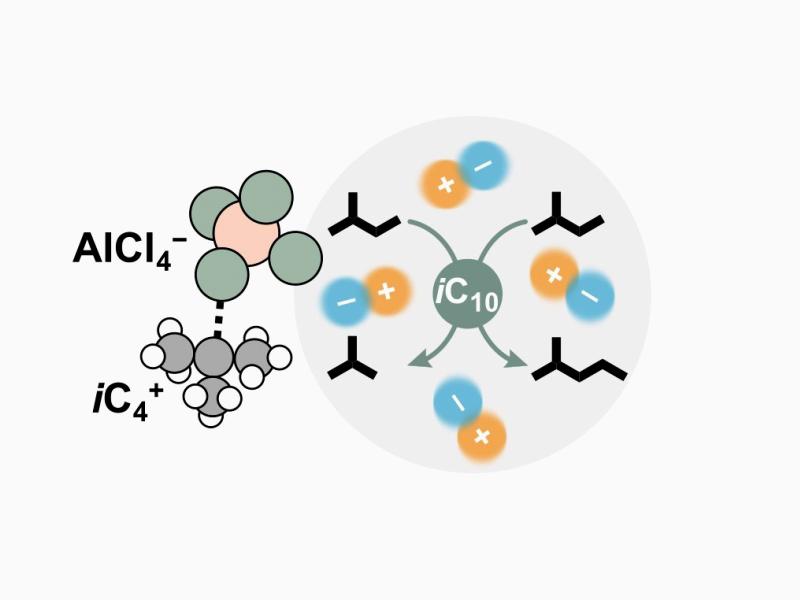
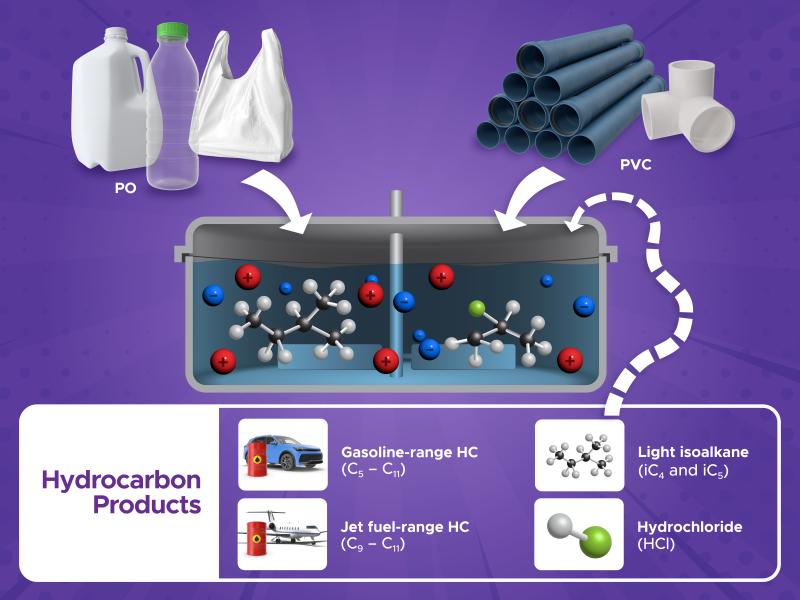
PNNL has formed a partnership with the Orlando-based firm Refinity, which has licensed a key process from PNNL that will help the company convert mixed plastic waste into valuable industrial products like chemicals, plastics, and fuels.
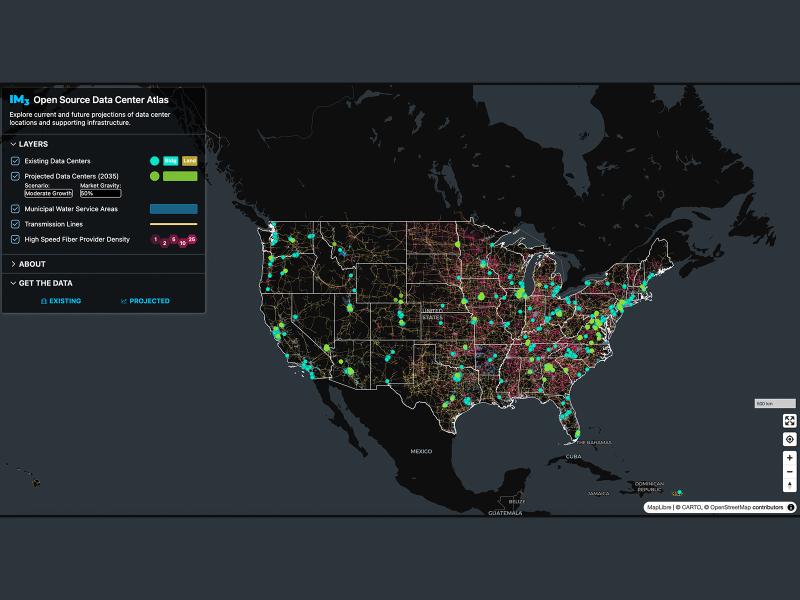
Now, anyone can easily explore and access data from a nationwide map of data centers, the infrastructure that powers them, and projections of future data center locations.
Researchers at PNNL share a research- and practitioner-informed approach to assess the threat landscape, elicit and integrate feedback into solutions, and ultimately share outcomes with the emergency response and public safety community.
From developing new energy storage materials to revealing patterns of Earth’s complex systems, studies led by PNNL researchers are recognized for their innovation and influence.
Distributed science is thriving at PNNL, where scientists share data and collaborate with researchers around the world to increase the impact of the work.
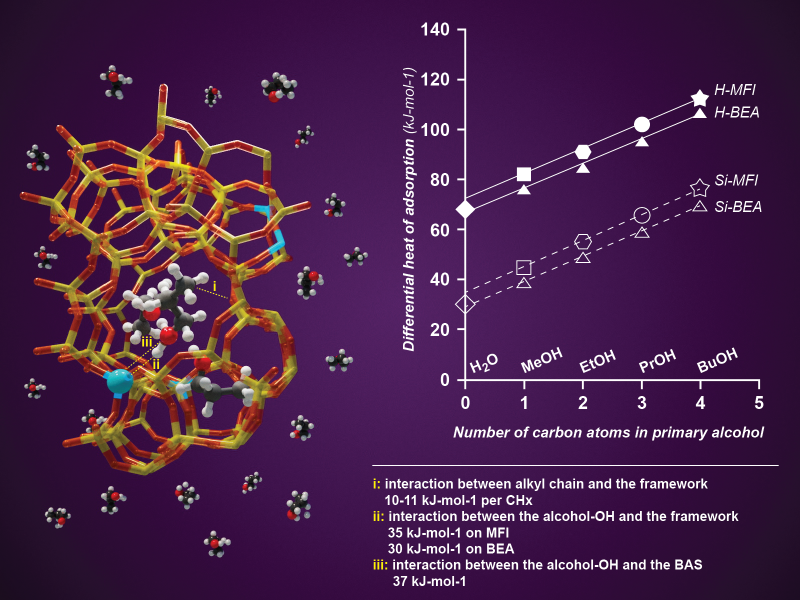
A comprehensive investigation provides quantitative data on the interaction between zeolite pores and linear alcohols, with hydroxyl group interactions playing the largest role.
The ability of a storm-resolving weather model to predict the growth of storms over central Argentina was evaluated with data from the Clouds, Aerosols, and Complex Terrain Interactions (CACTI) field campaign in central Argentina.