PNNL has developed a next-generation electrical resistivity tomography system for DOE that uses E4D software and AI-enhanced modeling to produce real-time subsurface images that help guide environmental remediation decisions.
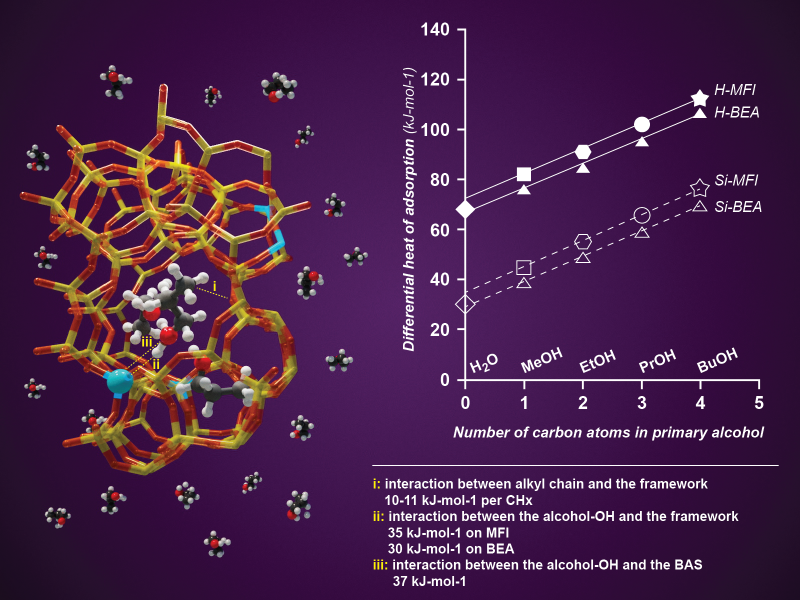
A comprehensive investigation provides quantitative data on the interaction between zeolite pores and linear alcohols, with hydroxyl group interactions playing the largest role.
A switchable single-atom catalyst is activated in the presence of surface intermediates and reverts to its stable inactive form when the reaction is completed.
In a recent publication in Nature Communications, a team of researchers presents a mathematical theory to address the challenge of barren plateaus in quantum machine learning.
Researchers found that in a future where the Great Plains are 4 to 6 degrees Celsius (°C) warmer as projected in a high-emission scenario, these storms could bring three times more intense rainfall.
PNNL played host in mid-May to the Artificial Intelligence for Robust Engineering & Science workshop, an annual event that explores advances in artificial intelligence