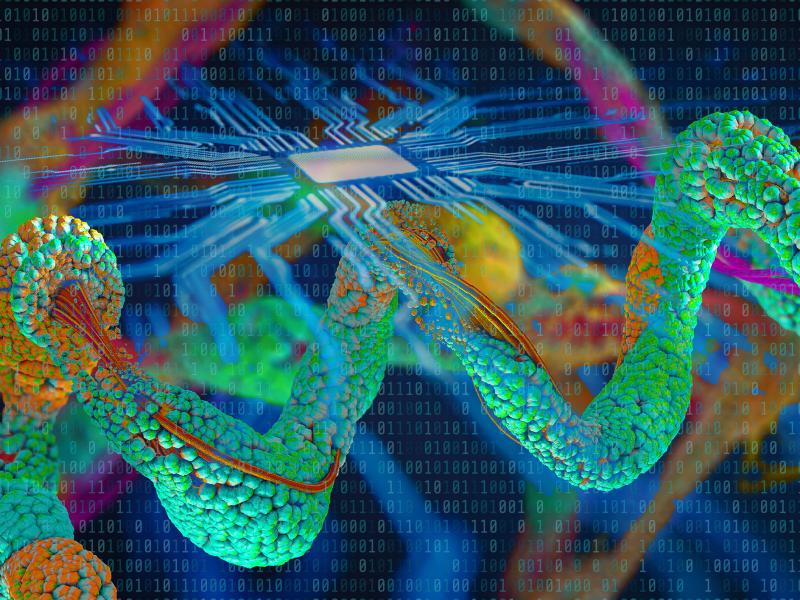
Scientists combined detailed images and coordinated time-series multiomics data to show how protein complexes regulate carbon fixation as light conditions change.
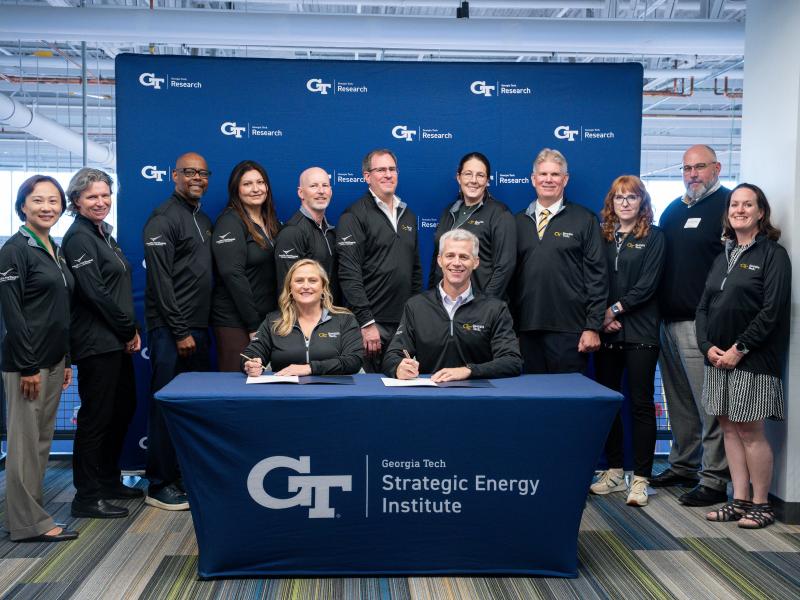
A new memorandum of understanding creates a framework for expanded research, talent development, and technology transfer between Georgia Tech and PNNL.
Researchers at PNNL shared advances in artificial intelligence, cybersecurity, advanced imaging, and more at the Department of Homeland Security Research, Development, Test, and Evaluation Summit.
PNNL recently hosted a training exercise that immersed the U.S. Coast Guard 2013 Cyber Protection Team in a lifelike simulation of a cyberattack on a U.S. port terminal.
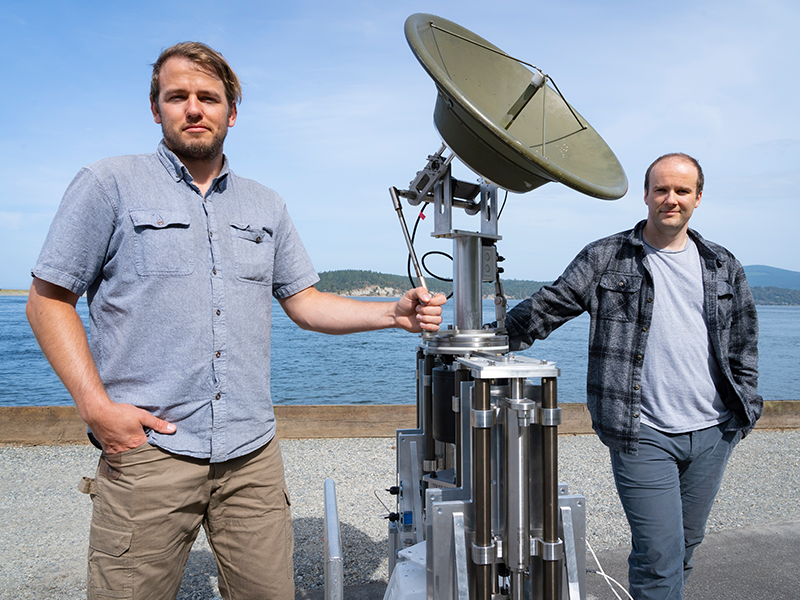
Engineers at PNNL devised a system that allows radar antennae to maintain stable orientation while mounted on platforms in open water that pitch and roll unpredictably. They were recently invited to participate in DOE's I-Corps program.
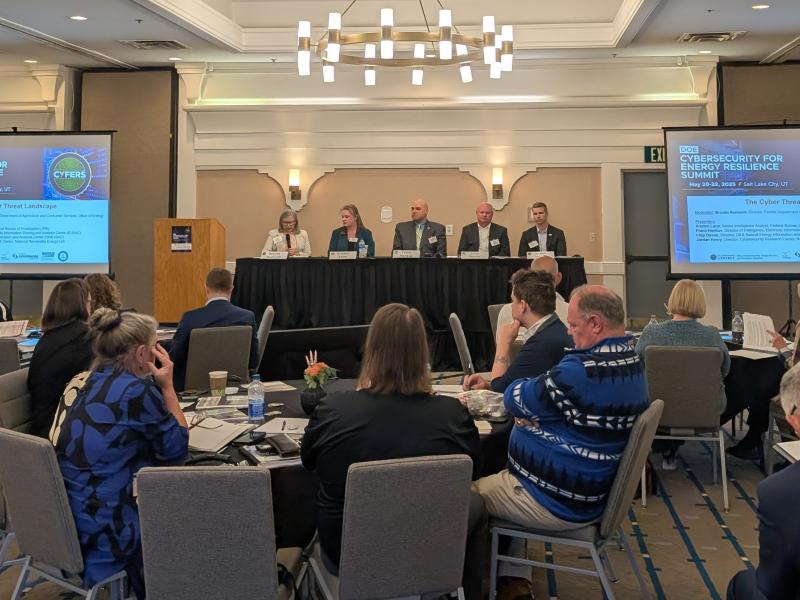
CESER and PNNL convened a three-day summit with more than 100 state officials, cybersecurity experts, and industry leaders across 35 states to advance energy security planning, cyber risk assessment, and fortify protections against attacks.
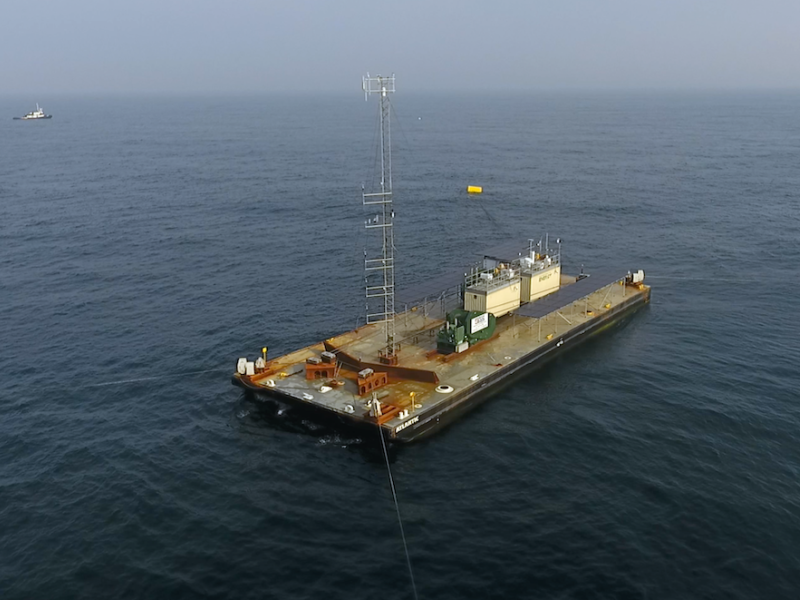
With the launch of a large research barge, PNNL and collaborators took another significant step to improve offshore wind forecasting that will lower risk and cost associated with offshore wind energy development.