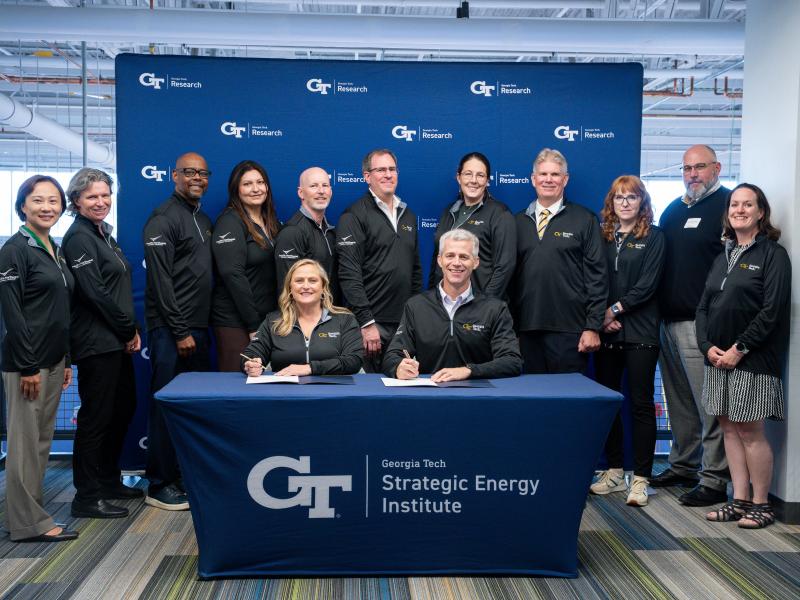
A new memorandum of understanding creates a framework for expanded research, talent development, and technology transfer between Georgia Tech and PNNL.
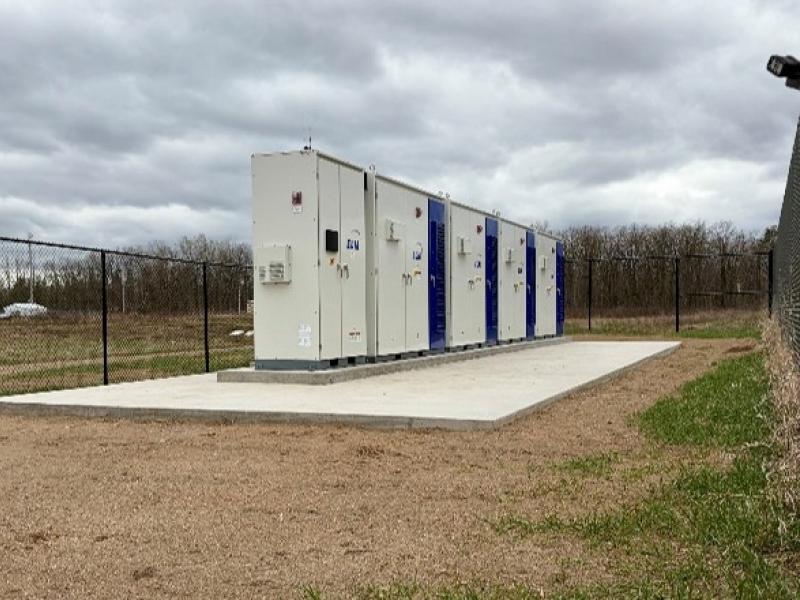
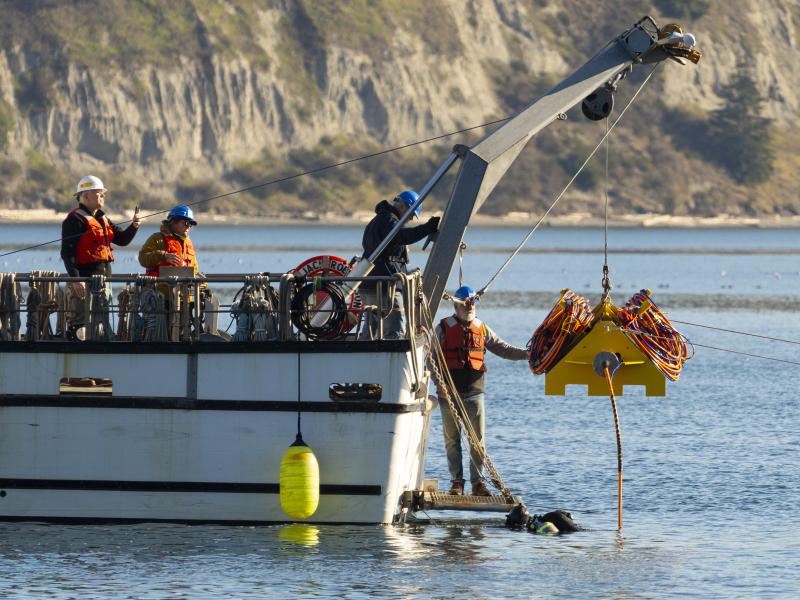
Connecting energy generation, electricity storage, and using sensors and control software to track load, including precommercial market marine energy generation technologies.
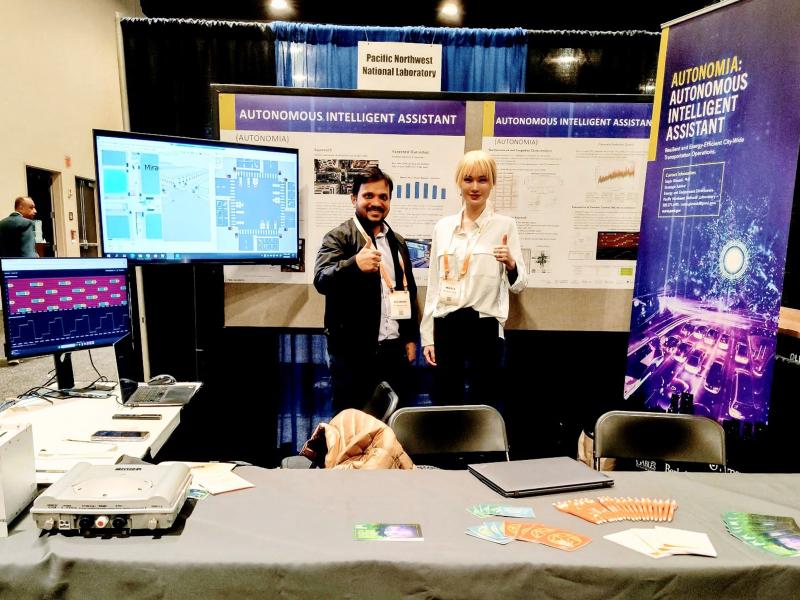
Researchers at PNNL shared advances in artificial intelligence, cybersecurity, advanced imaging, and more at the Department of Homeland Security Research, Development, Test, and Evaluation Summit.
PNNL recently hosted a training exercise that immersed the U.S. Coast Guard 2013 Cyber Protection Team in a lifelike simulation of a cyberattack on a U.S. port terminal.
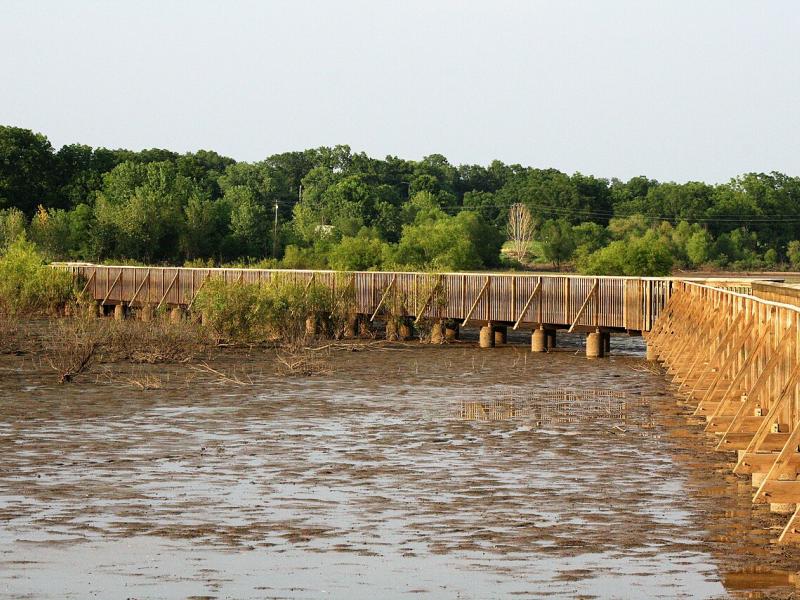
PNNL scientist James Stegen and an international team of collaborators recently published a comprehensive review of variably inundated ecosystems (VIEs).
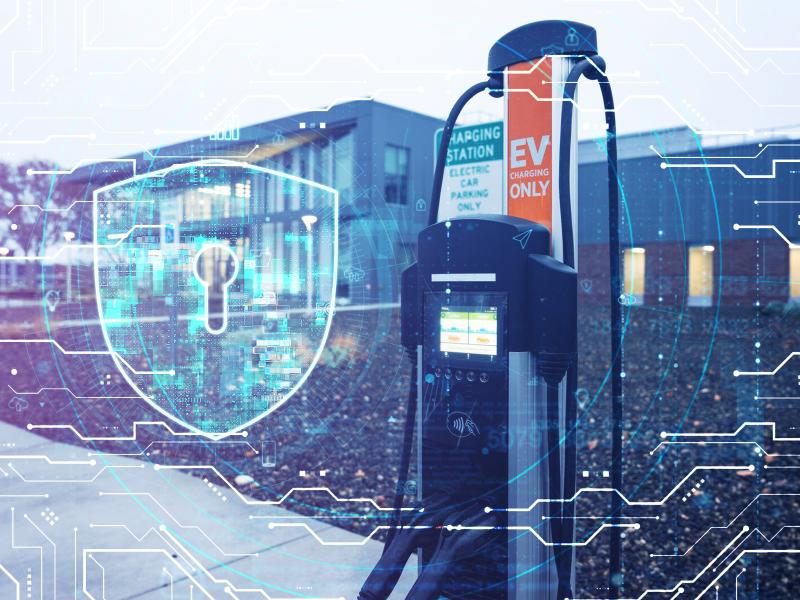
CESER and PNNL convened a three-day summit with more than 100 state officials, cybersecurity experts, and industry leaders across 35 states to advance energy security planning, cyber risk assessment, and fortify protections against attacks.
The ARPA-E Energy Innovation Summit brings together researchers, industry leaders, entrepreneurs, and investors to showcase the latest technologies shaping tomorrow’s energy landscape. This year, eight projects led by PNNL were featured.
This project sought to assure that research activities centered around different sampling and monitoring efforts in northwest Ohio would not disturb any historical cultural resources.
PNNL researchers are exploring the kinds of flicker waveforms that the eye and brain can detect, seeking to understand the different visual and non-visual effects that result.
PNNL has developed a decision tool that provides contractors and installers with the information they need to properly select and install cold climate heat pumps, which are a key technology for achieving decarbonization.