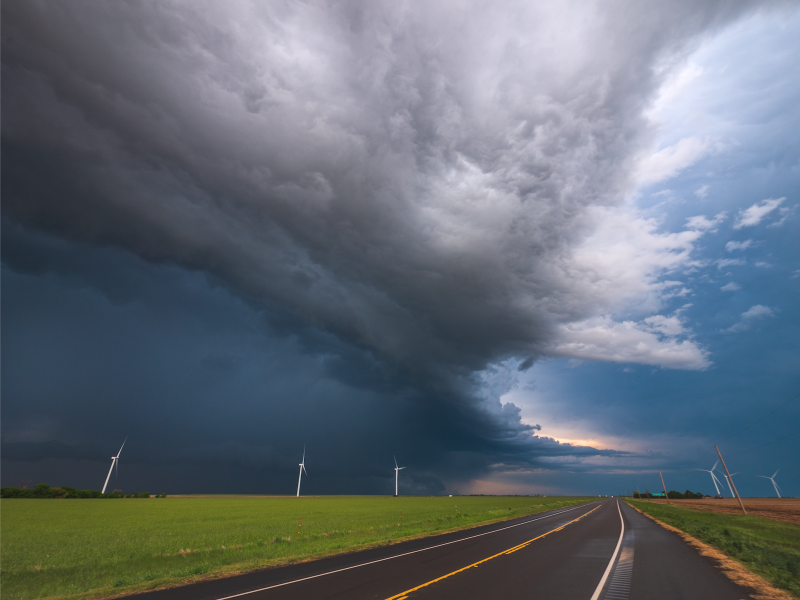
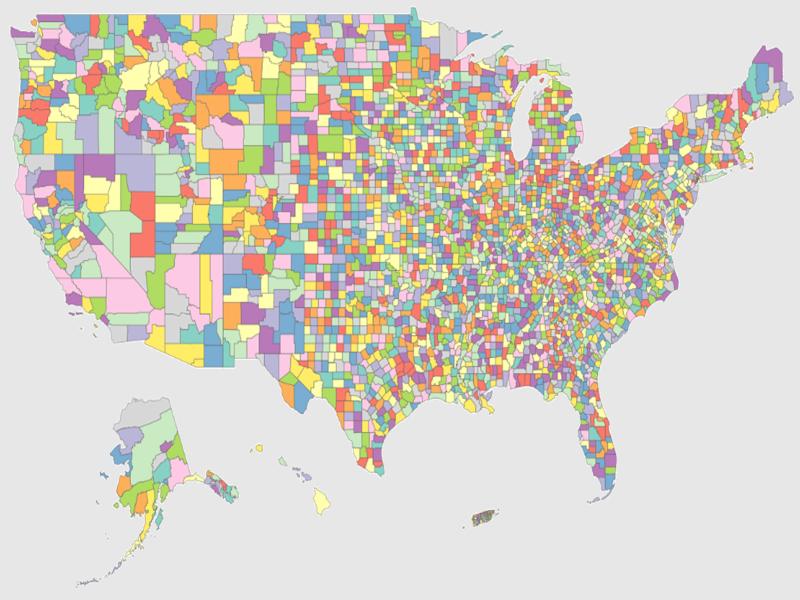
Machine learning models help identify important environmental properties that influence how often extreme rain events occur with critical intensity and duration.
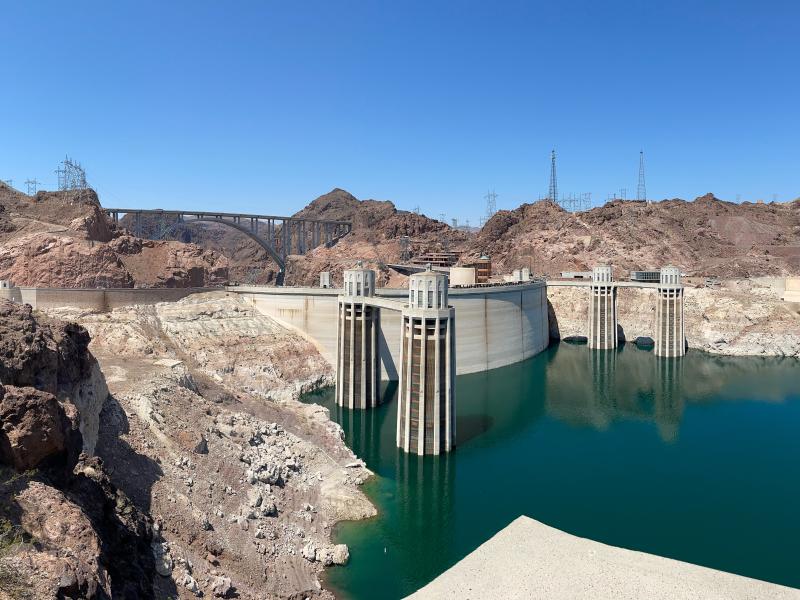
A scenario approach was used to explore the potential future role of hydropower around the globe considering the multisectoral dynamics of regional energy systems and basin-specific water resources.
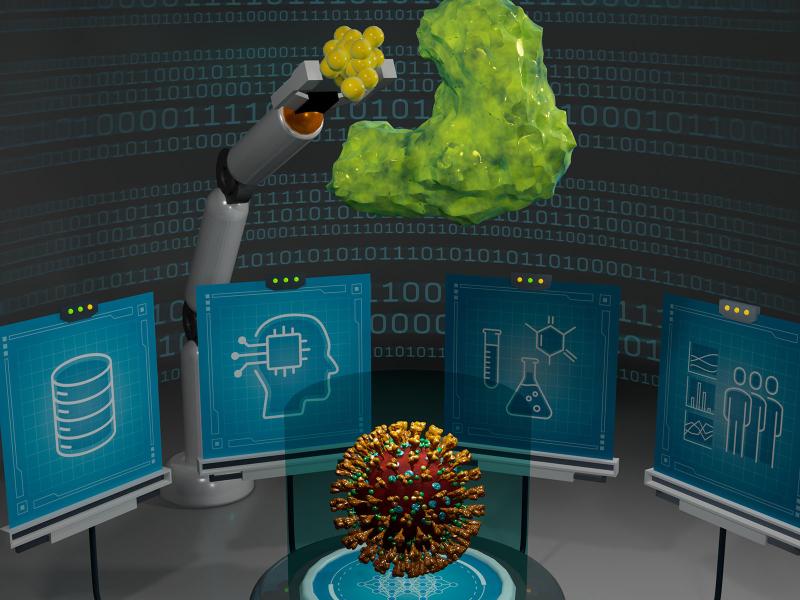
Data-driven autonomous technology to rapidly design and deliver antiviral interventions targeting SARS-CoV-2 to reduce drug discovery timeline and advance bio preparedness capabilities.
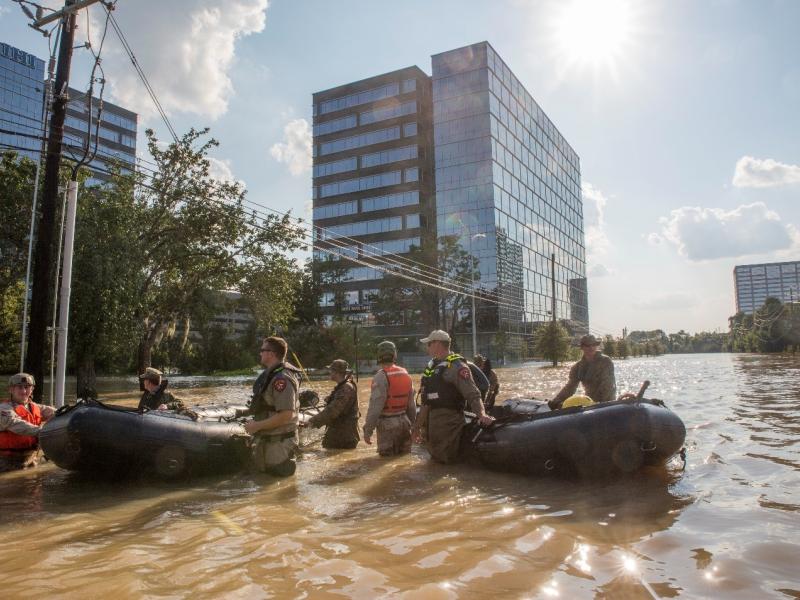
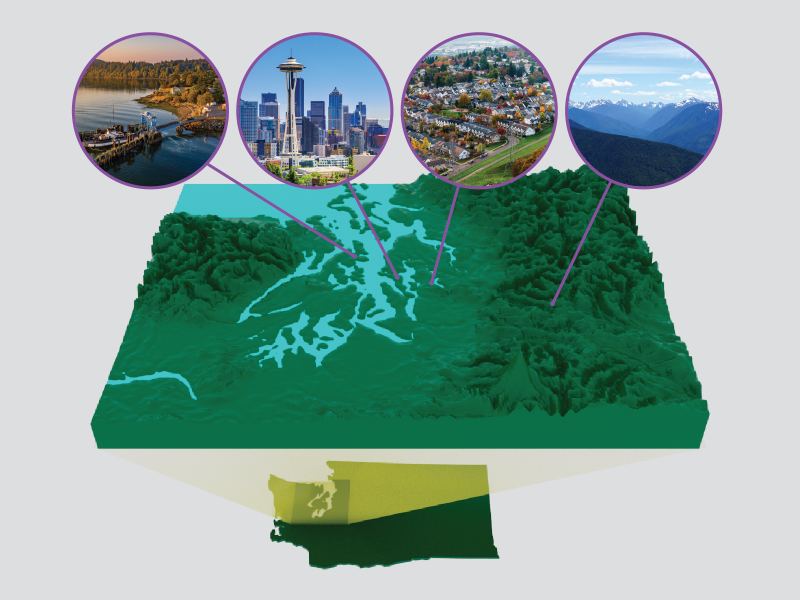
A new report, based on a community workshop and literature review, summarizes some of the biggest challenges in understanding and modeling Earth system and human–Earth system dynamics in the Puget Sound region of Washington State.
The work by the team at PNNL takes a critical step in leveraging ML to accelerate advanced manufacturing R&D, specifically for manufacturing techniques without access to efficient, first-principles simulations.
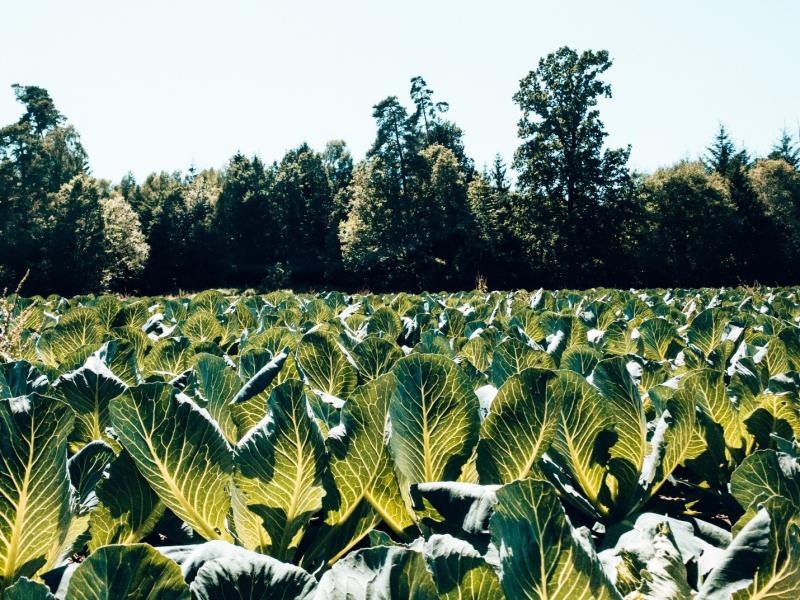
A systematic, multiple scenario approach was used to analyze the compounding impacts of demands for land for biofuels with increased land scarcity under a diverse set of uncertainties.