PNNL has developed a next-generation electrical resistivity tomography system for DOE that uses E4D software and AI-enhanced modeling to produce real-time subsurface images that help guide environmental remediation decisions.
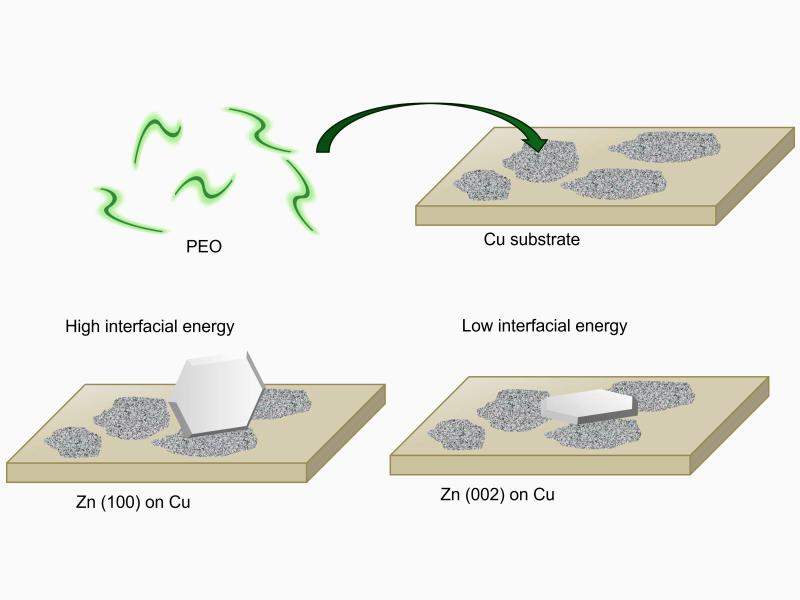
Researchers discovered that a polymer additive promotes smooth, layer-by-layer deposition on metal electrodes by tuning interactions with the substrate.
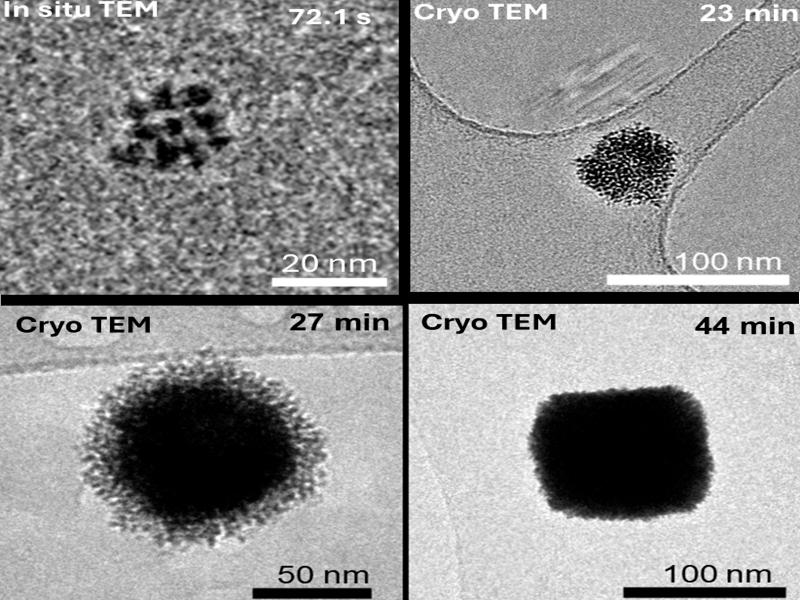
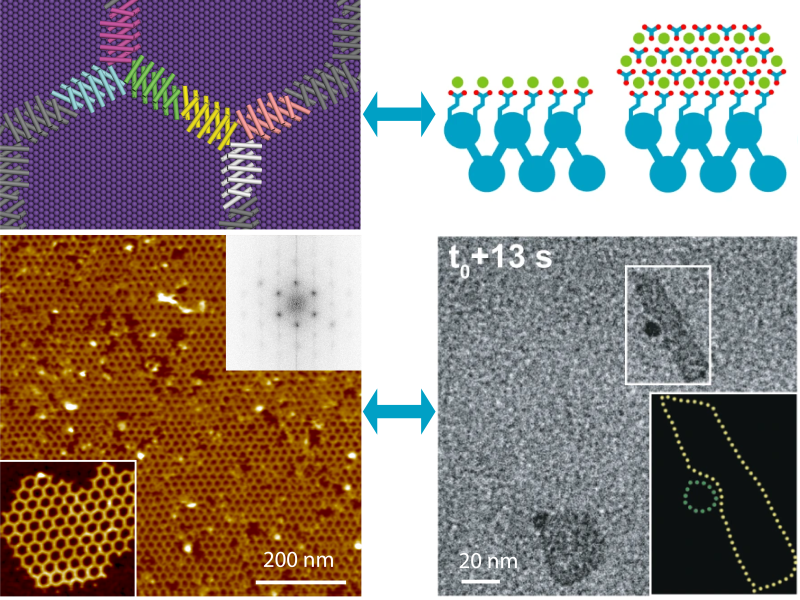
Summarizing the state of designed protein hybrid materials, researchers celebrate both the 50th anniversary of the MRS Bulletin and the 2025 Fred Kavli Distinguished Lecturers in Materials Science, Jim De Yoreo and David Baker.
Researchers at PNNL shared advances in artificial intelligence, cybersecurity, advanced imaging, and more at the Department of Homeland Security Research, Development, Test, and Evaluation Summit.
A team from PNNL contributed several articles to the Domestic Preparedness Journal showcasing recent efforts to explore the emergency management and artificial intelligence research and development landscape.