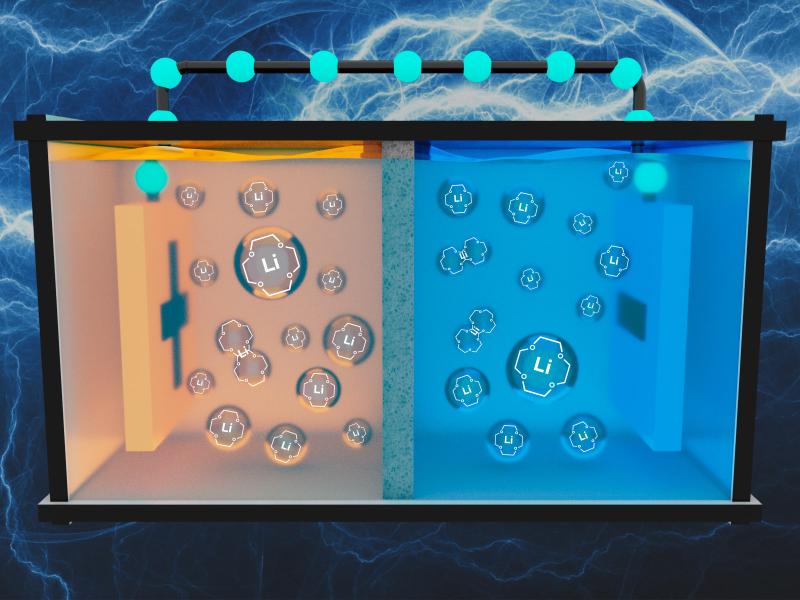
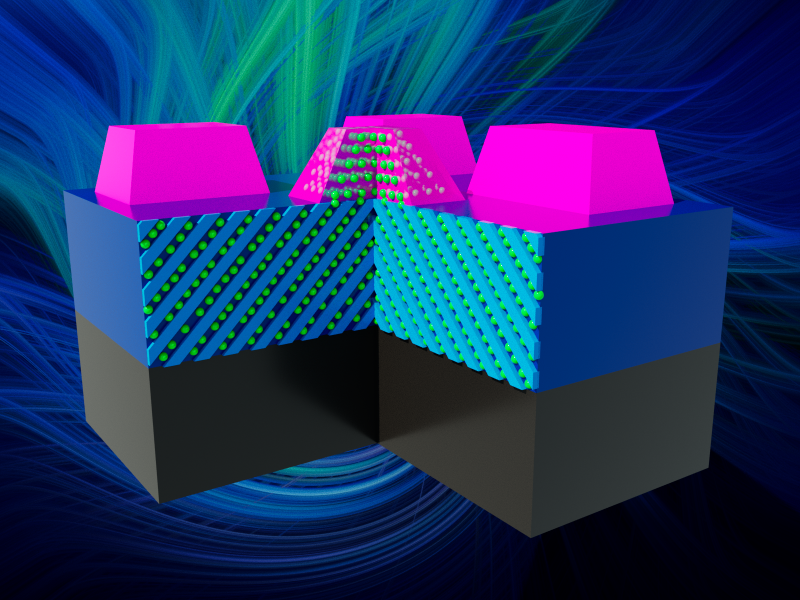
PNNL researchers design liquid-based porous electrolyte that could transport lithium ions more easily between electrodes, improving battery efficiency.
Report for the Oregon Public Utility Commission highlights innovations and best practices for resilience and utility planning could be helpful to other states as well.
PNNL gathered researchers from eight national laboratories plus the U.S. Department of Energy (DOE) to share ideas and build synergy at the Energy Equity and Environmental Justice Summit.
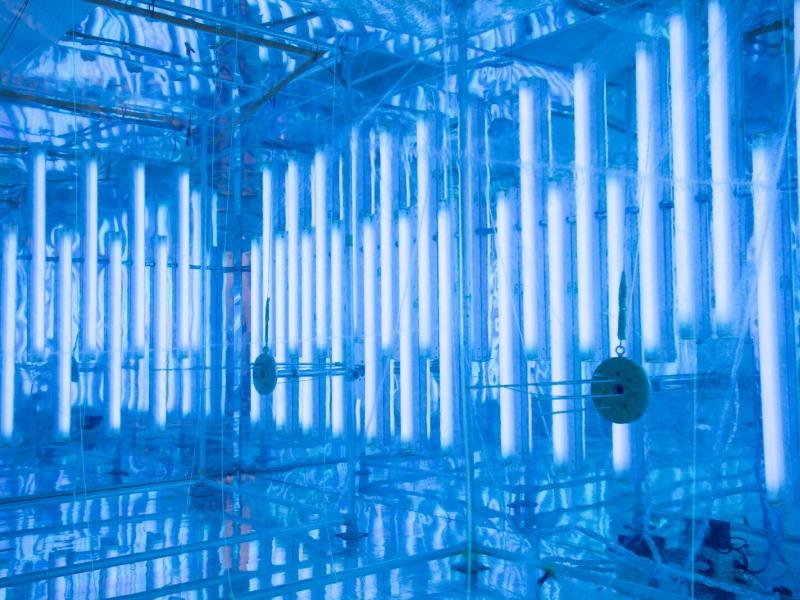
Secondary organic aerosol formation from monoterpenes is more strongly influenced by oxidant and monoterpene structure than by nitric oxides and hydroperoxy radical concentrations.
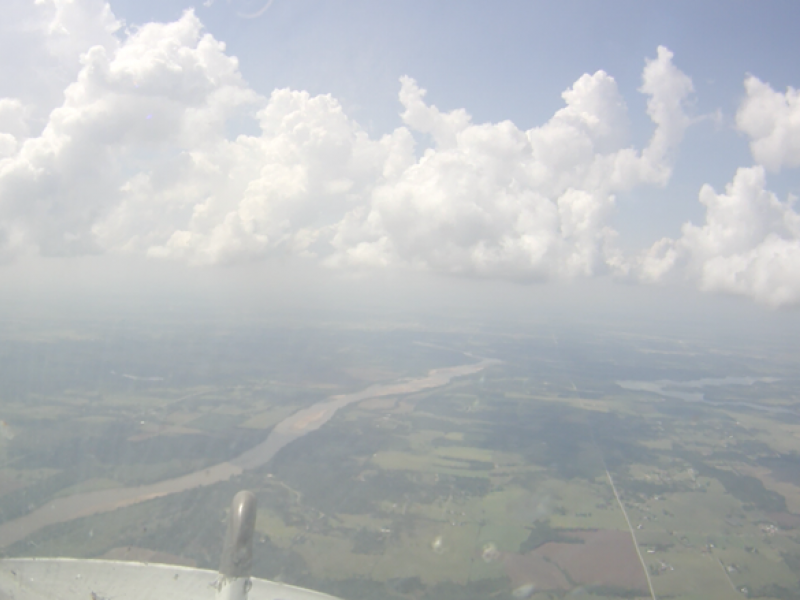
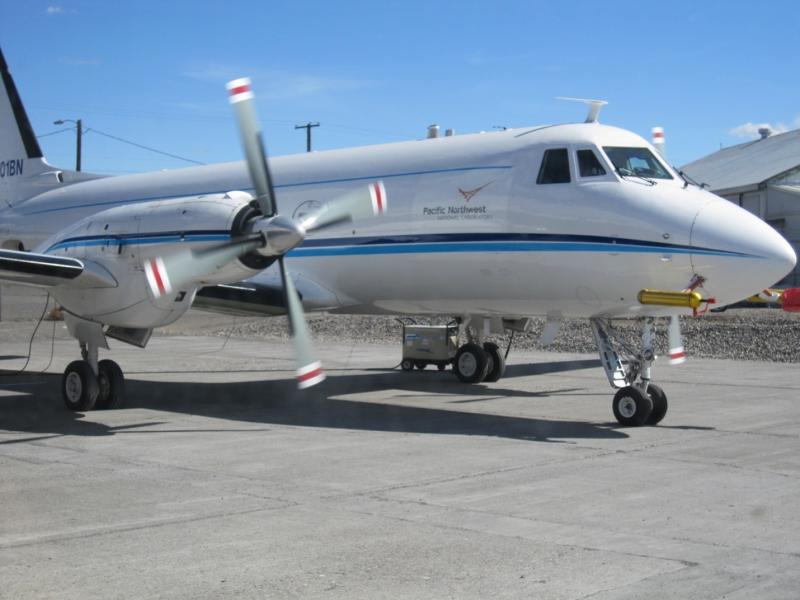
Repeated aircraft measurements over central Oklahoma allow researchers to better understand the spatial variability of aerosol properties that affect cloud evolution.
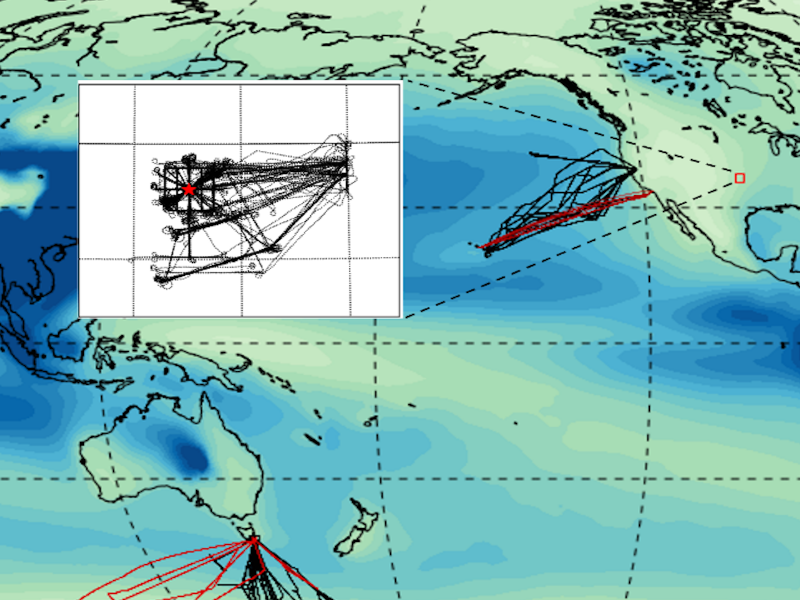
The Earth system model aerosol-cloud diagnostics package version 1 uses aircraft, ship, and surface measurements to evaluate simulated aerosols in an Earth system model.
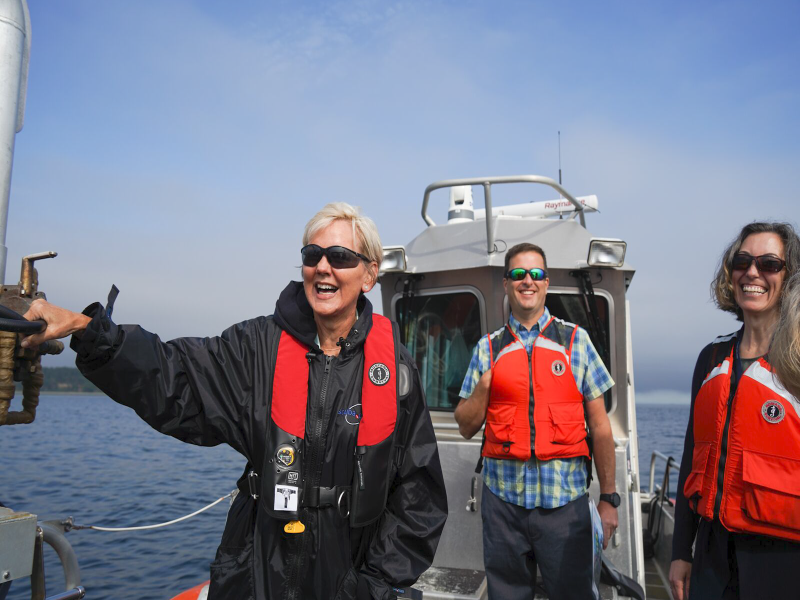
The Department of Energy Secretary Jennifer Granholm made her first in-person visit to PNNL, a leading center for scientific discovery and technical innovation in sustainable energy.
Investigating cloud condensation nuclei activities in various airmasses enabled linking activity variations with organic oxidation levels and volatility