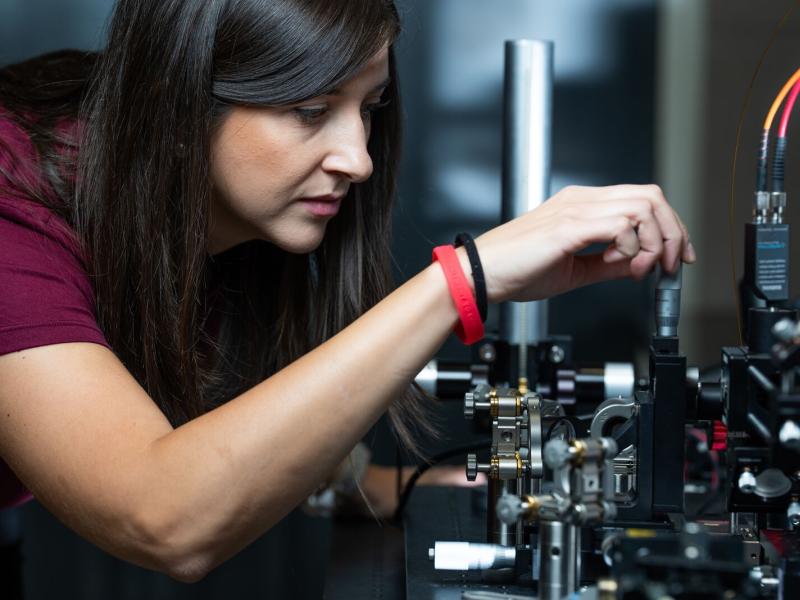
Matteo Muratori, director of transportation and industry programs at PNNL, has been named to the 2026–2028 cohort of the National Academies of Sciences, Engineering, and Medicine’s New Voices Program.
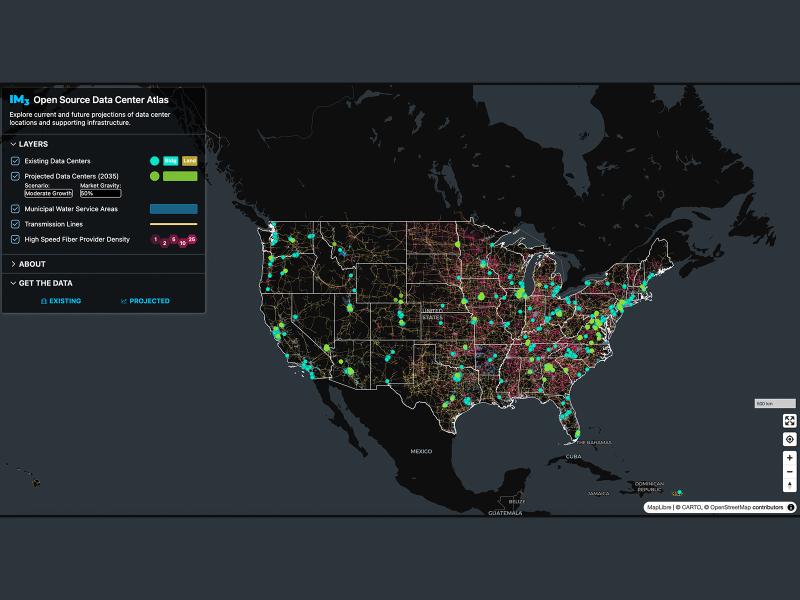
Now, anyone can easily explore and access data from a nationwide map of data centers, the infrastructure that powers them, and projections of future data center locations.
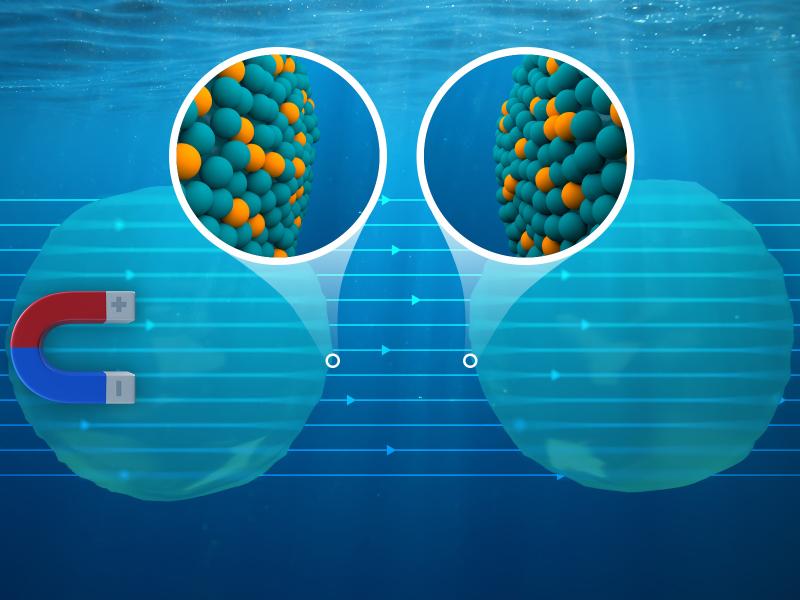
Localized gradients in magnetic fields have long-range effects on the concentration of rare earth ions in solution, facilitating field-driven extraction of critical minerals.
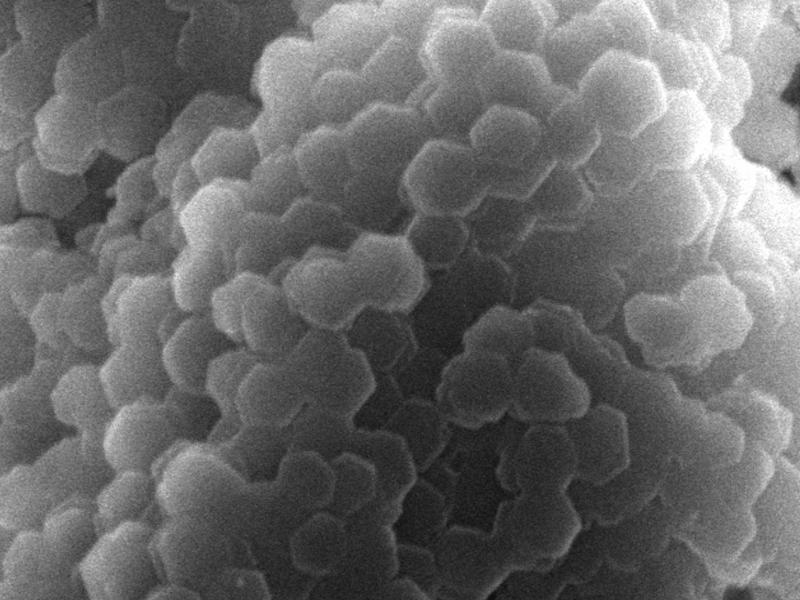
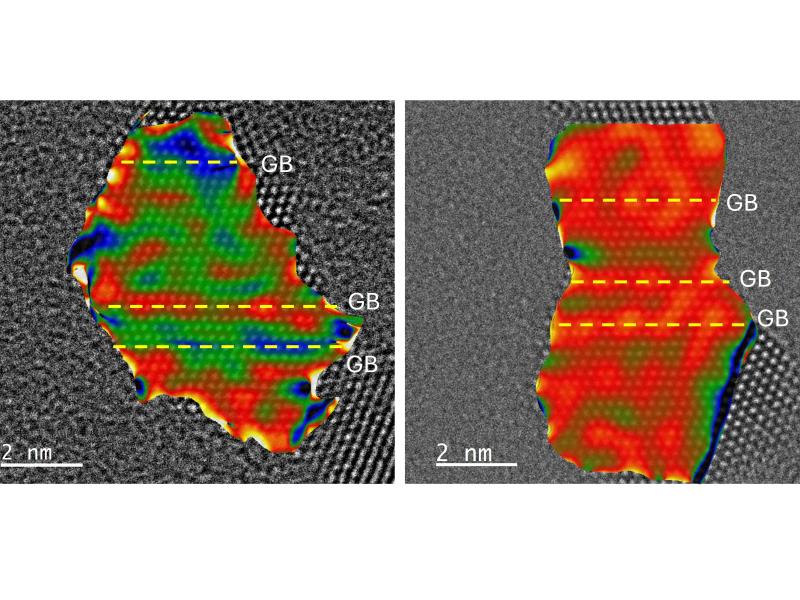
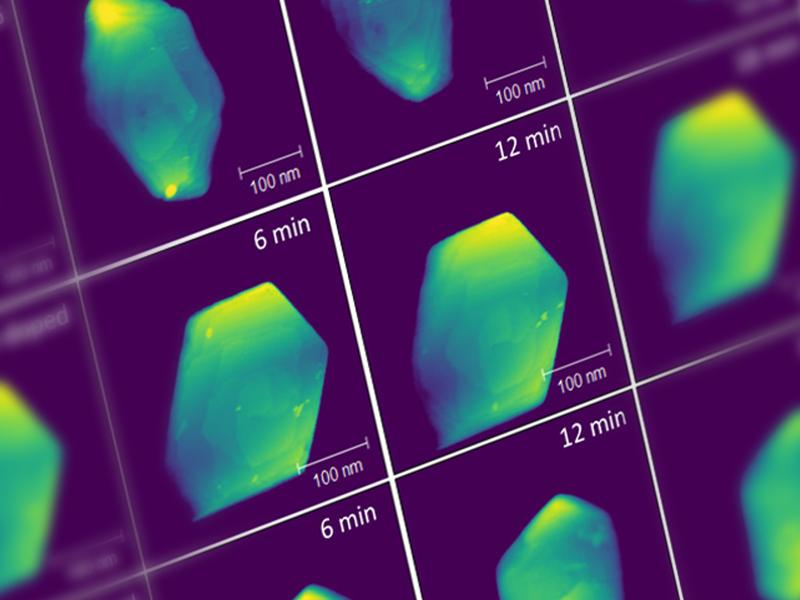
Hydrogen preferentially inserts at grain boundaries between interconnected chains of palladium nanoparticles, which have a lower energy barrier for hydrogen incorporation into the material.
From developing new energy storage materials to revealing patterns of Earth’s complex systems, studies led by PNNL researchers are recognized for their innovation and influence.
Distributed science is thriving at PNNL, where scientists share data and collaborate with researchers around the world to increase the impact of the work.
Nanoscale domains of magnetically susceptible critical materials encounter enhanced magnetic interactions under external magnetic fields, providing a promising new avenue for separations.
This summer, PNNL hosted the inaugural “As Conductive As Copper” (AC2.0) workshop, fostering a collaborative conversation on the future of the U.S. copper supply chain.
The ability of a storm-resolving weather model to predict the growth of storms over central Argentina was evaluated with data from the Clouds, Aerosols, and Complex Terrain Interactions (CACTI) field campaign in central Argentina.