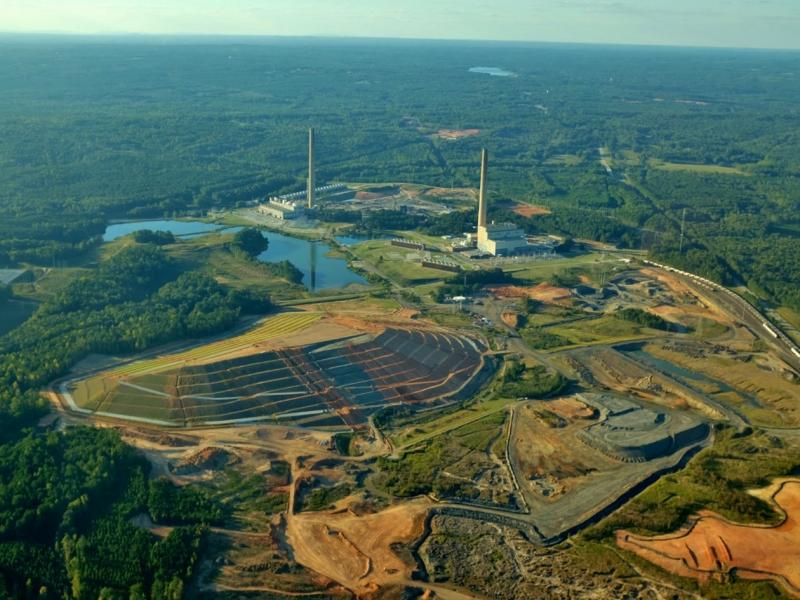
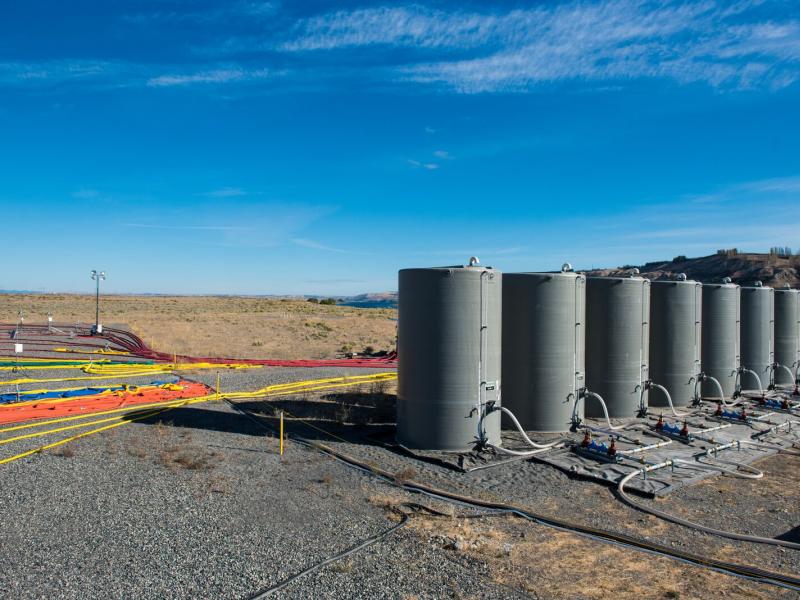
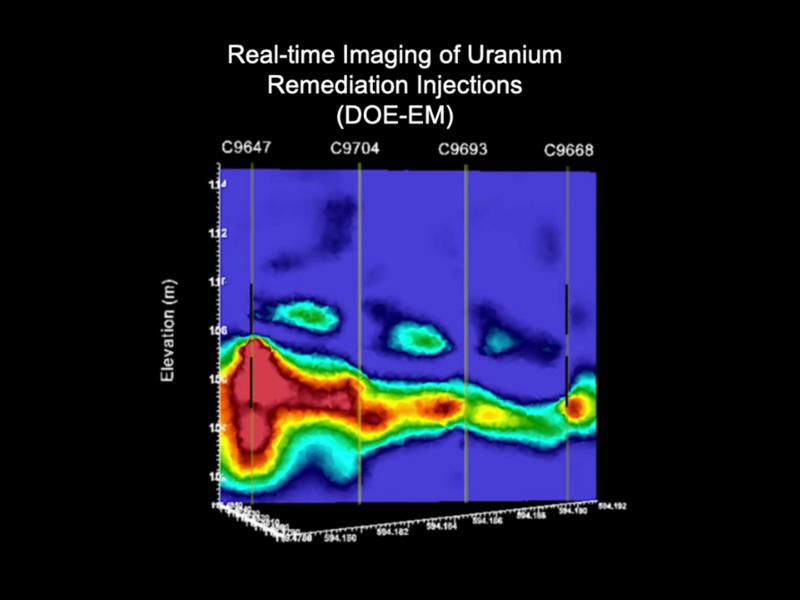
PNNL scientists have proposed an "adaptive site management" cleanup strategy for the Hanford Site's Central Plateau that incorporates a structured, flexible approach to environmental remediation.
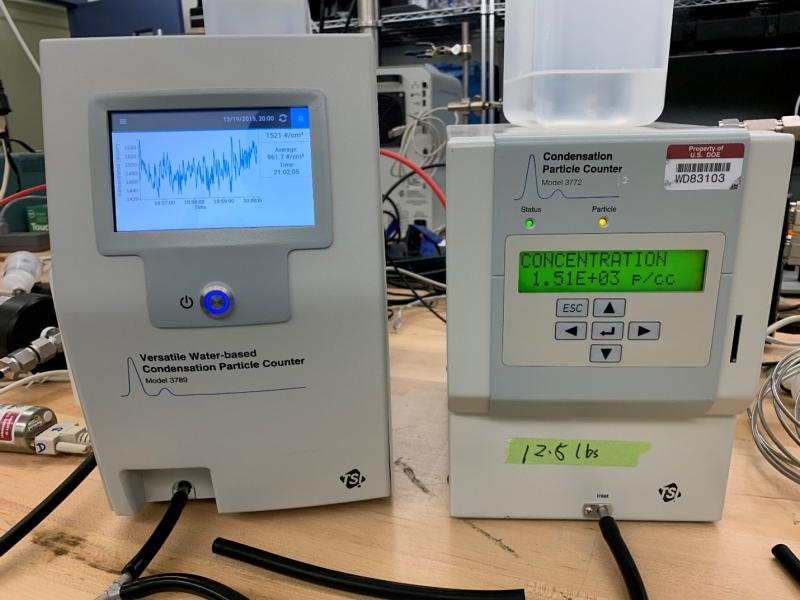
Investigating cloud condensation nuclei activities in various airmasses enabled linking activity variations with organic oxidation levels and volatility
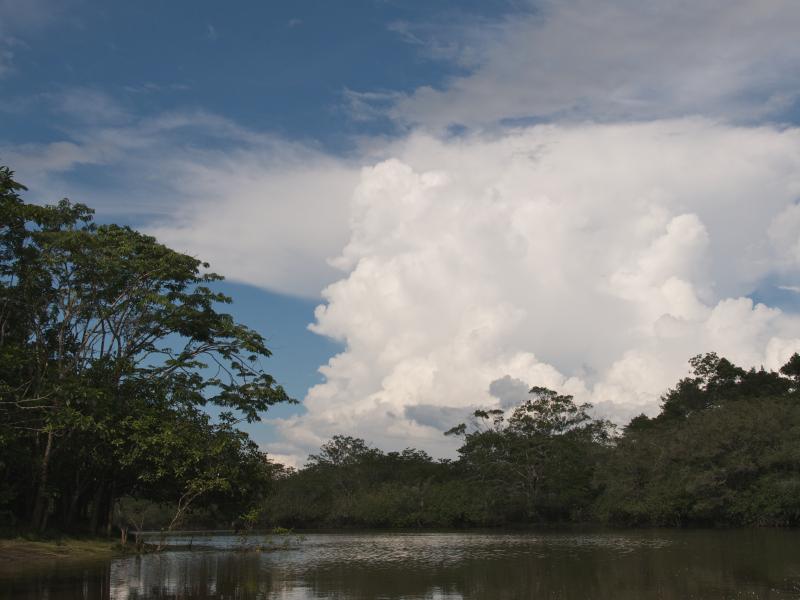
PNNL contributes to 30 years of data on clouds, radiation, and other climate-making factors as part of field campaigns and analysis conducted by DOE's Atmospheric Radiation Measurement user facility.
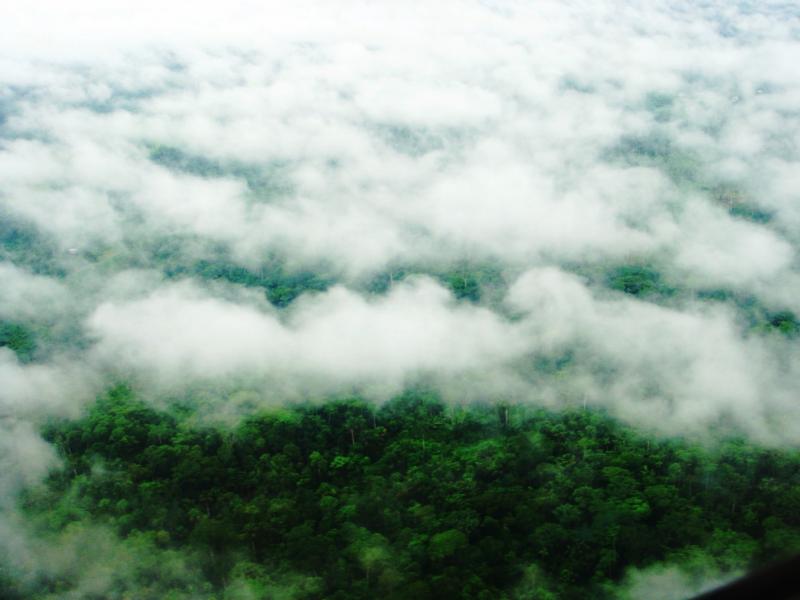
Combining aircraft measurements and regional modeling allowed researchers to identify the role of in-plant biochemistry in secondary organic aerosol formation.
Moving toward a deeper understanding of the influence of large marine biogenic particles on cloud ice formation by combining modeling and observational data.
The rapid growth of urban nanoparticles via the condensation of organic vapors substantially alters shallow cloud formation and suppresses precipitation.
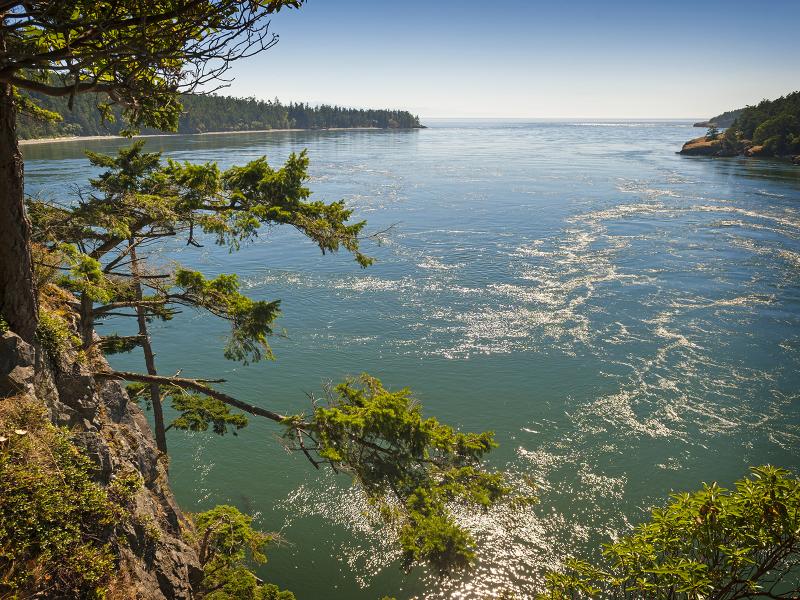
Ocean biogeochemical modeling software now available as open source to help researchers predict impacts of pollution, sea level rise, and climate change.
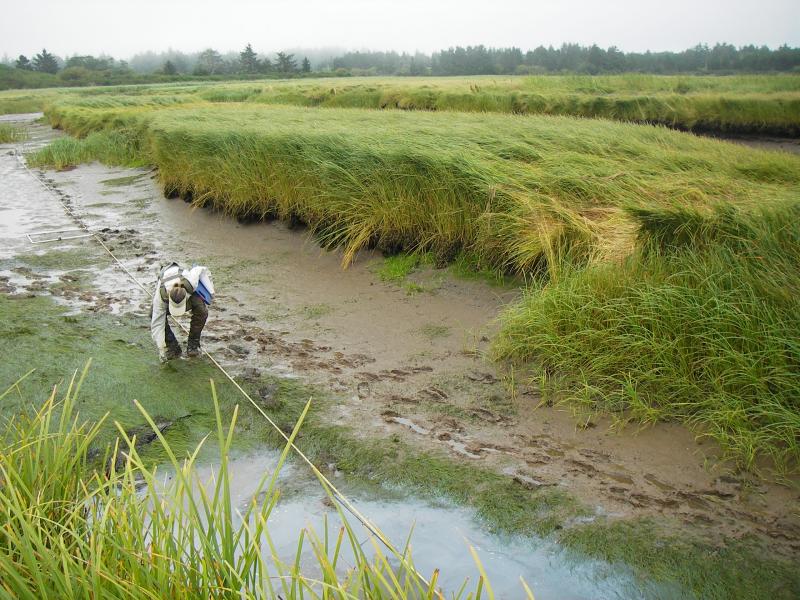
Integrating hydrogeology and biogeochemistry are required to model the dynamics of geochemical processes occurring in river corridor zones where groundwater and surface water mix.
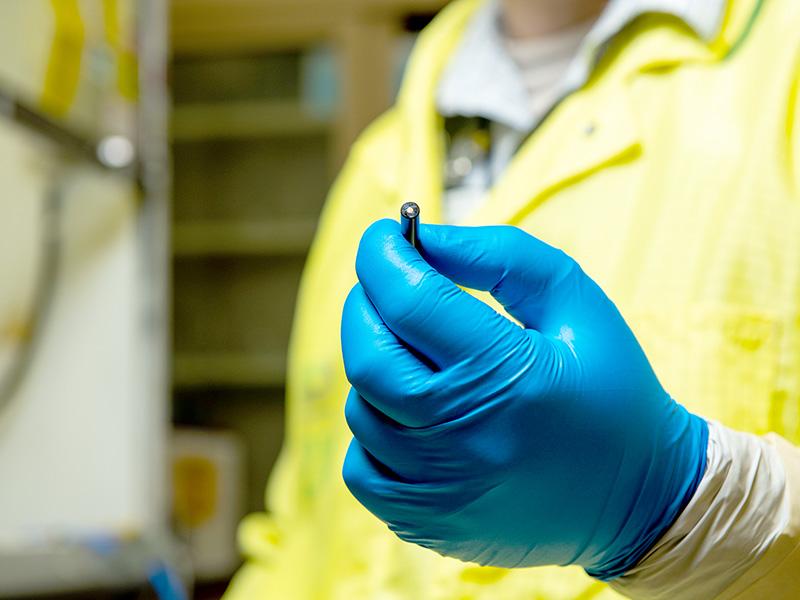
Existing techniques to detect pertechnetate in the environment have drawbacks. PNNL’s redox sensor technology uses a gold probe to accurately and efficiently measure low levels of pertechnetate—and possibly other contaminants—in groundwater