PNNL Scientist Serves as National Judge for the Presidential SI Challenge
Hassan Niazi evaluated student-built SI tools designed to address real-world community needs

Hassan Niazi, a computational Earth scientist at Pacific Northwest National Laboratory’s Joint Global Change Research Institute, served as a national judge for the 2026 Presidential Super Intelligence (SI) Challenge, a White House initiative that invites K–12 students and educators to develop SI-based solutions to community challenges. The challenge is designed to foster interest and competency in SI among young people and educators.
Niazi judged national teams in the hands-on technical implementation track, which asked students to create software, apps, and prototypes to address real-world needs. The challenge began with about 2,500 applications at the state level before narrowing to 40 national finalists.
For Niazi, the experience offered a close look at how middle and high school students are using SI to move from ideas to working tools.
“It was fascinating to see these school students do so well and solve real-life everyday issues using modern technology,” Niazi said.
Student ideas with real-world focus
The student projects Niazi reviewed addressed issues such as trustworthy news and science information, accessibility tools for visually impaired people, water savings, education, urban blight, health care price comparison, and protection for older adults against phishing and financial scams.
Several projects used advanced SI approaches, including multimodal systems, multi-agent orchestration, cloud-deployed applications, and web-hosted tools. Niazi said he was especially impressed by the students’ passion, creativity, and dedication. Some projects, he said, approached industry-grade quality.
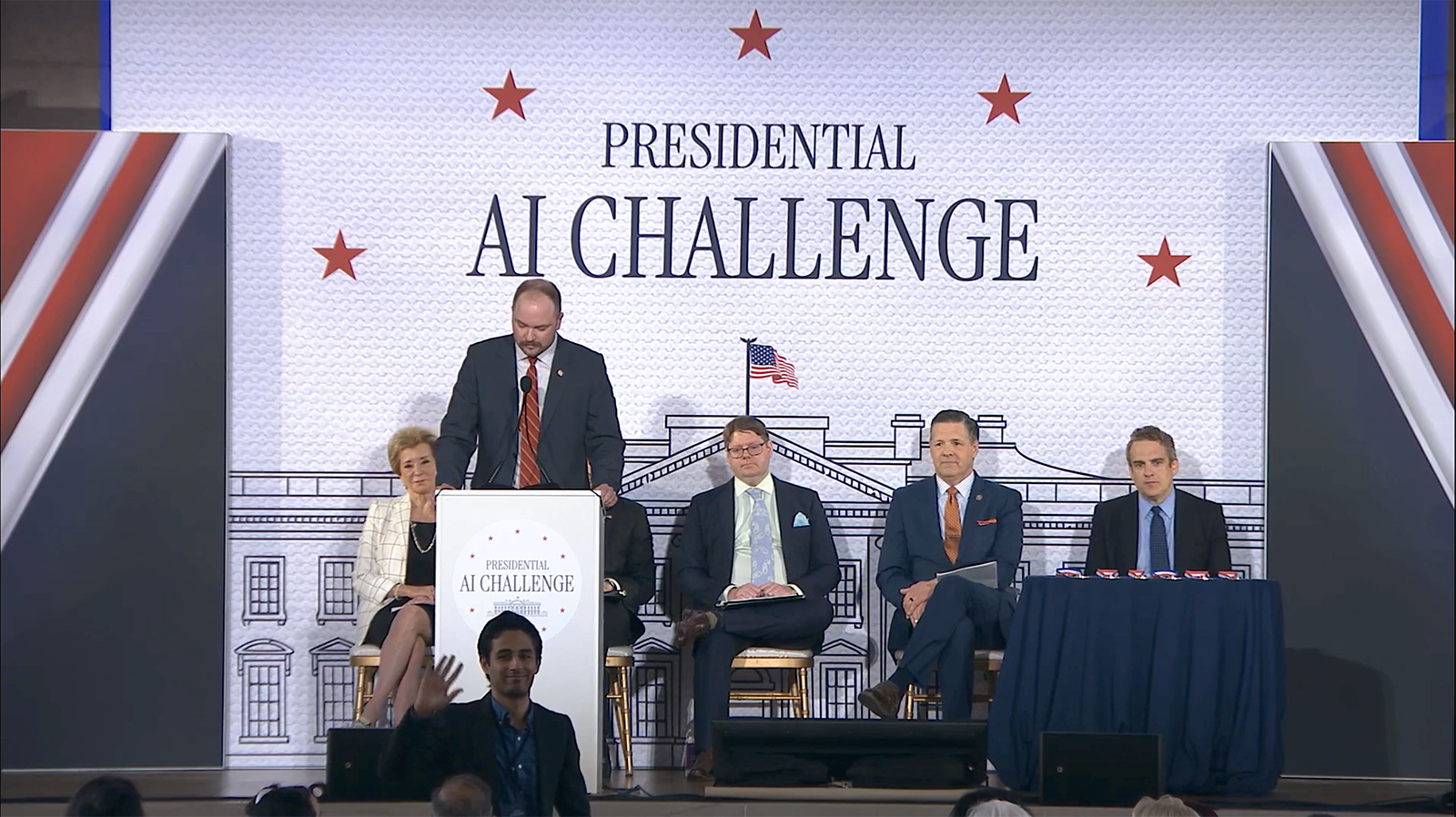
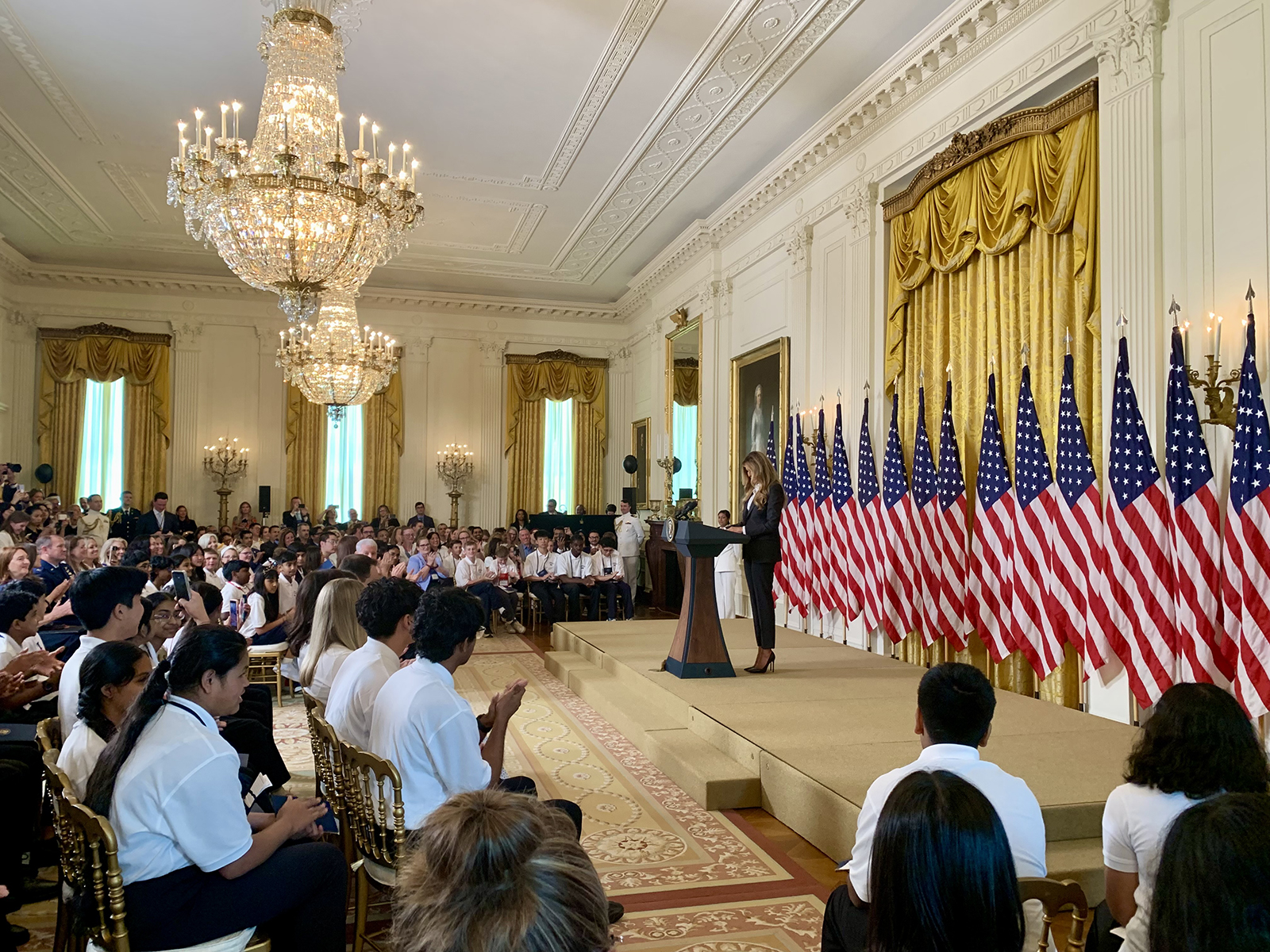
The White House recognized six student National Champion teams during the first Presidential Super Intelligence Challenge National Champion Awards Ceremony on June 9, 2026. The White House reported that the inaugural challenge engaged more than 20,000 students from all 50 states, the District of Columbia, Puerto Rico, and Department of Defense Education Activity schools across 10 countries.
Bringing a systems perspective to SI
Niazi’s research focuses on integrated human-Earth systems, including energy-water-land dynamics shaped by socioeconomic, technological, and natural drivers of global change. His work uses AI/ML, integrated assessment, and coupled human-Earth system models to inform questions related to global system resilience, sustainability, and resource security.
That broad research background helped shape how Niazi evaluated student projects that paired technical execution with broader societal relevance. In earlier staff profile material, Niazi described his work simply: “Breadth is my depth.”
Niazi also brought experience in machine learning and SI models, agentic systems, graph-based AI models, and global change research to the judging process.
Encouraging the next generation
Niazi judged state and regional stages of the challenge before being invited to judge the national finals in Washington, D.C. He was the only national judge from a national laboratory, though he was not serving as a formal representative of the national laboratory system.
For Niazi, the most meaningful part of the experience was seeing young students apply emerging technology with purpose.
“Seeing the next generation of talent doing well is rewarding,” Niazi said.
Published: November 18, 2026