Innovative cement and concrete technologies at PNNL enhance durability and performance through self-healing formulations and cost-effective, high-performance materials derived from waste, enabling more resilient, reliable infrastructure.
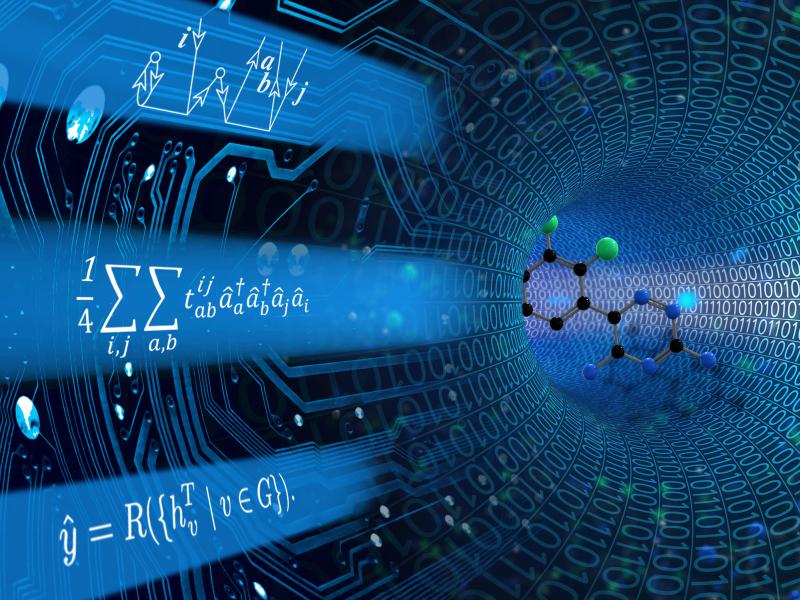
The Computational and Theoretical Chemistry Institute (CTCI) aspires to establish a premier international center for chemistry and materials science software at extreme scales.
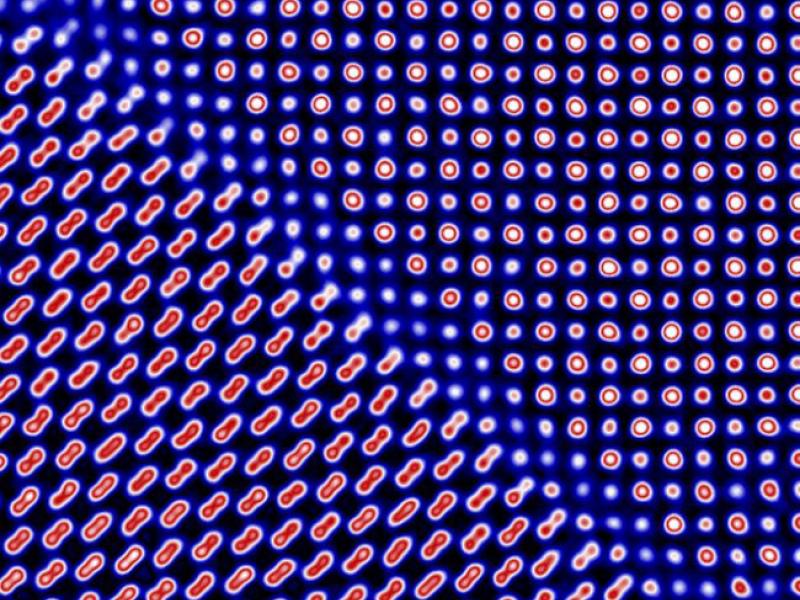
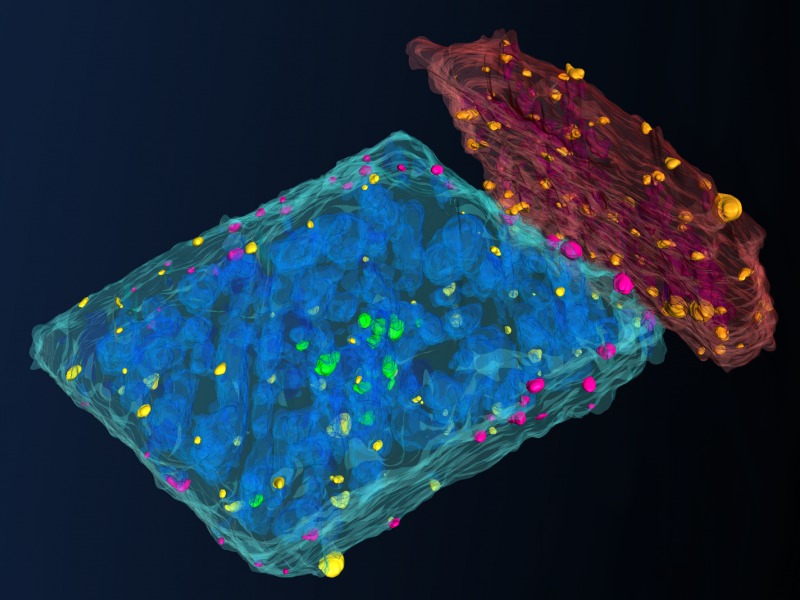
PNNL is a leader in the integration of aberration-corrected electron microscopy, in-situ techniques, and atom probe tomography to address challenges in nuclear materials, environmental remediation, energy storage, and national security.
The Institute for Integrated Catalysis (IIC) at Pacific Northwest National Laboratory explores and develops the chemistry and technology of catalyzed processes that enable a carbon-neutral future.
PNNL delivers workshops, consultations, and trainings for foreign partners to strengthen their implementation of international and multilateral sanctions regimes.
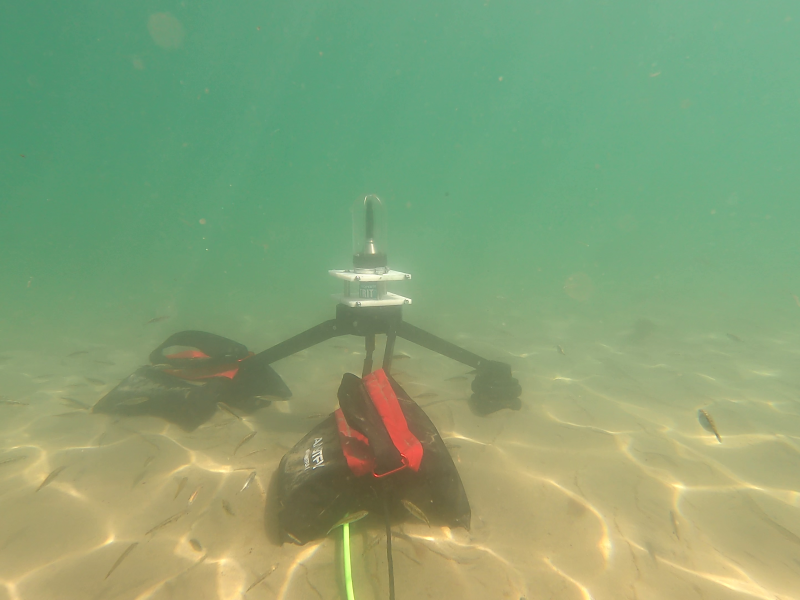
The Nereus Project aims to collect and analyze comprehensive environmental monitoring data around operational marine energy sites and devices in the United States.
RadAnalysis is a software developed by the Department of Energy to assist in the packaging and transportation of radioactive materials. It facilitates compliance with regulations, providing consistency, accuracy, and relevant documentation.
PNNL researchers developed and manage the online database Tethys to actively collects and curates information on the environmental effects of wind and marine energy.
Triton aims to reduce barriers to deployment of marine energy devices through research and advancement of environmental monitoring tools and methodologies.