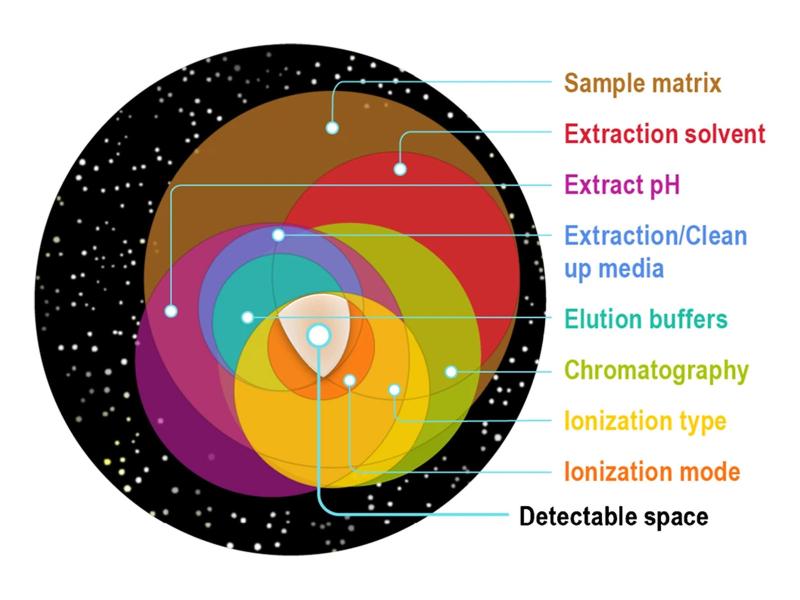
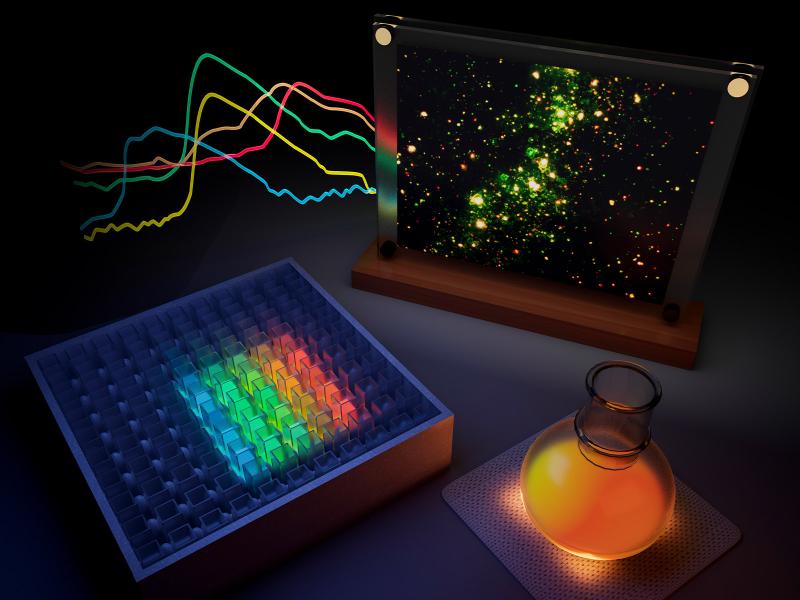
The ChemSpace Tool, when fully developed, is intended to divide chemical space into three subsets: the detectable space, the identifiable space, and the region that includes compounds that are not detectable or identifiable.
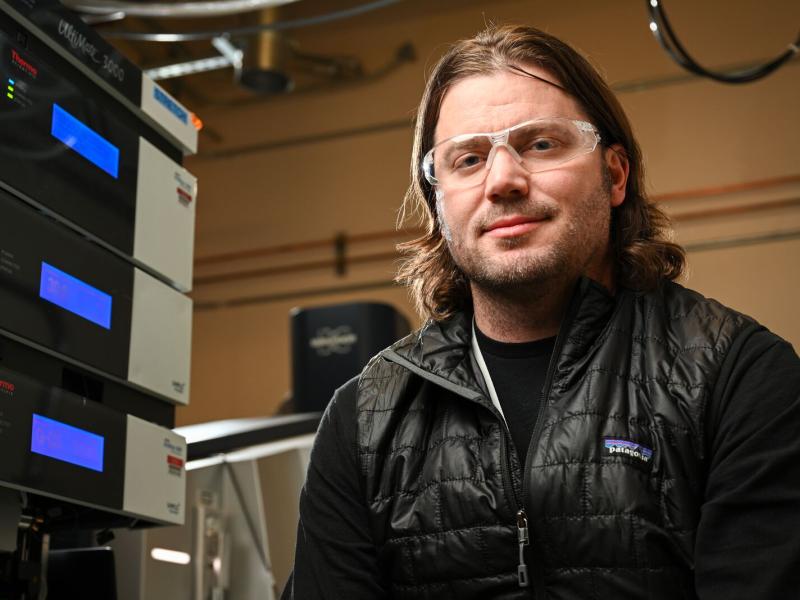
PNNL chemist Christopher Anderton recently named president-elect of the Imaging Mass Spectrometry Society (IMSS). In this new position, he will help lead the merge of IMSS with a European-based society, currently underway.
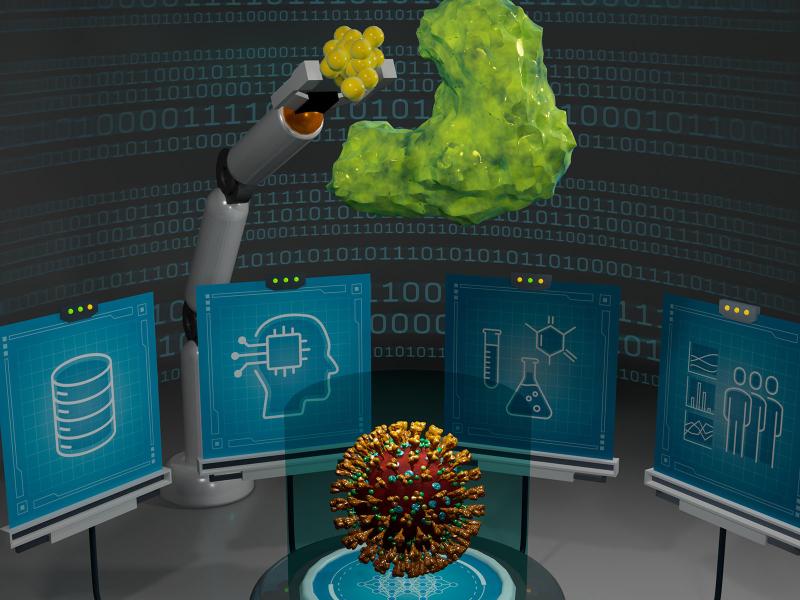
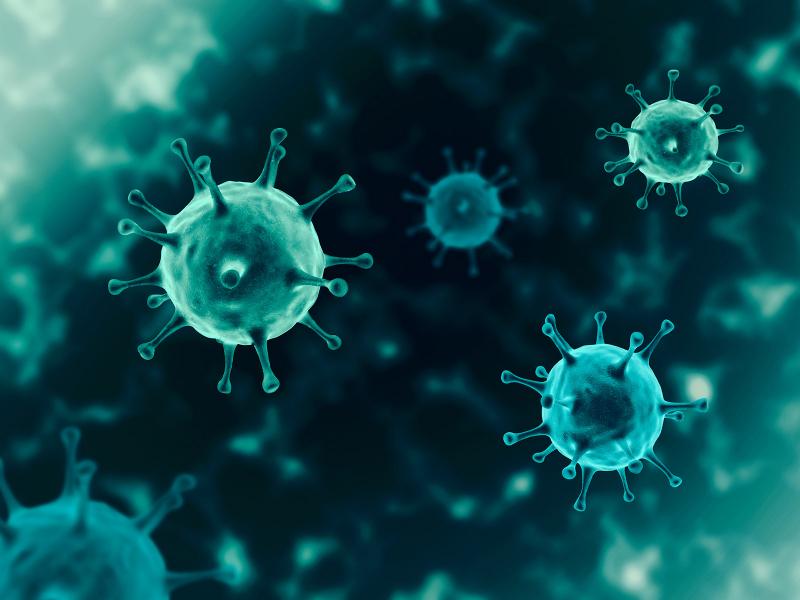
Data-driven autonomous technology to rapidly design and deliver antiviral interventions targeting SARS-CoV-2 to reduce drug discovery timeline and advance bio preparedness capabilities.
Microbes that were previously frozen in soils are becoming more active. This study demonstrates the diverse RNA viral communities found in thawed permafrost.
New research findings published in Science Advances (November 2022), help explain the progression of Alzheimer-related dementia in each patient. The findings outline a biological classification system that predicts disease severity.
Biomedical scientist George Bonheyo has been selected as chair of a new International Electrotechnical Commission committee charged with creating standards for researching and measuring biofouling on marine energy systems.
The Department of Homeland Security Science and Technology Virtual First Responder Capitol Hill Showcase highlighted PNNL work in fentanyl detection standards and database libraries.