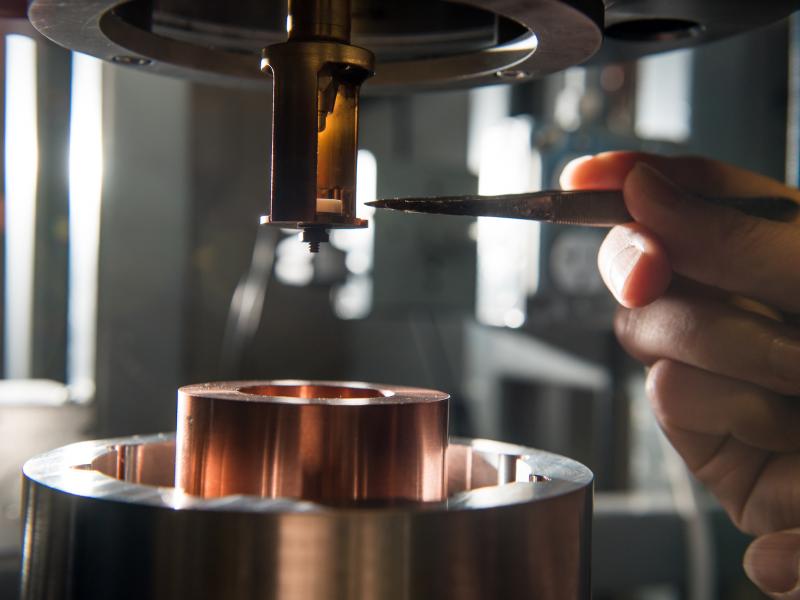
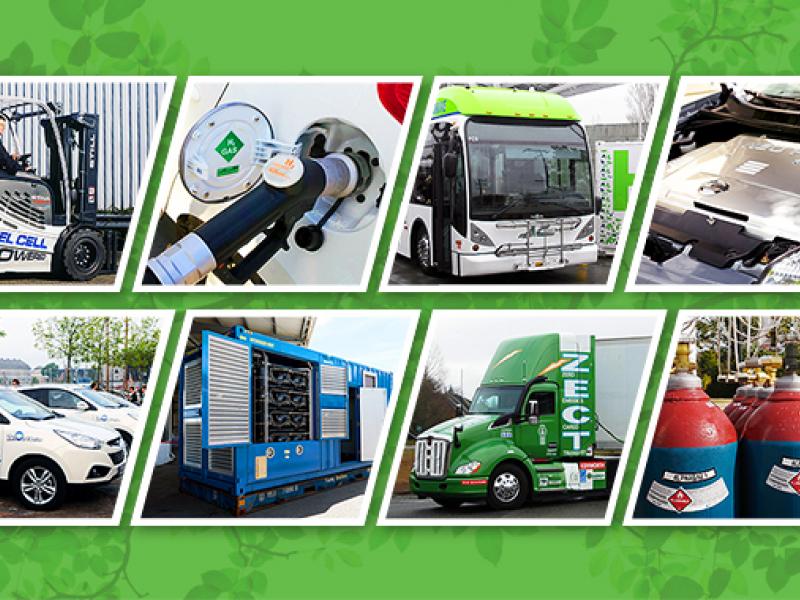
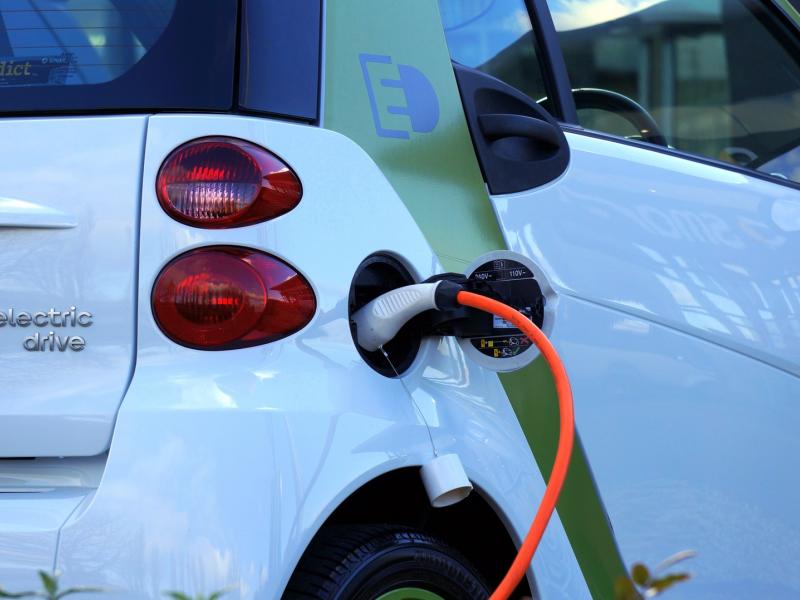
Researchers at the Department of Energy’s Pacific Northwest National Laboratory and Sandia National Laboratories have joined forces to reduce costs and improve the reliability of hydrogen fueling stations.
PNNL researchers demonstrate how the excitation of oxygen atoms that contributes to better performance of a lithium-ion battery also triggers a process that leads to damage, explaining a phenomenon that has been a mystery to scientists.
A new PNNL tool makes it easy to see the differences across the country when it comes to the cost and affordability of electricity. Users can sort and compare nearly 100 metrics or variables and get individual county information.
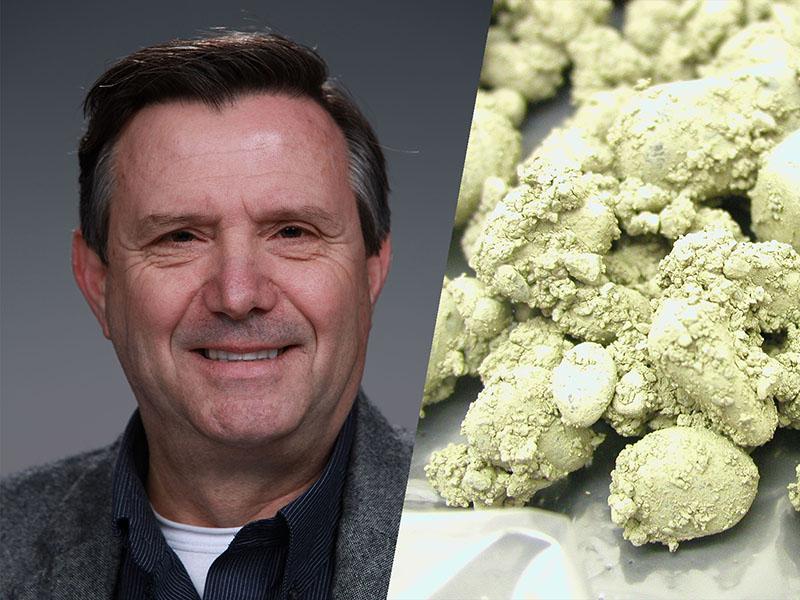
The Soil Science Society of America presents Nik Qafoku with the 2019 Jackson Award for contributions in soil chemistry and mineralogy—ranging from agricultural fertilizer efficiency in Albania to soil contaminant transport at Hanford.
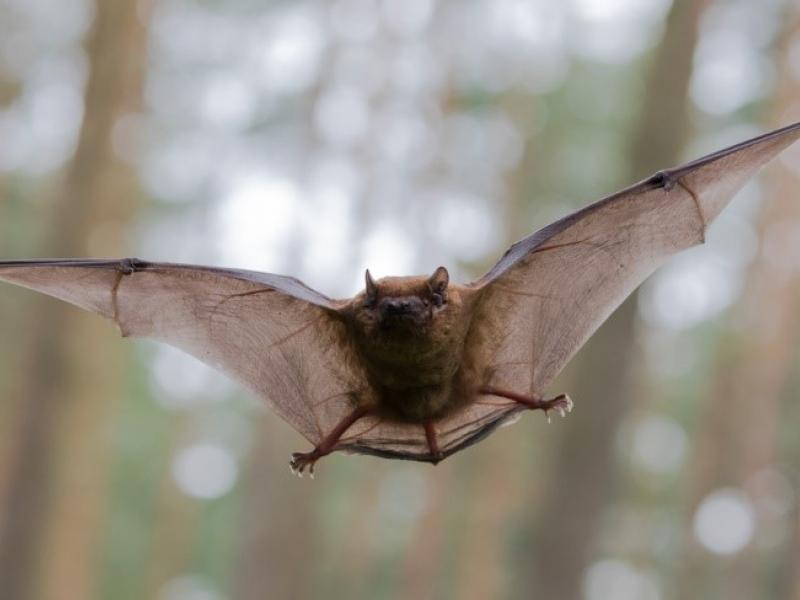
PNNL researchers are developing and evaluating bat tagging and tracking tools that will help design solutions to protect the bat population from wind turbines.
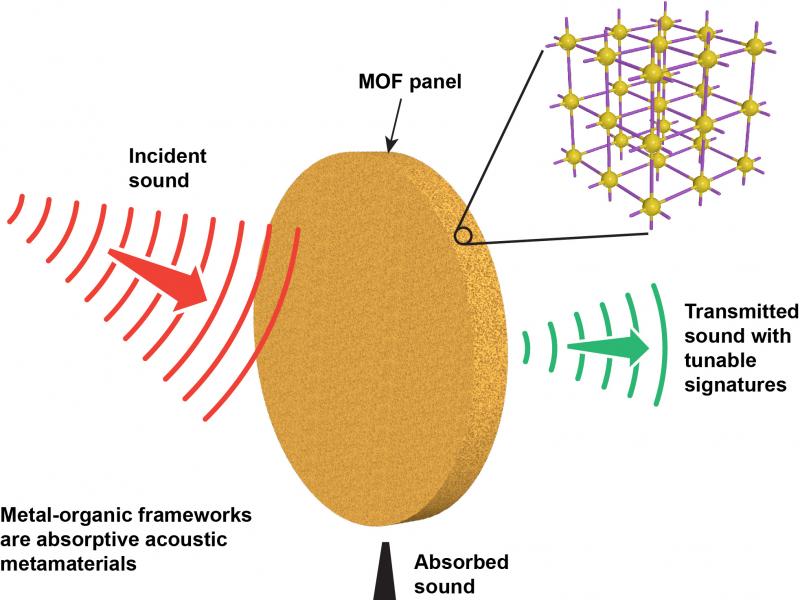
Researchers at PNNL are developing a new class of acoustically active nanomaterials designed to improve the high-resolution tracking of exploratory fluids injected into the subsurface. These could improve subsurface geophysical monitoring.
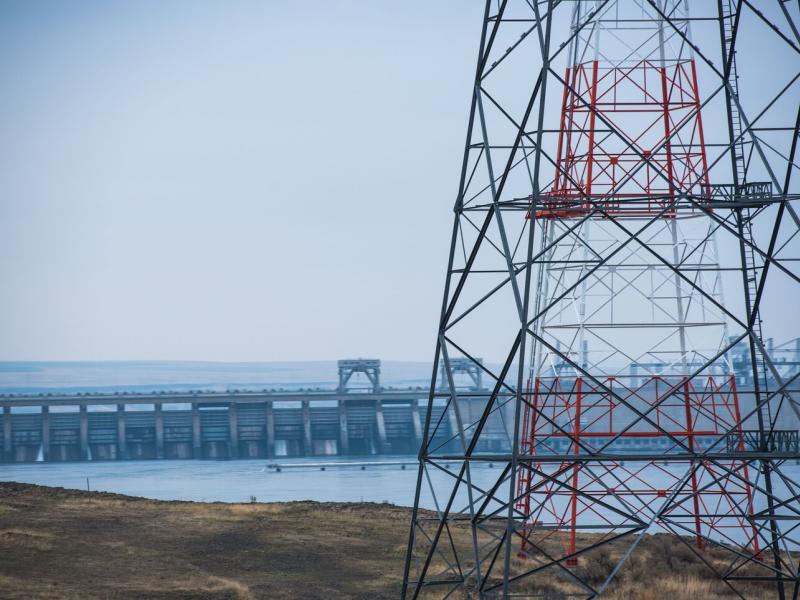
Researchers at PNNL used key metrics to develop visualizations that show how the combined effects of climate change on hydropower and load influence the frequency, duration, and severity of power shortfalls.
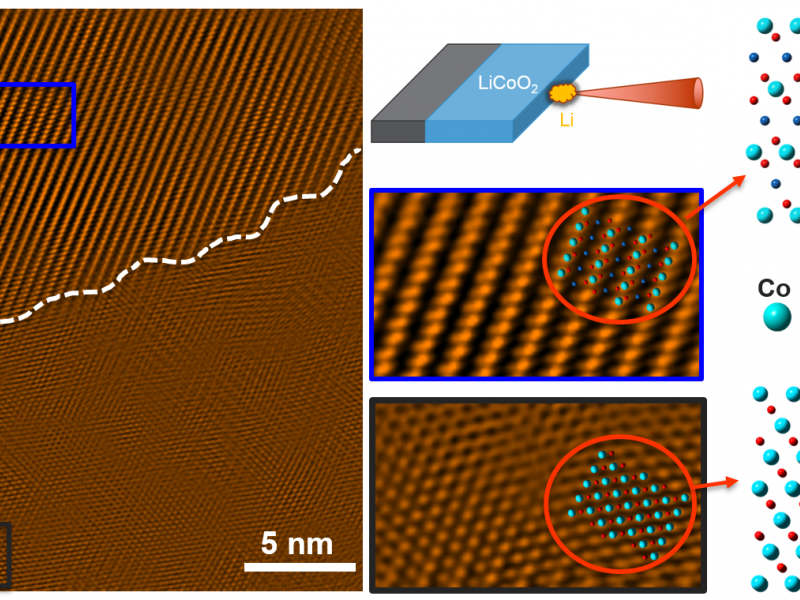
A recent study pinpointed the reaction front where lithium (Li) dendrites can come into contact with cathode materials. It also detailed the Li propagation pathway and reaction steps that lead to cathode failure.