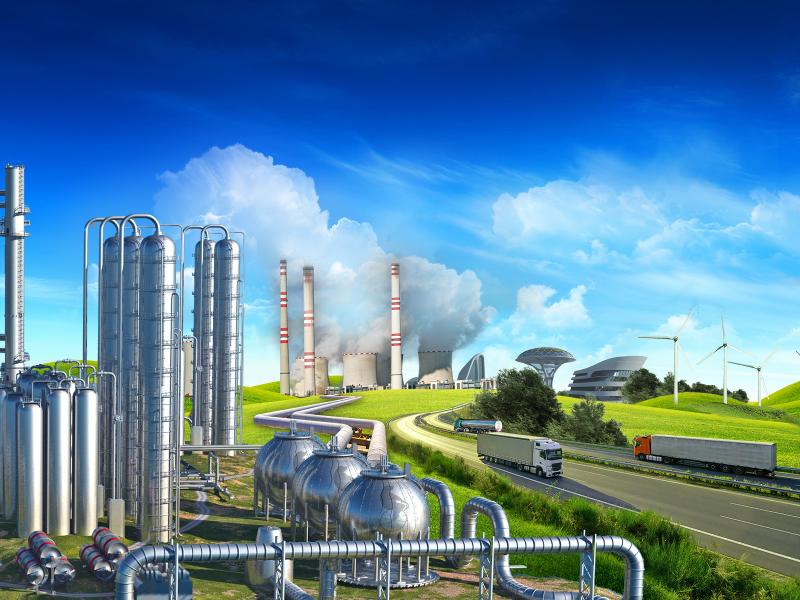
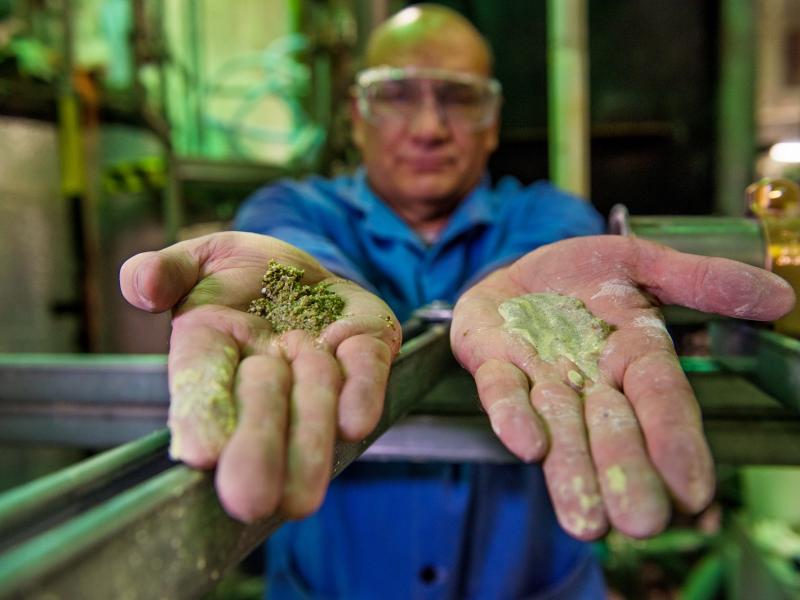
A process developed at PNNL that converts biomass and waste into a chemical intermediate or into gasoline, diesel, and jet fuel is available for commercial licensing.
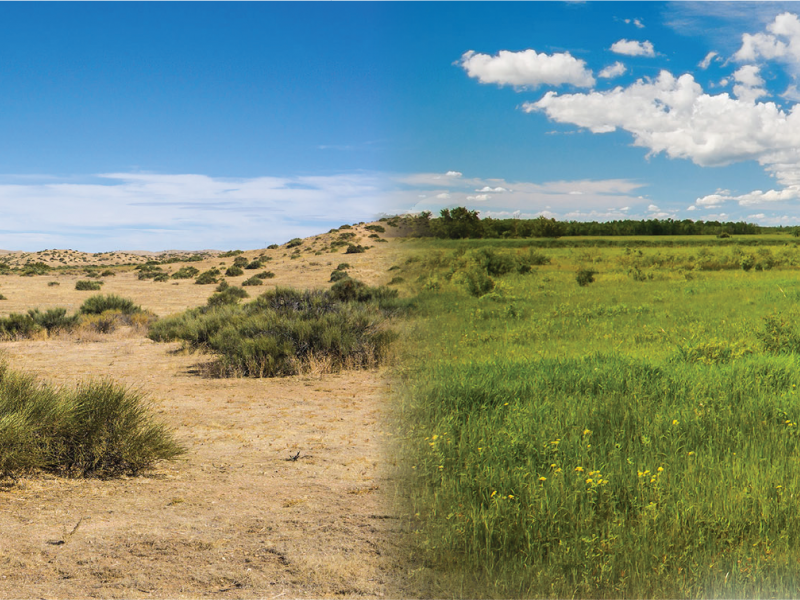
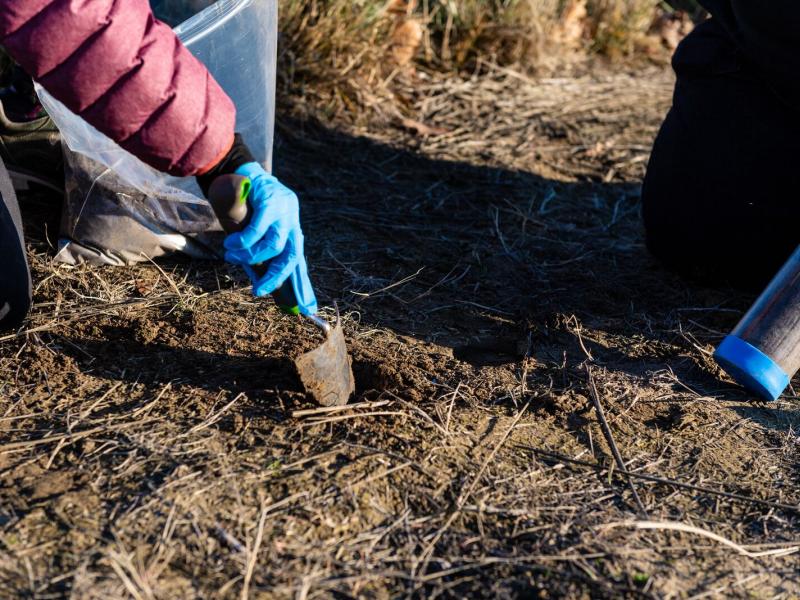
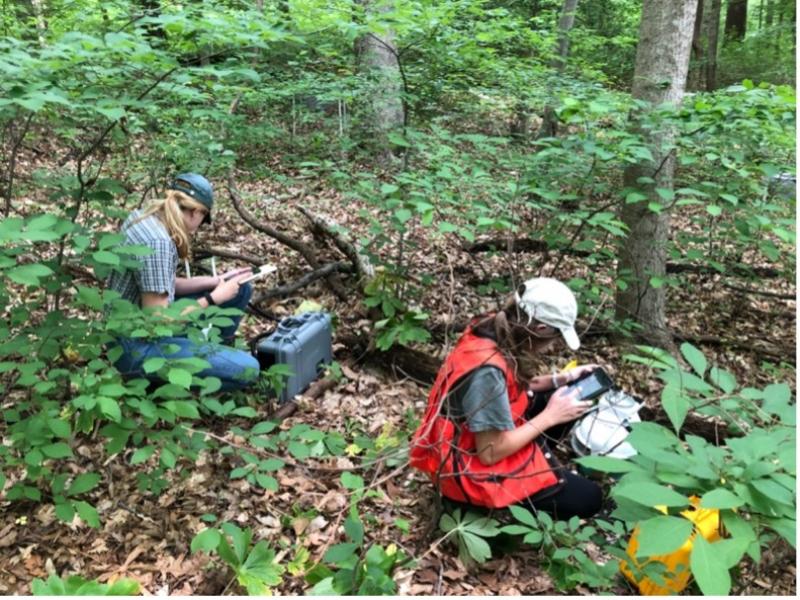
Dominant and functionally important soil microbes show strong, predictable, and distinctly different associations with continental-scale gradients in climate, vegetation, and soil moisture.
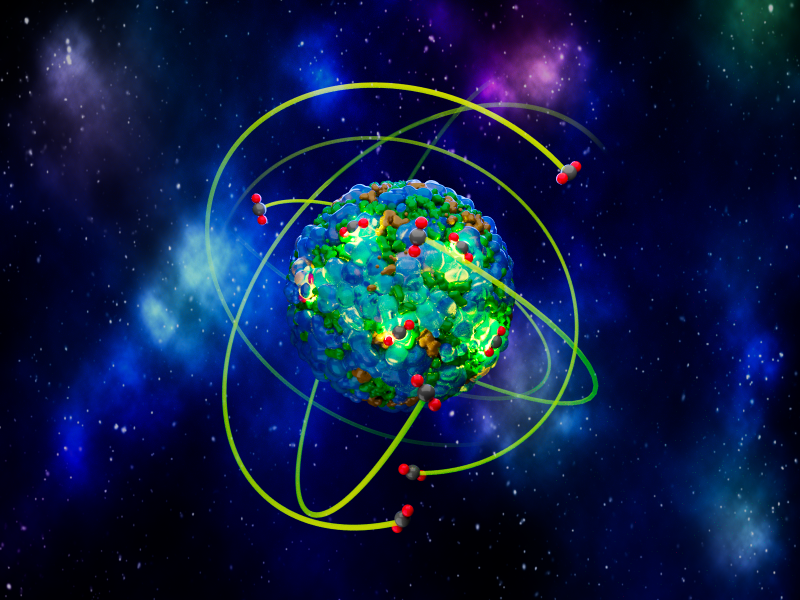
A new perspective article discusses how integrating carbon dioxide capture and conversion in solvents can lead to cheaper and more efficient carbon management systems.
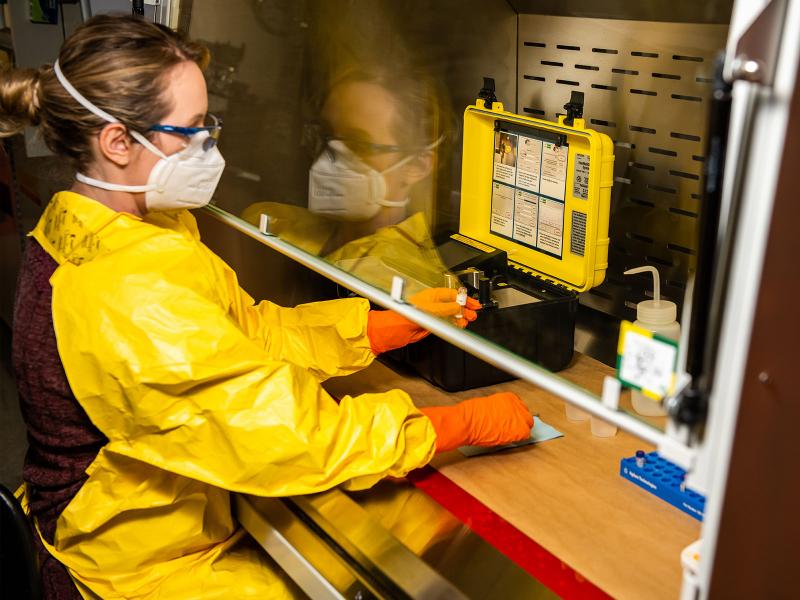
The Department of Homeland Security Science and Technology Virtual First Responder Capitol Hill Showcase highlighted PNNL work in fentanyl detection standards and database libraries.
PNNL will demonstrate how new technologies, innovative approaches and partnering with others can lead to net-zero emissions and decarbonization of operations.
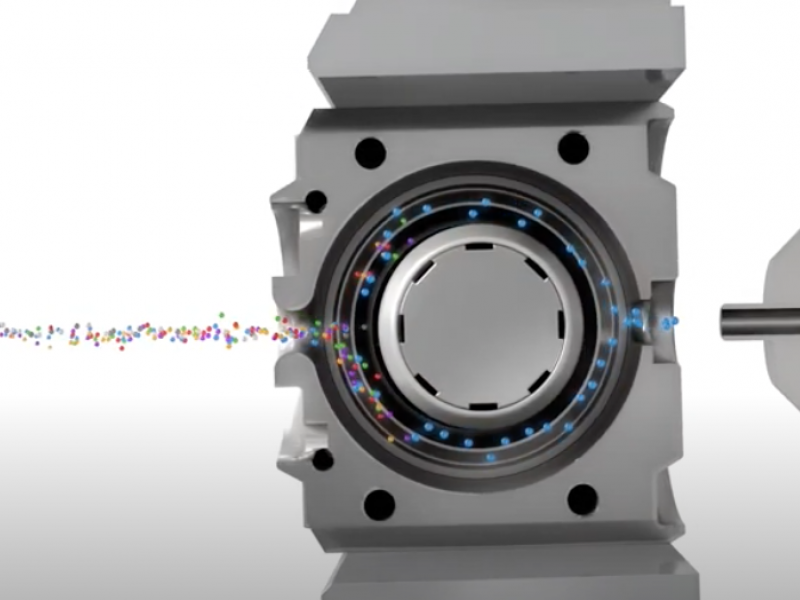
This PNNL-developed separation system quickly and successfully separates larger particles from smaller ones at various scales, in different solid-liquid mixtures and at different flow rates.
A novel ecological measurement uncovered interactions between river corridor organic matter assemblages and microbial communities, highlighting potentially important microbial taxa and molecular formula types.