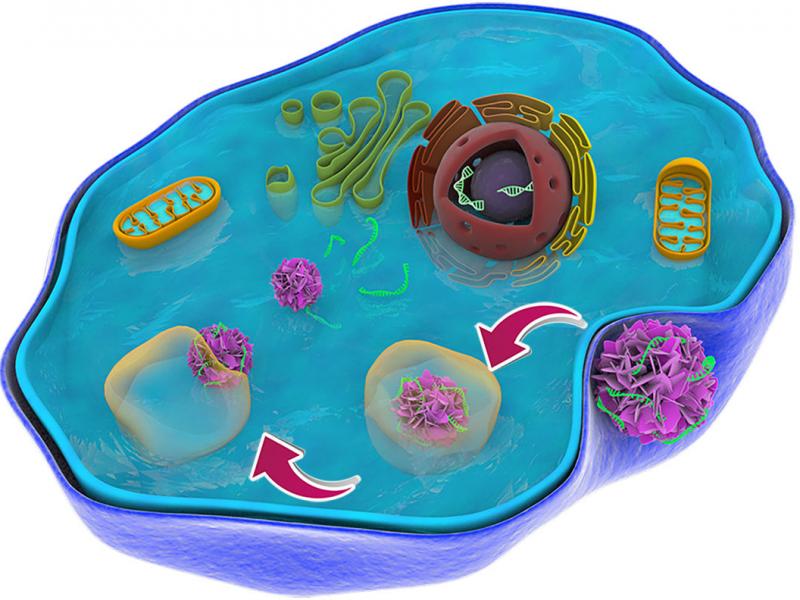
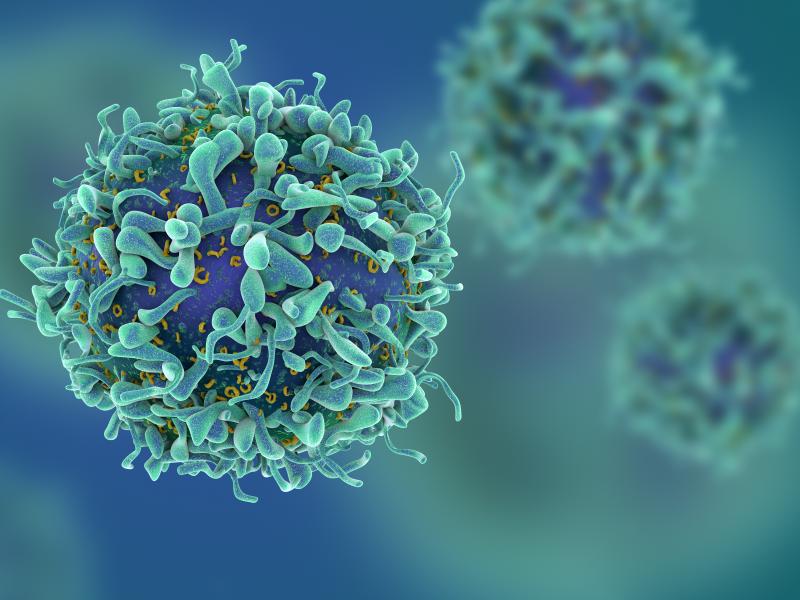
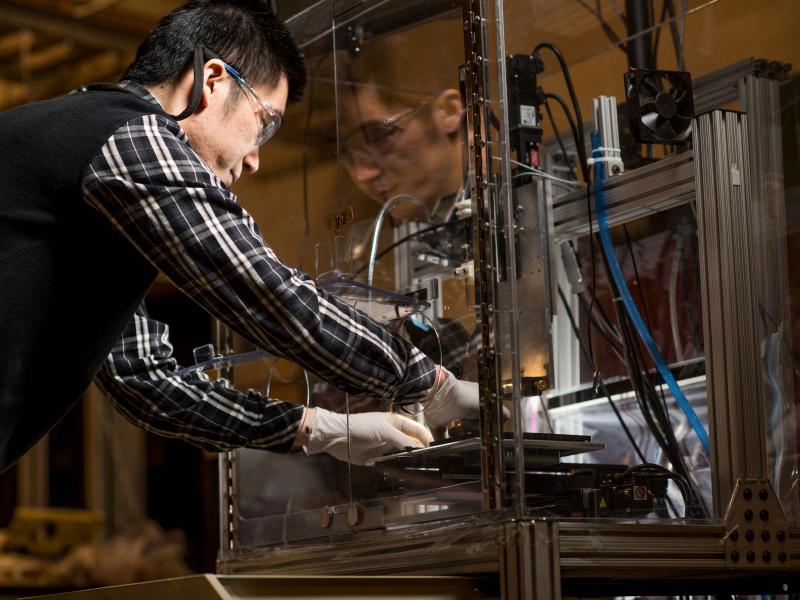
Pacific Northwest National Laboratory and Washington State University researchers have developed a novel way to deliver drugs and therapies into cells at the nanoscale without causing toxic effects that have stymied other such efforts.
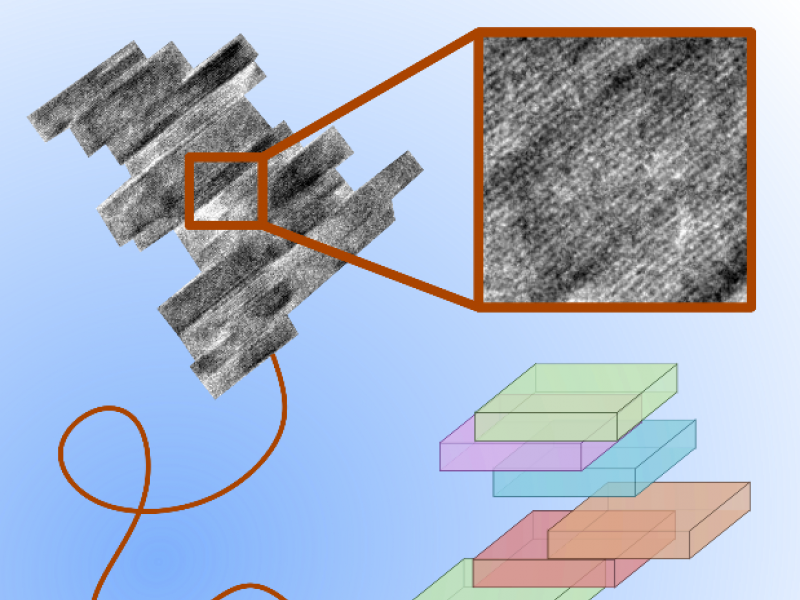
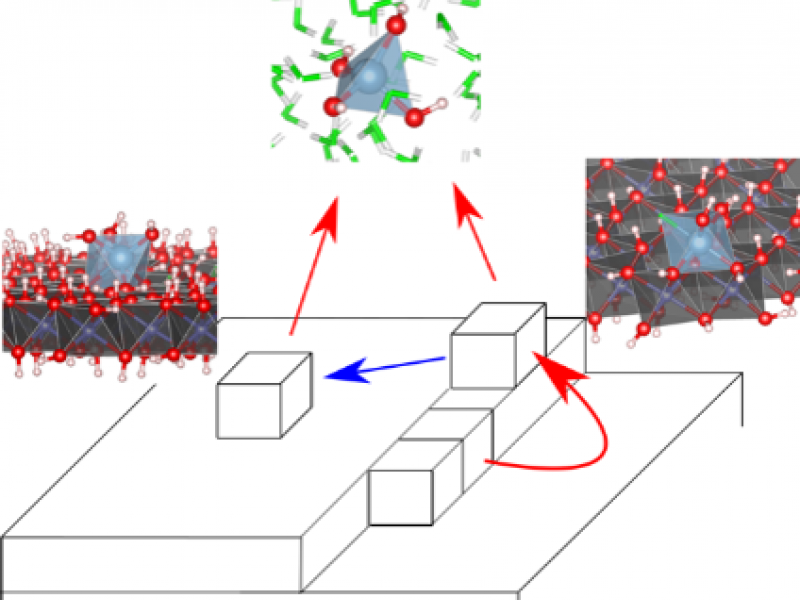
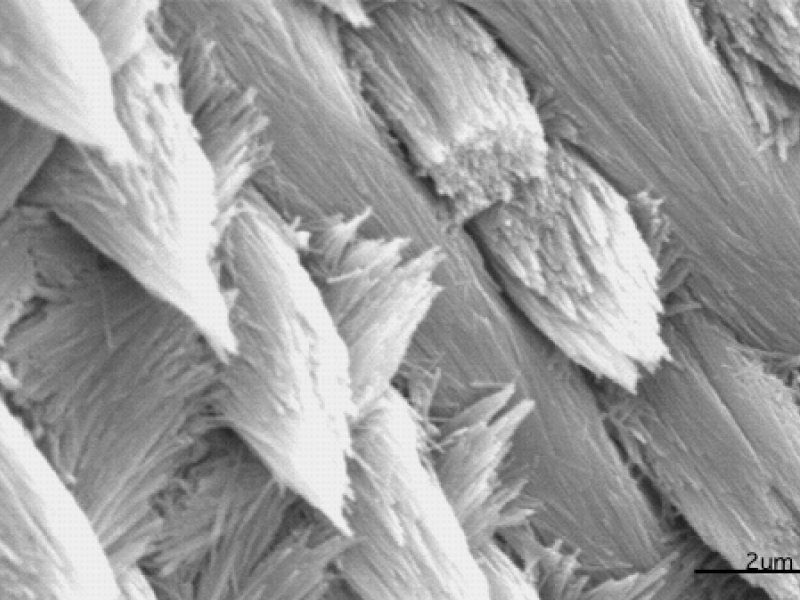
Aluminum oxyhydroxide (boehmite) nanoplatelets align and attach to form neatly ordered stacks, a novel findings that involves both experimental and computational research.
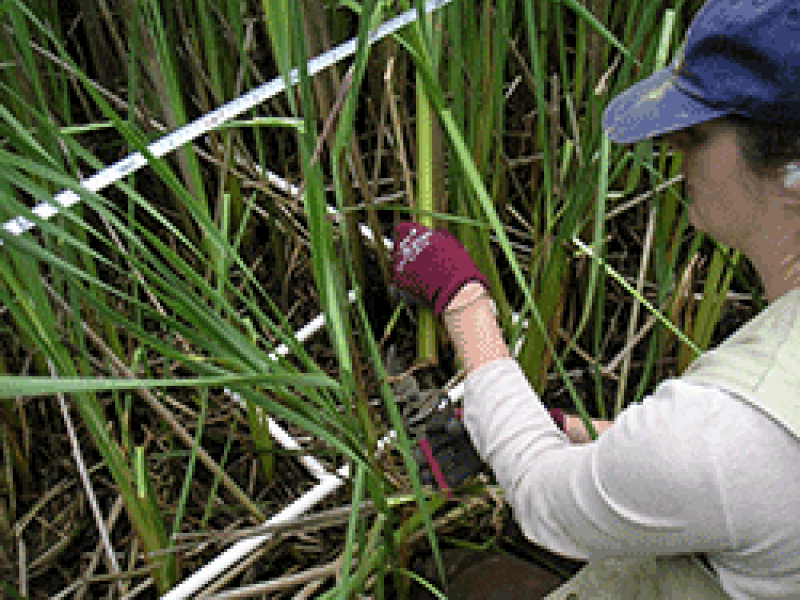
The vast reservoir of carbon stored beneath our feet is entering Earth's atmosphere at an increasing rate, according to a new study in the journal Nature.
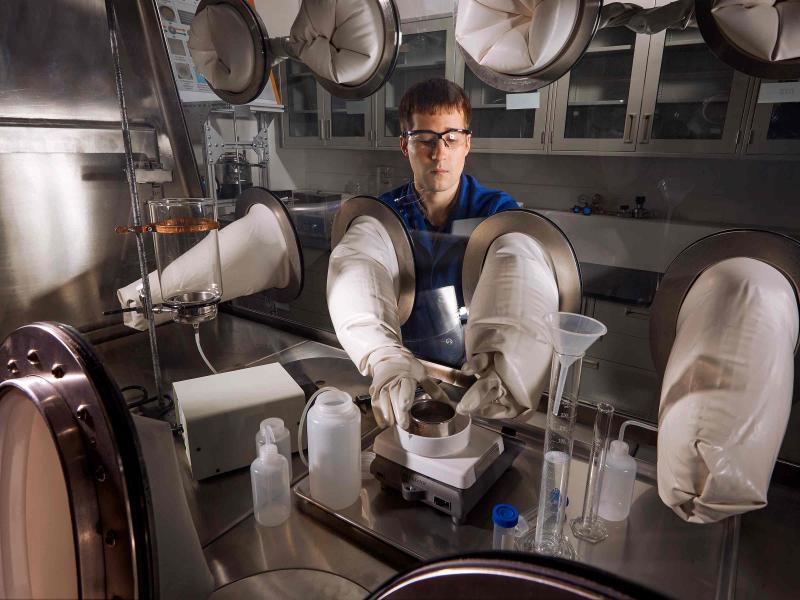
Peering through the thick, green glass of a decades-old "hot cell," an expert technician manipulates robotic arms to study highly radioactive waste from Hanford, in support of ongoing cleanup.
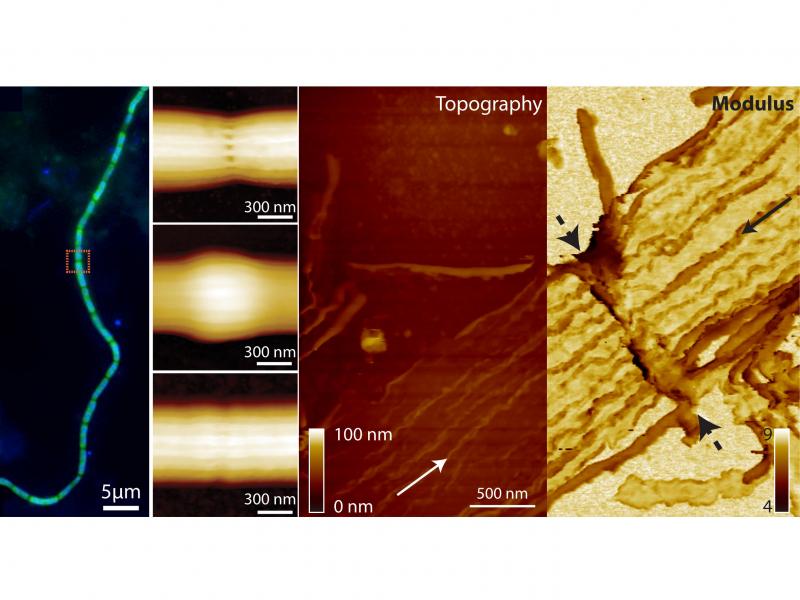
Researchers characterize the degradation products of a protein responsible for generating enamel, opening potential avenues to regeneration strategies.
PNNL scientists have captured the most information about proteins from a single human cell, giving scientists one of their clearest looks yet at the molecular happenings inside a human cell.