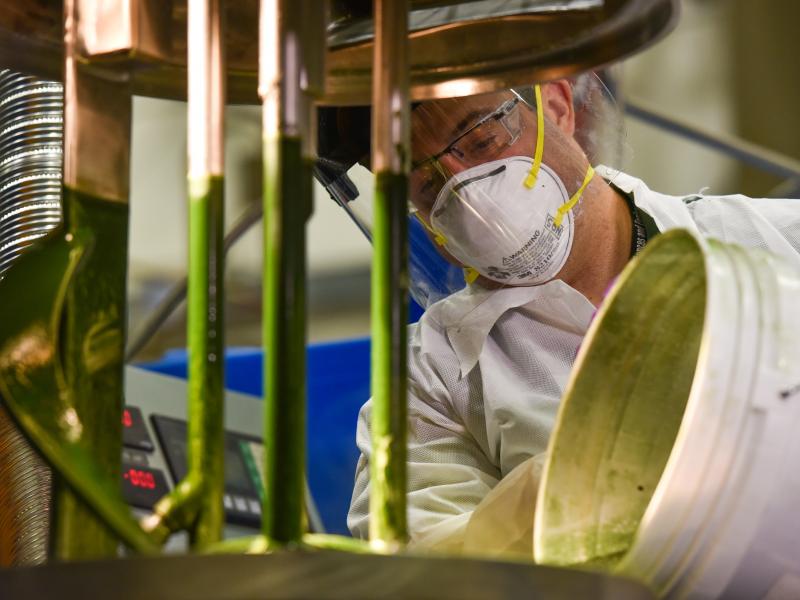
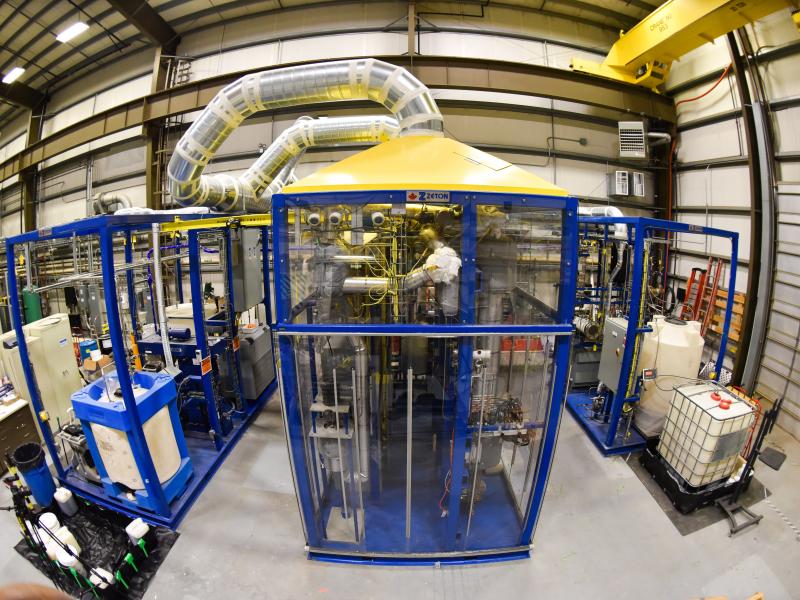
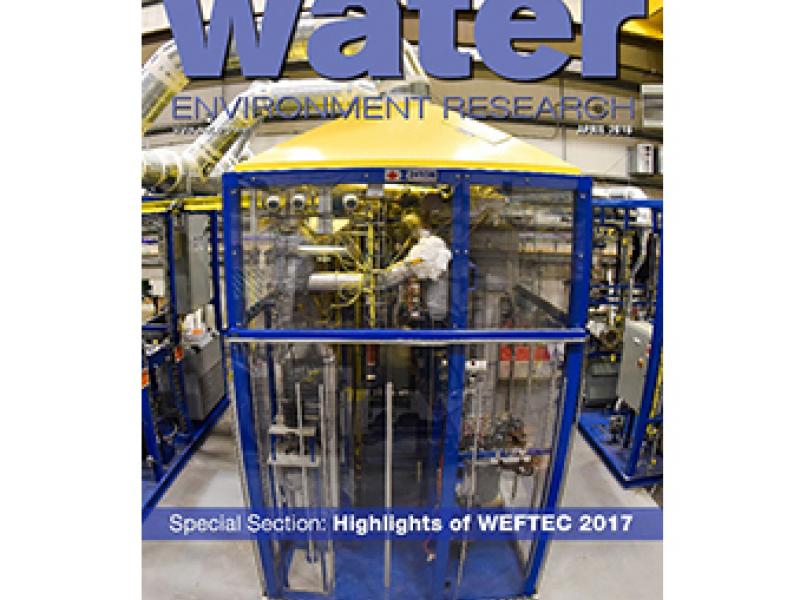
Researchers at PNNL have developed a model that predicts outcomes from the algae hydrothermal liquefaction process in a way that mirrors commercial reality much more closely than previous analyses.
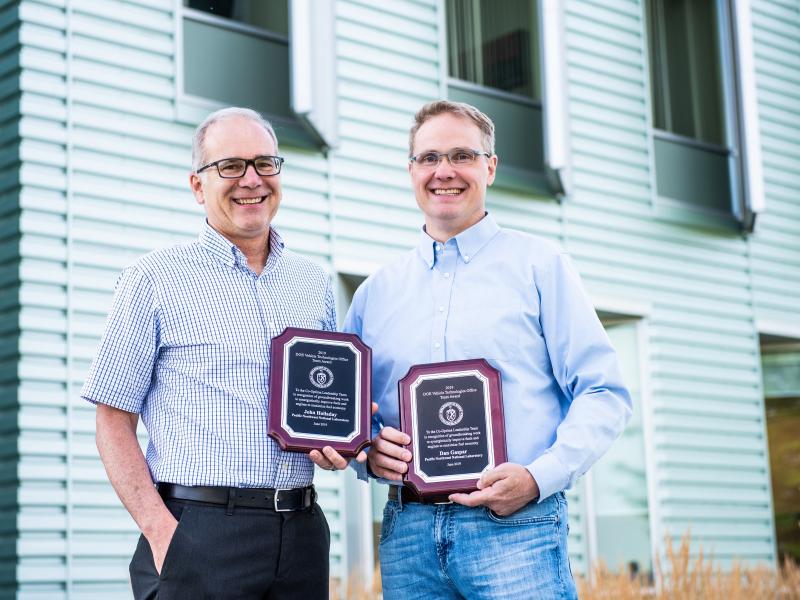
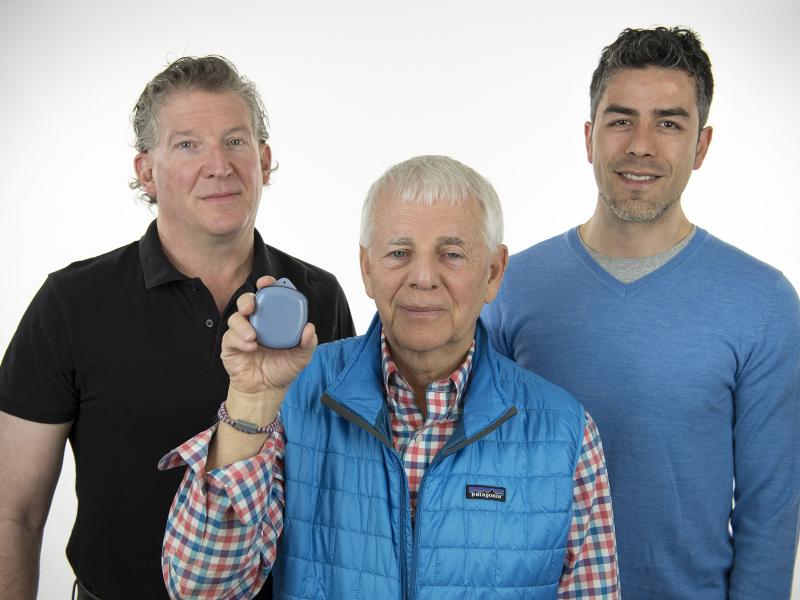
PNNL’s Dan Gaspar and John Holladay were part of the Co-Optima leadership team honored by DOE’s Vehicle Technologies Office. The award recognized groundbreaking work to synergistically improve fuels and engines to maximize fuel economy.
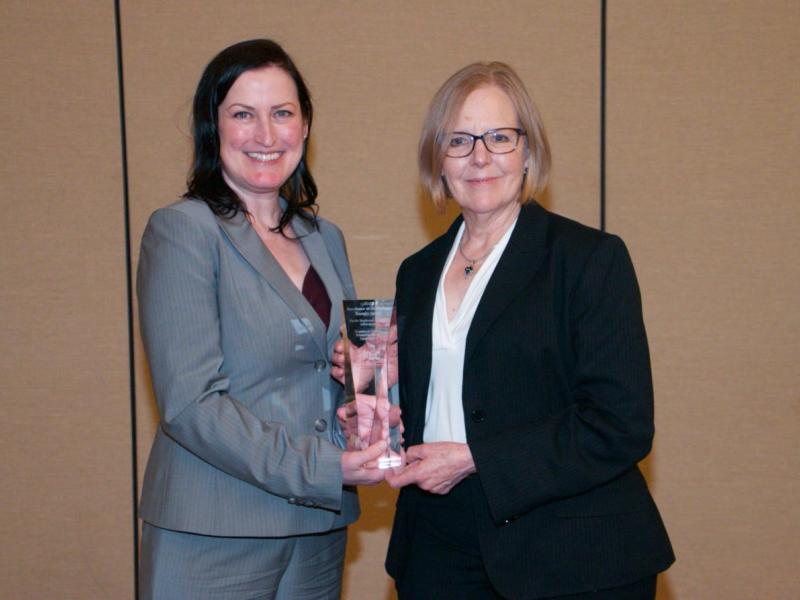
PNNL and collaborator LanzaTech were honored April 24 for their partnership in the development and commercialization of an ethanol-based synthetic paraffinic jet fuel that can use any sustainable ethanol as a feedstock.
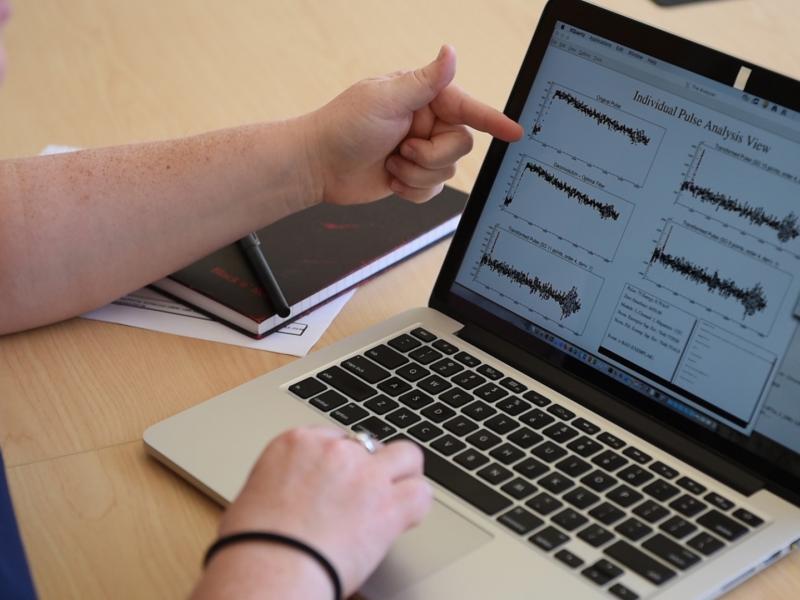
Researchers at PNNL are applying deep learning techniques to learn more about neutrinos, part of a worldwide network of researchers trying to understand one of the universe’s most elusive particles.
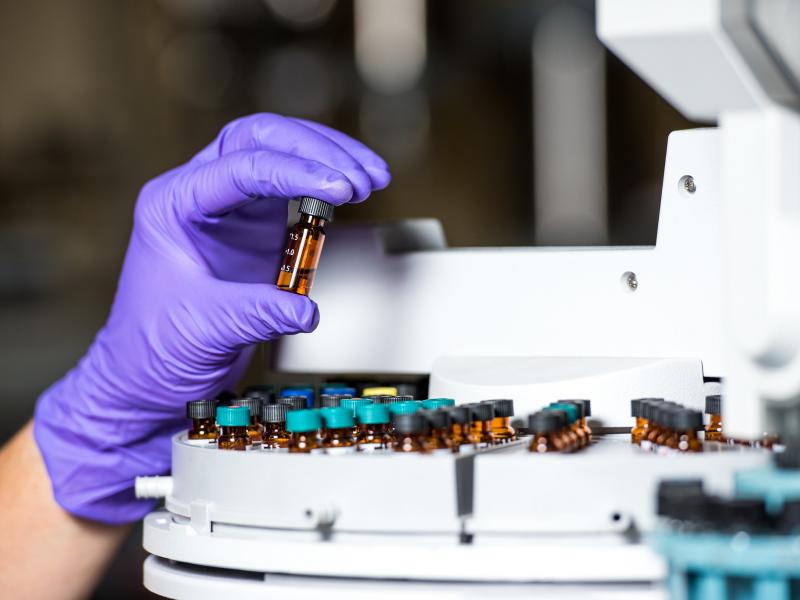
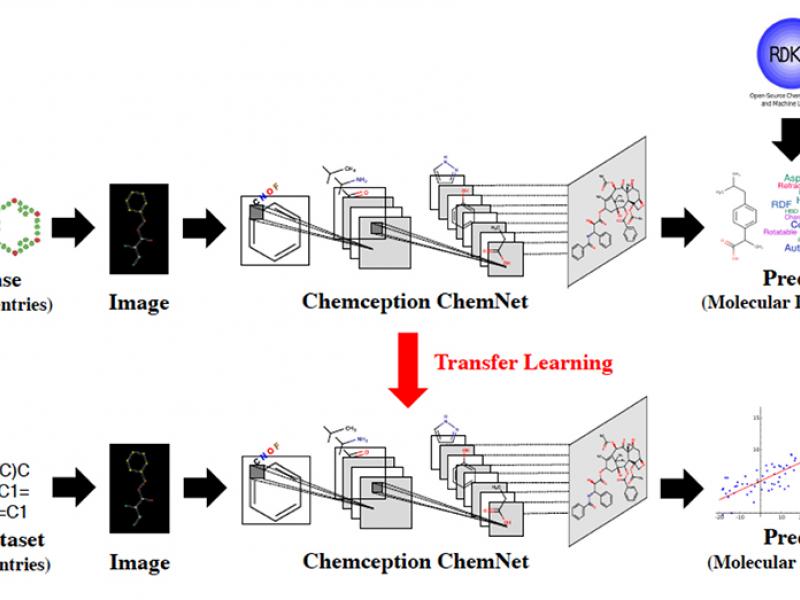
Scientists created a fast-track tutorial that equips a neural network to tackle drug discovery and other applications where there's a shortage of precisely labeled chemical data.
PNNL leads a consortium to help find the best algae strains for biofuels and bioproducts to reduce the cost of producing bioenergy from algae feedstocks.
A process for converting carbon-rich pollution to jet fuel powered a commercial flight for the first time, marking history and ushering in a new era for low-carbon aviation.
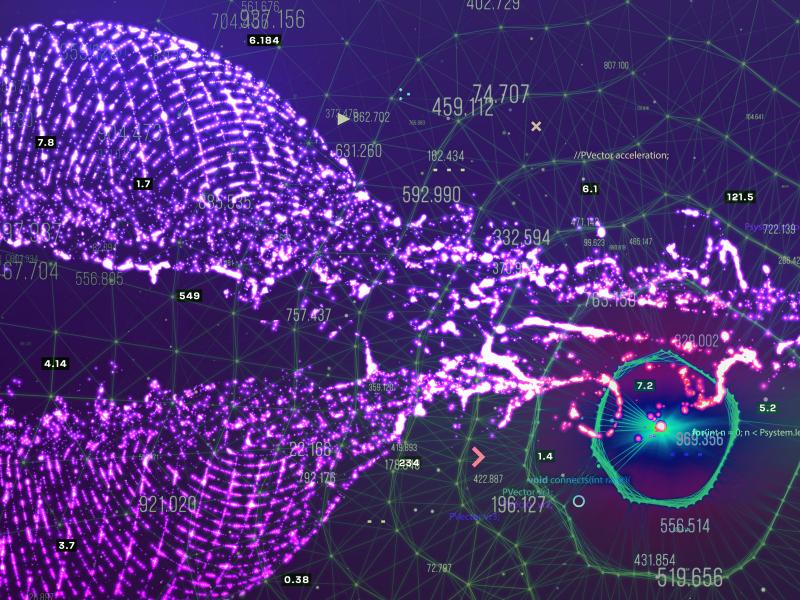
Scientists are exploring the use of deep neural network to interpret highly technical data related to national security, the environment and the cosmos.