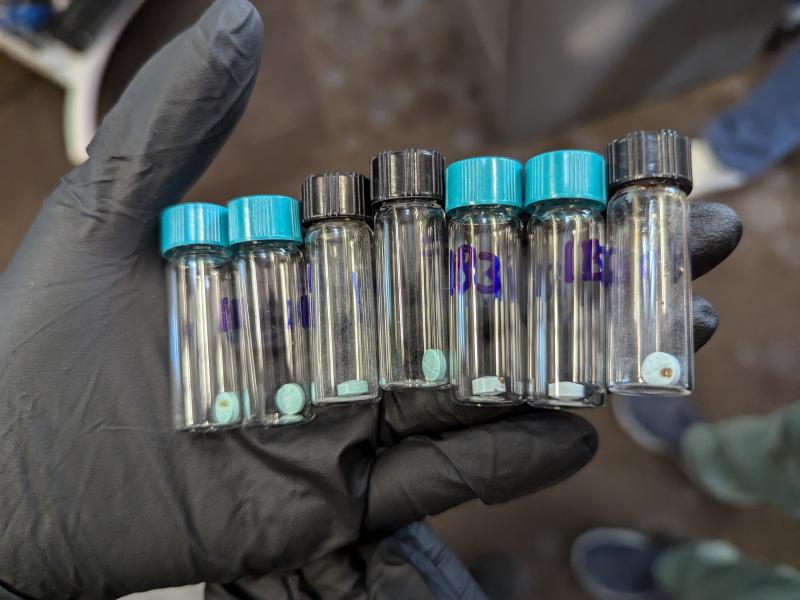
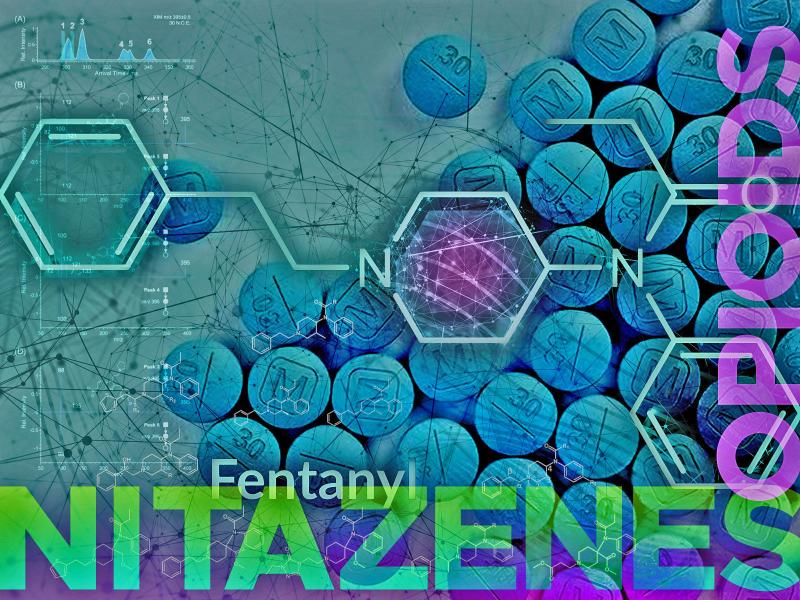
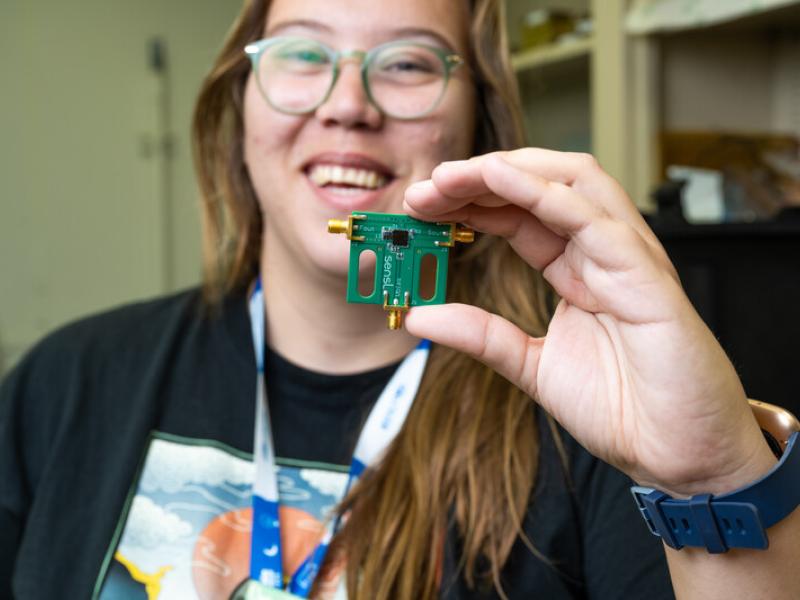
In the latest issue of the Domestic Preparedness Journal, Ashley Bradley and Kristin Omberg share how new research is shedding light on the scientific and technological challenges with detecting fentanyl.
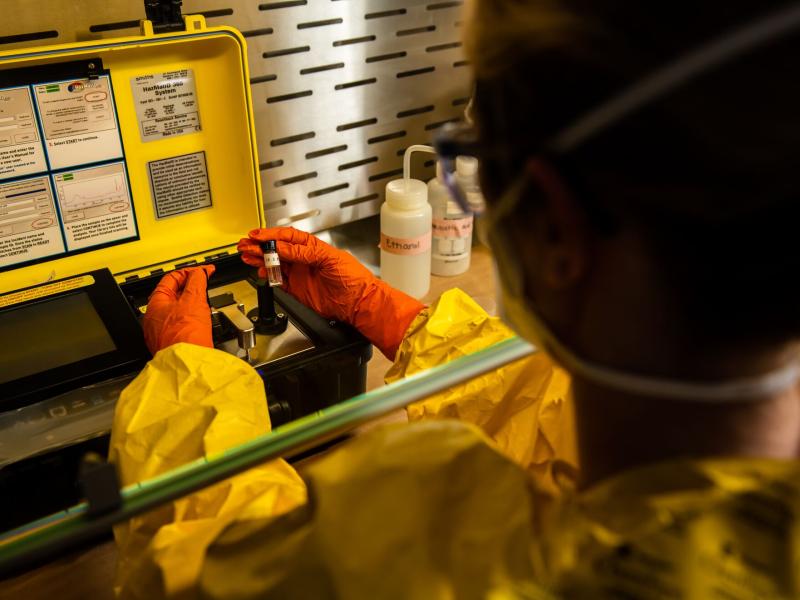
A new report highlights the results of an assessment PNNL conducted of field-portable detection products used by first responders to detect illicit substances like fentanyl in the field.
PNNL forensic toxicologist has been invited to serve on a committee of experts charged with improving U.S. strategies for preventing, countering, and responding to chemical terrorism threats.
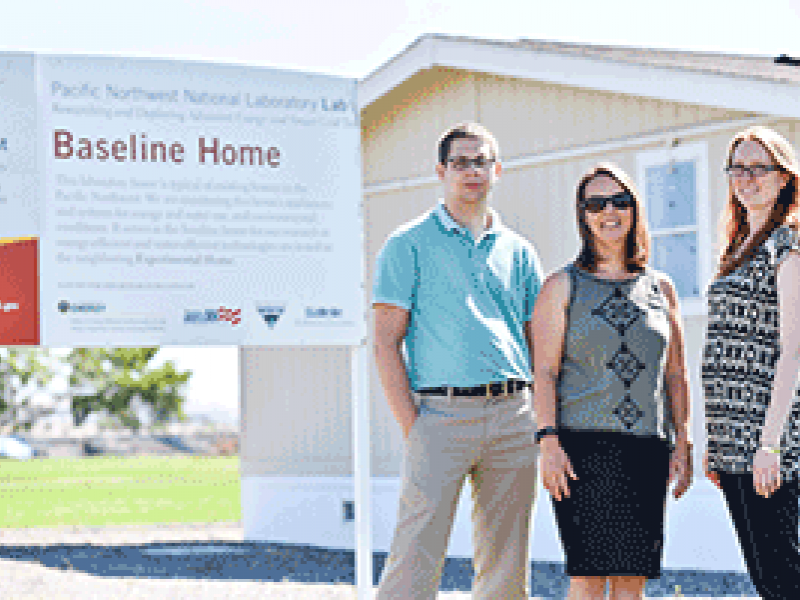
Researchers at PNNL examined heat pump water heater (HPWH) operation in Pacific Northwest residences, gaining insights into HPWH electricity use patterns. Part of the study captured trends during a COVID-19 stay-at-home order.
High school students from across Washington State competed in the Pacific Northwest Regional Science Bowl, hosted online by PNNL, for a chance to advance to the national competition in May.
Red teaming for CPS, the process of challenging systems, involves a group of cybersecurity experts to emulate end-to-end cyberattacks following a set of realistic tactics, techniques, and procedures.
A multi-institute research team is exploring ways to improve residential walls across America, making homes warmer and drier and delivering significant energy savings.
Researchers at PNNL construct a novel approach that requires less field work while delivering critical information on building code compliance and energy efficiency in new homes.