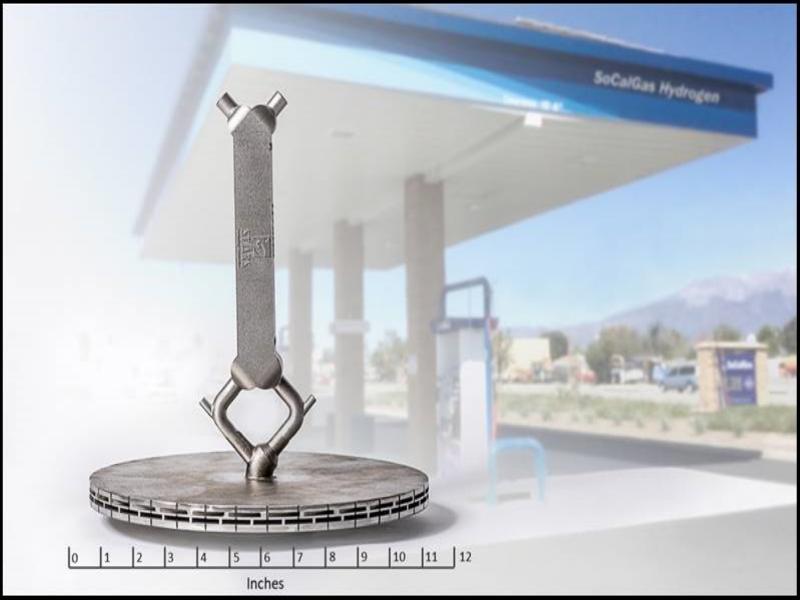
Patented microchannel heat-exchange technology enables the production of hydrogen from methane, the main ingredient of natural gas, while producing 30 percent less carbon dioxide than conventional processes.
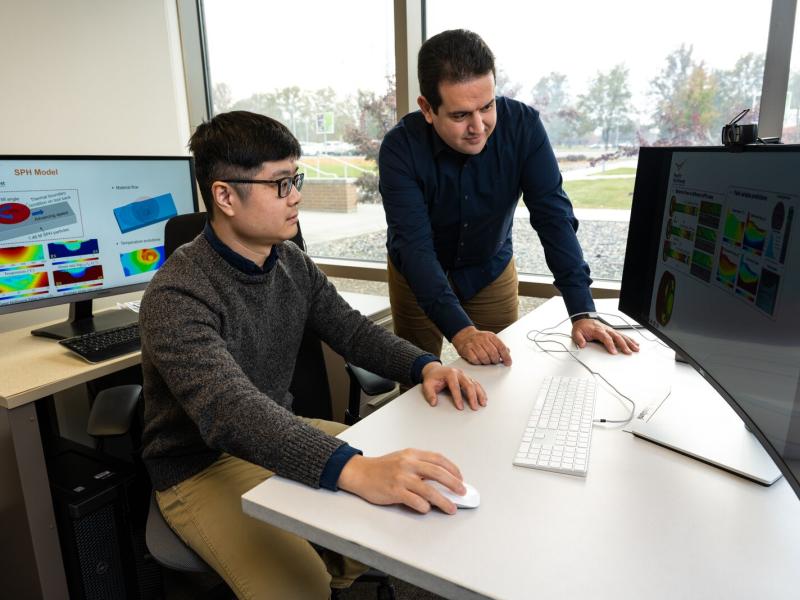
A PNNL-developed computational framework accurately predicts the thermomechanical history and microstructure evolution of materials designed using solid phase processing, allowing scientists to custom design metals with desired properties.
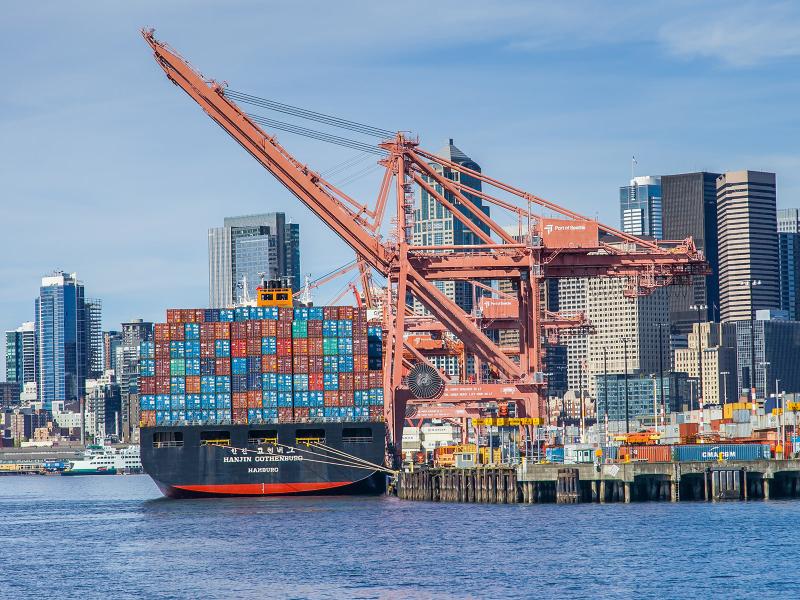
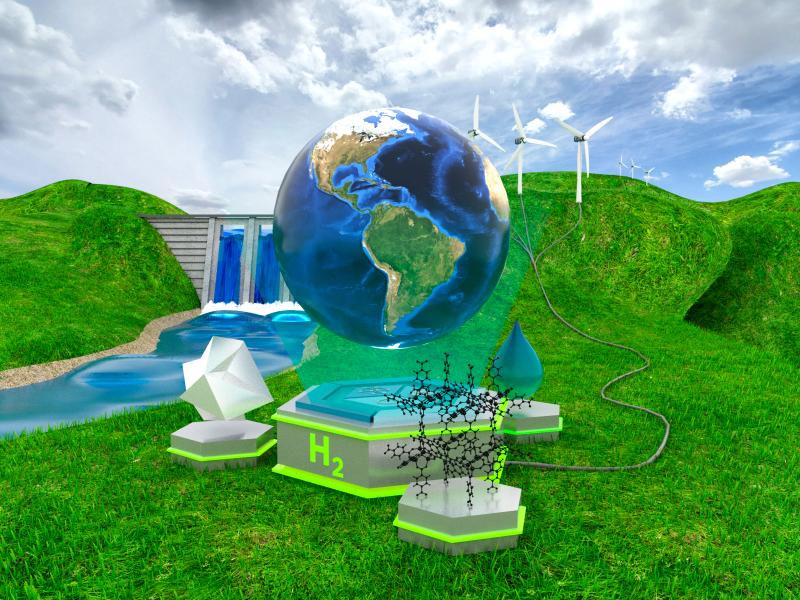
PNNL is working with the Port of Seattle and Seattle City Light to assess the risks of long-term hydrogen storage that can bring clean power for decarbonization.
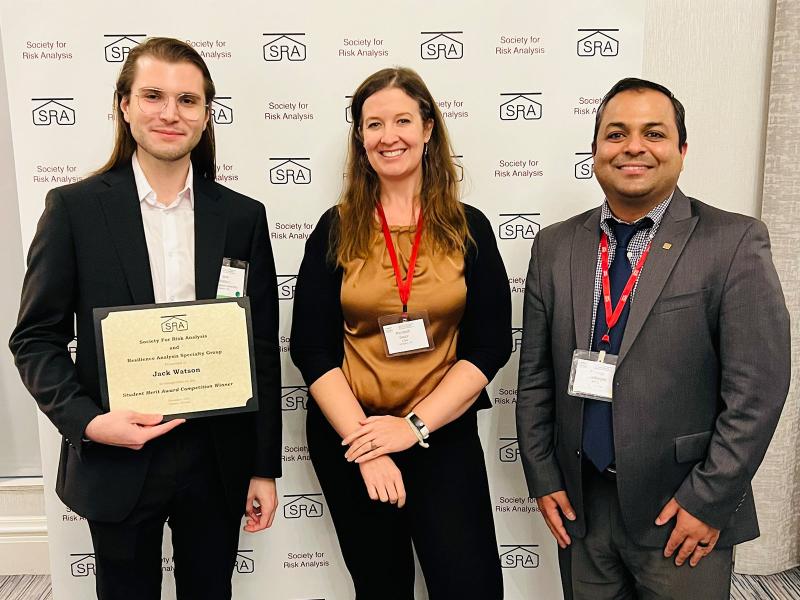
For a second year in a row, doctoral intern Jack Watson was awarded the Student Merit Award by the Society for Risk Analysis and the Resilience Analysis Specialty group.
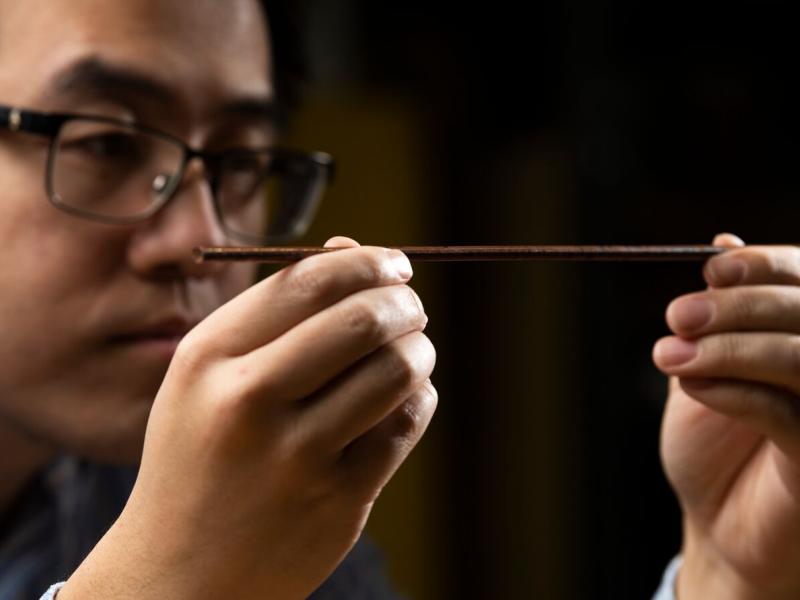
Research published in Journal of Manufacturing Processes demonstrates innovative single-step method to manufacture oxide dispersion strengthened copper materials from powder.
Five staff members from PNNL received awards from the Department of Energy’s Federal Energy Management Program for contributions to projects for the U.S. Army.
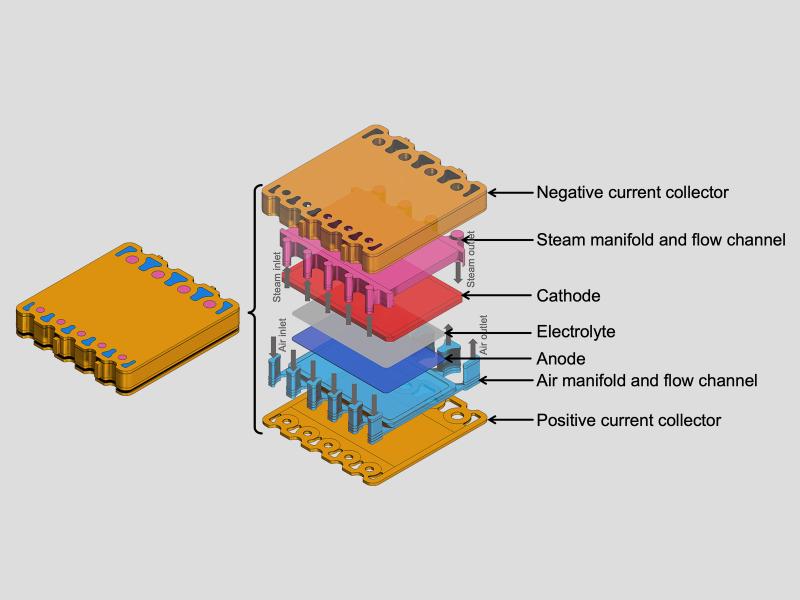
A PNNL team developed and used a model framework to understand the performance and structural reliability of a state-of-the-art solid oxide electrolysis cell design.
A new version of the Department of Energy’s Technical Resilience Navigator allows users to prioritize resilience solutions based on both risk reduction and emissions impact.
The American Chemical Society Richland Section has been recognized by its national organization with the Best Overall Section Minority Affairs award for 2022.