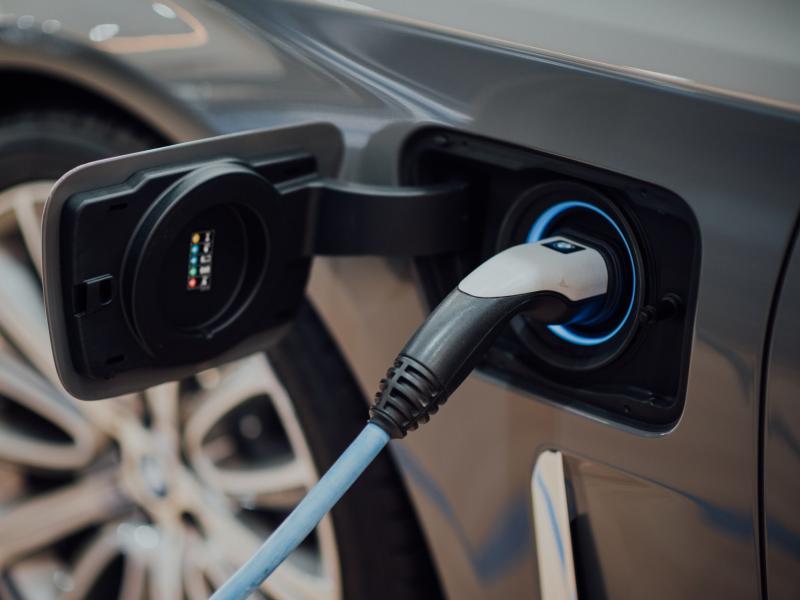
A paper from PNNL and Southern California Edison describing new methodologies for assessing electric vehicle impacts to the grid was selected as a best paper by IEEE.
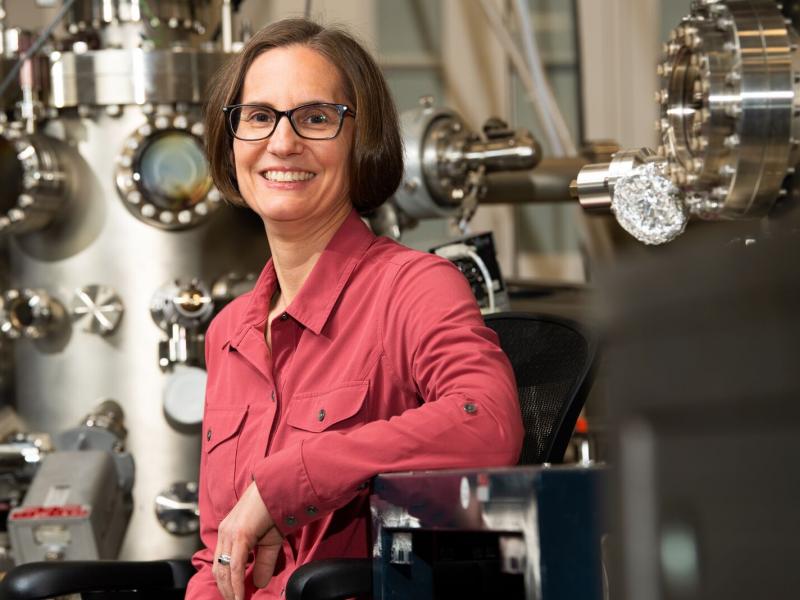
Tiffany Kaspar’s work has advanced the discovery and understanding of oxide materials, helping develop electronics, quantum computing, and energy production. She strives to communicate her science to the public.
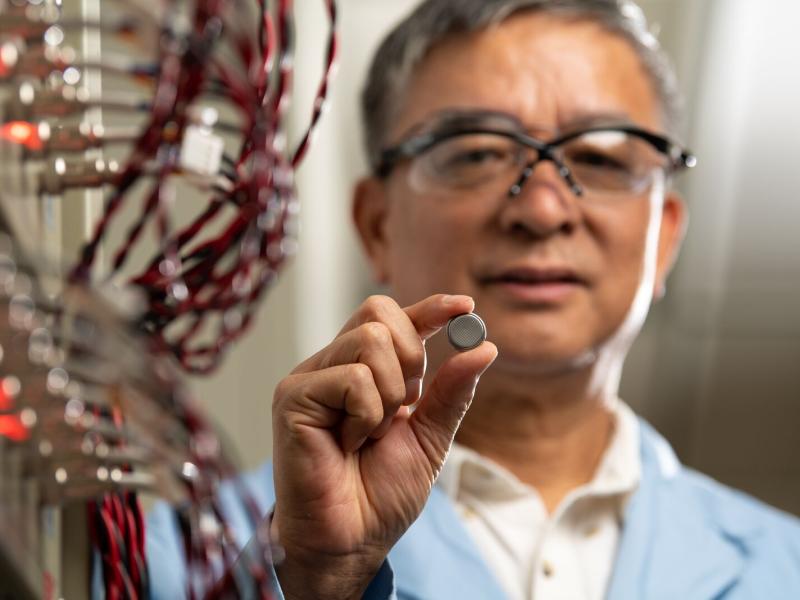
A new longer-lasting sodium-ion battery design is much more durable and reliable in lab tests. After 300 charging cycles, it retained 90 percent of its charging capacity.
Arun Veeramany furthers the field of risk, reliability, and resilience in civil and mechanical engineering in his new role as an American Society of Civil Engineers-American Society of Mechanical Engineers journal editorial board member.
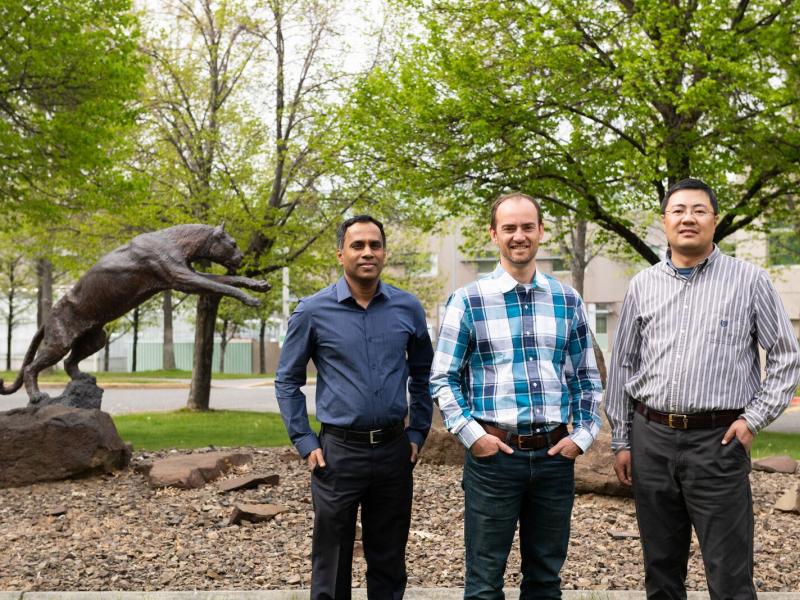
Three PNNL bioenergy experts have received adjunct appointments at Washington State University (WSU), working closely with the WSU-PNNL Bioproducts Institute and students.
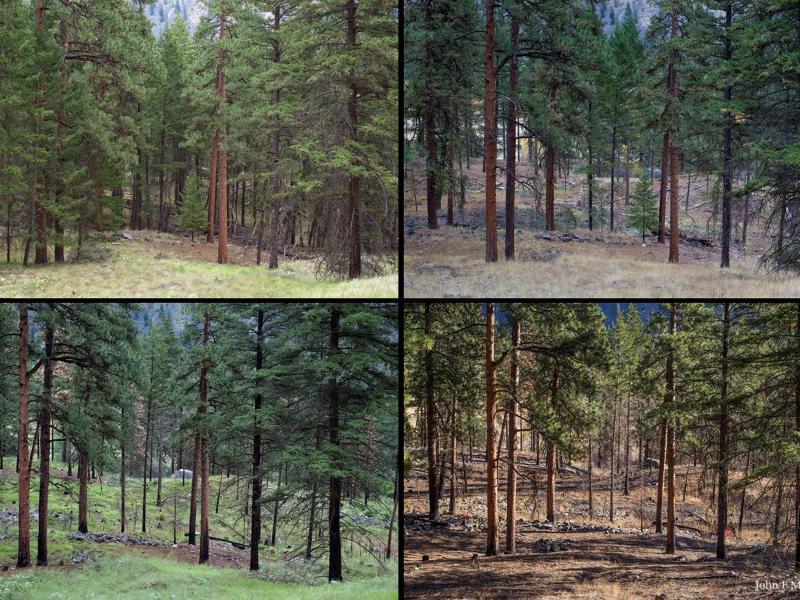
Scientists from PNNL and the U.S. Department of Agriculture-Forest Services’ Pacific Northwest Research Station have partnered to evaluate potential climate and wildfire adaptation scenarios and resulting benefits from restoration forestry.
PNNL will demonstrate how new technologies, innovative approaches and partnering with others can lead to net-zero emissions and decarbonization of operations.
Morris Bullock has led PNNL's pursuit of the efficient conversion of electrical energy and chemical bonds through control of electron and proton transfers.
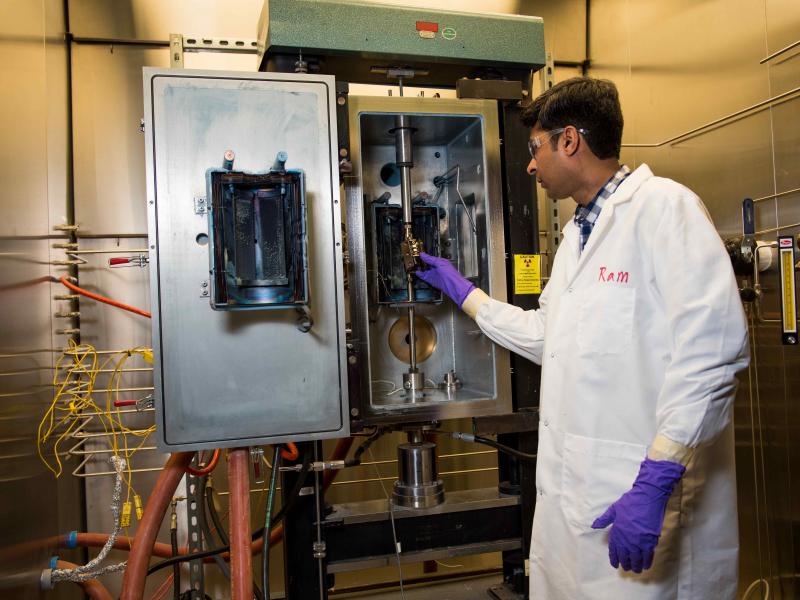
Arun Devaraj is one of two researchers selected for the 2022 Young Leaders Professional Development Award from The Minerals, Metals & Materials Society.