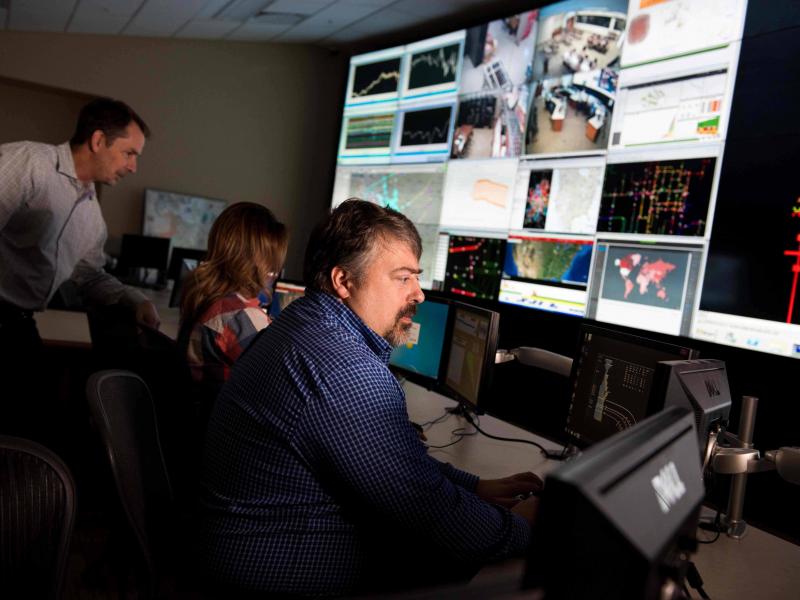
Red teaming for CPS, the process of challenging systems, involves a group of cybersecurity experts to emulate end-to-end cyberattacks following a set of realistic tactics, techniques, and procedures.
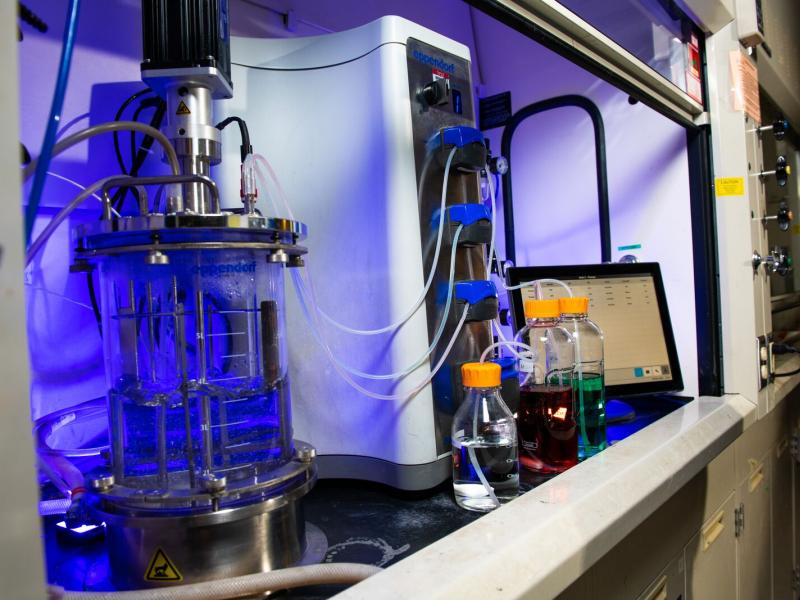
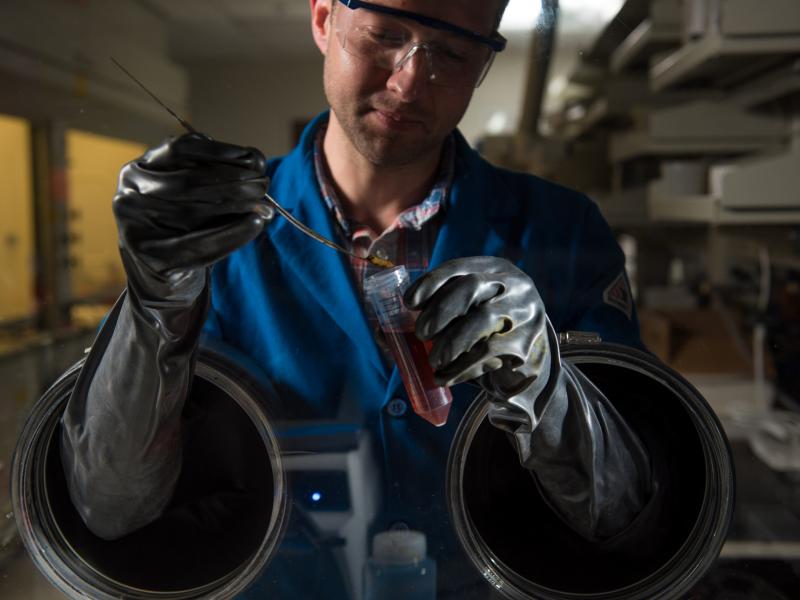
Through two U.S. Department of Energy funding calls awarded in 2020, PNNL is partnering with industry and academia to advance battery materials and processes.
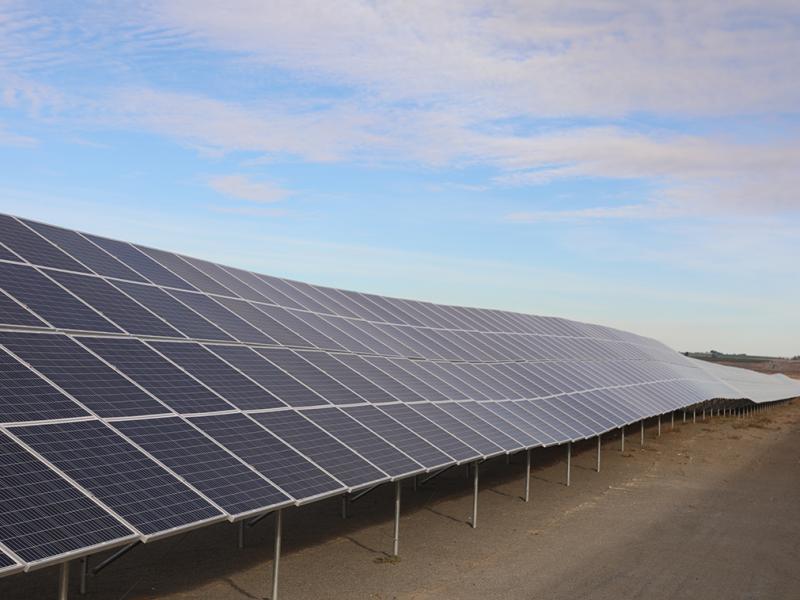
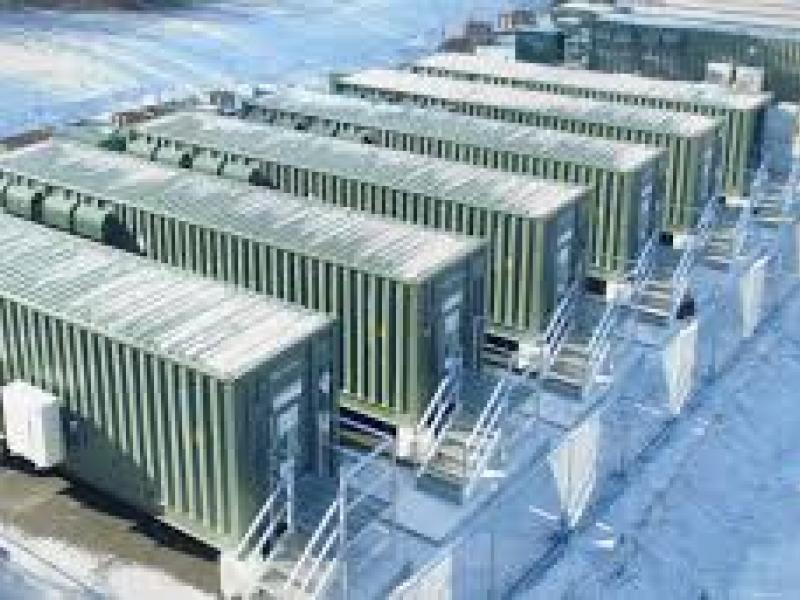
PNNL is one of the collaborating partners on a new grid-scale solar and energy storage installation near the PNNL campus in a project led by Energy Northwest.
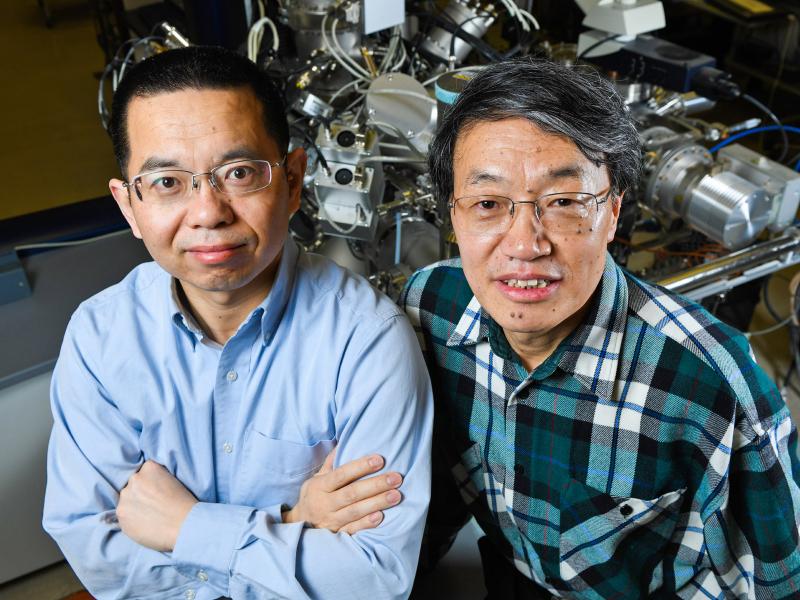
PNNL and Oklahoma State University join forces to understand the chemistry of sodium-ion and potassium-ion batteries thanks to an award from the U.S. Department of Energy's Established Program to Stimulate Competitive Research (EPSCoR).
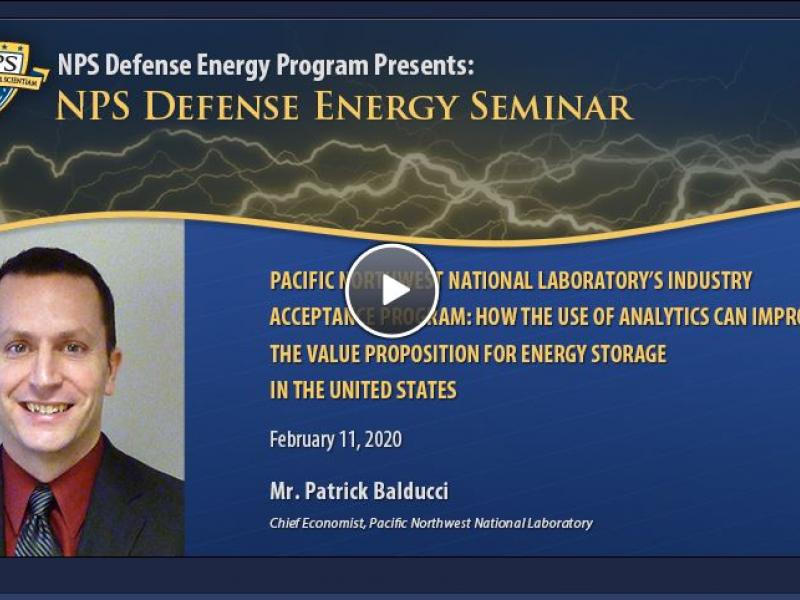
PNNL’s Patrick Balducci delivered an information-packed tutorial on grid energy storage valuation at the Naval Postgraduate School in Monterey, California.
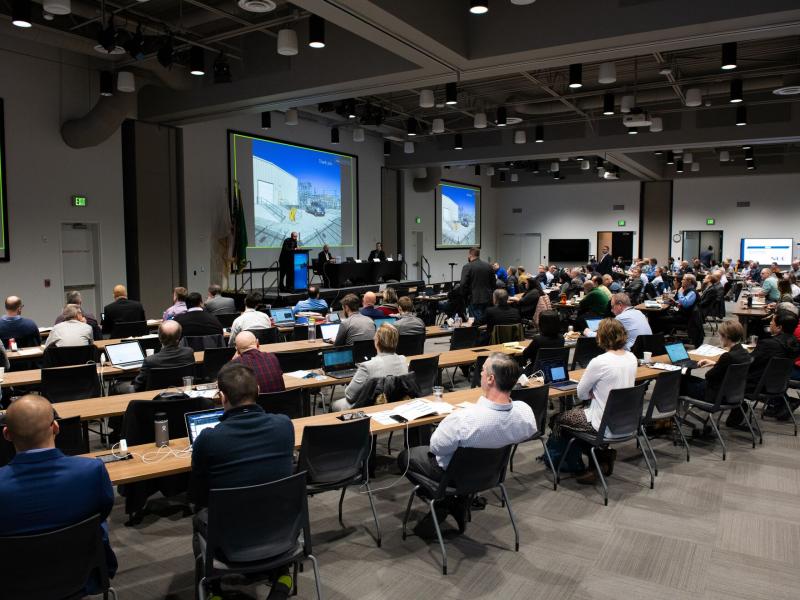
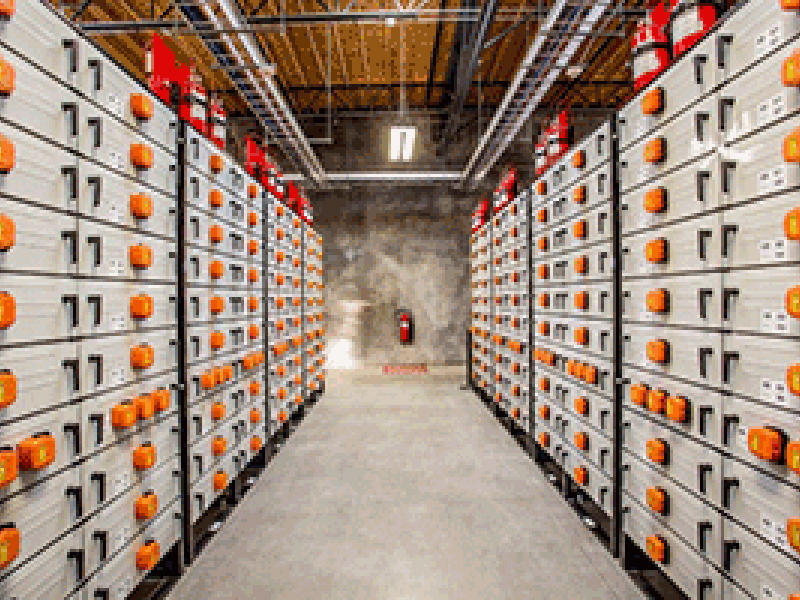
The Energy Storage System Safety and Reliability Forum at PNNL brought together more than 120 energy storage experts from the U.S. Department of Energy, the national laboratories, utilities, industry and academia.
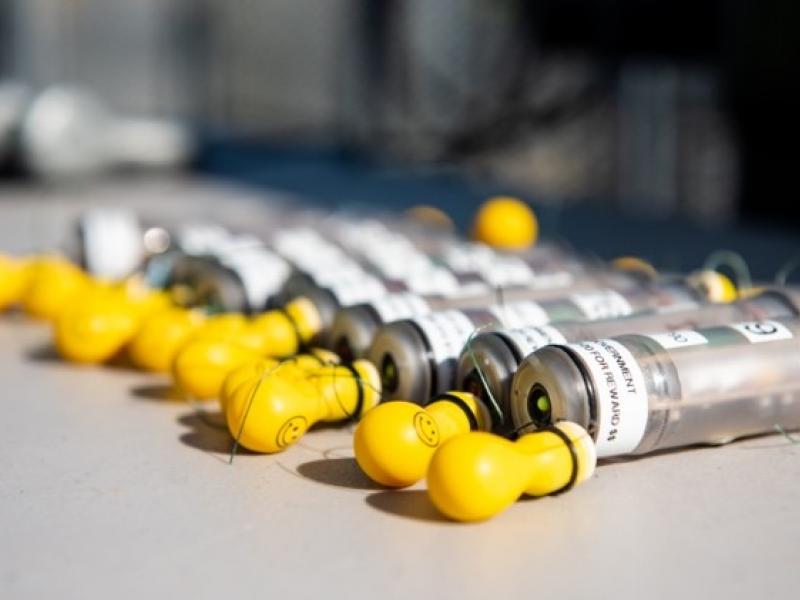
PNNL's Sensor Fish were deployed at Ice Harbor Dam to collect data from a new turbine. The data indicates the design changes are making travel through the dam less arduous for fish.
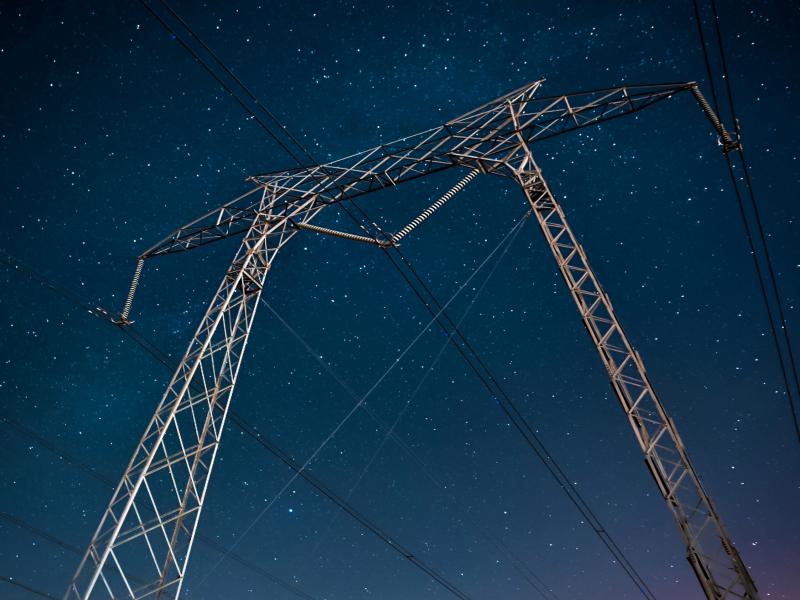
PNNL will lead three new grid modernization projects funded by the Department of Energy. The projects focus on scalability and usability, networked microgrids, and machine learning for a more resilient, flexible and secure power grid.
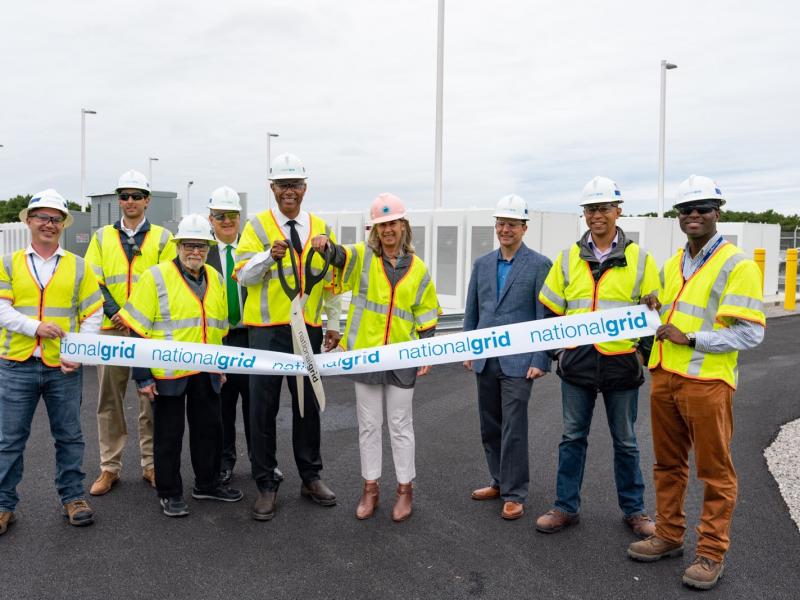
With support from DOE’s Office of Electricity and National Grid, PNNL led a groundbreaking study to accurately assess the full value of grid energy storage investments across a wide variety of use cases.
Energy storage is slowly shifting utility planning practices from the current paradigm, which ensures grid reliability by building reserve generation resources, to ensuring grid reliability by optimizing grid services.