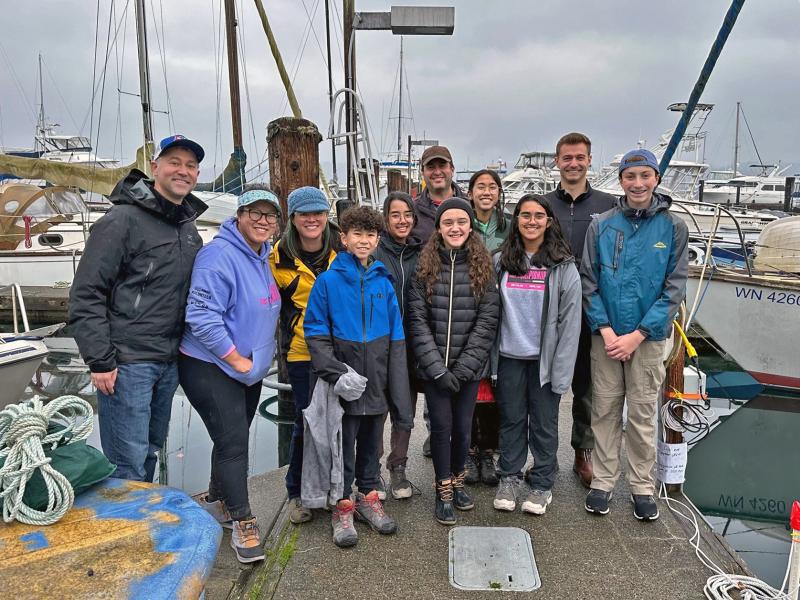
Researchers at PNNL advised elementary and middle school student teams with their problem-solving research for the FIRST® LEGO® League robotics competitions.
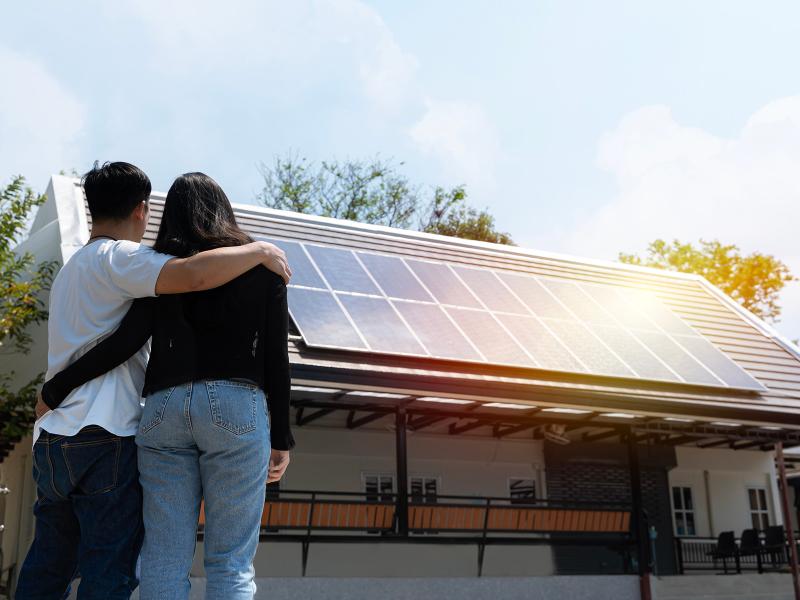
PNNL and collaborators developed new models—recently approved by the U.S. Western Electricity Coordinating Council (WECC)—to help utilities understand how new grid-forming inverter technology will enhance grid stability.
Understanding the risk of compound energy droughts—times when the sun doesn’t shine and the wind doesn’t blow—will help grid planners understand where energy storage is needed most.
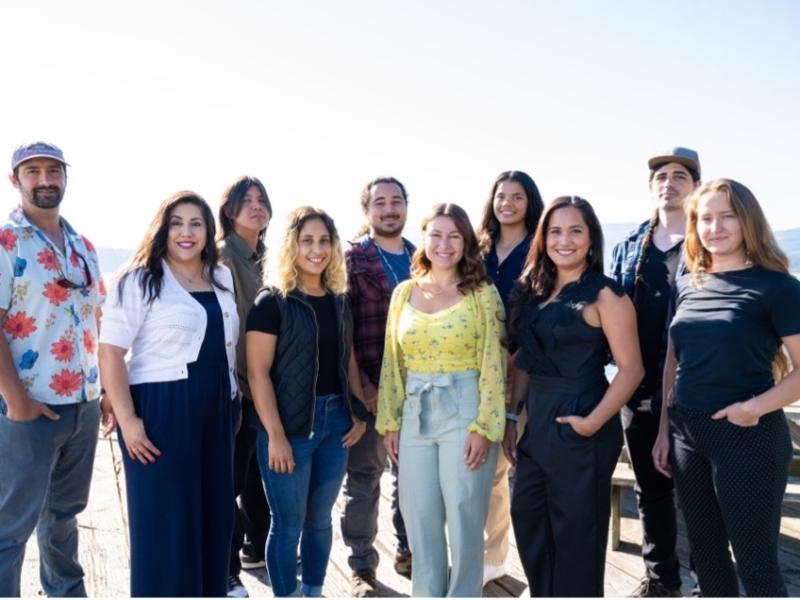
PNNL led one of five Pathway Summer School programs nationwide, with a specific focus on engaging students from Native American or Indigenous backgrounds.
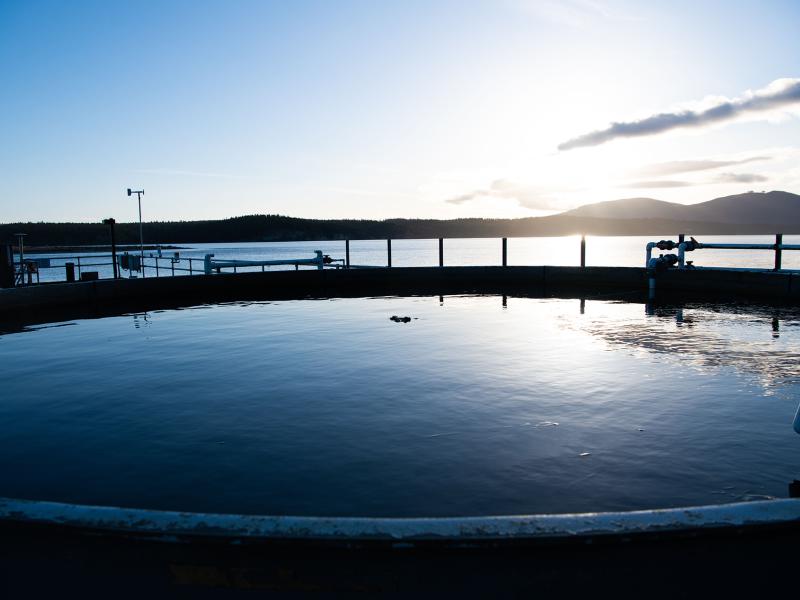
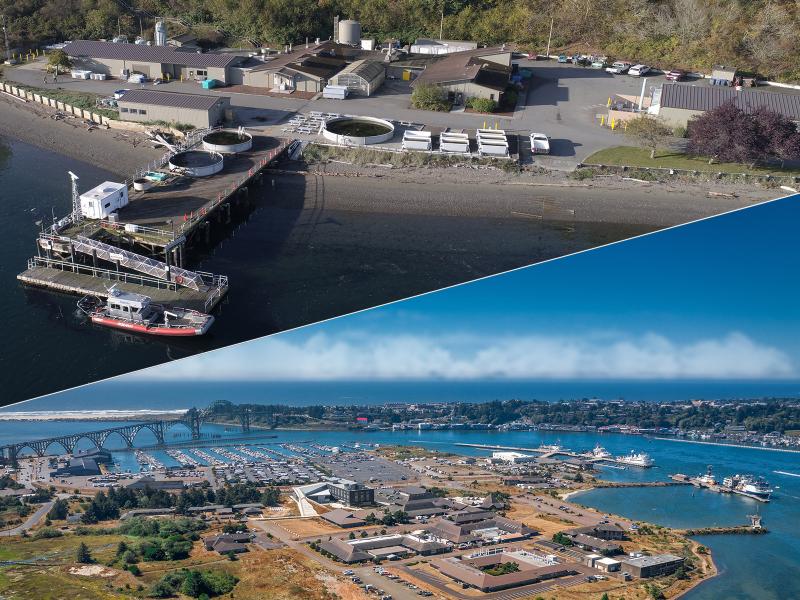
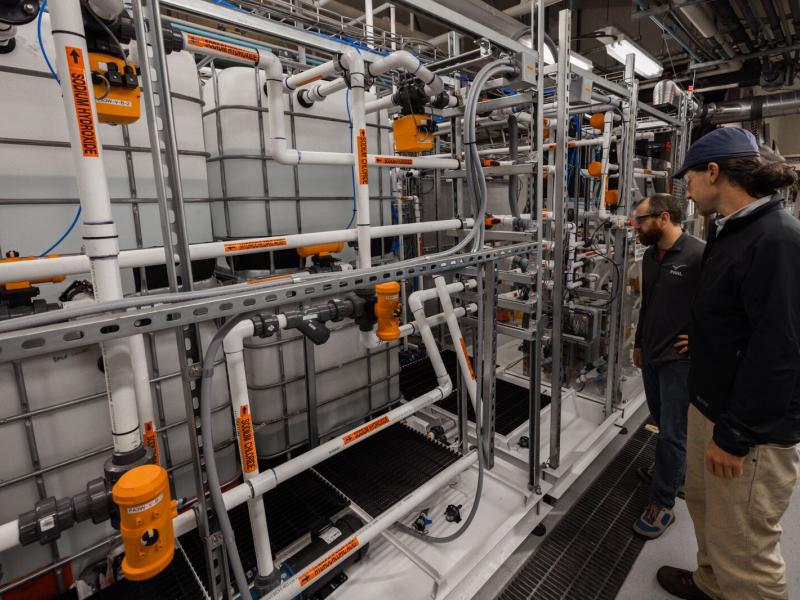
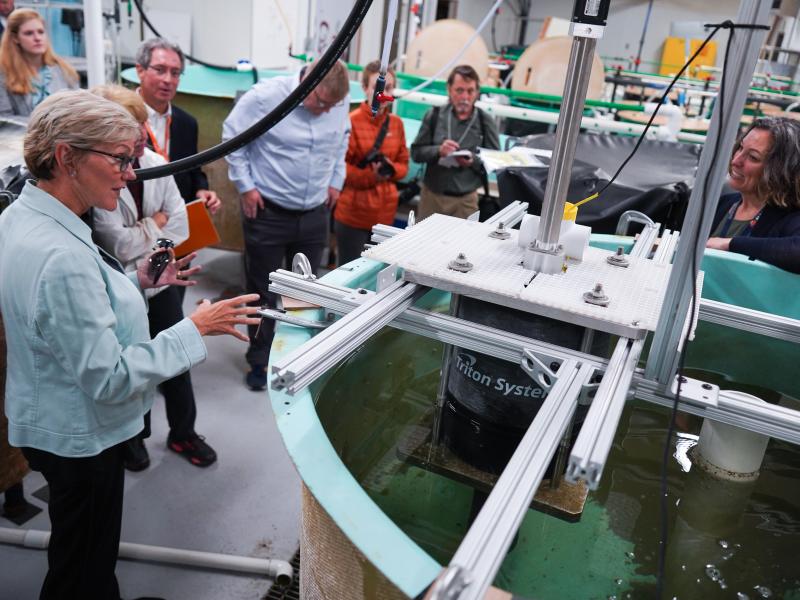
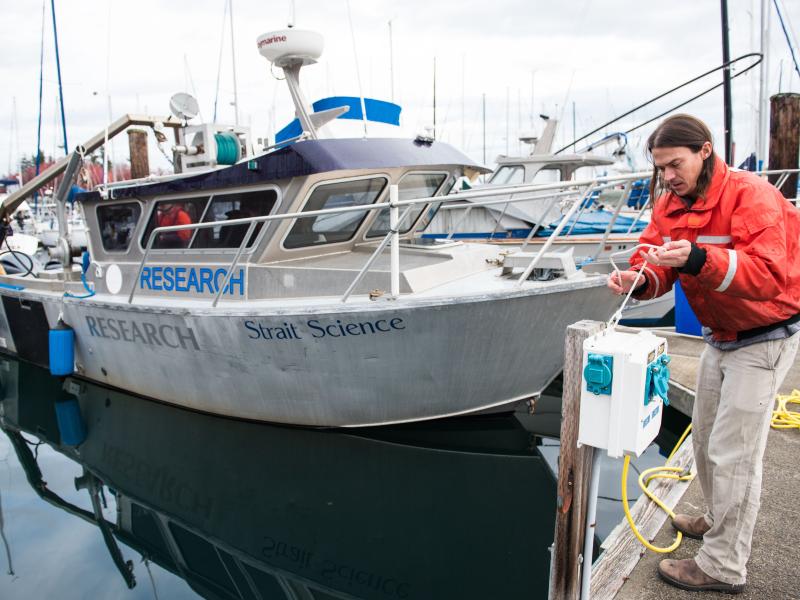
PNNL-Sequim scientists will spend the next year testing a new technology that could allow the ocean to soak up more carbon dioxide without contributing to ocean acidification.
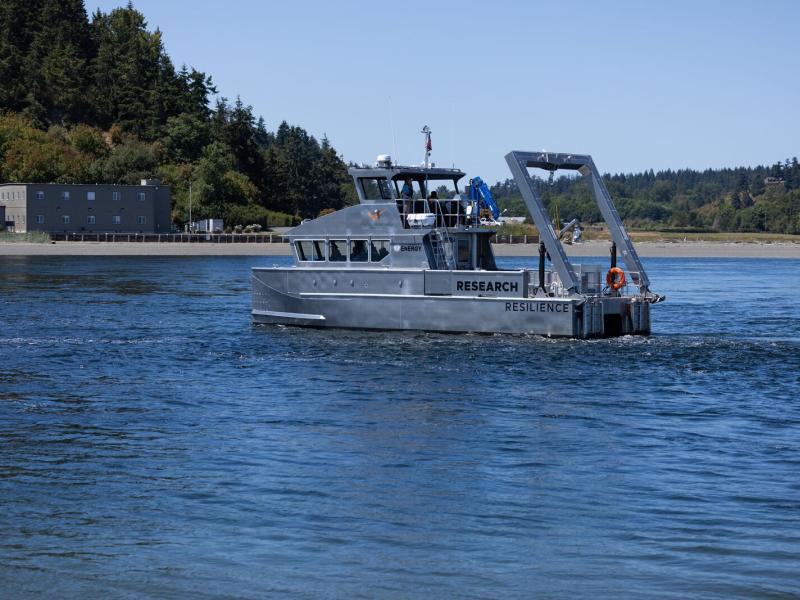
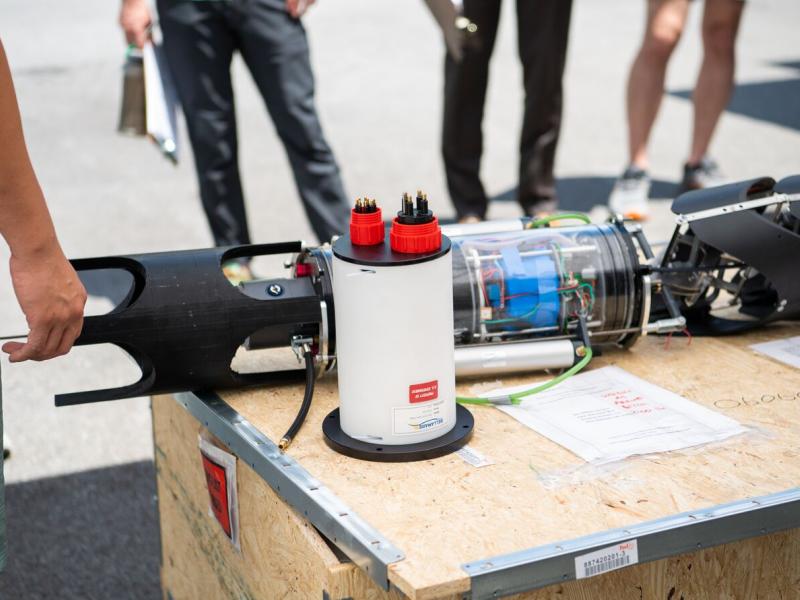
PNNL researchers developed the dummy payload to evaluate the performance of marine energy device prototypes in the Powering the Blue Economy: Ocean Observing Prize Competition.
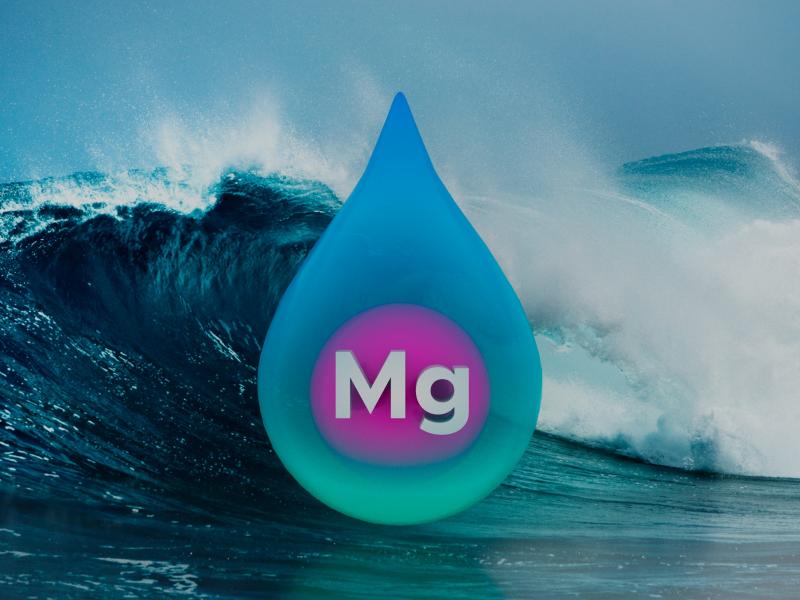
A new, simple, and efficient flow-based method allows researchers to pull a useful magnesium salt from natural seawater using easily available chemicals.
Biomedical scientist George Bonheyo has been selected as chair of a new International Electrotechnical Commission committee charged with creating standards for researching and measuring biofouling on marine energy systems.